
D L Williams Painting
A d l williams painting brings British canvas traditions, rural landscapes and portraiture into a room with quiet 19th-century authority.
D L Williams Painting
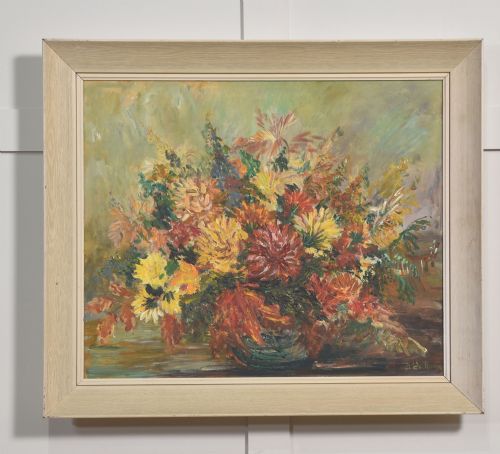
A d l williams painting encompasses original oil and watercolour works spanning the 17th to the 20th centuries, with a strong emphasis on Victorian and Edwardian periods. Collectors encounter landscape scenes, coastal views, floral still lifes and character portraits.
The selections on this page bridge traditional British artistry and regional documentation, connecting rural countryside views with maritime and domestic subjects.
Works attributed to various Williams artists appear alongside broader fine art pieces, showing enduring attention to canvas and paper mediums.
How They Were Made
Artists utilised oil on canvas, wood panels and watercolour on paper, applying pigments with traditional brushes to build depth, light and texture.
Frames often consisted of carved giltwood or gilt wood, complementing the visual weight of the paintings and preserving the edges of the canvas.
Paper supports for watercolours relied on careful layering of washes, while panel works used prepared wooden boards for stable pigment adherence.
Listings feature works spanning the 17th, 18th, 19th, and 20th centuries, executed in oil and watercolour on canvas, paper, and wood.
What Varies in Quality
Execution of detail in foliage, water and figures separates standard decorative works from accomplished compositions with strong tonal balance.
The integrity of the original support, whether canvas tension or panel preservation, dictates the long-term stability of the pigment layer.
Provenance and legible artist signatures or attribution records elevate historical context and market desirability.
D L Williams·Walter Heath Williams·Edward Charles Williams·Alfred Walter Williams·Benjamin Williams Leader
The D L Williams Painting Glossary
- Oil on Canvas
- A painting medium where pigments are suspended in drying oils and applied to stretched woven fabric. This technique allows for rich blending and textured impasto application.
- Giltwood
- Wood carved and coated with gold leaf or gold paint. It frequently frames traditional paintings and mirrors from the 18th and 19th centuries.
- Watercolour Painting
- Artwork created using water-soluble pigments on paper supports. It produces translucent washes and delicate atmospheric effects.
- Provenance
- The documented history of ownership of an antique or artwork. Clear records help verify authenticity and age.
- Impasto
- Paint applied thickly to a canvas so that it stands out from the surface. This technique adds tactile dimension to highlights and foliage.
D L Williams Painting: Frequently Asked Questions
How do I date a d l williams painting?
Dating relies on stylistic markers, framing techniques, and signatures recorded on the canvas or reverse. Archival records and artist lifespan dates also provide secure brackets for creation.
Examining the weave of the canvas and the composition style helps place the work within Victorian, Edwardian, or earlier British schools.
Where should I hang a d l williams painting?
These works suit traditional reception rooms, studies, or hallways where natural light enhances the oil or watercolour pigments without causing fading.
Keep pieces away from direct heat sources and strong sunlight to protect the canvas, panel, and giltwood frames.
What subjects are common in these paintings?
Common subjects include rural British landscapes, coastal seascapes, river valleys, and traditional portraiture. Artists frequently documented pastoral life and familiar regional topography.
Still life compositions and maritime rescue scenes also appear within the broader selection of works.
How do oil and watercolour pieces differ?
Oil paintings utilise canvas or wood panel supports with opaque pigments, offering rich texture and deep colour layering. Watercolours employ paper supports with translucent washes for lighter effects.
Oils generally require protective framing without glass, whereas watercolours need glazed frames to shield the paper from moisture.