





Cream Embroidered Suzani Panel
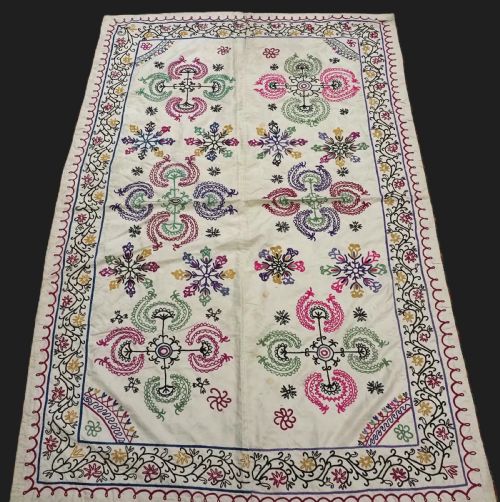
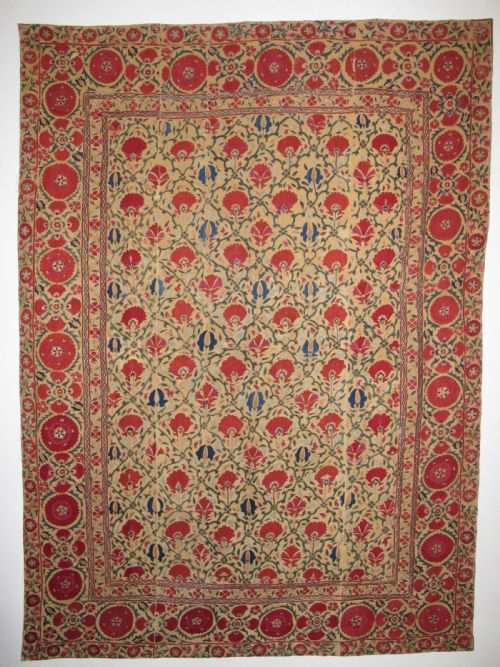
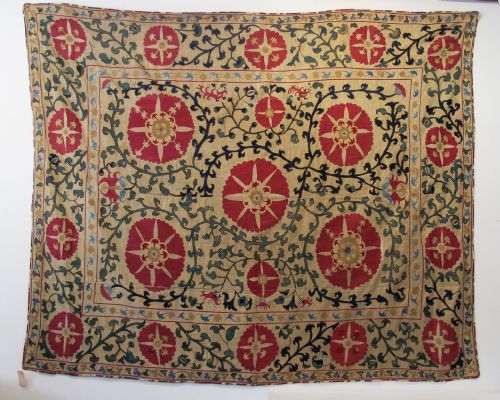
A cream embroidered suzani panel brings Central Asian textile artistry into a room, offering rich historical depth through hand-stitched folk traditions.
Cream Embroidered Suzani Panel
A cream embroidered suzani panel is a traditional Central Asian wall hanging or textile, originating from regions such as Uzbekistan, Bokhara, Samarkand and Nurata. These pieces emerge from periods spanning the mid nineteenth century through to the early twentieth century, including items from 1850, 1860, 1870, 1910 and 1930. Buyers seeking this phrase typically encounter Uzbek traditional or tribal folk art creations designed with specific formats like architectural layouts or prayer designs.
The selections available here range from small mounted embroideries measuring just over thirty centimetres to large wall hangings exceeding two metres in width. Most pieces display regional Central Asian characteristics, often attributed to specific centres like Bokhara or Samarkand. Collectors select these textiles for their distinct cultural heritage and their striking presence when displayed on interior walls.
Materials and construction
These panels utilise a foundation ground of cotton, linen or silk, providing a stable base for heavy embroidery. Artisans then apply silk thread using traditional needlework techniques to build up intricate patterns and dense floral or architectural motifs. The combination of a cream fabric ground with lustrous silk stitching creates a distinct textural contrast fundamental to these Central Asian textiles.
Makers in workshops across Uzbekistan executed these designs by hand, resulting in variations unique to each piece. The materials recorded in the evidence - silk, cotton, linen and silk thread - reflect the standard regional palette and construction methods of nineteenth and early twentieth century Central Asian artisans.
Cream Embroidered Suzani Panel Retail Price Guide 2026
Typical asking prices for cream embroidered suzani panel among the pieces listed under this phrase on Sellingantiques today, from the lower quarter to the upper quarter. They describe what is for sale here now, not the wider market.
Some nineteenth-century makers left tiny deliberate flaws in their stitching to ward off the evil eye.
Distinctions in quality
Quality in a cream embroidered suzani panel rests upon the density of the silk threadwork and the precision of the traditional design. Fine examples demonstrate exceptional dexterity in the needlecraft, with tightly packed stitches forming complex motifs such as architectural layouts or prayer formats.
The scale and proportion of the textile also influence the character of the piece, alongside the preservation of the original cream cotton, linen or silk ground. Superior panels display a harmonious balance between the embroidered design and the open background spaces, reflecting the skill of the Central Asian maker.
The Cream Embroidered Suzani Panel Glossary
- Nim-Suzani
- A half-size or smaller variant of the standard suzani panel, often easier to place in modern interiors while retaining traditional embroidery work.
- Prayer format
- A compositional layout featuring an arch or mihrab design, frequently seen in rugs and textiles intended to indicate a directional focus.
- Bokhara
- A historic Central Asian city and prominent centre for textile production in Uzbekistan, known for distinctive regional embroidery styles.
Cream Embroidered Suzani Panel: Frequently Asked Questions
What is a cream embroidered suzani panel?
A cream embroidered suzani panel is a hand-stitched textile wall hanging originating from Central Asian regions like Uzbekistan, Bokhara and Samarkand. These pieces date primarily from the nineteenth and early twentieth centuries.
They feature intricate silk embroidery on a cream cotton, linen or silk ground, showcasing traditional folk art motifs and regional designs.
How were these panels used originally?
Historically, suzani panels were created as part of a bride's dowry in Central Asia, serving as decorative wall hangings, coverlets or ceremonial textiles within the home.
Today, collectors mount and display them as textile art to bring colour, texture and historical depth to contemporary interior spaces.
How do I care for an antique textile?
Protect antique silk and cotton textiles from direct sunlight to prevent the natural fibres and dyed threads from fading over time. Display them away from high moisture areas and support the weight evenly if mounting on a wall.
Professional textile conservation cleaning is recommended rather than standard domestic washing methods, due to the delicate nature of nineteenth-century silk threadwork.
How can I tell the age of a suzani?
Age is indicated by the types of materials used, the characteristics of the natural dyes, and the fineness of the hand-stitching typical of nineteenth-century Central Asian workshops. Comparing regional styles from centres like Bokhara, Nurata or Samarkand also helps establish the likely period of origin.
Documentation linking pieces to specific decades, such as the 1850s, 1860s or early 1900s, assists in verifying the historical timeline.