




Cream Earthenware Jar
A cream earthenware jar offers robust utility paired with subtle historic charm, drawing collectors who appreciate historic ceramics.
Cream Earthenware Jar
A cream earthenware jar is a utilitarian vessel shaped from fired clay and finished with pale glazes. Buyers seeking a cream earthenware jar will encounter varied domestic and decorative forms from multiple centuries.
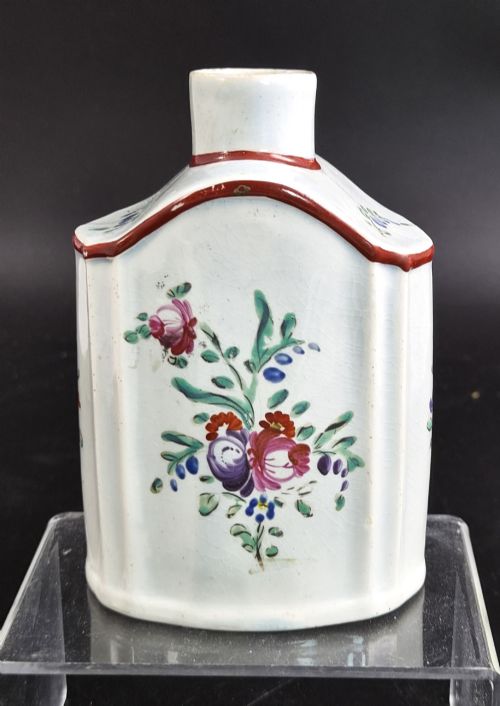
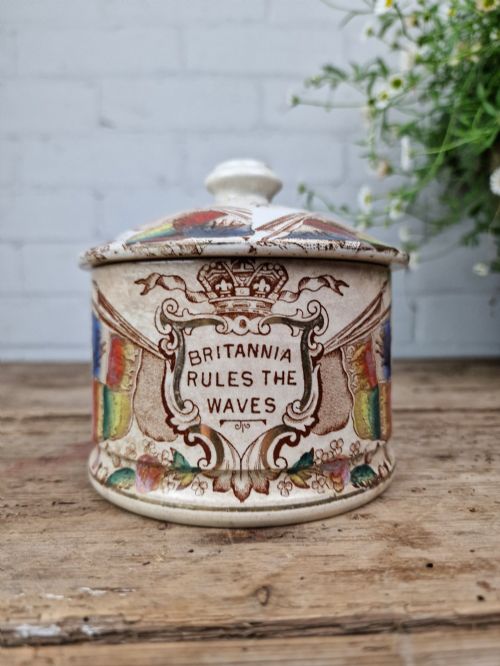
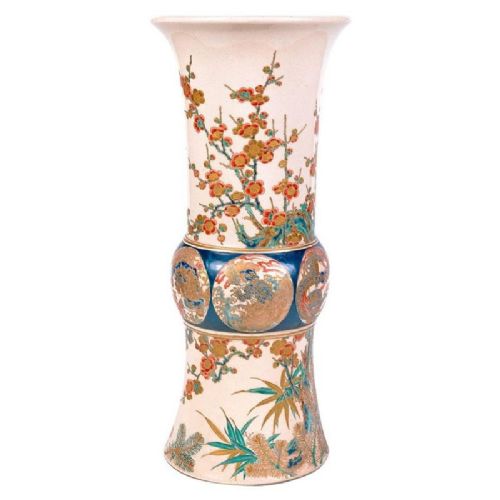
The selection ranges from tea canisters and butter dishes to larger lidded jars and vases. These pieces bridge everyday household use and display.
Materials and Construction
Potters shaped earthenware clay on the wheel or in moulds before applying smooth cream-coloured glazes. Artisans often added enamel paints, gold leaf, or moulded sprigged decoration to finish the surfaces.
Firing techniques determined the durability and final tone of the ceramic body. Kiln temperatures varied, yielding everything from porous earthenware to denser salt-glazed stoneware.
Some jars are large enough to stand nearly a metre tall, making a bold statement in any room.
Judging Quality and Finish
Quality rests upon the crispness of the modelled clay and the evenness of the glaze application. Finer vessels display precise hand-painted enamels and intricate surface details.
Potters who achieved balanced proportions and clean firing results produced superior pieces. Subtle variations in potting thickness and glaze pooling distinguish workshop standards.
Leeds Pottery·Kizan·Shuzan·Yamashu·Tokyo Taizan·Shozan·Charlotte Rhead
The Cream Earthenware Jar Glossary
- Earthenware
- Porous ceramic fired at lower temperatures, requiring a glaze to hold liquids. It forms the core body for many traditional storage vessels.
- Glaze
- A glassy coating fused to ceramic surfaces by heat. It waterproofs the pot and provides a smooth background for enamels.
- Enamel
- Opaque glass used for painting surface designs over a fired glaze. It allows for vibrant multi-coloured decoration.
- Sprigged
- Moulded clay reliefs applied to the unfired body of a pot before glazing. This technique creates raised decorative motifs.
- Salt-glazed
- Stoneware finished by throwing common salt into the hot kiln to form an orange-peel texture. It creates a hard, durable surface.
Cream Earthenware Jar: Frequently Asked Questions
What are cream earthenware jars used for?
These vessels originally served practical storage needs in domestic kitchens and pantries, holding dry goods, tea, or butter.
Over time, many transitioned into decorative display pieces valued for their historic glazes and forms.
How do I date an antique ceramic jar?
Dating relies on examining the potting technique, glaze characteristics, and any maker marks or studio signatures present on the base.
Stylistic shifts in decoration between the eighteenth and twentieth centuries also help narrow the period of manufacture.
How should I clean my ceramic jar?
Dusting gently with a dry, soft cloth is usually sufficient for maintaining the surface of historic ceramics.
Avoid immersion in water or harsh chemical cleaners, particularly on pieces with delicate enamel or gilt decoration.