

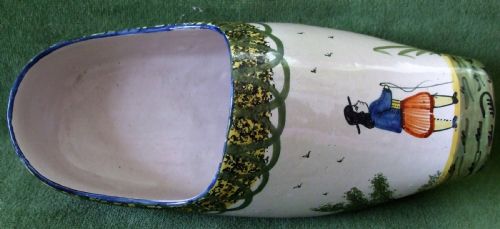


Cream Earthenware Figure
These cream earthenware figure pieces bring character to a room through modelled ceramic forms from Victorian and Georgian periods.
Cream Earthenware Figure
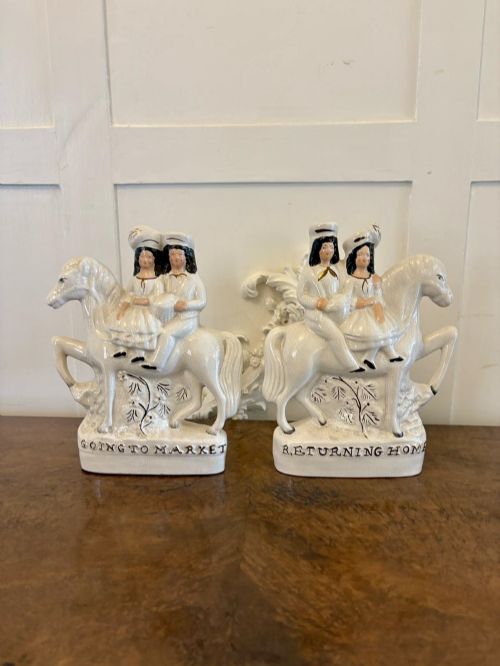
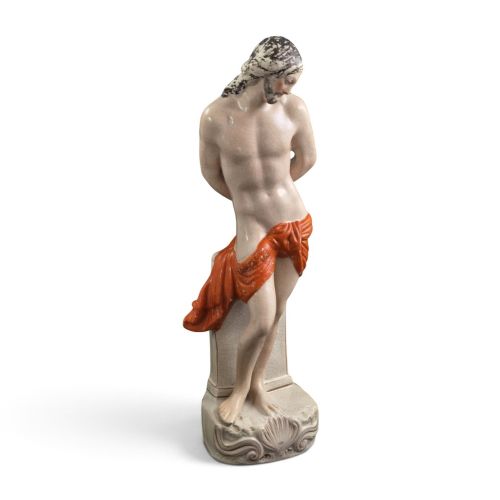
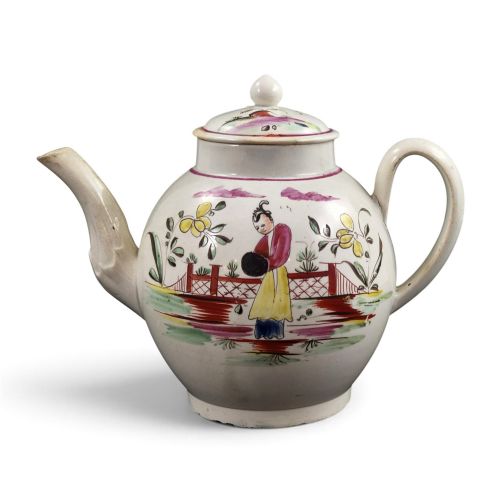
A cream earthenware figure represents modelled ceramic subjects ranging from animals and architectural cottages to historical personalities and religious scenes. The examples seen here span the Georgian and Victorian eras, alongside related ceramic wares from international traditions.
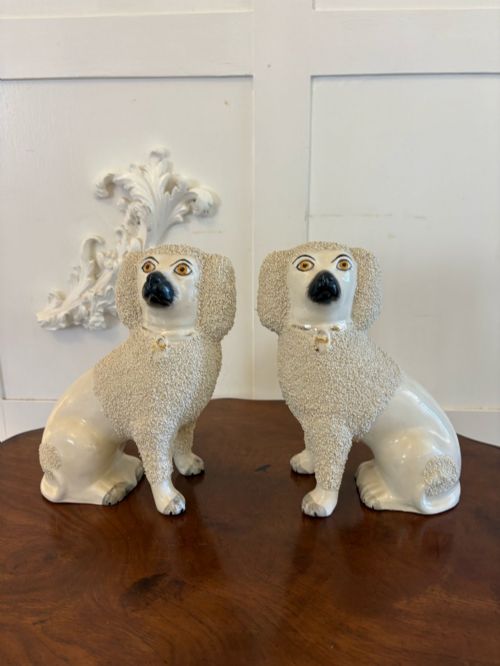
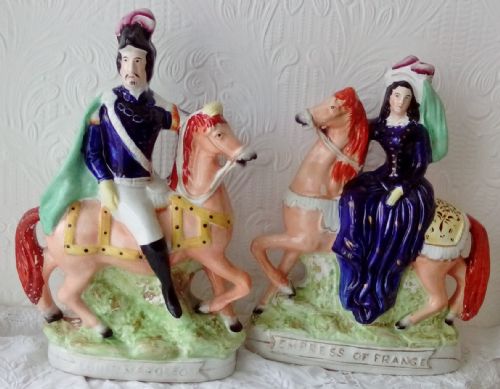
Staffordshire potteries dominate the English selections, offering flat back figures, pairs of dogs, and portrait subjects. Buyers encounter animals, cats, lions, poodles, and royal figures modelled in clay and finished with hand-painted details.
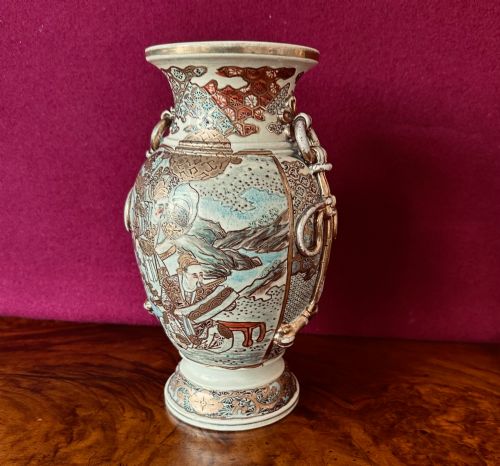
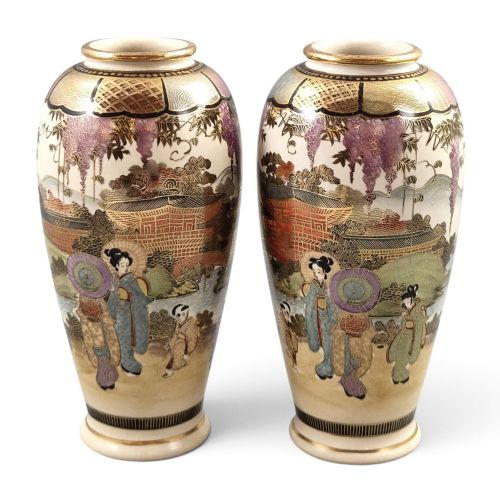
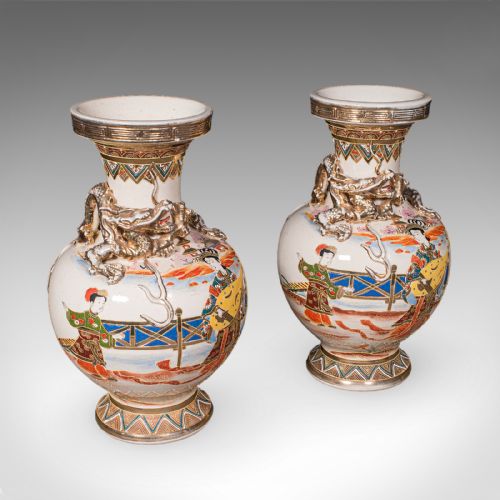
The category extends to continental and Japanese ceramic pieces sharing similar pale bodies and glazed surfaces, including Satsuma vessels and decorative ornaments. Most items date from the nineteenth century, reflecting the domestic mantelpiece taste of the period.
Materials and technique
Potters shaped these earthenware bodies using moulds before applying liquid glazes to seal the porous ceramic material. Many pieces received lead glaze treatments to provide a smooth, glossy protective surface.
Cream Earthenware Figure Retail Price Guide 2026
Typical asking prices for cream earthenware figure among the pieces listed under this phrase on Sellingantiques today, from the lower quarter to the upper quarter. They describe what is for sale here now, not the wider market.
Listings span multiple eras from the Georgian period through the nineteenth century, featuring earthenware, ceramic, and glaze materials.
Judging quality
The application of hand-painted enamel and gilding dictates visual success, with refined brushwork and well-preserved metallic leaf elevating the piece. The consistency of the glaze and the absence of heavy firing flaws also mark better production standards.
The Cream Earthenware Figure Glossary
- Creamware
- A refined earthenware with a pale yellowish or cream-coloured lead glaze developed in England during the eighteenth century.
- Flat back
- A style of Staffordshire figure moulded with a finished front and a flat, unpainted reverse designed to stand against a wall.
- Lead glaze
- A glossy coating containing lead oxide applied to pottery before firing to waterproof the earthenware body.
- Enamel
- Opaque glass-based paints fused onto the surface of fired ceramics during a secondary low-temperature kiln firing.
Cream Earthenware Figure: Frequently Asked Questions
What are cream earthenware figures?
These are moulded ceramic pieces made from pale earthenware clay, often glazed and painted by hand. They include animals, human portraits, and decorative subjects.
Most items in this tradition stem from nineteenth-century Staffordshire potteries, designed for display on domestic mantelpieces and shelves.
How were Staffordshire figures displayed?
Victorian households typically placed flat back figures on mantelpieces, chests of drawers, and side tables in pairs or matching groups. Their flat backs allowed them to sit flush against living room walls.
Animal pairs, such as dogs and lions, were traditionally arranged facing each other at either end of a fireplace.
How do I care for antique earthenware?
Keep ceramic pieces away from direct sunlight and areas prone to heavy moisture or temperature fluctuations. Dust them gently with a soft, dry brush.
Avoid using water or chemical cleaners on antique enamel and gilt surfaces, as moisture can damage fragile overglaze decorations.
How can I tell the period of a figure?
Dating relies on the style of clothing, subject matter, glazing techniques, and potting characteristics. Victorian pieces often show distinct moulding styles and enamel palettes compared to earlier Georgian works.
Marks or stamps on the base, when present, provide additional clues regarding the workshop and manufacturing date.