


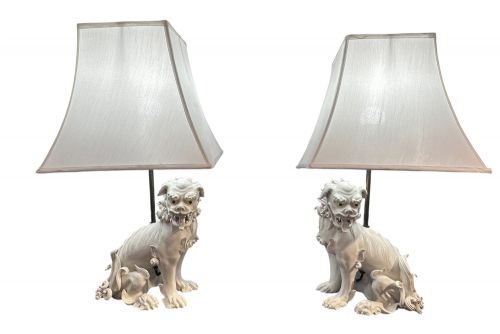


Cream Ceramic Table Light
A cream ceramic table light brings warmth and character to a room, drawing the eye with classic forms adapted for modern living.
Cream Ceramic Table Light
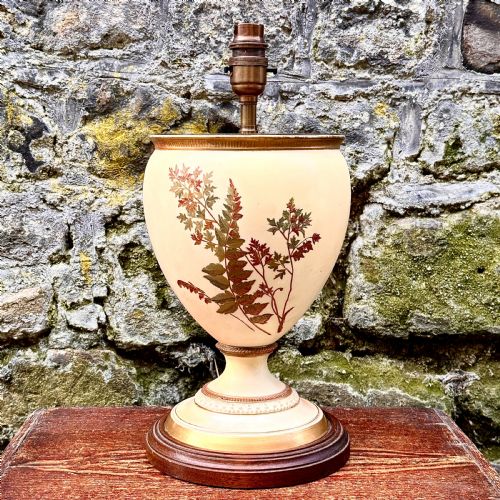
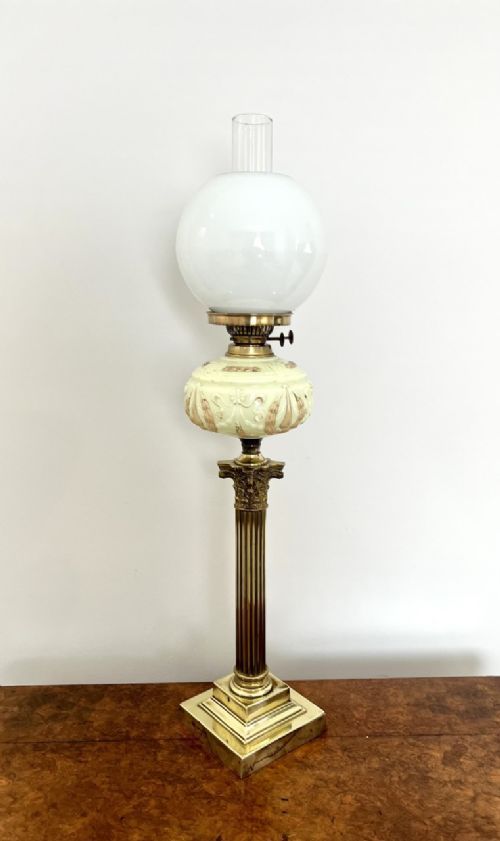
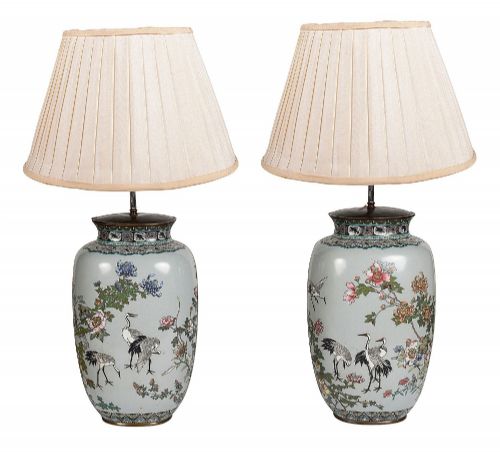
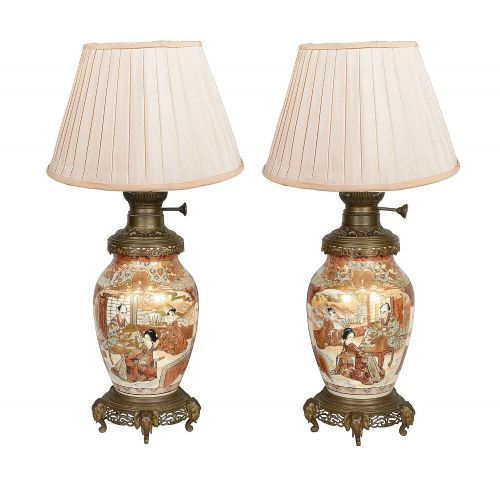
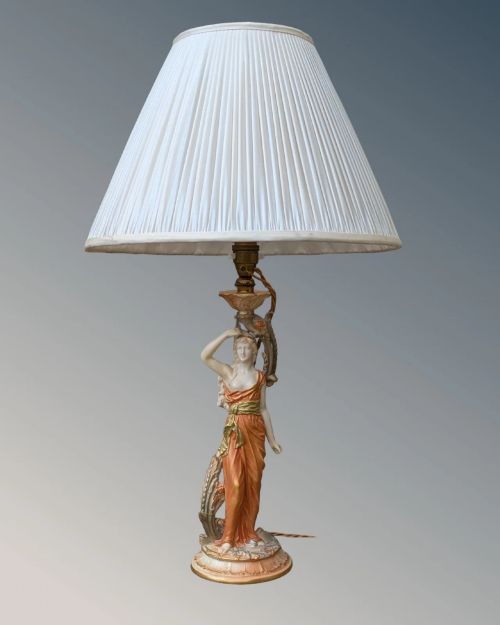
When you search for a cream ceramic table light, you are looking at functional illumination created from historical vessels and ceramic bodies. Many examples originate as earlier vases, oil lamps, or jars that were subsequently converted into lamps.
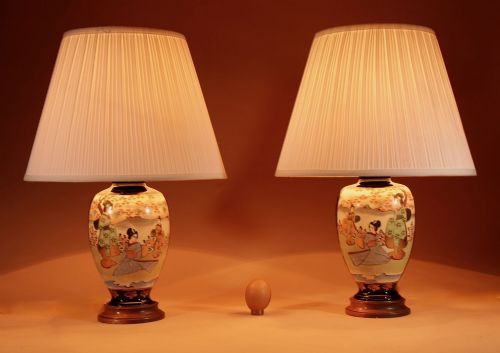
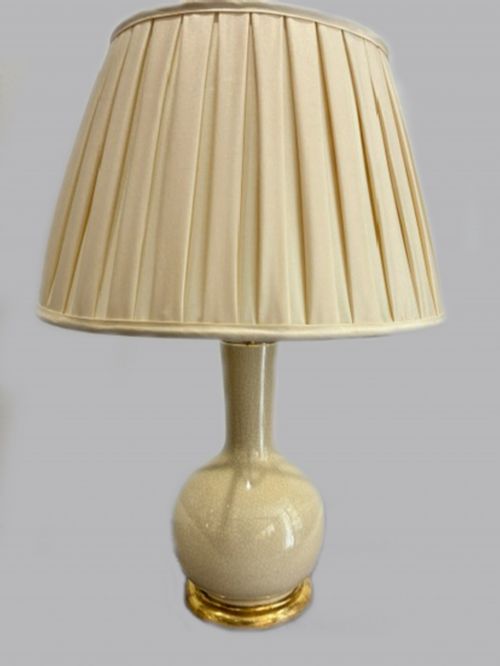
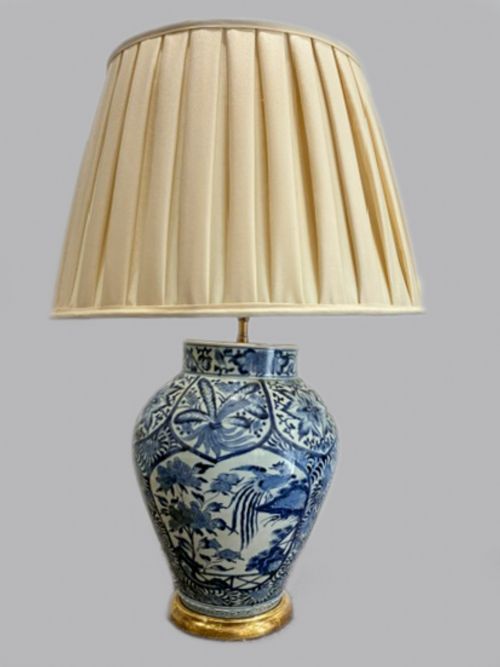
The selection ranges across the nineteenth century, Edwardian era, and Art Deco period, incorporating styles such as Japanese Satsuma, Chinese blue and white, and Victorian porcelain. You will frequently encounter converted vases featuring crackleware finishes or painted decoration alongside plain earthenware bodies.
Forms span from slender Chinese ginger jars to substantial Japanese Satsuma shapes and European porcelain figures like owls or blanc de chine Shi lions. These pieces bridge decorative arts and practical lighting, offering substantial presence on a sideboard or desk.
How they were made
Makers utilised ceramic, porcelain, earthenware, and faience as the primary bodies, often shaping vessels on the potter's wheel or moulding figures by hand. These ceramic components were glazed, painted, or left with crackleware finishes before being fired.
Metal elements such as brass, ormolu, and bronze frequently mount the ceramic bases or support the electrical and oil mechanisms. Fabric and silk shades complete the structures, complementing the ceramic and metal foundations.
Materials recorded across the current selection include porcelain, earthenware, faience, brass, silk, and glass.
What varies in quality
The sophistication of the hand-painted decoration and the depth of the ceramic glaze dictate the visual success of the piece. Crisp cobalt blue work on Chinese porcelain or detailed polychrome scenes on Satsuma earthenware set finer examples apart from simpler commercial wares.
The integration of the conversion work defines the physical execution. Superior pieces maintain the structural integrity of the original vase or oil lamp without compromising the balance or stability of the finished table light.
Royal Worcester·Ernst Bohne and Sohn·Denby Ware·Fukagawa
The Cream Ceramic Table Light Glossary
- Crackleware
- Pottery featuring a network of fine microscopic cracks intentionally produced in the glaze. This finish appears frequently on nineteenth-century Chinese and French ceramic lamps.
- Satsuma
- A type of Japanese earthenware originating from the Satsuma Province, typically characterised by a crackled ivory glaze and elaborate polychrome and gilt decoration. These vases frequently form the base of decorative table lights.
- Blanc de Chine
- A white porcelain made in Dehua, China, featuring a smooth milky glaze. Pieces in this style often take the form of figures such as Shi lions.
- Ormolu
- Gilded bronze used for mounts and decorative fittings on furniture and ceramics. It adds ornamental weight to eighteenth and nineteenth-century lamp bases.
- Faience
- European tin-glazed earthenware, particularly associated with French production. This material provides an opaque cream or white background for painted designs on nineteenth-century oil lamps.
Cream Ceramic Table Light: Frequently Asked Questions
What is a cream ceramic table light?
A cream ceramic table light is a functional lamp built using a historic ceramic or porcelain vessel as its main body. These pieces often repurpose antique vases, jars, or oil lamps.
They combine historical decorative arts with practical domestic illumination, offering a distinct aesthetic for living spaces and studies.
Are these lamps converted antiques?
Many examples begin life as decorative vases, ginger jars, or oil lamps from the nineteenth century or earlier. Artisans later fitted these vessels with electrical components to function as table lamps.
This conversion process preserves the historic ceramic body while adapting the object for contemporary use.
How do I identify the period of a lamp?
Dating relies upon examining the ceramic body, glaze characteristics, and any painted or applied decoration. Styles such as Art Deco, Victorian, or Japanese Meiji period provide stylistic clues.
Maker marks, where present on the base, also help narrow down the exact decade of manufacture.
What materials are used alongside the ceramic?
Makers frequently combine ceramic bodies with brass, bronze, and ormolu mounts for stability and decoration. Fabric and silk shades are also utilised to complete the lighting fixtures.
These mixed materials reflect the period aesthetic of each specific piece.