


Cream Calico Sofa
A cream calico sofa brings understated texture and classic comfort to a room, offering a neutral foundation for both traditional and modern interiors.
Cream Calico Sofa
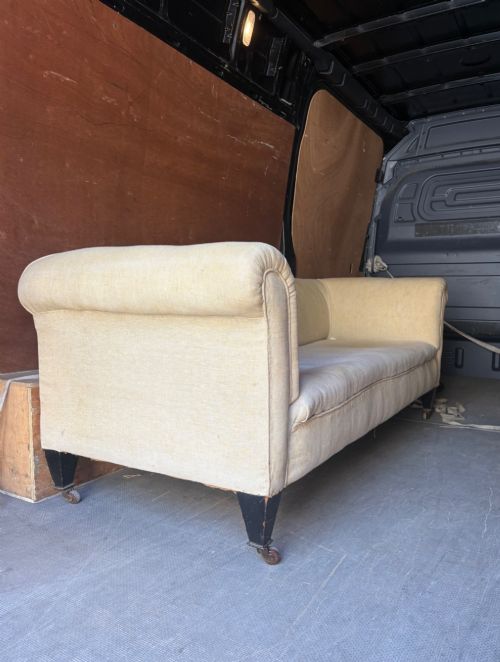
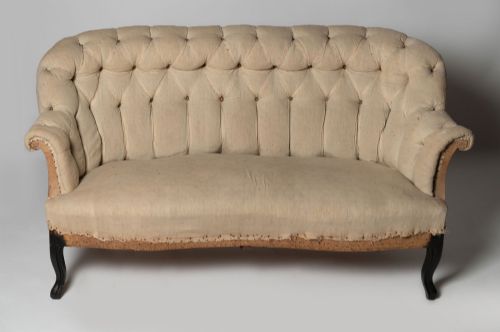
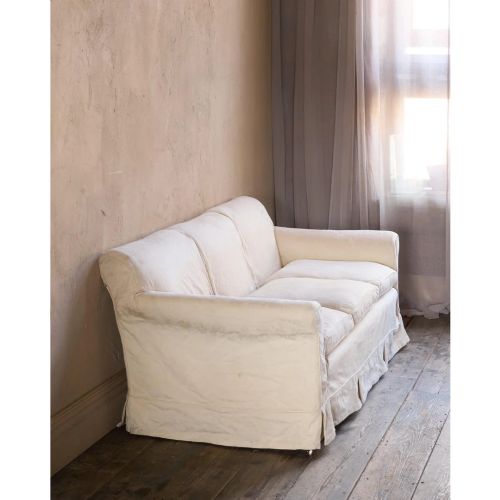
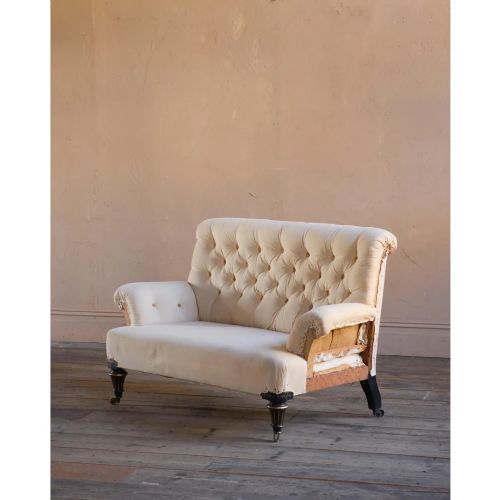
A cream calico sofa is an upholstered seat upholstered in plain cotton fabric, often used as a base cover or as the final outer textile. These pieces span the nineteenth century and the early twentieth century, taking the form of country house settees, reclining daybeds, and French chaises longues.
Buyers browsing this selection will most frequently encounter nineteenth century designs, Edwardian creations, and French models including Napoleon III and French Country styles. Many examples originate from distinguished London and Edinburgh workshops, reflecting domestic comfort alongside continental elegance.
The forms range from generous two seater sofas designed for country house drawing rooms to elegant chaises and daybeds intended for relaxed reclining. Each piece showcases the distinctive upholstery foundations and woodwork characteristic of its period of origin.
Materials and construction
The underlying frames combine robust hardwoods such as beech and mahogany, joined to support deep upholstery and sprung seats. Brass fittings frequently appear on castors and structural elements, whilst jute webbing and natural fillings provide the traditional interior support.
Outer coverings rely on calico and linen fabrics, occasionally complemented by burlap, providing a durable and neutral surface. These textiles are carefully tailored to fit the complex curves of nineteenth century and Edwardian frames.
Certain daybeds include ingenious nineteenth century reclining mechanisms designed for afternoon repose.
Judging quality and character
Quality rests primarily on the integrity of the hardwood frame and the sophistication of the original maker's construction. Pieces bearing attribution to renowned London or Edinburgh cabinet makers demonstrate superior joinery and refined proportions.
The refinement of the carving, the elegance of the woodwork such as mahogany or beech legs, and the balance of the silhouette distinguish finer examples from standard workshop production.
Jackson and Graham·Howard and Sons·Morison and Co·Hampton and Sons
The Cream Calico Sofa Glossary
- Calico
- A plain-woven unbleached cotton textile traditionally used as a primary upholstery cover or foundation layer.
- Hardwood
- Dense timber derived from broad-leaved trees, utilised to ensure structural longevity in the sofa frame.
- Daybed
- An upholstered piece of furniture intended for both sitting and daytime resting, often featuring an adjustable mechanism.
Cream Calico Sofa: Frequently Asked Questions
What is a cream calico sofa?
A cream calico sofa is an antique upholstered seating piece covered in plain cotton calico, originating from the nineteenth and early twentieth centuries. These pieces encompass country house settees, French chaises, and reclining daybeds.
They serve as versatile interior furnishings, offering both historical character and a neutral aesthetic that integrates easily into contemporary homes.
How do I identify an Edwardian sofa?
Edwardian sofas typically date from around the early twentieth century and often reflect country house comfort with lighter proportions than their Victorian predecessors. They frequently utilise hardwood frames and traditional upholstery techniques.
Examining the woodwork, frame construction, and stylistic details helps distinguish these pieces from earlier nineteenth century examples.
Where were these sofas made?
The pieces originate from British and French workshops, with notable examples produced by cabinet makers and upholsterers in London and Edinburgh. Continental pieces often display French Country or Napoleon III styling.
Regional variations in the timber used, such as mahogany, beech, or general hardwood, reflect the manufacturing traditions of these different locations.
How do I care for calico upholstery?
Calico is a sturdy cotton fabric that benefits from gentle vacuuming and prompt attention to accidental marks. Natural textile covers maintain their appearance best when kept out of direct sunlight.
Professional cleaning is recommended for antique upholstery to preserve the integrity of the fabric and the underlying traditional fillings.