
Traditional English Couch
A traditional english couch brings deep-seated comfort and enduring design to a room, offering a place to sit that holds centuries of craftsmanship.
Traditional English Couch
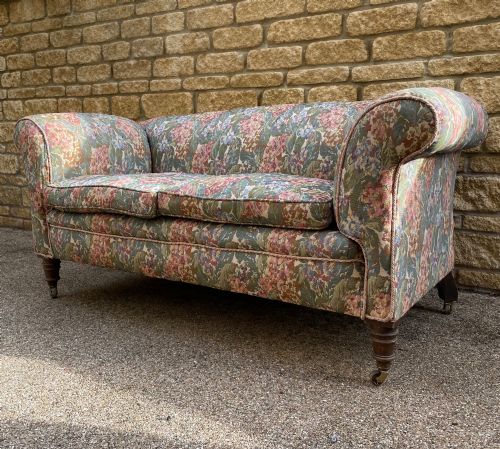
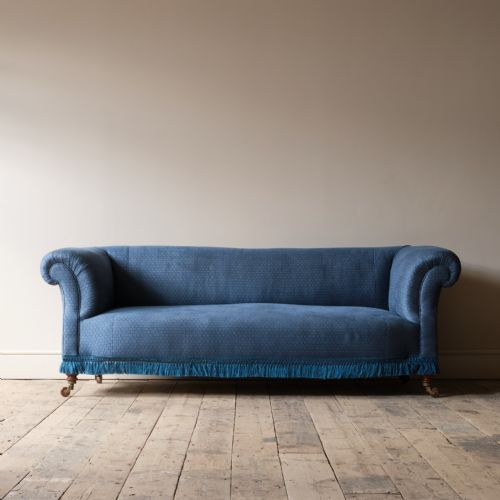
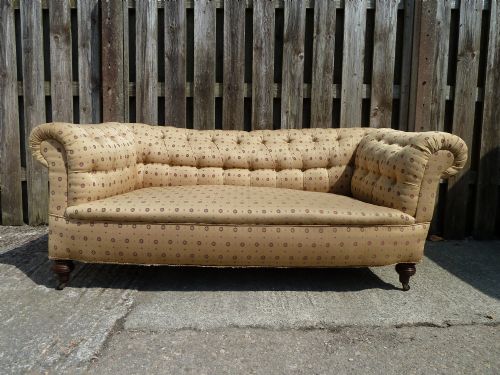
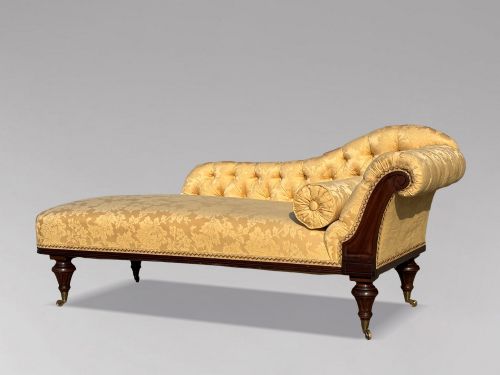
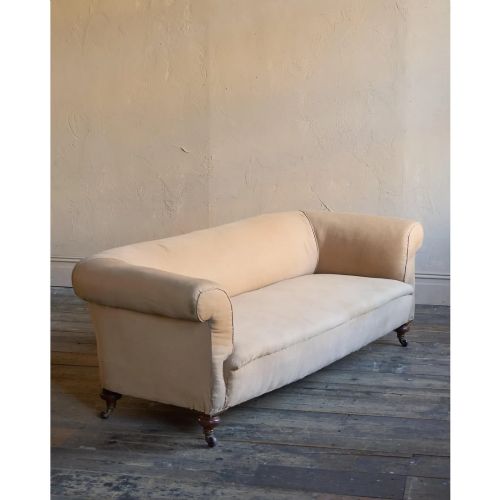
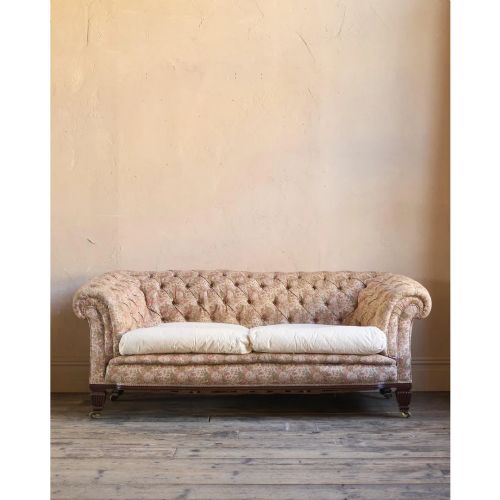
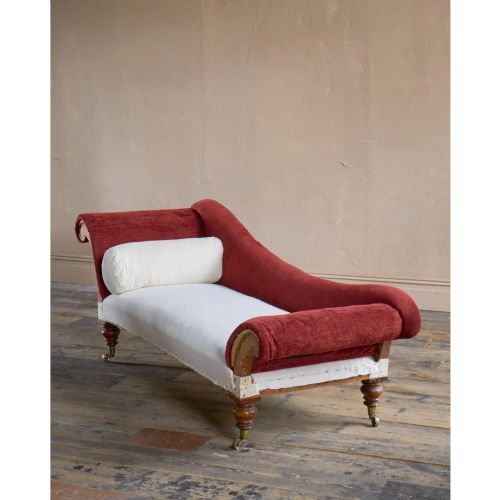
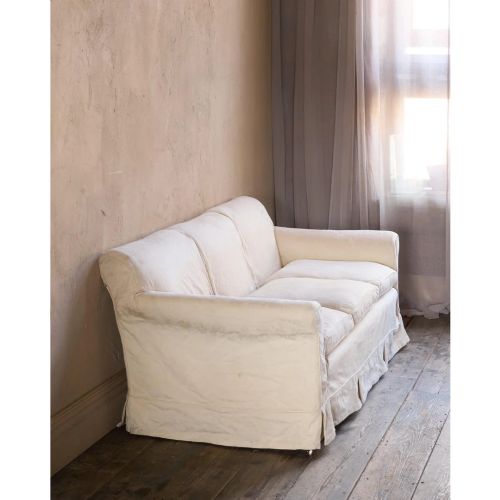
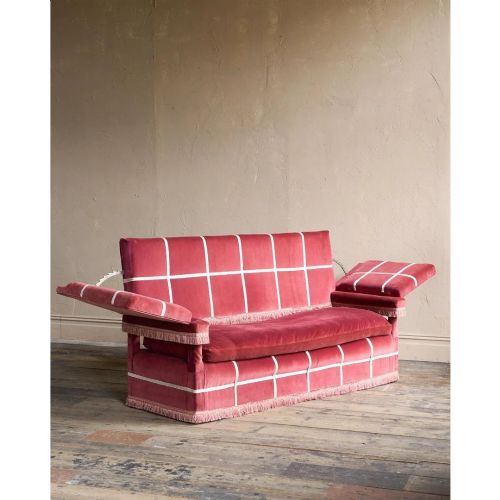
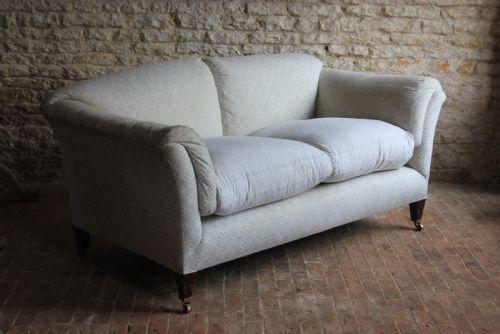
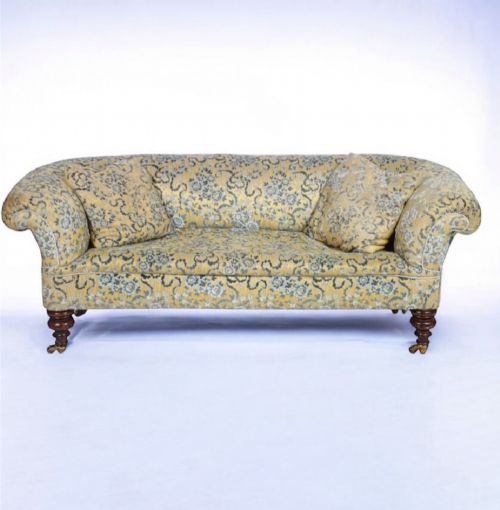
A traditional english couch encompasses large upholstered seating options, with Chesterfields, Knole sofas, and chaise longues appearing most frequently in the listings. These pieces span from the nineteenth century through the 1930s, incorporating Victorian, Edwardian, and Regency styles.
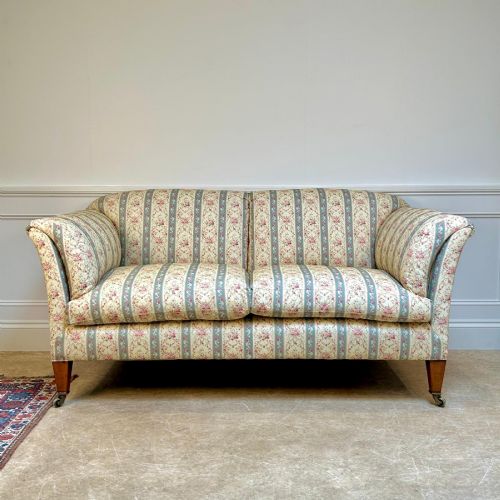
Buyers encounter country house sofas alongside drop-arm settees and daybeds. The selection relies heavily on deep-seated forms designed for sitting or reclining in domestic spaces.
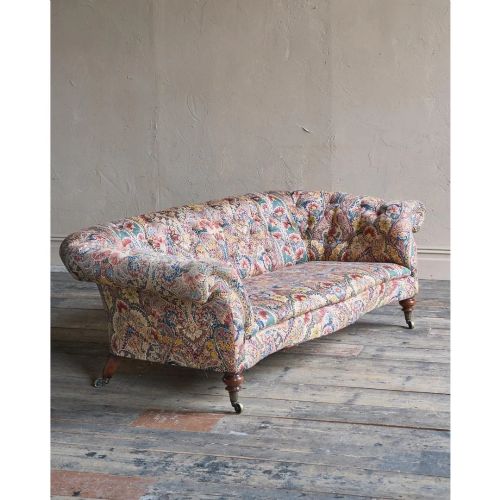
Origins trace back through English country houses, utilising traditional silhouettes like the camel back and the scroll arm. The inventory draws on established periods including the nineteenth century and the early twentieth century.
Materials and construction
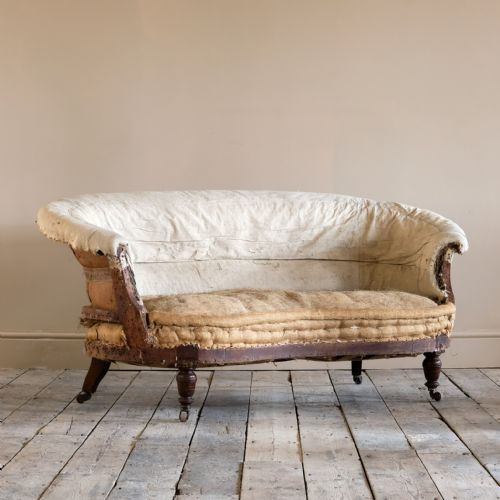
Frames rely on timber, mahogany, walnut, and rosewood, providing a sturdy internal structure for upholstered seating. Giltwood and brass details appear on select pieces from the nineteenth century.
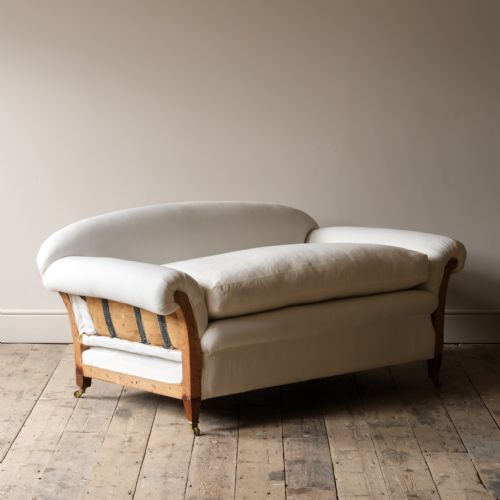
Traditional padding methods involve horsehair fillings alongside coil springing for support. Upholstery utilises calico, hessian, leather, and various textiles including velvet, damask, and patterned linen.
Horsehair gilling keeps nineteenth-century cushions springy, proving that Victorian horsehair had more ambition than most modern commuters.
Qualities that separate the range
The integrity of the internal wooden frame and the resilience of the coil springing dictate the primary standard of a piece. Hand-dyed leathers and higher-grade historic fabrics show different degrees of wear and patination.
The precision of the upholstery work, from the tufting to the webbing, distinguishes standard production from exceptional workshop output. Attribution to notable makers elevates the standing of a couch.
Howard and Sons·Hampton and Sons·Jas Shoolbred·Holland and Sons·Gillows
The Traditional English Couch Glossary
- Chesterfield
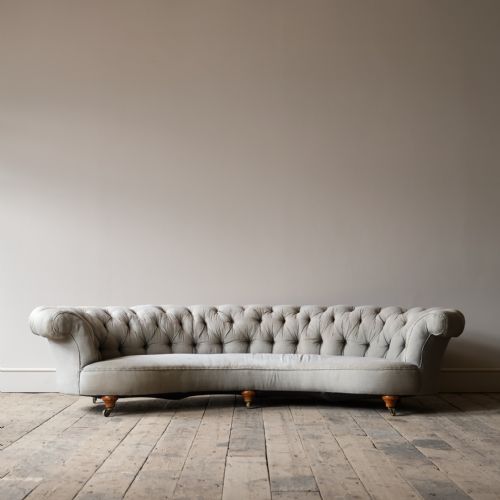
- A large upholstered sofa characterised by deep button tufting and low arms of the same height as the back.
- Knole sofa
- A historic seat style featuring hinged or adjustable high walls for arms, secured by vertical wooden posts and cords.
- Chaise longue
- An upholstered couch shaped like a chair with a long seat for reclining, originating in eighteenth-century France.
- Drop arm
- A mechanical sofa arm that lowers on a ratchet to create a daybed or extended sleeping surface.
- Calico
- A plain-woven unbleached textile frequently used as the primary under-upholstery layer on traditional seating.
Traditional English Couch: Frequently Asked Questions
What defines a traditional english couch?
A traditional english couch is defined by deep seating, generous proportions, and historic upholstery methods. These pieces draw on Victorian and Edwardian design traditions found in country houses.
Common forms include button-tufted Chesterfields, adjustable Knole sofas, and mahogany chaise longues. They utilise solid timber frames paired with traditional horsehair stuffing.
How do I identify a Victorian sofa?
Victorian sofas are identified by their nineteenth-century construction traits, heavy timber frames, and specific stylistic flourishes. Many incorporate walnut or mahogany alongside ornate carvings or simple turned legs.
Look for drop-arm mechanisms or deep Chesterfield tufting. These elements reflect the domestic comfort priorities of the period.
Are these couches comfortable for daily use?
These couches provide high levels of comfort due to their deep-seated proportions and coil-sprung upholstery. They were originally built for long periods of relaxation in country house settings.
Modern buyers often find the generous depth and supportive horsehair filling suited to everyday living rooms. Proper restoration maintains this structural integrity.
What is a Knole sofa?
A Knole sofa is a historic seating form distinguished by high, upright arms attached to the back by wooden posts and decorative braids. This design originates from Knole House in Kent.
Nineteenth and early twentieth-century interpretations maintain these movable sides. They are typically upholstered in rich fabrics like velvet or damask.
How should I care for leather upholstery?
Leather upholstery on these pieces requires gentle cleaning and conditioning to preserve the hand-dyed finish. Avoid placing furniture in direct sunlight to prevent drying.
Hand-dyed whiskey brown and red leathers develop a natural patina over decades. Regular dusting helps maintain the surface texture.