


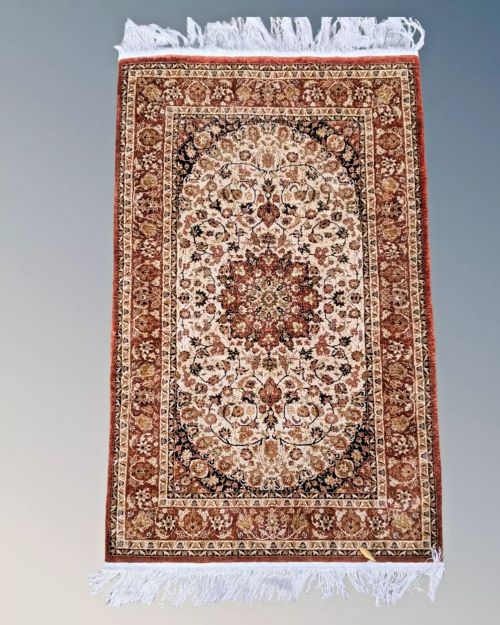
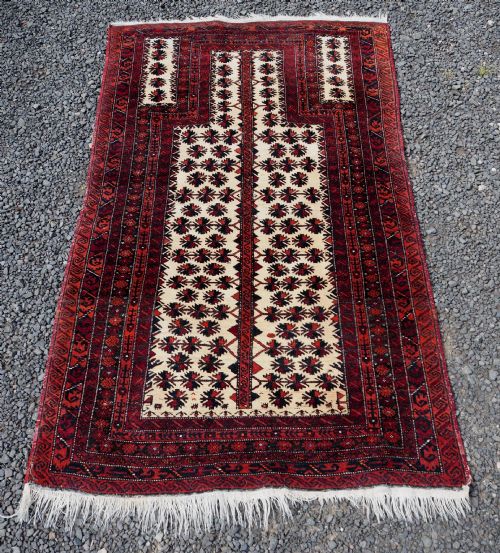
Cream Carpet
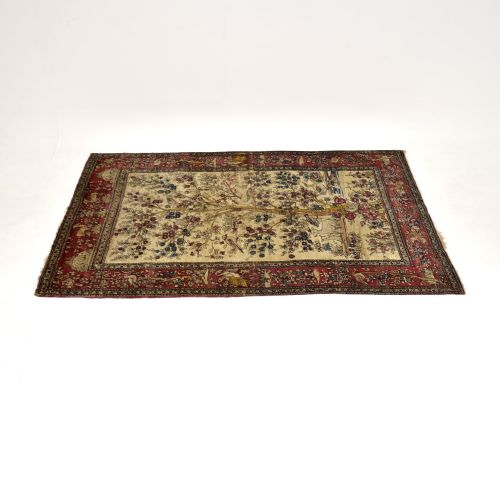
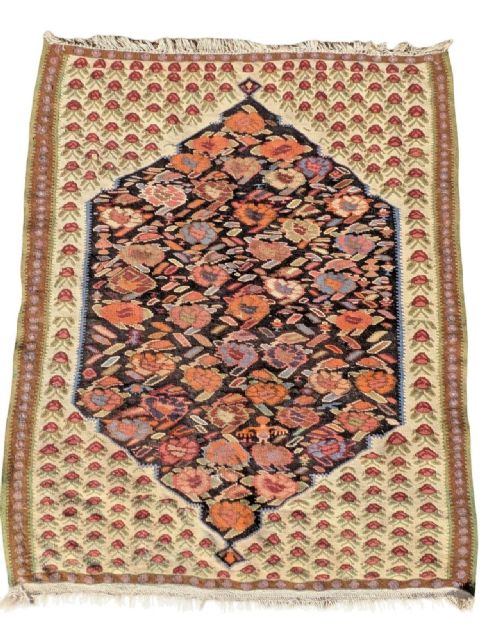
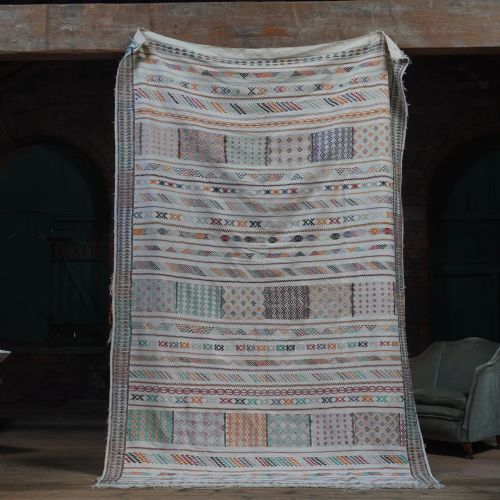
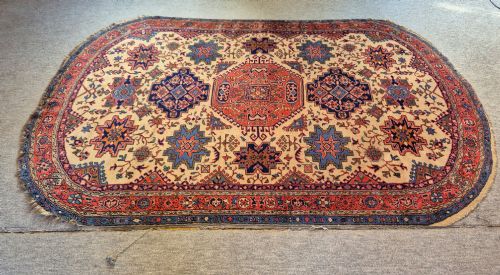
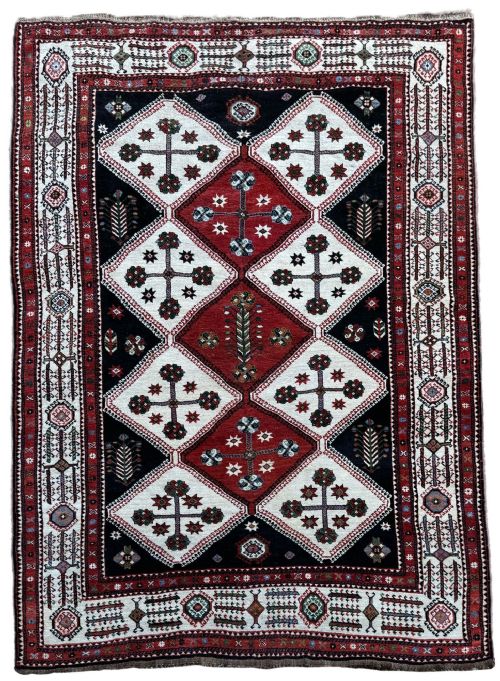
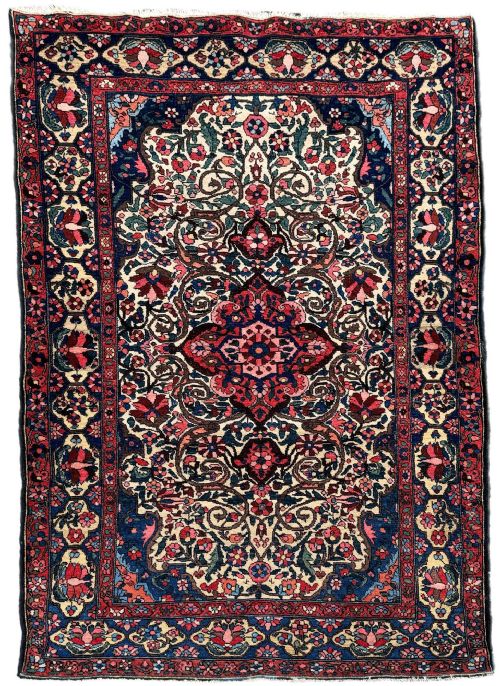
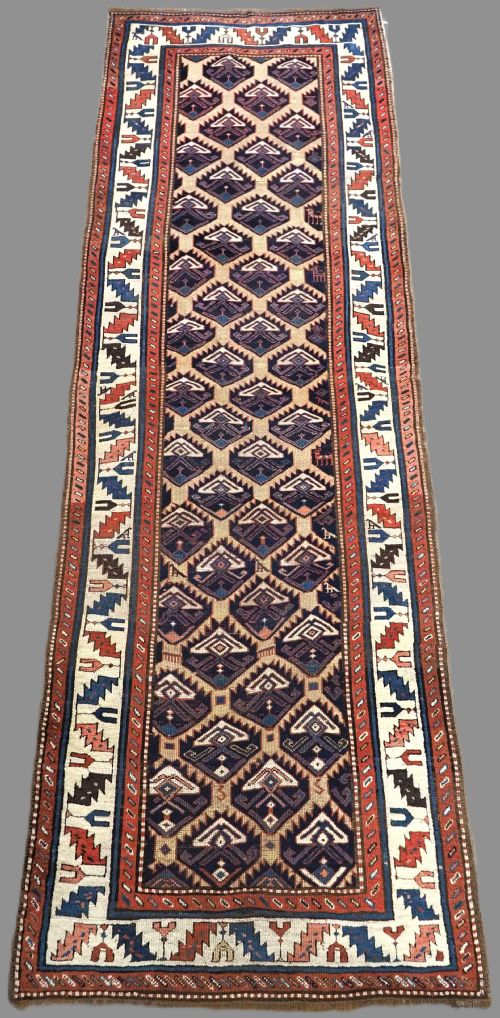
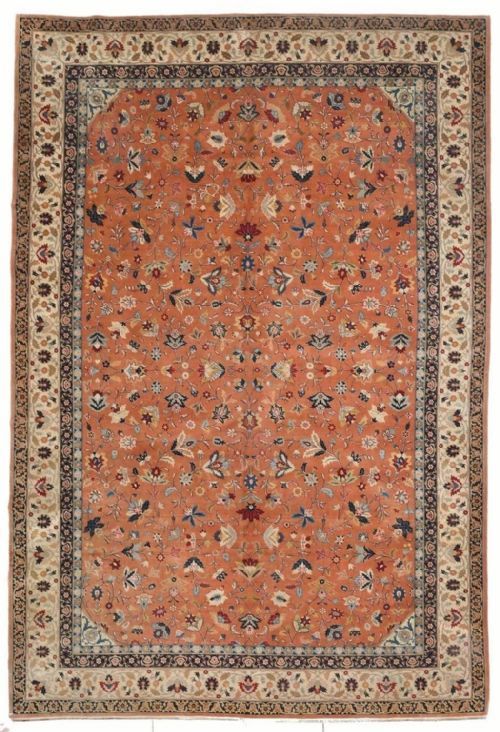
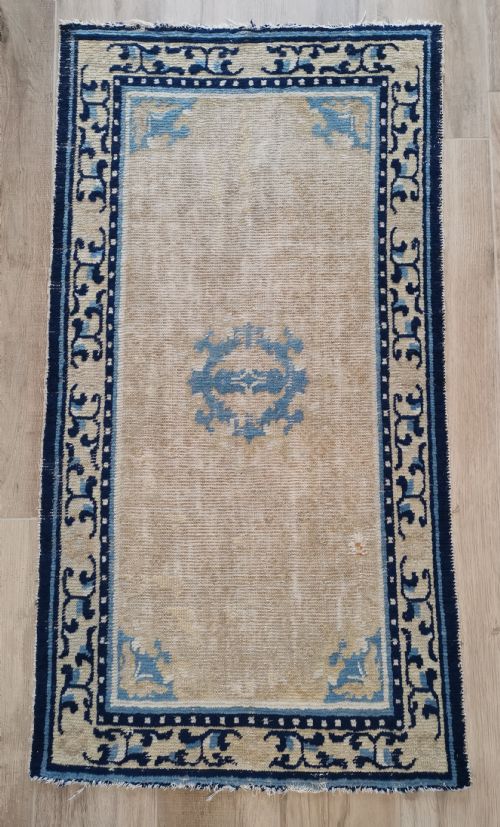
A cream antique carpet brings warm neutral tones and intricate regional weaving traditions into a room, offering durability and historical depth.
Cream Carpet
When searching for a cream antique carpet, buyers encounter hand-knotted floor coverings hailing predominantly from Persian, Caucasian, Turkish, and Turkmen weaving traditions. These textiles date from the mid-nineteenth century through the early twentieth century, spanning periods such as the 1880s, 1900s, and 1920s.
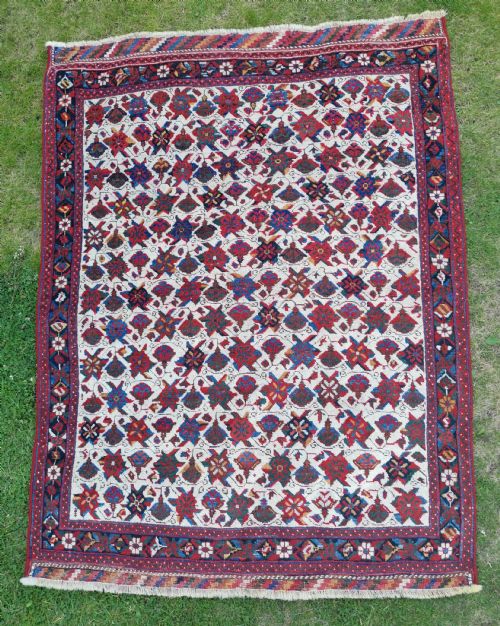
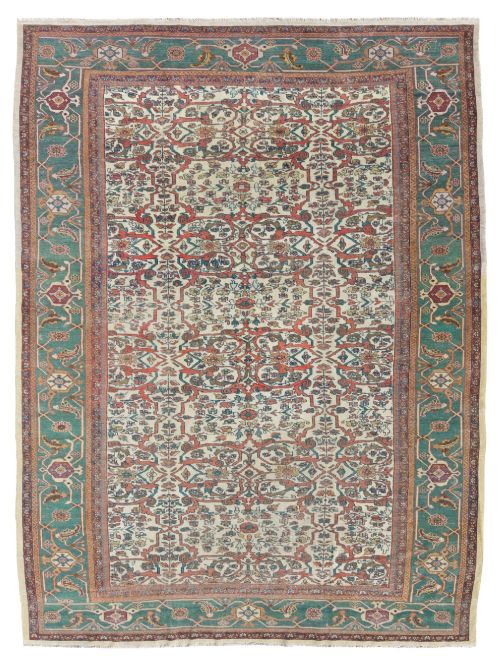
The selections on this page encompass various formats including room-size carpets, narrow hallway runners, prayer rugs, and small mats. Regional types like Tabriz, Kirman, Heriz, and Bakhtiar appear frequently alongside tribal pieces such as Kurdish, Afshar, and Baluchi rugs.
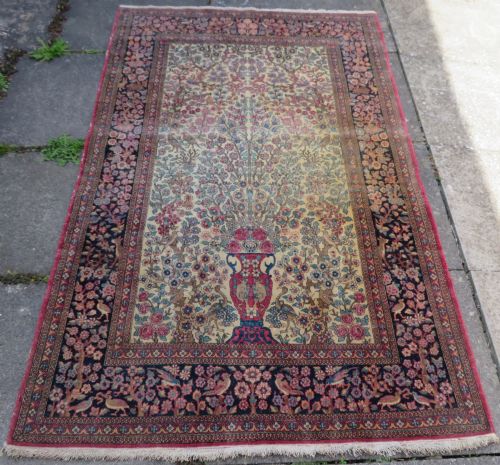
Lighter neutral grounds, including ivory and cream, dominate these specific examples, allowing intricate floral, medallion, and geometric motifs to stand out clearly. Buyers find both room-sized centerpieces and smaller accent pieces suited to diverse architectural spaces.
What varies in quality
Knot density and structural tightness dictate the crispness of the pattern and the overall longevity of the carpet under foot traffic. Finer town carpets often display high knot counts and delicate pictorial elements, whereas tribal rugs rely on bolder, more expressive geometric designs.
The condition of the wool pile and the structural integrity of the cotton or wool foundation determine the durability and preservation state of each piece. Surviving examples with even wear and intact borders represent the higher end of the range.
Tree of life designs on these rugs often allowed nomadic weavers to practice complex botanical artistry while miles away from any trees.
The Cream Carpet Glossary
- Pile
- The upright loops or cut ends of yarn that form the soft surface of the carpet. This layer bears the direct friction of footsteps.
- Foundation
- The underlying grid of warp and weft threads that supports the knotted pile. Cotton and wool serve as the primary structural materials.
- Warp
- The vertical foundation threads running parallel from one end of the loom to the other. Fringe typically forms from these extended threads.
- Weft
- The horizontal threads passed alternately over and under warp threads to lock the knots in place. Multiple weft shots add structural stability.
- Selvage
- The reinforced side finish of a carpet that prevents the edges from fraying. Artisans wrap these outer warp threads tightly with coloured yarn.
Cream Carpet: Frequently Asked Questions
How do I clean an antique carpet?
Professional specialist cleaning is essential for antique textiles to protect natural dye stability and fragile wool fibres. Routine maintenance involves gentle suction vacuuming without a beater bar.
Avoiding excessive moisture and direct sunlight prevents fibre degradation and colour fading over decades of domestic use.
Can I place these carpets in high traffic areas?
Many sturdy room-size carpets and runners tolerate normal hallway or living room use when paired with a quality rug underpad. Dense wool construction provides natural resilience against everyday friction.
Finer silk-accented pieces or fragile prayer rugs suit quieter spaces like bedrooms or low-traffic studies to preserve their delicate structures.
How do I identify the regional origin?
Specific knotting techniques, characteristic colour palettes, and distinct border motifs point directly to particular weaving centres like Tabriz, Kirman, or Heriz. Tribal pieces often feature asymmetrical geometry and earthy tones unique to specific nomadic groups.
Comparing structural details on the reverse side clarifies whether a piece originated from a major workshop or a provincial village.
What causes the colour variations in the wool?
Natural dye batches varied according to seasonal plant harvests and mineral water compositions used during the traditional dyeing process. This phenomenon, known as abrash, creates subtle horizontal tonal shifts across the field.
Time and exposure to light further mellow the wool colours, imparting a soft, harmonious patina unique to antique textiles.