




Craft Storage Drawers
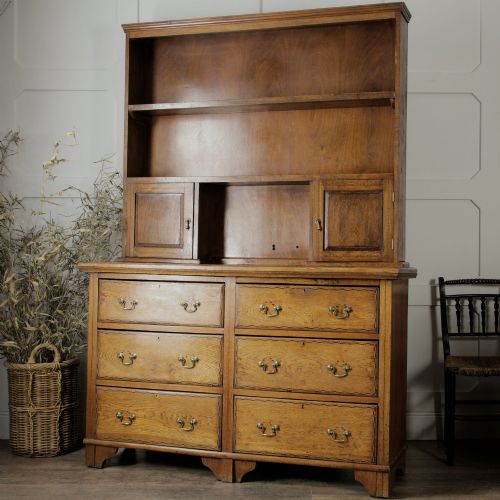
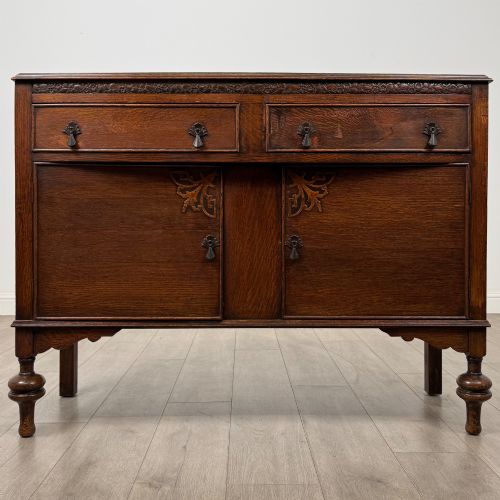
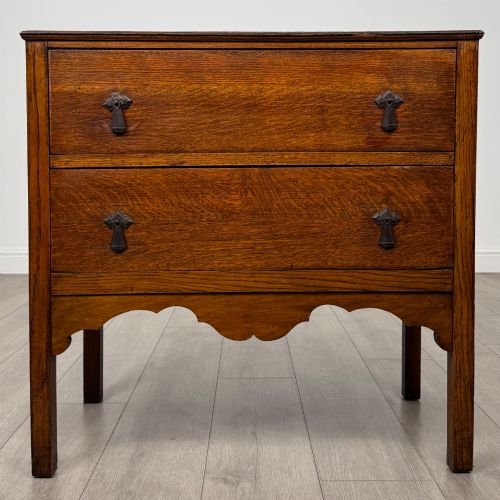
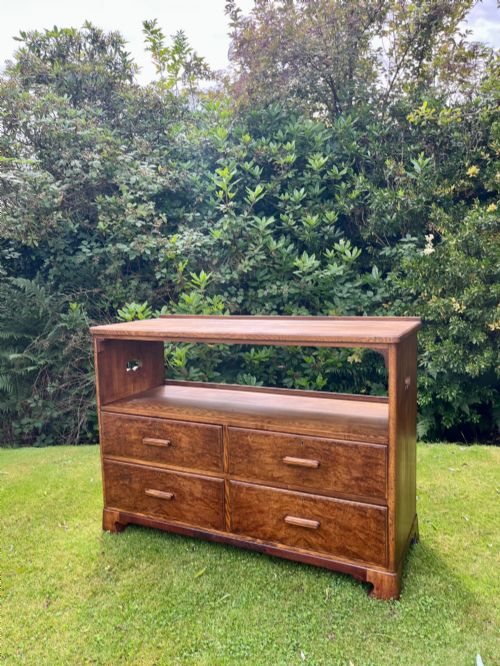
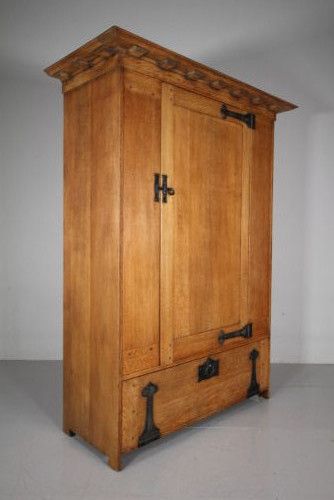
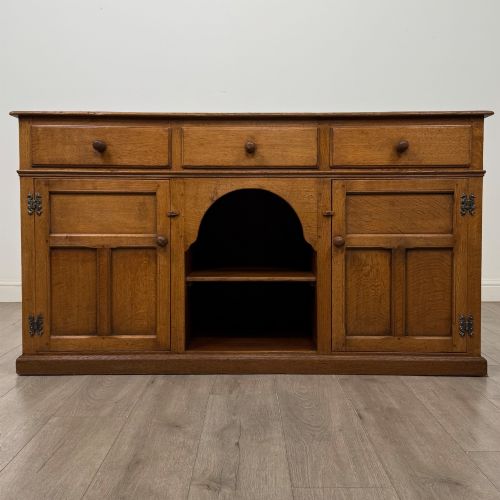
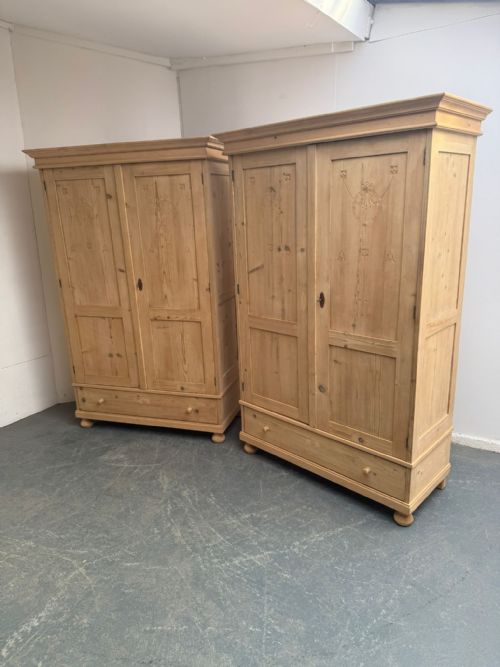
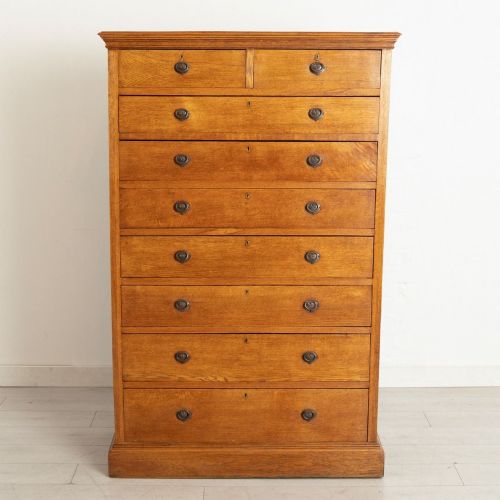
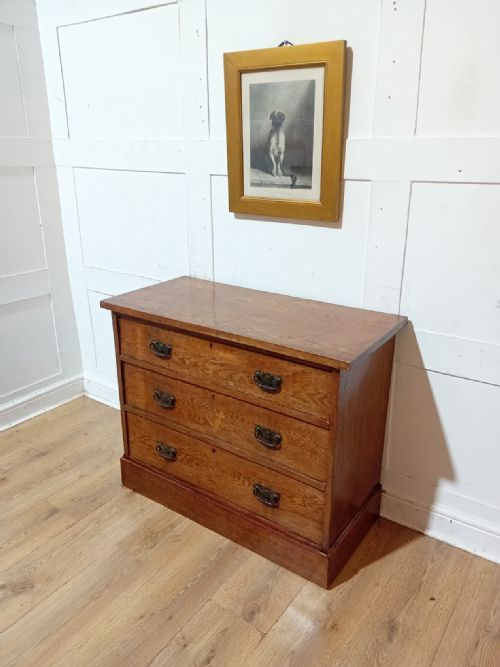
These craft storage drawers span the Victorian, Edwardian and early twentieth century periods, offering robust multi-drawer utility for sorting materials.
Craft Storage Drawers
When buyers search for craft storage drawers, they encounter multi-drawer utilitarian forms originating from the nineteenth and early twentieth centuries. The selection includes chest of drawers, collectors chests, music cabinets, and haberdashery shop displays spanning Victorian, Edwardian, and Art Deco periods.
The Arts and Crafts movement heavily influences the aesthetic of these pieces, alongside English Country, Jacobean Revival, and Mid-Century Modern details. Oak, pine, and mahogany appear frequently across the various drawer units and cabinets.
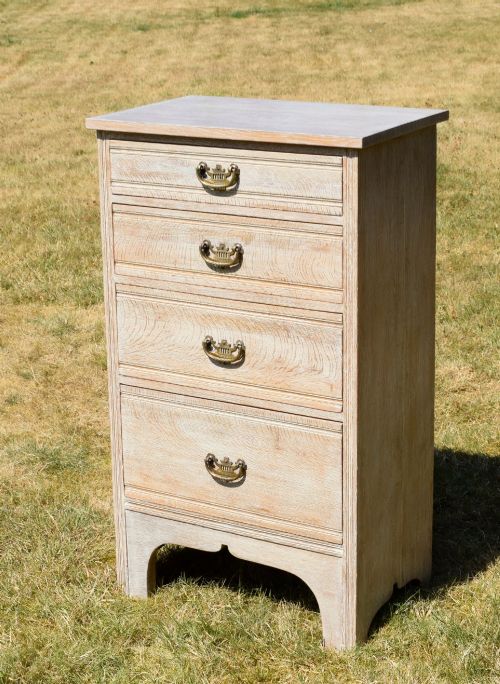
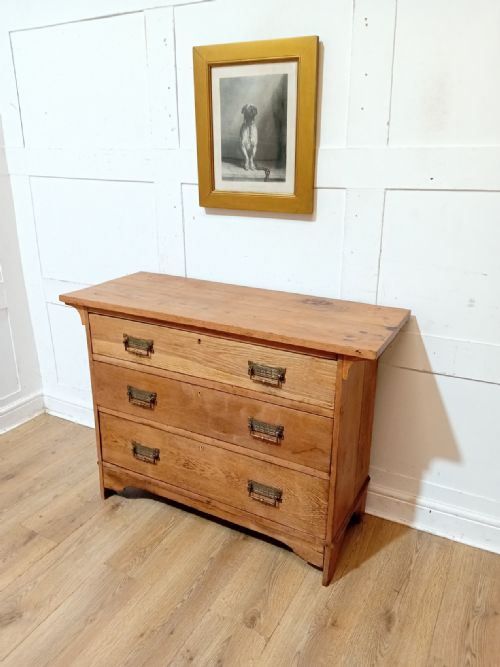
Buyers are most likely to meet solid oak and pine chests featuring multiple tiers of drawers, often constructed during the late nineteenth or early twentieth century. These practical storage items serve well for organising small items, sewing supplies, and workshop materials.
Evaluating Quality
The choice of timber dictates much of the standard, with solid oak, yew wood, and satinwood pieces representing the higher tier compared to standard pine. Grain selection and the presence of thoughtful carving or clean lines separate utilitarian workshop items from fine cabinet-maker output.
Makers and retail houses of note, such as Heals, Harris Lebus, Whytock and Reid, and Peter Waals, distinguish the upper echelon of these storage items. Stamped signatures and documented provenance elevate certain cabinets above standard commercial output.
Listings feature solid oak, pine, and mahogany across Victorian, Edwardian, and 1930s periods.
HARRIS LEBUS of TOTTENHAM·Whytock and Reid·Heals·PETER WAALS
The Craft Storage Drawers Glossary
- Collector's chest
- A small-drawer cabinet originally utilised for storing specimens, coins, or small objects. These feature multiple shallow drawers suited for sorting.
- Haberdashery cabinet
- A shop display unit with multiple drawers or glass fronts designed for organising small dry goods. These pieces translate well into modern craft storage.
- Arts and Crafts
- A design movement spanning the late nineteenth and early twentieth centuries emphasising honest construction and visible craftsmanship. Oak is the primary timber associated with this style.
- Limed oak
- A wood finishing technique that fills the grain with a whitish pigment to create a pale, pickled appearance. This finish appears frequently on Edwardian oak furniture.
- Music cabinet
- A specialised tall cabinet containing internal shelves or drawers intended for sheet music. Today these serve effectively for paper and flat craft supplies.
Craft Storage Drawers: Frequently Asked Questions
What were craft storage drawers originally used for?
These cabinets served various domestic and commercial purposes including sewing, music filing, shop display, and general collecting. Many items were built as collectors chests or haberdashery units.
Over time, owners repurposed these multi-drawer pieces for sorting craft supplies, buttons, and threads due to the shallow drawer configurations.
How do I identify an Arts and Crafts piece?
Arts and Crafts furniture typically displays solid timber construction in oak, ash, or pine with minimal superfluous ornamentation. Look for honest joinery and a focus on utility.
Many examples from this movement date from the late nineteenth century up through the nineteen-twenties, occasionally bearing maker stamps.
Are these drawers suitable for modern craft materials?
The multiple shallow drawers found in music cabinets and collectors chests accommodate modern beads, threads, and paper supplies. The sturdy wooden construction handles regular daily use.
Buyers often select these vintage pieces over modern alternatives for their durability and character.
How do I care for antique wood storage?
Maintain the timber surfaces by applying bees-wax periodically to nourish the dry wood. Avoid placing cabinets in direct sunlight or near heat sources to prevent warping.
Clean surfaces gently with a dry or slightly damp cloth without harsh chemical polishes.