


Craft Pottery Vase
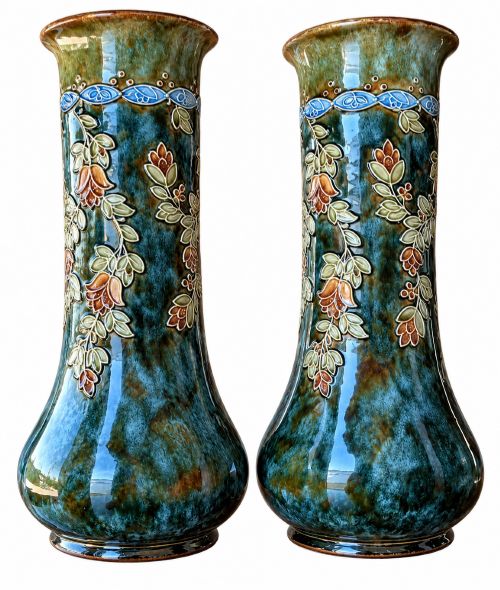
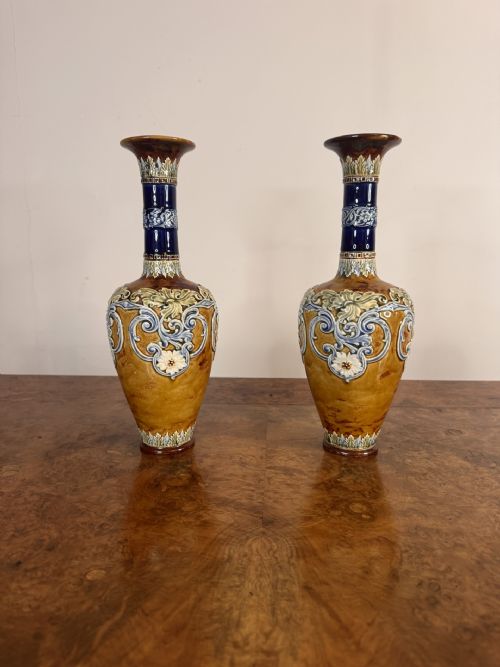
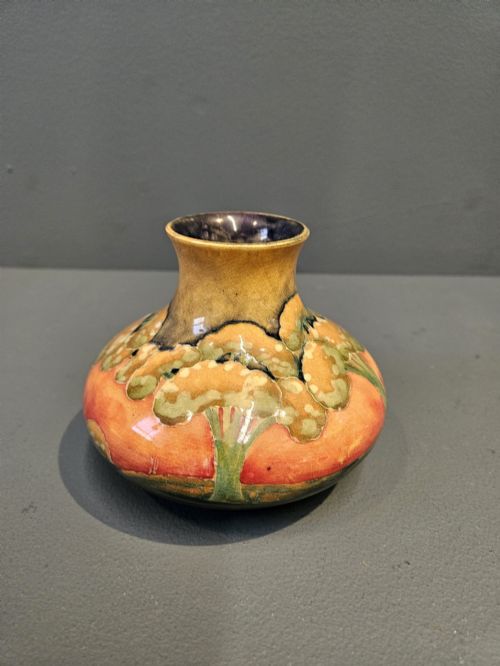
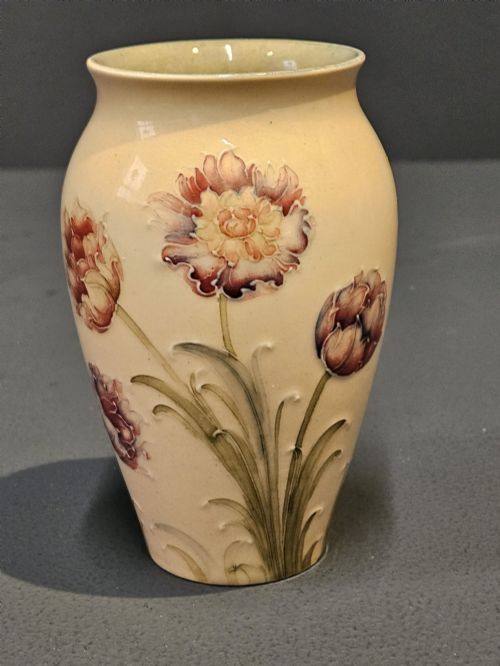
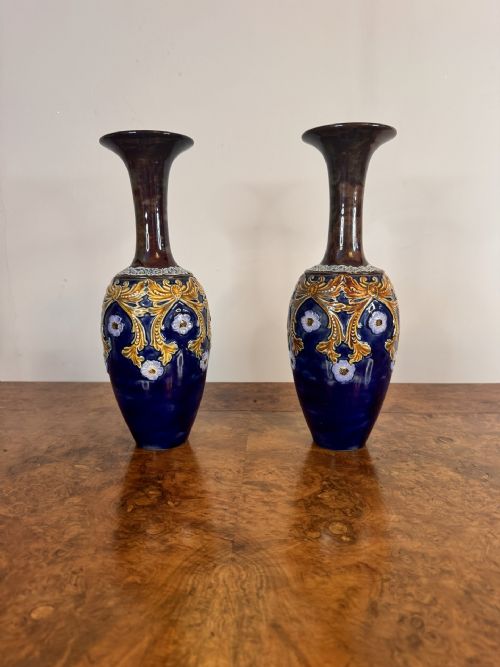
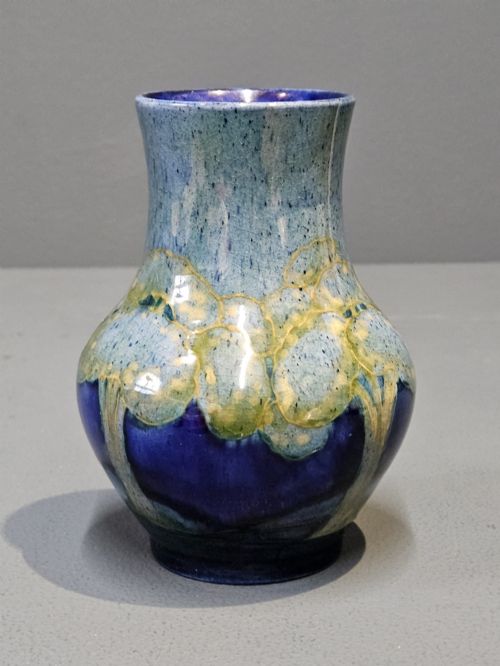
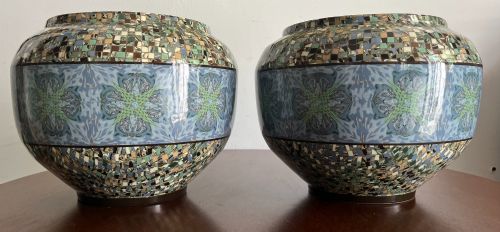
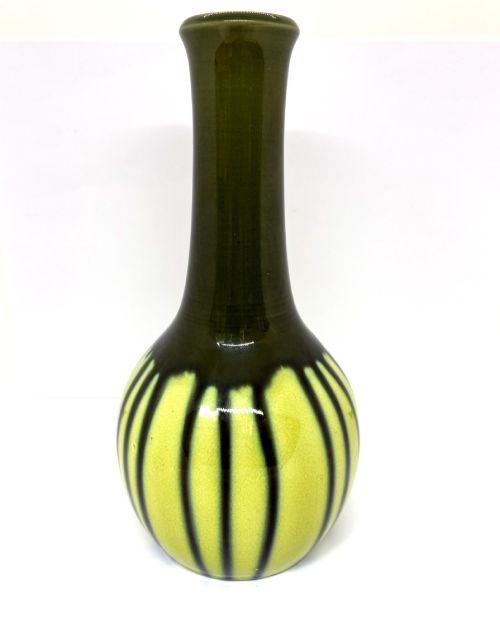
A craft pottery vase brings handcrafted texture and rich glaze work into a room, spanning the Arts and Crafts and Art Nouveau periods.
Craft Pottery Vase
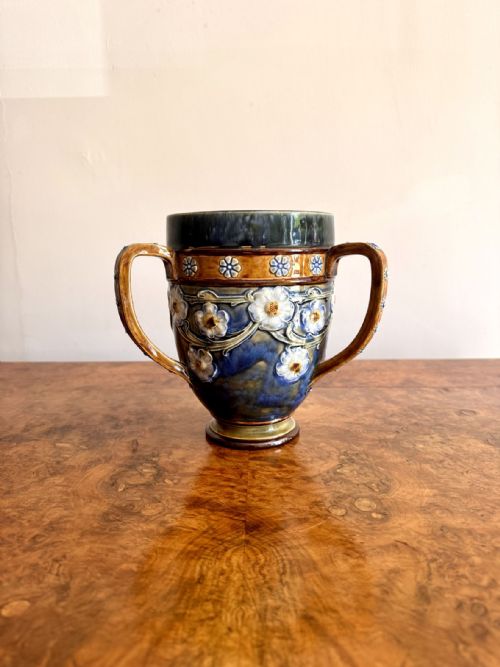
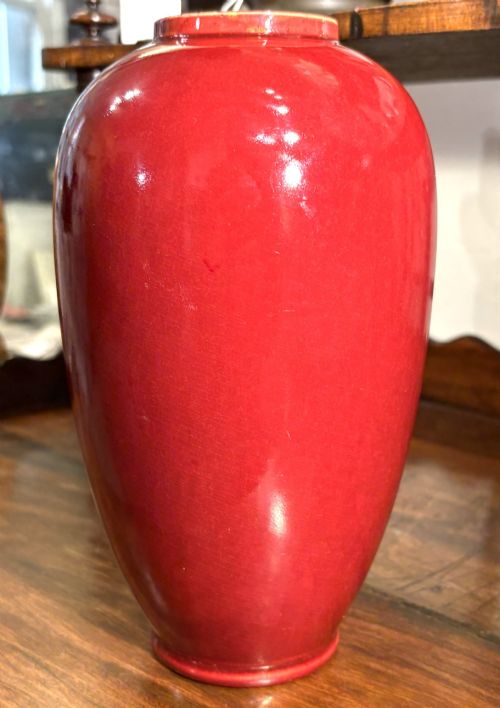
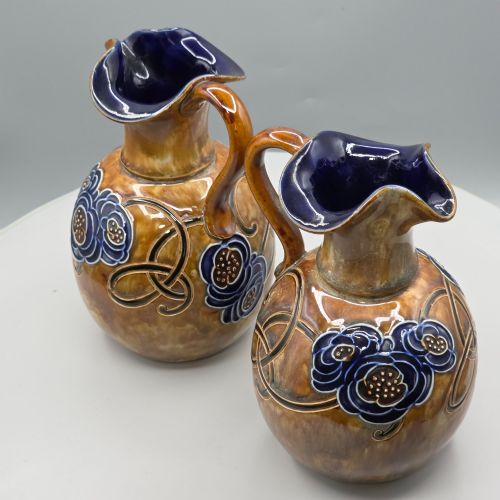
A craft pottery vase represents individual ceramic expression from the late Victorian, Edwardian, and early twentieth-century periods. These vessels encompass utilitarian forms transformed into decorative objects, including standard vases, baluster shapes, ewers, and wall pockets.
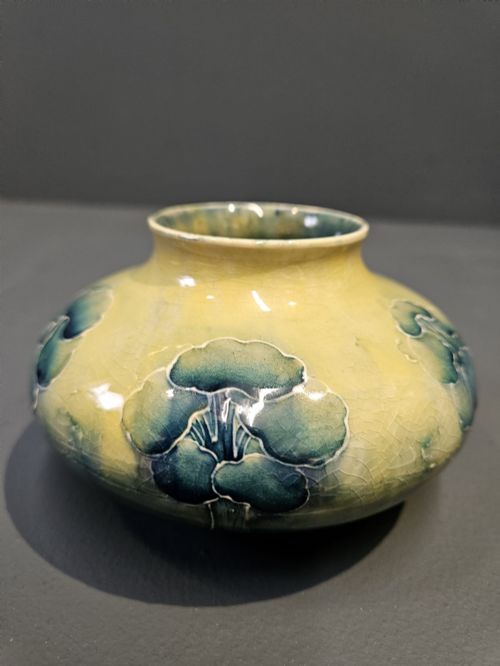
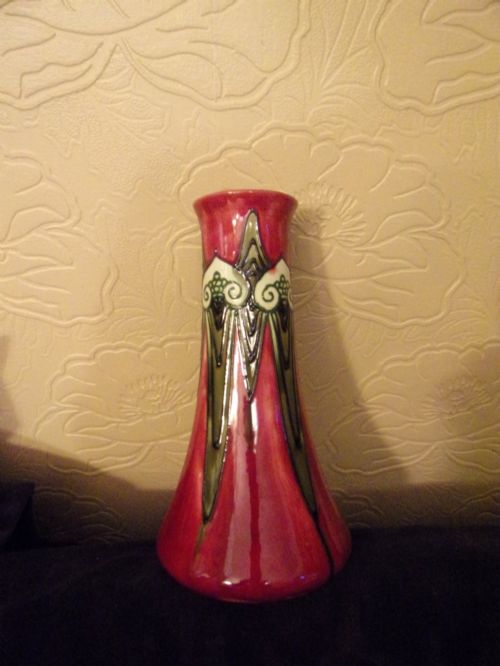
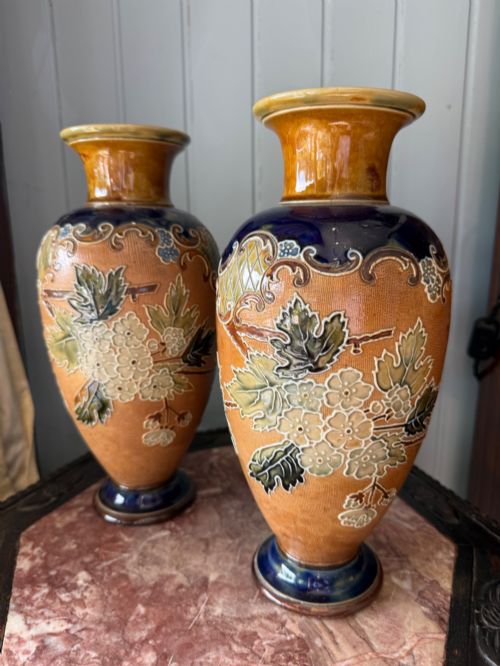
The selections available on this page run from Victorian Doulton Lambeth stoneware through to Moorcroft and Minton Secessionist productions. Buyers encounter everything from simple earthenware jugs to elaborate tube-lined designs made for Liberty and Company.
Origins span British potteries, featuring pieces originating from London studios, West Country kilns in Barnstaple, and northern works. Each maker contributes distinct regional methods to the wider ceramic movement.
How they were made
Makers utilised earthenware, stoneware, and ceramic bodies, shaping them on the potter's wheel or casting them in moulds before applying decorative surface treatments. Earthenware provided a porous, absorbent base for bright surface painting, whilst stoneware offered a dense, vitrified body suited to incised ornamentation and salt glazing.
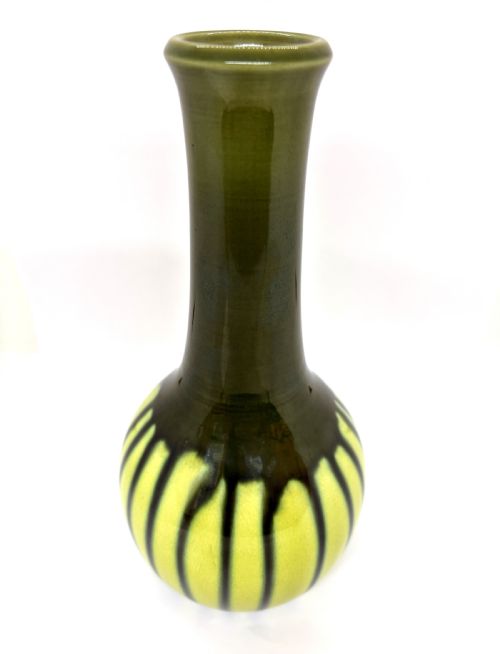
Glazes define the surface finish, ranging from celadon and flamminian formulae to tube-lined pigment applications that contained coloured slips within raised clay outlines. Techniques such as Slaters Patent utilised lace impressions pressed into damp clay to create textured backgrounds beneath enamel floral decor.
Craft Pottery Vase Retail Price Guide 2026
Typical asking prices for craft pottery vase among the pieces listed under this phrase on Sellingantiques today, from the lower quarter to the upper quarter. They describe what is for sale here now, not the wider market.
Listings span the Victorian, Edwardian, and Art Deco periods, encompassing earthenware, stoneware, and ceramic glaze materials.
What varies in quality
The distinction between standard commercial output and superior studio work lies in the execution of the surface design and the depth of the glaze. Hand-thrown bodies with individually incised or painted decoration by named artists demonstrate a higher level of individual craftsmanship than plain moulded items.
The clarity and registration of tube-lined patterns, alongside the richness of the fired glaze finish, separate average pieces from exceptional examples. Works produced by designated artists or associated with specific retail houses display greater refinement in overall composition.
Royal Doulton·Burmantofts Pottery·William Moorcroft·Sir Edmund Harry Elton·Minton Secessionist·Brannam Art Pottery
The Craft Pottery Vase Glossary
- Stoneware
- A heavy, dense ceramic fired at high temperatures until vitrified and impervious to liquids. It forms the durable body for many late nineteenth-century vessels.
- Earthenware
- Porous pottery fired at lower temperatures, requiring a vitreous glaze to hold liquids. It provides the smooth canvas for painted Victorian and Edwardian patterns.
- Tube-lining
- A decorative technique where liquid clay slip is squeezed through a nozzle onto the vessel surface to form raised outlines. The resulting cells are then filled with coloured glazes.
- Faience
- Tin-glazed earthenware or painted pottery produced in imitation of Italian majolica. It serves as the primary ground for many decorative Victorian wall pieces and vases.
- Baluster
- A vertical architectural form featuring a rounded lower body tapering to a narrow neck. This silhouette appears frequently among larger studio and stoneware pieces.
Craft Pottery Vase: Frequently Asked Questions
What is a craft pottery vase?
A craft pottery vase is a decorative ceramic vessel produced during the late nineteenth and early twentieth centuries by notable potteries and independent artists. These pieces reflect movements such as Arts and Crafts and Art Nouveau through distinctive hand-applied glazes and surface patterns.
They serve primarily as decorative mantel or table objects rather than functional flower holders, displaying the personal touch of individual makers and commercial studio designers.
What does tube-lined mean?
Tube-lining is a ceramic decorating technique where liquid clay is piped through a fine nozzle onto the unfired body to create raised outlines. These enclosed compartments are subsequently filled with coloured glazes before firing, giving the design a stained-glass effect.
This method is particularly characteristic of Secessionist and Arts and Crafts ceramics, creating a tactile surface where the pattern stands proud of the background.
How should I display antique art pottery?
Display antique art pottery in stable environments away from direct sunlight and sudden temperature shifts to protect the integrity of the glazes and earthenware bodies. Placing pieces on secure flat surfaces allows the varied silhouettes and hand-painted details to be viewed safely from multiple angles.
Avoid filling older porous earthenware vessels with water, as internal moisture can occasionally affect fragile historic bodies and historical glaze surfaces over time.