




Court Scene Porcelain Vase
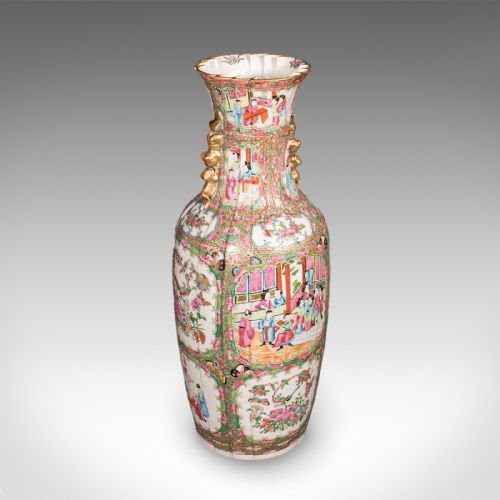
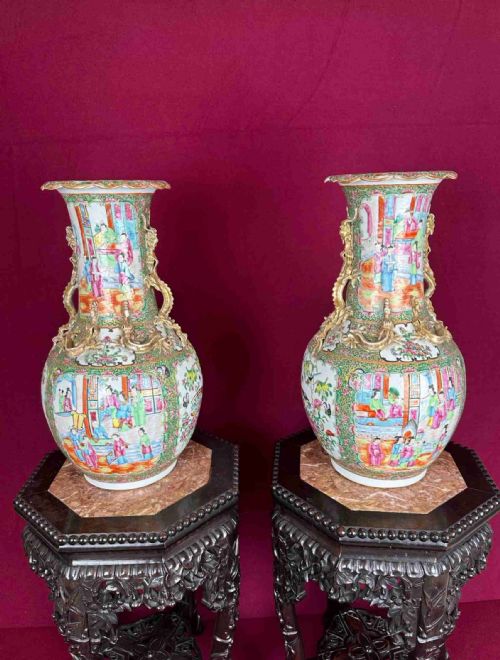
A court scene porcelain vase brings vibrant palace narratives and rich enamel palettes directly into a room.
Court Scene Porcelain Vase
When you search for a court scene porcelain vase, you are looking at elaborate ceramic vessels decorated with figures in traditional settings. These pieces primarily date from the nineteenth century, including Victorian interpretations and Qing Dynasty periods.
The versions most commonly met on this page are Chinese Canton and Rose Medallion vases, alongside Japanese Satsuma and European pieces. They range from tall centrepieces and lidded urns to monumental floor vases.
Makers and artists utilised distinct regional aesthetics, applying narrative vignettes depicting gatherings, officials, and attendants. Collectors encounter both blue and white underglaze traditions and polychrome enamels.
How they were made
Potters shaped ceramic bodies from porcelain and earthenware, preparing surfaces to receive complex painted designs. Artisans then applied cobalt blue underglaze or rich enamel palettes by hand.
Gold leaf and gold gilt accents highlight borders and figures, adding considerable brilliance to the finished surface. Firing techniques sealed these pigments beneath a clear glaze for lasting preservation.
Court Scene Porcelain Vase Retail Price Guide 2026
Typical asking prices for court scene porcelain vase among the pieces listed under this phrase on Sellingantiques today, from the lower quarter to the upper quarter. They describe what is for sale here now, not the wider market.
Court figures peering from miniature porcelain windows observe contemporary living rooms with unwavering painted poise.
What varies in quality
The precision and detail of the hand-painted figures dictate the upper tier of the range, where facial expressions and costume patterns receive meticulous attention. Lesser examples display repetitive strokes and simplified motifs.
The application of gold leaf and the vibrancy of the enamel colours separate exceptional specimens from standard production wares. The weight, balance, and potting standard of the porcelain body further define the hierarchy.
Augustas Rex
The Court Scene Porcelain Vase Glossary
- Famille rose
- A palette of opaque pink and red enamel colours introduced to Chinese ceramics during the Qing Dynasty. This colourful style permits remarkably detailed depictions of court figures and floral borders.
- Canton vase
- A vessel produced in the region of Guangzhou, typically featuring crowded panels of court figures and birds. These pieces frequently incorporate rich gilding and vibrant rose medallions.
- Underglaze
- Pigment applied to the ceramic body before the application of a clear glaze and final firing. Cobalt blue is the most common agent used in this durable technique.
- Satsuma
- Earthenware pottery originating from Japan, characterised by a crackled ivory glaze and elaborate polychrome decoration. Artisans often enhanced these surfaces with raised gold details.
- Gilt
- A thin layer of gold applied to the porcelain surface to accentuate rims, handles, and pictorial borders. This decorative addition catches ambient light and elevates the piece's visual weight.
Court Scene Porcelain Vase: Frequently Asked Questions
How were these vases used historically?
Historically, these vases functioned as decorative elements within elite interiors, often displayed in pairs on mantelpieces or tables. They demonstrated wealth and a taste for exotic ornamentation.
While occasionally holding floral arrangements, their primary purpose was visual display. The narrative scenes painted upon them offered viewers stories and cultural motifs to contemplate.
How do I style a court scene vase at home?
Styling a court scene vase involves placing it where its rich colours and intricate details can be appreciated without visual competition. A neutral background allows the detailed enamel panels and gilt highlights to stand out.
Pairing matching vases on either side of a fireplace or cabinet creates symmetry. Ensuring adequate lighting enhances the gold leaf and the fine brushwork of the painted figures.
How can I tell nineteenth-century vases apart?
Distinguishing nineteenth-century vases involves examining the potting style, the composition of the enamels, and the specific decorative motifs used. Chinese Canton and Rose Medallion pieces feature dense panels of figures, whereas Japanese Satsuma relies on crackled glazes.
Victorian European interpretations often mimic these Asian aesthetics while utilising local porcelain bodies and forms like Rococo Revival urns. Comparing the weight and the application of gold gilt provides further clues to origin.