
Country Style Wooden Chairs
Country style wooden chairs bring honest joinery and regional character to a room, offering enduring seating built from solid timber.
Country Style Wooden Chairs
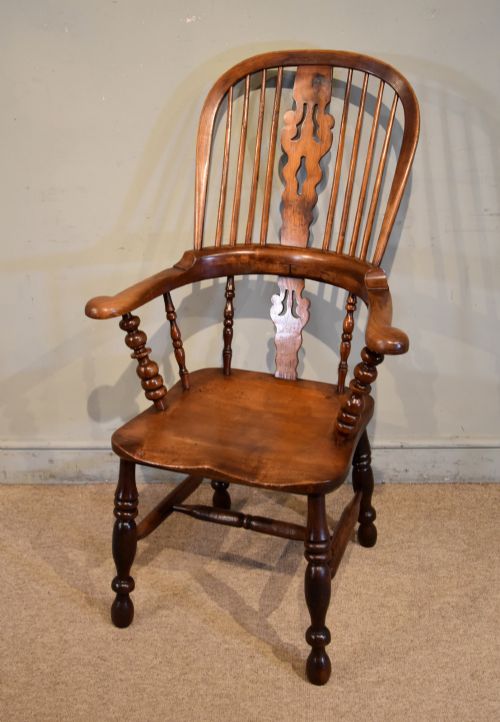
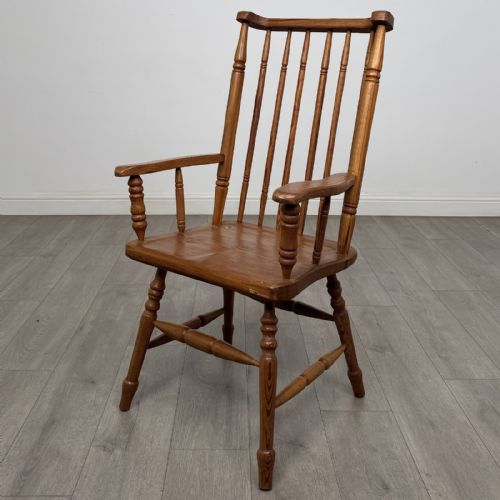
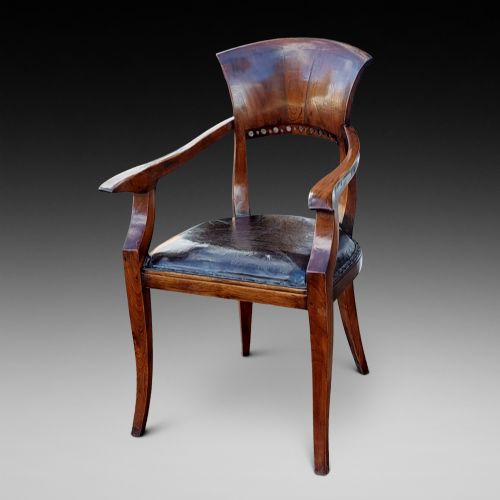
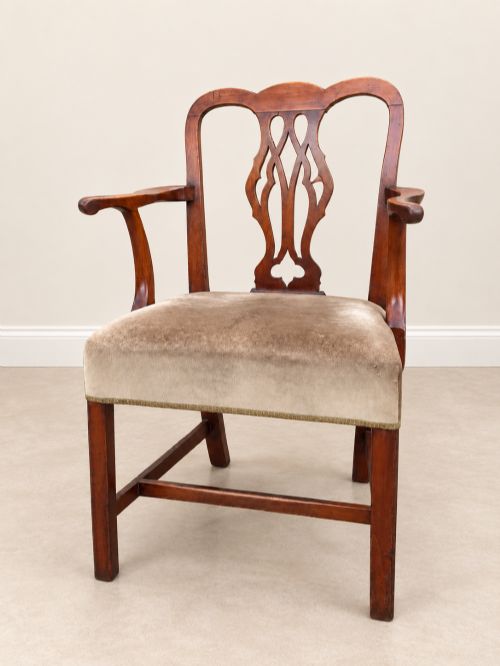
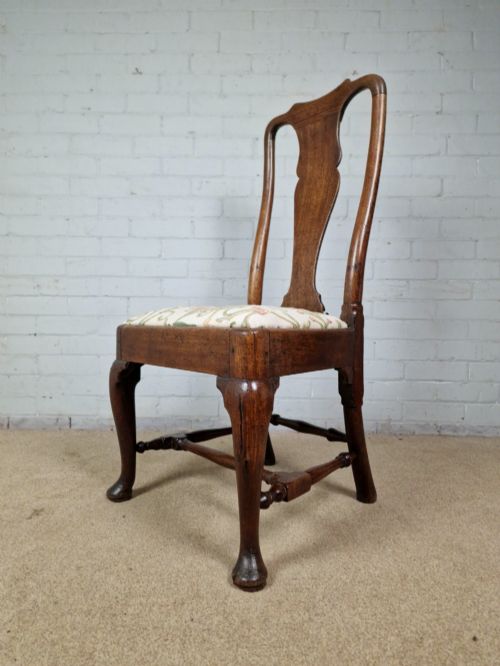
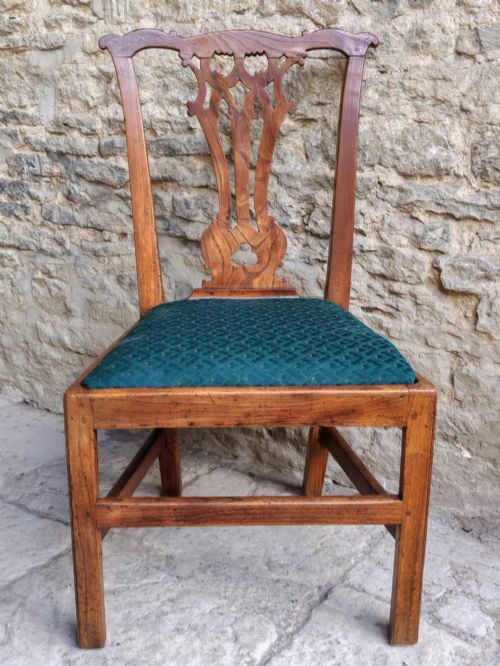
Country style wooden chairs encompass robust seating forms designed for everyday utility, spanning dining chairs, armchairs, carvers, and highchairs. When exploring this selection, buyers frequently encounter 18th-century and 19th-century examples shaped by vernacular traditions and regional cabinet-making practices.
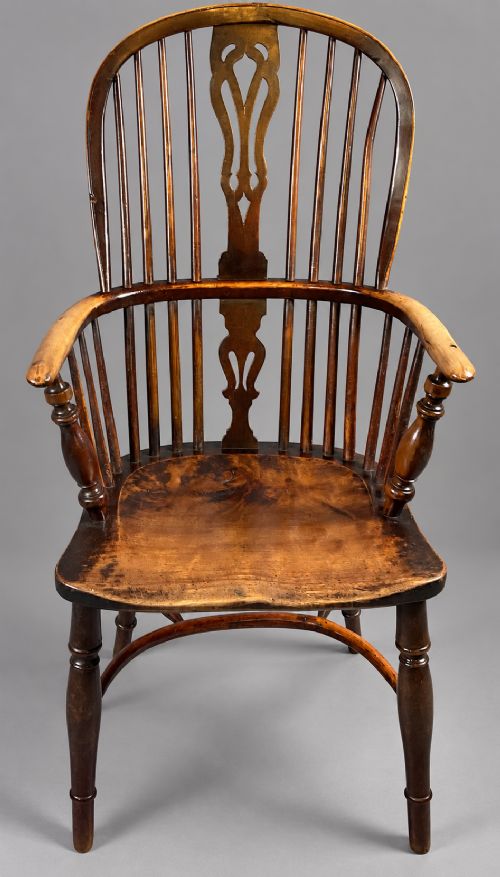
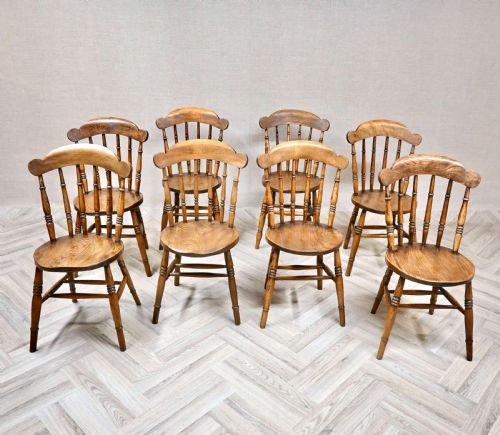
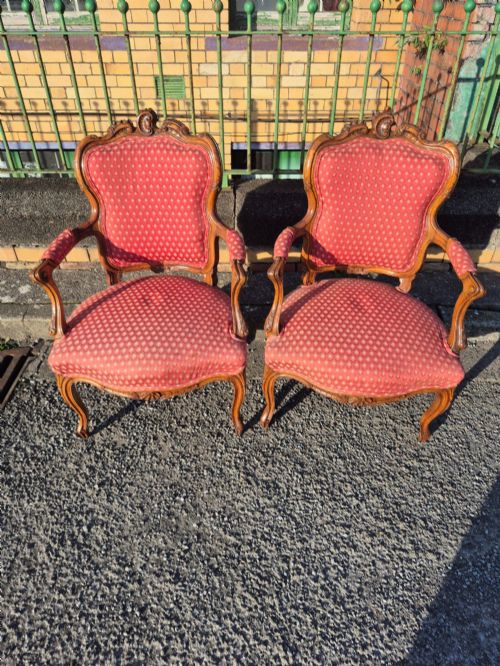
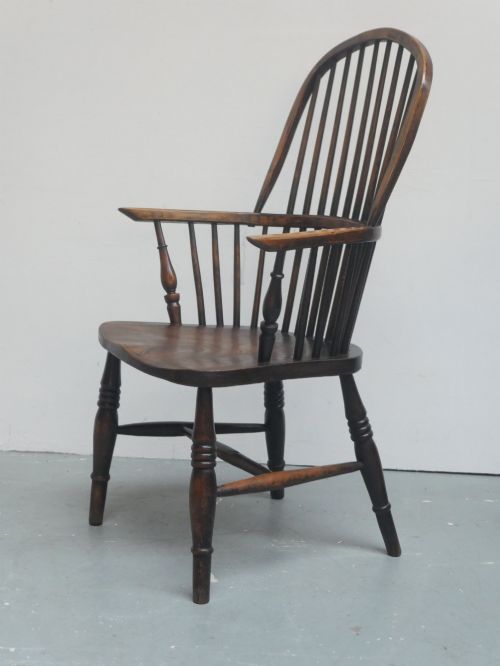
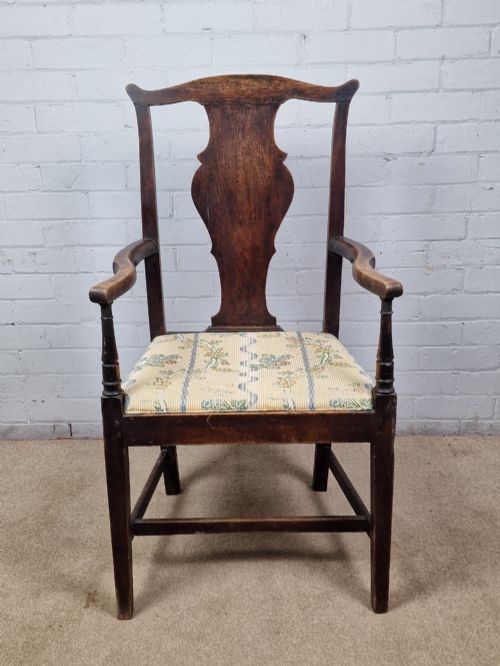
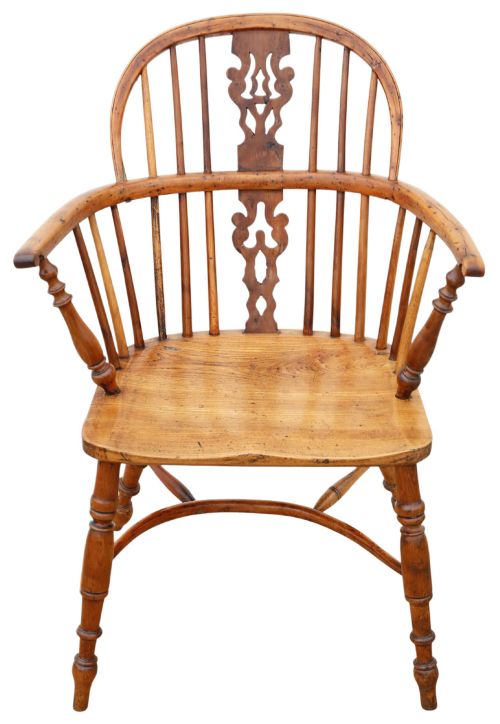
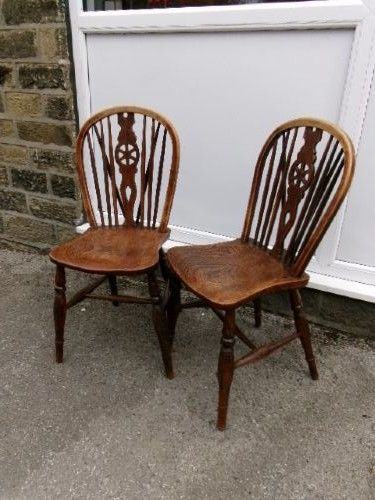
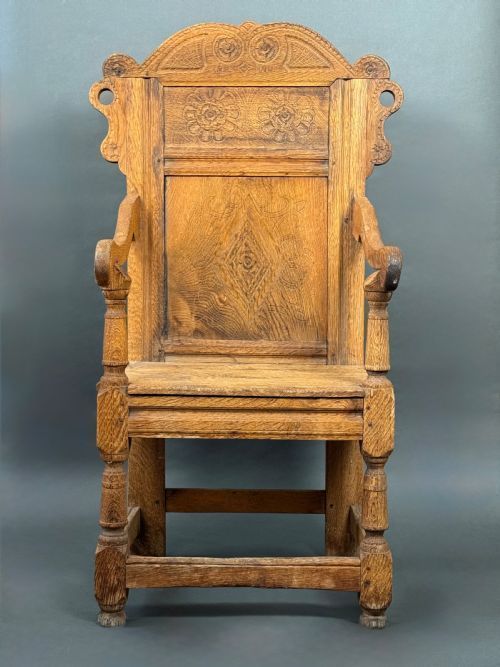
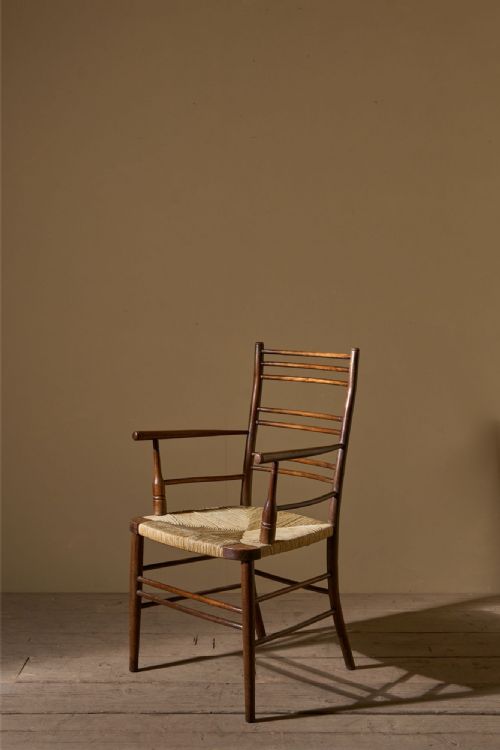
The inventory includes prominent Windsor forms with distinct yew, ash, and elm combinations, alongside ladder backs, spindle backs, and panel-backed prototypes. English country vernacular pieces sit alongside French provincial styles and occasional Arts and Crafts designs.
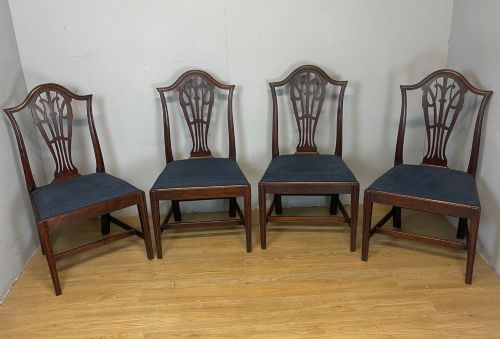
These sturdy seats range from simple kitchen pairings to larger carver chairs featuring comb backs, penny seats, and wheelbacks. Each piece reflects the functional requirements of domestic life across Georgian and Victorian periods.
Materials and construction methods
Craftsmen utilised native hardwoods like elm, oak, ash, beech, fruitwood, and yew, selecting each timber for its specific structural strength and grain pattern. Elm served dependably for solid saddle seats, whilst ash and yew provided the flexible spindles required for Windsor frameworks.
Joinery relied on traditional pegged mortise and tenon joints, steam-bending, and turned components shaped on pole lathes. Many examples incorporated rush seating or needlework upholstery, uniting frame construction with hand-woven organic materials.
Many a kitchen chair retains the slight hollow worn into the wooden seat by generations of long-forgotten diners.
Assessing quality in regional seating
Quality rests in the integrity of the timber selection and the retention of original surface patination. Chairs featuring well-matched wood pairings, such as yew and elm, demonstrate superior craftsmanship compared to composite or heavily altered examples.
The harmony of the turning, the tightness of the joint construction, and the depth of the carved or spindle-backed details distinguish finer regional pieces. Preservation of the original structural form without excessive replacement parts marks the higher tier of these chairs.
The Country Style Wooden Chairs Glossary
- Windsor chair
- A wooden chair featuring a solid saddle-shaped seat into which the legs and back spindles are directly joined. These iconic forms often combine yew, elm, and ash timbers.
- Carver chair
- An armchair designed specifically for use at the head of a dining table or as a fireside seat. They frequently match a larger set of smaller side chairs.
- Comb back
- A Windsor chair variation where the top rail resembles the spine of a comb, holding vertical spindles. This style provides additional upper back support.
- Rush seat
- A woven seating surface constructed from dried marsh rushes twisted into cords. This traditional method creates a durable, flexible platform within a wooden frame.
- Vernacular furniture
- Domestic objects made by local tradesmen using regional materials rather than following rigid metropolitan pattern books. These pieces prioritize practical utility over high-fashion ornamentation.
Country Style Wooden Chairs: Frequently Asked Questions
What is a Windsor chair?
A Windsor chair is a distinct seating form built around a thick wooden seat plank. The legs and back spindles are socketed directly into this heavy base.
These pieces rely on steam-bent bows and turned wooden components rather than standard framed joinery.
How do I date an antique wooden chair?
Dating relies on examining the tool marks, timber types, and construction methods used in the frame. Hand-cut peg joints and vernacular turning styles point toward 18th-century or earlier origins.
Later Victorian and Edwardian examples often display machine-sawn components and standardised factory turning patterns.
Are country chairs suitable for daily dining?
Solid wood country chairs are constructed for robust, everyday domestic utility. Their sturdy elm seats and pegged joints withstand regular daily use.
Buyers should verify the stability of the leg joints and seat bases before placing them into active service around a table.
What woods were used in these chairs?
Makers utilised accessible native timbers suited to specific structural demands. Elm provided a split-resistant seat, while ash and yew offered flexible strength for spindle backs.
Oak and fruitwood frequently appeared in framed dining chairs and regional carvers.