

Country Sports Art
Country sports art encompasses the paintings, watercolours and prints of dogs, horses, game and field pursuits that defined British interiors across the nineteenth and twentieth centuries.
Country Sports Art
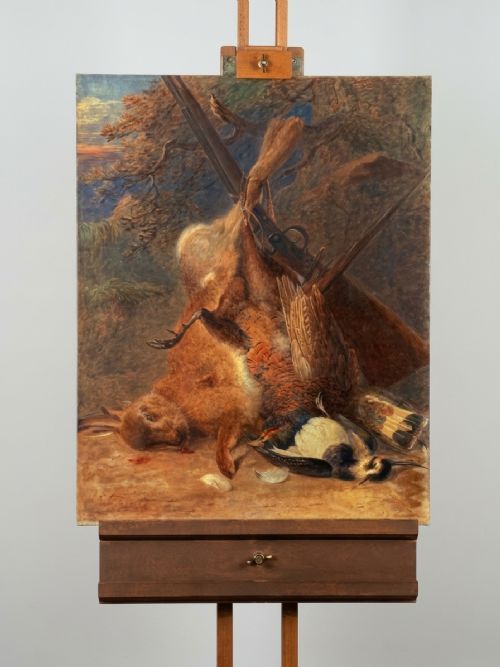
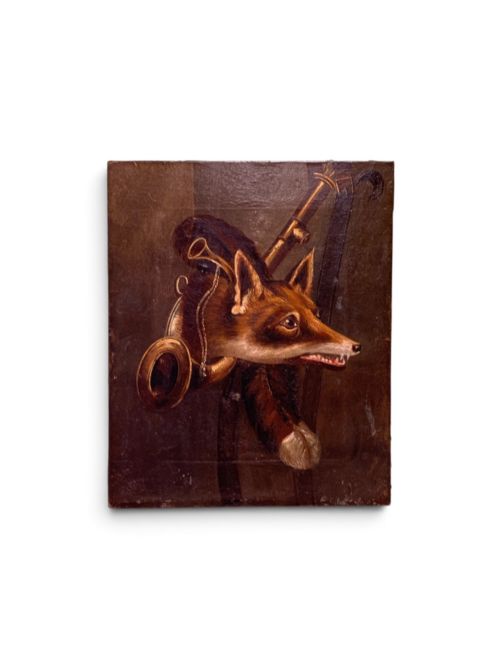
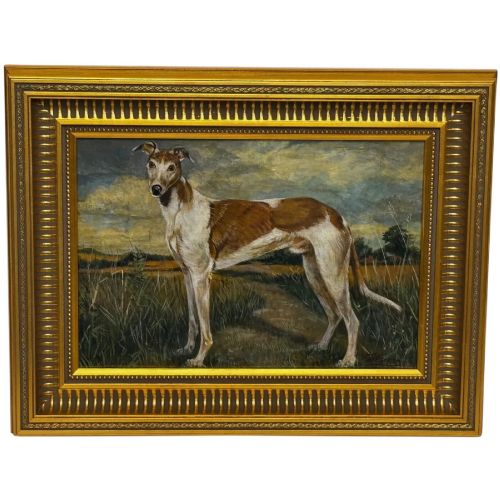
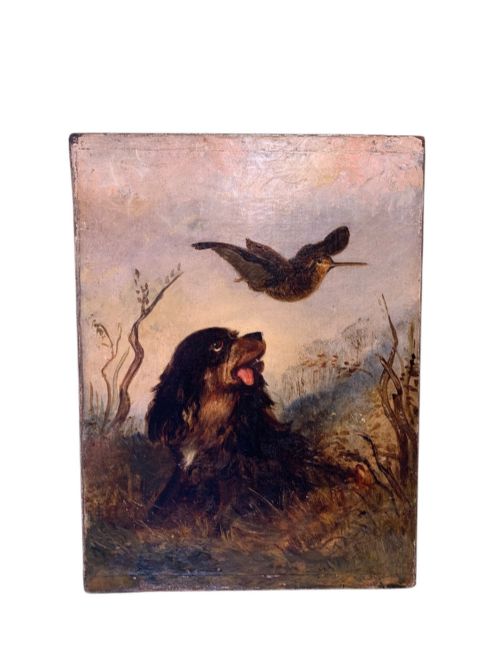
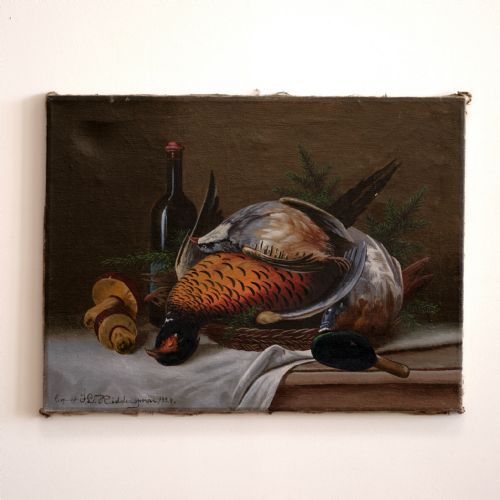
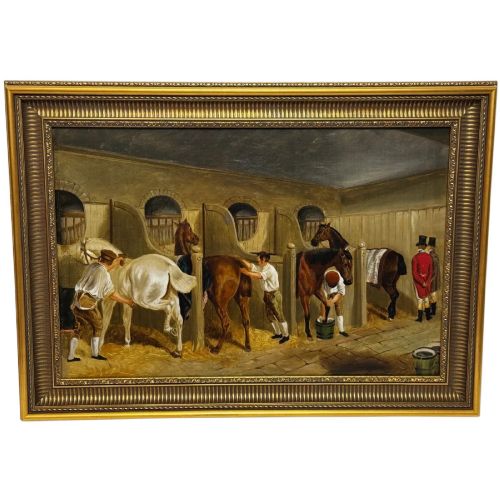
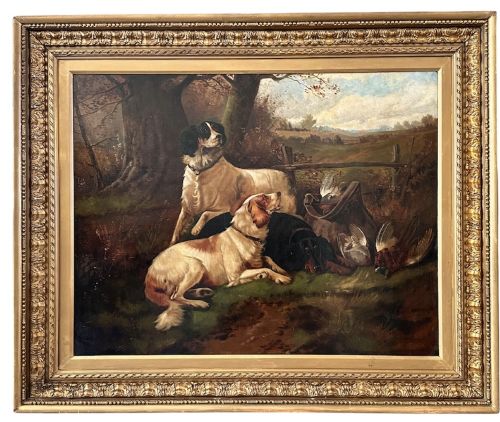
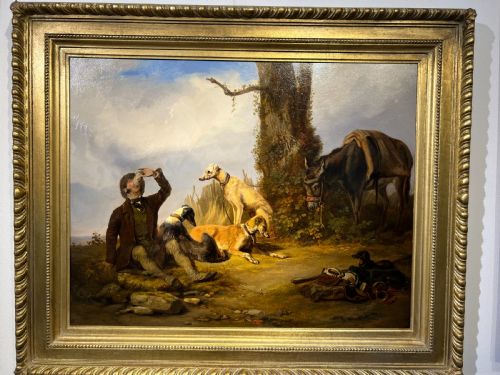
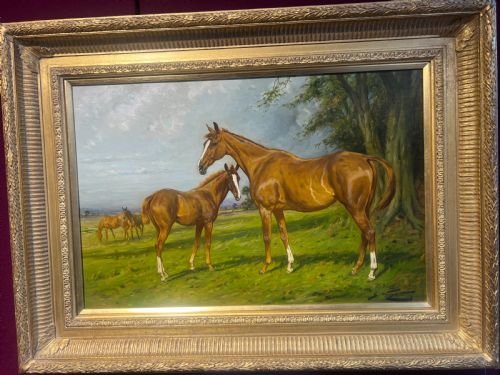
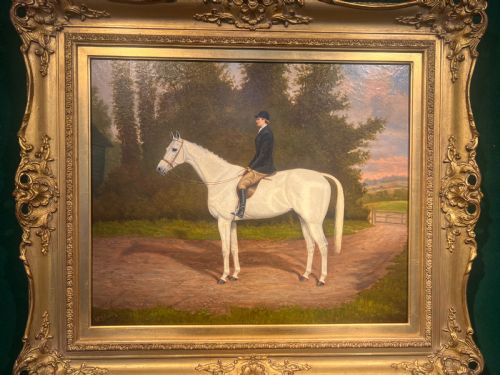
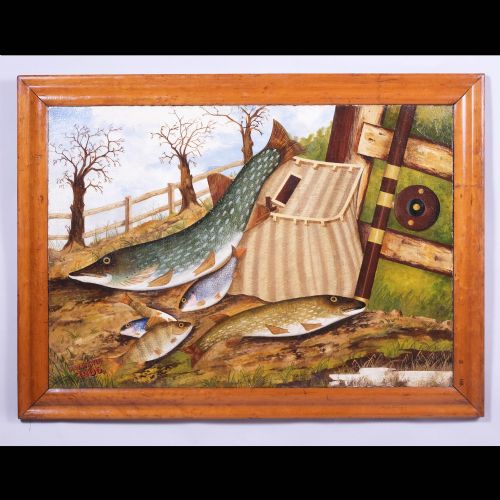
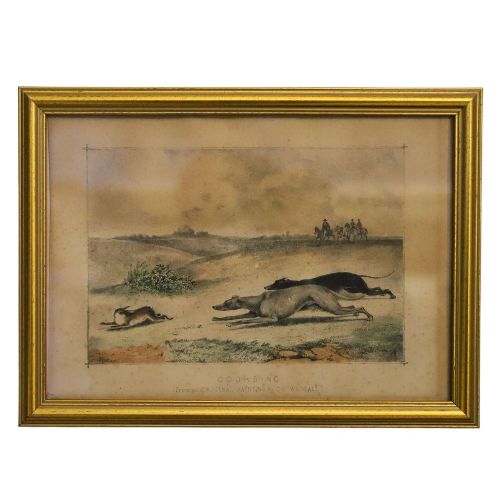
Country sports art captures the subjects of the field, from gun dogs and spaniels to hunting horses, game birds and coursing scenes. When searching for country sports art, buyers encounter oil paintings, watercolours, lithographs and framed prints spanning the nineteenth century into the mid-twentieth century.
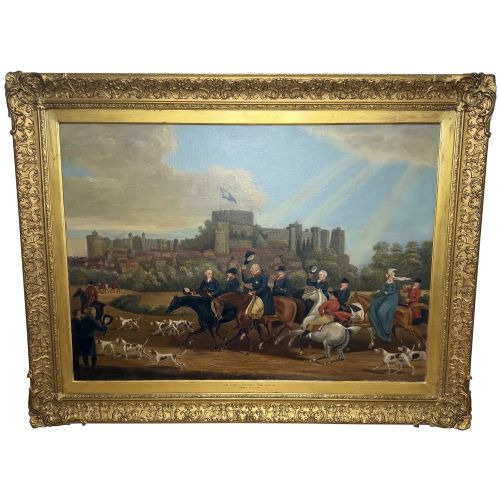
The most common formats on this page are nineteenth century oil paintings on canvas and framed Victorian sporting prints. These works reflect the visual culture of country houses, depicting specific canine portraits, equestrian studies and scenes of fox hunting or fishing.
How they were made
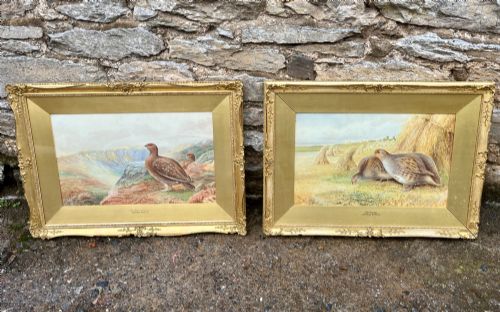
Makers utilised oil paint on canvas or board to build rich textures in animal coats and landscape backgrounds, often applying detailed brushwork to capture the sheen of a horse or the feathers of a woodcock. Watercolours and bodycolour on paper offered a lighter medium for swift studies of game birds and hounds under glass.
Printmakers employed lithography, engraving and aquatint to duplicate popular hunting and racing subjects for wider circulation. These paper works were frequently hand coloured and housed in giltwood frames alongside original drawings in pencil and chalk.
The selection includes works from the Victorian, Edwardian and Regency periods, rendered in oil on canvas, watercolour and lithography.
What varies in quality
Quality rests in the anatomical accuracy of the animals and the painter's command of light, movement and texture in the fur, feather or landscape. Superior works by named artists capture the distinct personality and conformation of a hound or hunter rather than relying on generic formulas.
The integrity of the surface and framing further distinguishes the range, where untouched oil paintings on original canvas or well-preserved watercolours under glass retain their depth of colour. Period frames, particularly giltwood examples matching the age of the artwork, elevate the physical presence of the piece.
George Sydney Shepherd·John Sargent Noble·Sir Edwin Henry Landseer·George Wright·William Albert Clarke·C. H. Weigall·George Rankin·C R Breytle·Thomas Walker Bretland·John Frederick Herring Snr·Benjamin Blake·Samuel Raven·Philip Henry Rideout·George Armfield·George E Sharpe·Michael Lyne
The Country Sports Art Glossary
- Bodycolour
- A water-based paint mixed with a white pigment to make it opaque, allowing artists to create solid highlights in watercolours.
- Lithography
- A planographic printing process using a flat stone or metal plate to reproduce detailed drawn images on paper.
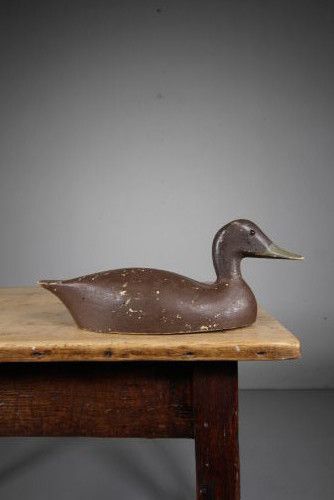
- Decoy
- A carved wooden object shaped like a duck or dove, historically utilised to attract wildfowl during country shoots.
- Aquatint
- A printmaking technique that produces tonal areas resembling watercolour washes on copper plates.
- Giltwood
- Timber carved and coated with a thin layer of gold leaf, commonly utilised for traditional picture frames.
Country Sports Art: Frequently Asked Questions
What is country sports art?
Country sports art comprises paintings, watercolours and prints depicting hunting, fishing, horses, hounds and game birds. These works document the field traditions and rural life of Britain across the nineteenth and twentieth centuries.
Created in various media, from large oil canvases to intimate pencil drawings, the genre records the specific animals and landscapes associated with country pursuits.
How do I date a sporting painting?
Dating relies on stylistic clues, framing materials, canvas stamps and the clothing or tack depicted in the scene. Nineteenth century works often display traditional varnishes and hand-carved giltwood frames specific to the period.
Signatures, artist dates and inscriptions on the reverse of the canvas or frame further help anchor the piece to a specific decade.
Where were these artworks displayed?
These pieces traditionally hung in the libraries, halls and drawing rooms of country houses, shooting lodges and rural rectories. They served as celebrations of favoured hunters, prize-winning gun dogs and memorable days in the field.
Today, they suit similar traditional or eclectic interiors, often grouped on walls alongside other equestrian and animal subjects.
How do I care for antique watercolours?
Antique watercolours and prints on paper require protection from direct sunlight to prevent the fading of pigments and paper discolouration. Keeping them behind glass in stable indoor environments helps preserve the delicate washes.
It is also important to maintain consistent humidity levels to avoid damp damage to the paper and the backing boards.