




Brown Game Bird Painting
These brown game bird painting examples bring classic sporting subjects to interior spaces through oils, watercolours and cold-painted bronzes.
Brown Game Bird Painting
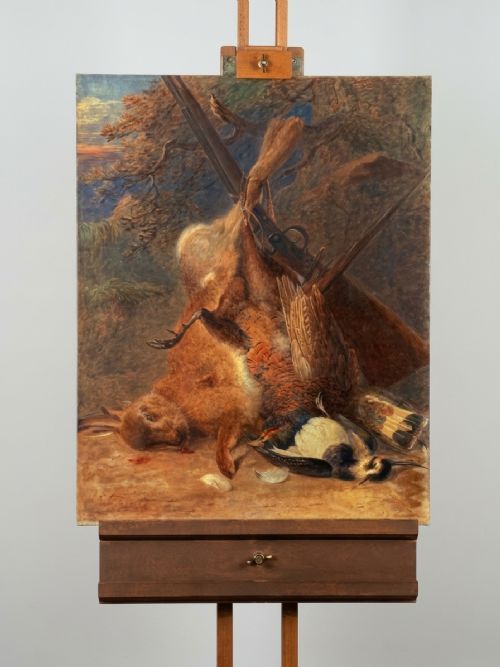
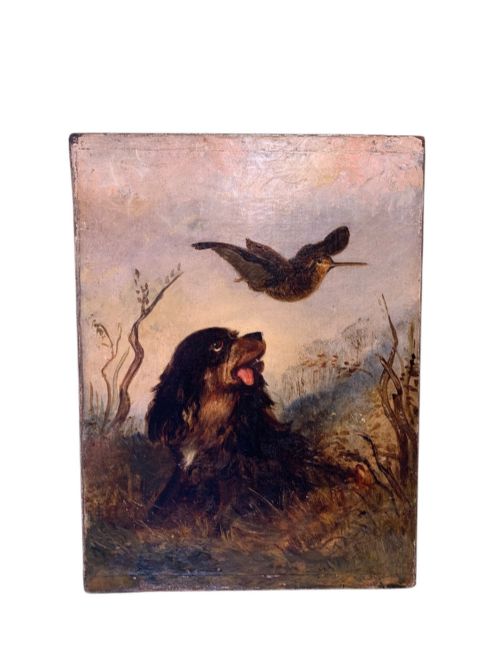
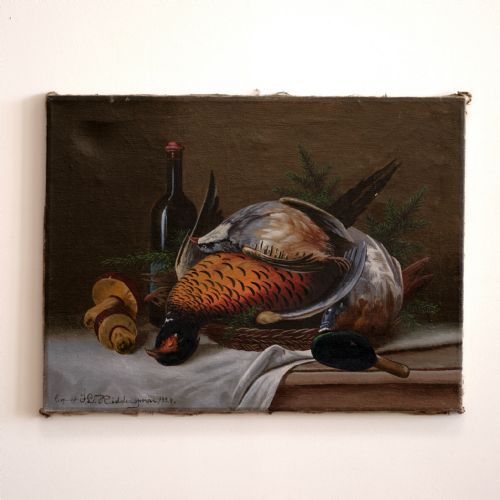
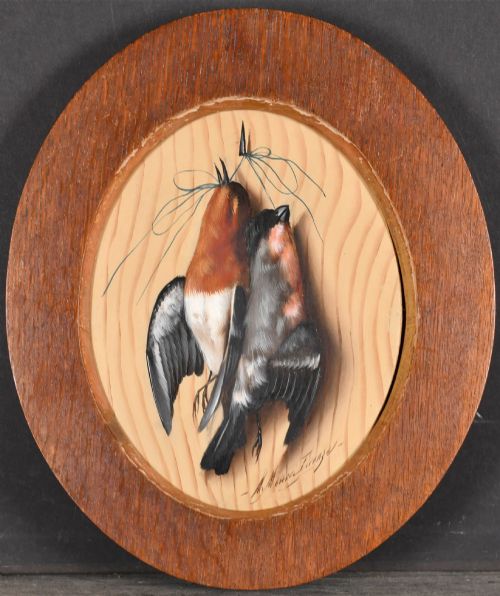
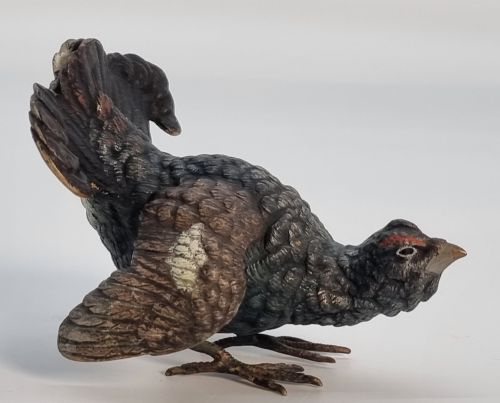
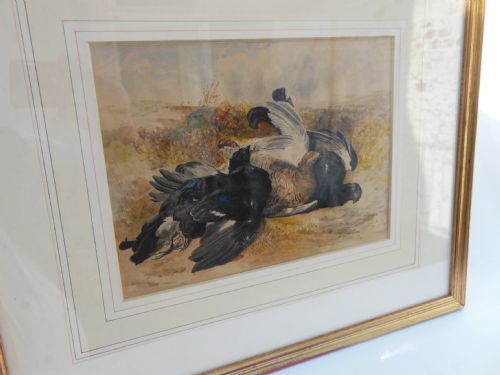
A brown game bird painting encompasses framed works on paper, canvas and wood depicting subjects like woodcock, grouse and capercaillie. These pieces span from the eighteenth century through the Victorian era into the mid-twentieth century, capturing natural history and sporting subjects.
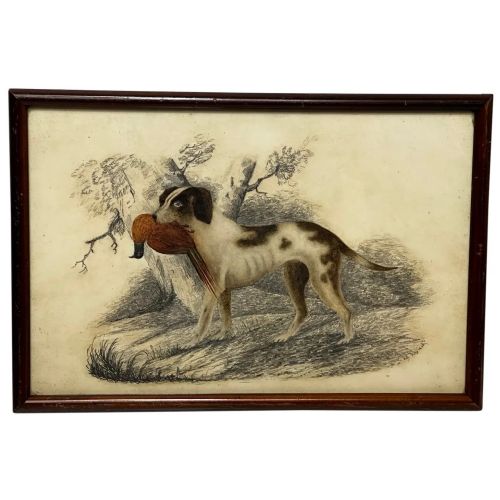
The selection ranges from detailed watercolours and bodycolour to impressionist oils and cold-painted bronze sculptures depicting birds alongside gun dogs. Buyers encounter distinct artistic approaches, from precise scientific illustration to expressive pastoral scenes.
Materials and construction
Artists utilised oil paint on canvas and wood panels alongside watercolour and bodycolour on paper, often framing works behind glass in wooden surrounds. Bronzes employ cold-painted metal techniques requiring precise hand-application of colour over cast figures.
Support materials include traditional woven canvas, heavy paper stock and solid wood panels that provide stability for detailed brushwork. Gold leaf occasionally appears in framing, complementing the earthy tones of the avian subjects.
Several grouse and woodcock manage to look intensely judgemental despite being made entirely of painted bronze.
Evaluating the standard of work
Quality rests upon the artist's ability to render anatomical precision in feathers and movement, distinguishing master observation from routine decorative output. Finer examples display subtle tonal variation in brown plumage and convincing integration of the bird within its landscape.
The preservation of the underlying support, whether paper, canvas or bronze patination, dictates the longevity and visual impact of the piece. Superior works retain vibrant pigments and secure framing that protects delicate watercolours from environmental degradation.
Franz Bergman·Michelangelo Meucci·Henri Joseph Pauwels·Thomas Blinks·Stephen Elmer·Archibald Thorburn
The Brown Game Bird Painting Glossary
- Bodycolour
- Watercolour paint mixed with a white pigment to render it opaque, allowing for dense highlights and solid areas of colour. This technique was frequently utilised in nineteenth-century works on paper.
- Cold-painted bronze
- Metal sculpture decorated with cold-applied paint rather than fired enamels, a method common in Austrian workshops around nineteen hundred. The delicate surface requires careful handling to preserve the original pigment.
- Trompe l'oeil
- An art technique involving extremely realistic imagery that optical illusion creates three-dimensional depth on a flat surface. These compositions often feature hanging game birds or still life arrangements.
- Impressionism
- A nineteenth-century art movement characterised by relatively small, thin yet visible brush strokes and an emphasis on accurate depiction of light. Works in this style focus on overall visual effect rather than meticulous detail.
Brown Game Bird Painting: Frequently Asked Questions
What periods do these paintings date from?
The works span multiple centuries, originating from the eighteenth, nineteenth and twentieth centuries.
Victorian and early twentieth-century examples appear frequently alongside earlier eighteenth-century compositions.
How are these artworks constructed?
Pieces utilise traditional media including oil paint on canvas or wood, watercolour on paper, and cold-painted bronze.
Frames typically incorporate wood and glass to protect fragile works on paper from atmospheric damage.
Where should I hang these pieces?
Sporting and natural history art suits traditional studies, libraries, dining rooms and country-style interiors.
Placement should avoid direct sunlight to prevent fading in watercolour pigments and canvas oils.
How do I identify different bird species?
Artists often recorded specific anatomical details of woodcock, grouse, capercaillie and black game according to sporting traditions.
Reference books on British game birds and field sports help distinguish between similar avian subjects.