



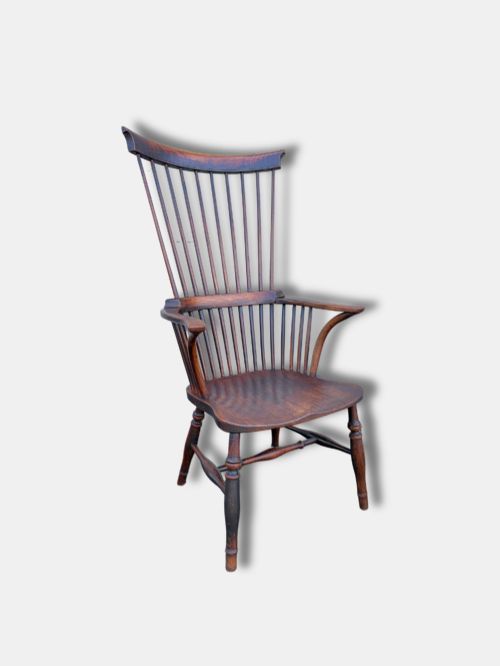
Country Rustic Windsor Chair
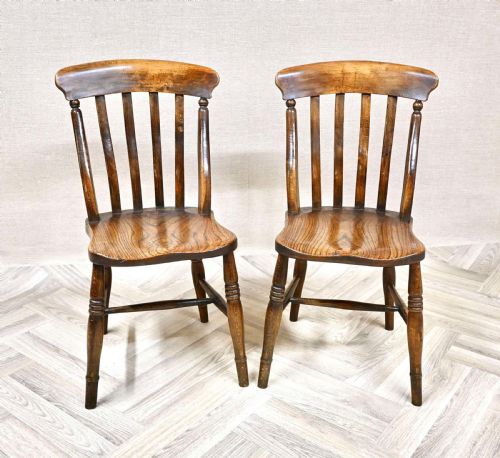
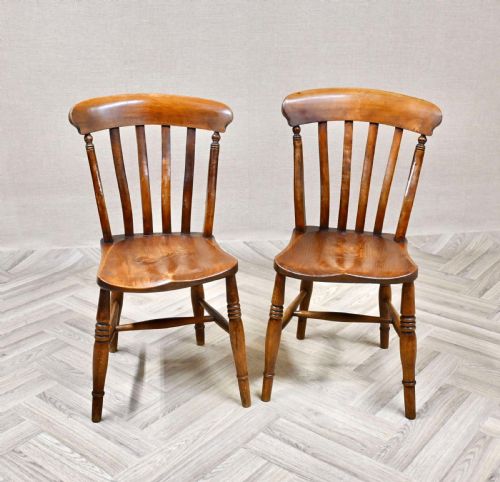
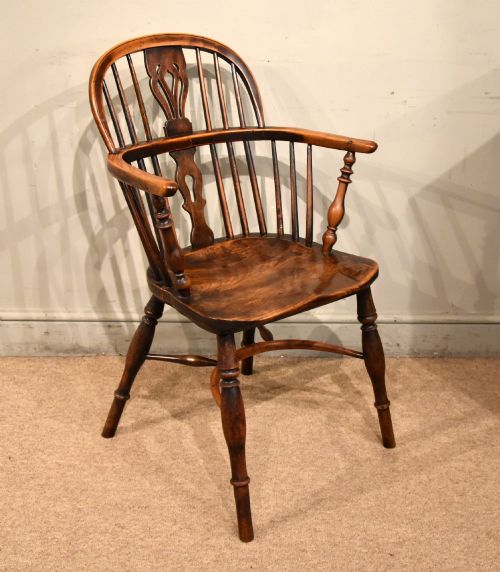
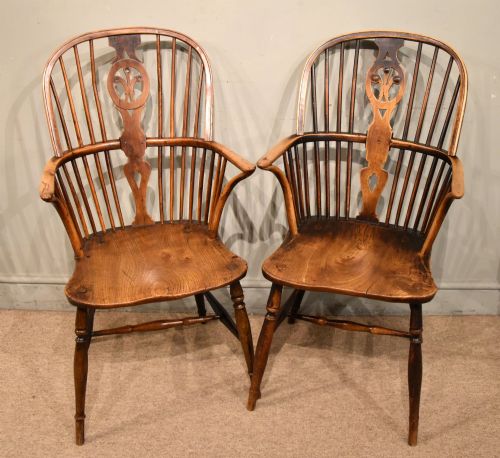
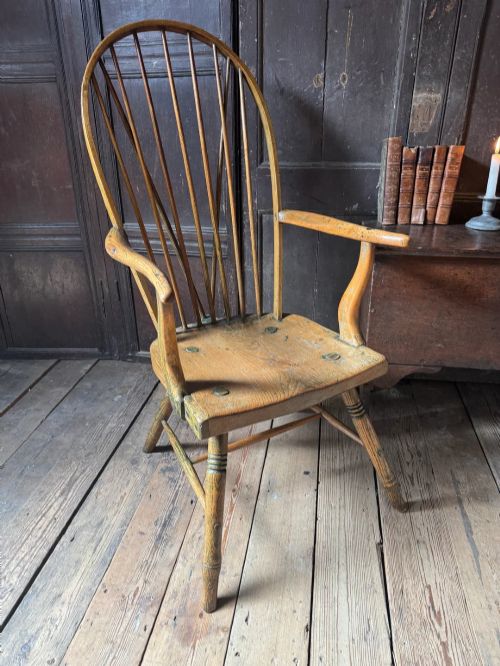
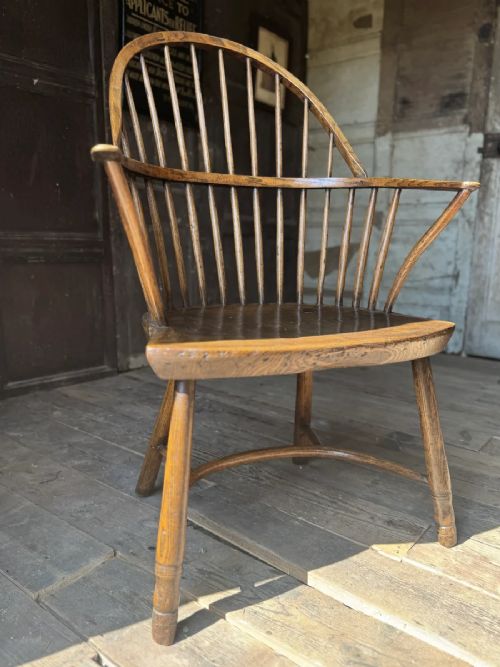
These country rustic windsor chair examples are honest vernacular seating built for daily use, prized for their sculptural stick construction and tactile timber seats.
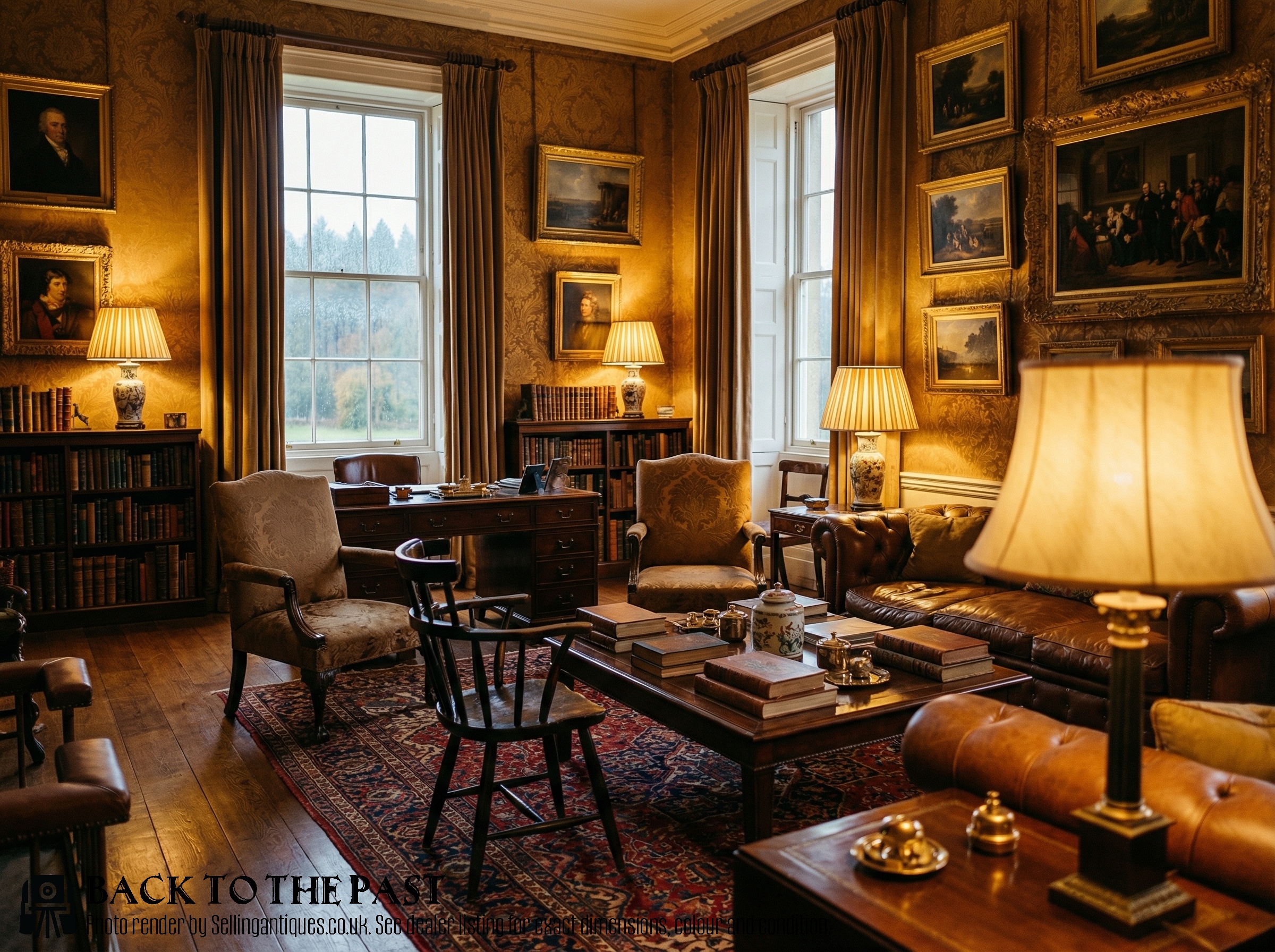
Country Rustic Windsor Chair
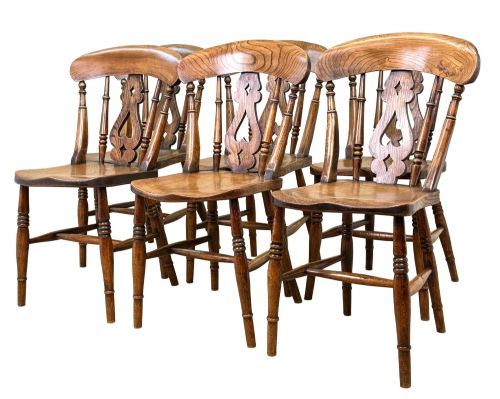
A country rustic windsor chair is a traditional form of seating defined by a solid wooden saddle seat into which the legs and back sticks are wedged directly. You encounter these most frequently as kitchen armchairs, dining sets, and low or high back seating originating from the eighteenth and nineteenth centuries.
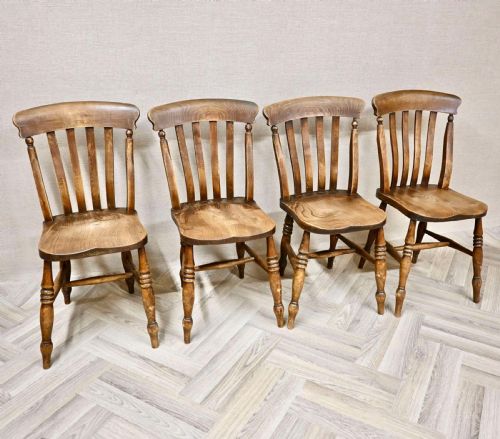
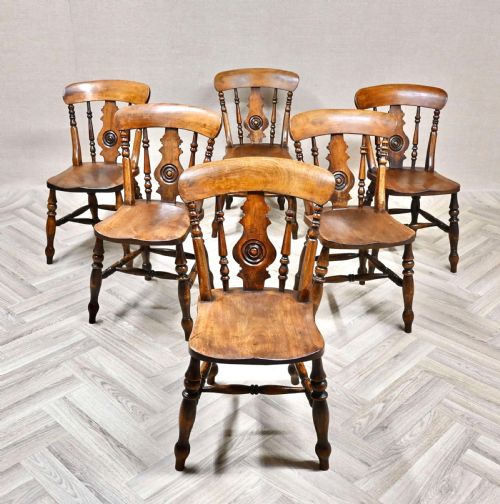
The selections span distinct regional idioms including Thames Valley, Welsh, and West Country variations, alongside farmhouse and primitive vernacular pieces. Makers produced single chairs, pairs, and larger sets of four, six, or eight for domestic interiors.
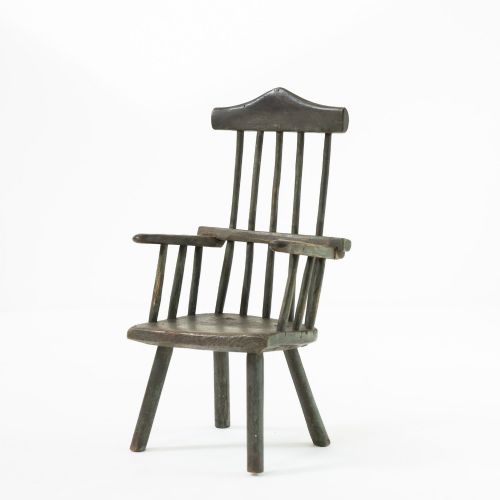
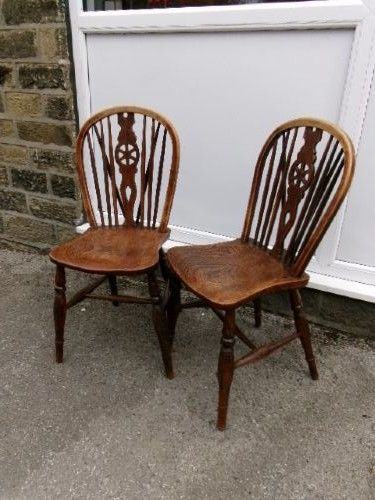
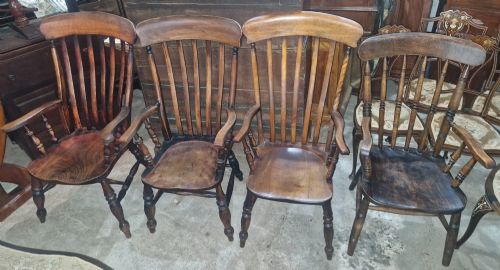
Forms range from simple stick backs and wheelbacks to high comb backs, hoop backs, and occasional rocking chairs or children's armchairs. Each variant reflects the practical needs of rural households combined with local turning and shaping traditions.
How They Were Made
Cabinet makers and bodgers built these chairs using a combination of native timbers, pairing a thick elm seat with ash for the bowed backs and spindles, and occasionally beech or oak for the turned underframes. Elm provided a tough, interlocking grain that resisted splitting when the leg tenons and back spindles were driven into bored holes.
Craftsmen shaped the continuous hoop backs and comb backs by steaming timber until pliable, bending the wood around jigs to dry into tensioned curves. Spindles and legs were turned on pole lathes, while seats were sculpted using adzes and scorps to create a comfortable concave dish.
The inventory includes seating forms such as armchairs, dining sets, rocking chairs, and children's armchairs from regional English traditions.
What Varies in Quality
Quality rests upon the sculptural confidence of the bending and the retention of original surface patination. Chairs with deeply saddled elm seats, well-proportioned armbows, and crisp lathe turnings command attention over heavier, coarser examples.
The integrity of the construction determines distinction, where tight joints and minimal replacement parts maintain the chair's architectural balance. Grain figure in the timber seat and the harmonious pairing of ash and elm further separate standard utilitarian seating from superior workshop output.
Gabbitass Worksop
The Country Rustic Windsor Chair Glossary
- Crinoline stretcher
- A curved stretcher reinforcing the legs of an armchair, often found on eighteenth century West Country designs. It adds rigidity to the underframe while echoing the curve of the seat.
- Comb back
- A Windsor chair style where the upper spindles rise into a horizontal top rail resembling a traditional hair comb. This construction offers robust back support through slender turned members.
- Hoop back
- A continuous bentwood rail forming the arms and upper back of a Windsor chair in a single flowing arc. It distributes weight efficiently across the central ash bow.
- Saddle seat
- A thick wooden seat base sculpted with a concave depression for comfort. Elm is frequently utilised here to prevent splitting under the stress of wedged joints.
- Wheelback
- A Windsor chair variation featuring a pierced central wooden splat carved in the shape of a wheel. This decorative motif became popular during the nineteenth century in farmhouse dining sets.
Country Rustic Windsor Chair: Frequently Asked Questions
How do I date a Windsor chair?
Dating relies on observing construction traits, timber combinations, and the evolution of the back design. Earlier eighteenth century examples often feature comb backs and ash or yew construction, whereas nineteenth century pieces frequently incorporate wheelback splats and beech framing.
Underside inspection reveals tool marks from adzes and augers that help differentiate hand-carved vernacular production from later factory output. Regional variations in turning styles also provide strong clues to a chair's age and origin.
Were these chairs used for dining?
Many of these chairs served as everyday seating around farmhouse kitchen tables. Sets of four or six provided sturdy, practical accommodation for family meals.
Armchairs were typically reserved for the head of the household, while smaller side chairs and stick backs filled out the sides of the table. Their robust timber construction ensured they withstood heavy daily use.
Can I mix different Windsor chairs?
Mixing various vernacular styles is a traditional approach to furnishing with country seating. Harlequin sets of dining chairs combine pieces with shared materials like elm and ash while displaying slight variations in spindle count or back shape.
Matching chairs by timber tone and approximate height creates a cohesive appearance without requiring an identical matched suite. The shared vocabulary of turned legs and solid seats unifies diverse regional forms.
Why is yew wood prized?
Yew wood was selected for high quality Windsor chairs due to its rich grain, warm colour, and exceptional tensile strength. It allowed makers to turn very slender spindles that remained strong and resilient.
Yew trees were less common than ash or elm, making timber acquisition more selective. Chairs constructed from yew often denote superior workshop attribution and distinct visual depth.