
Country Pine Seat
A country pine seat brings honest utility and vernacular character to a room through solid timber construction and simple vernacular forms.
Country Pine Seat
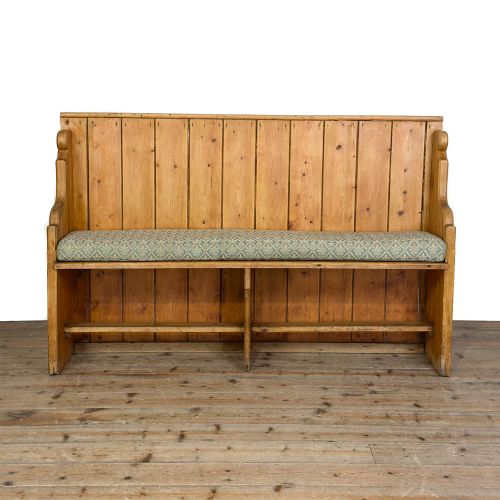
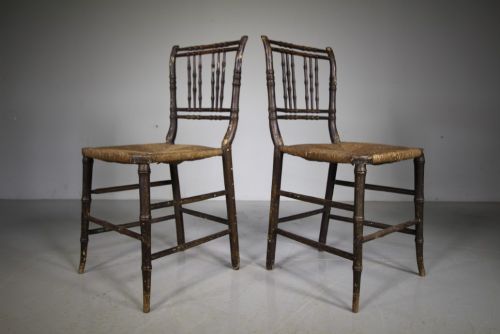
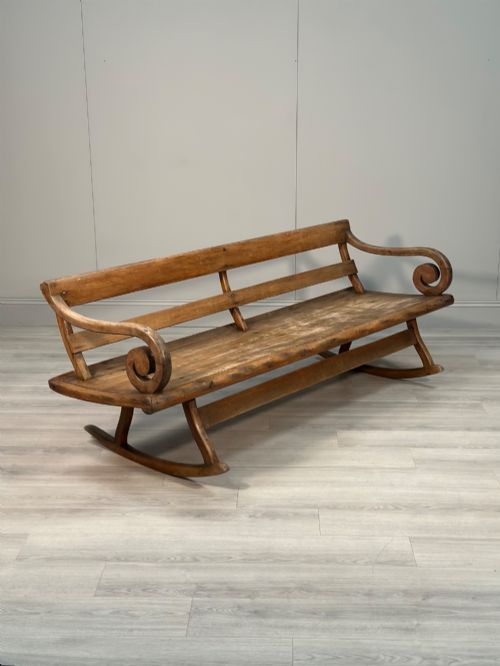
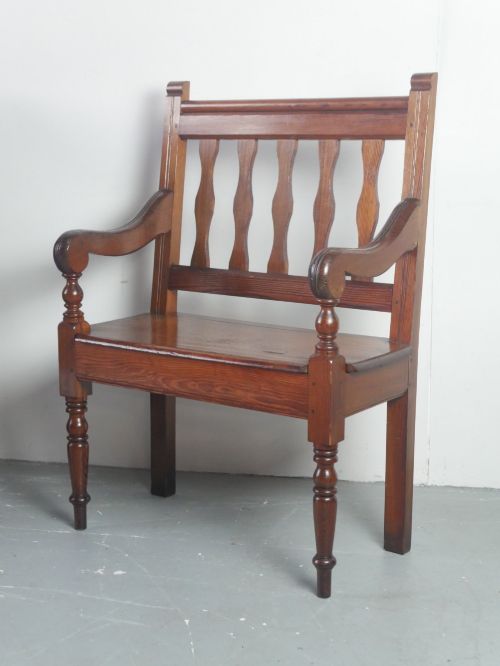
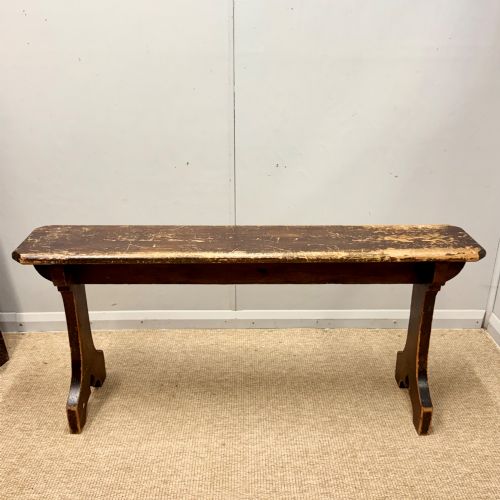
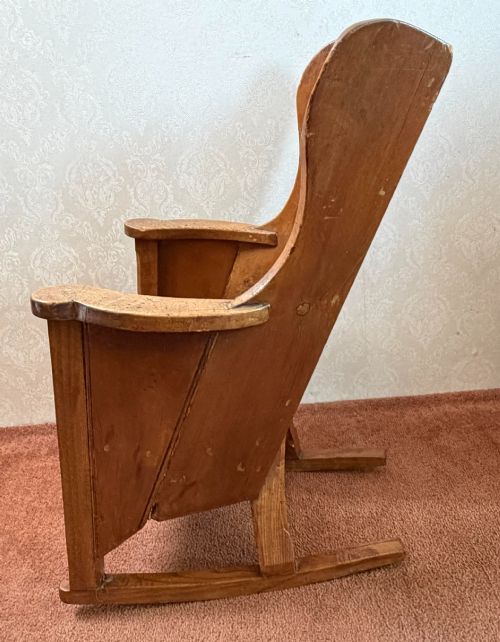
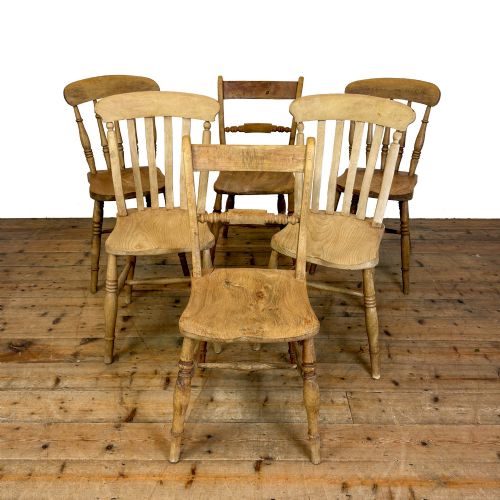
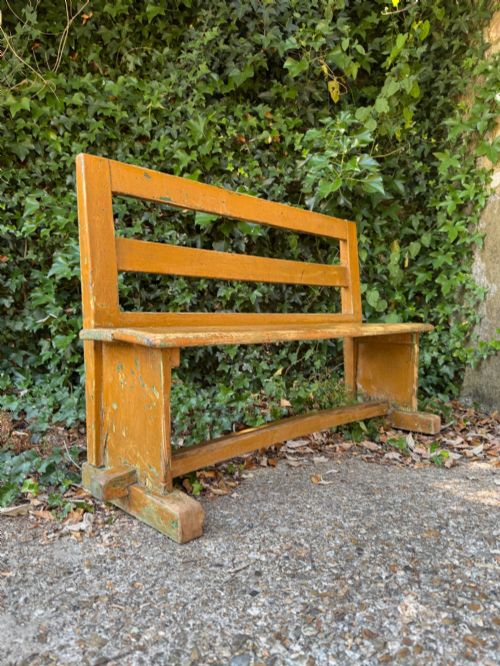
A country pine seat encompasses benches, settles, pews, stools, armchairs, and dining chairs originating from English, Hungarian, Austrian, Spanish, and Swedish traditions. The listings here rely heavily on nineteenth-century examples alongside eighteenth-century and early twentieth-century pieces.
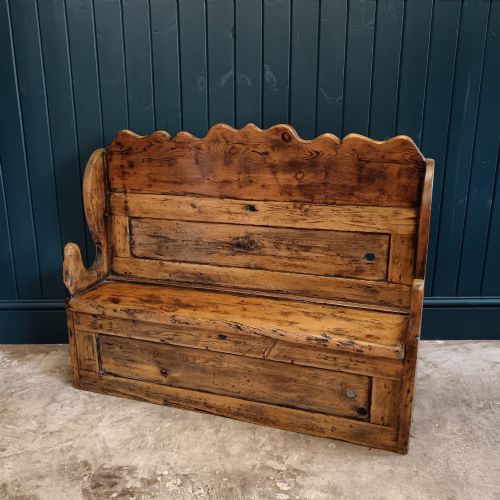
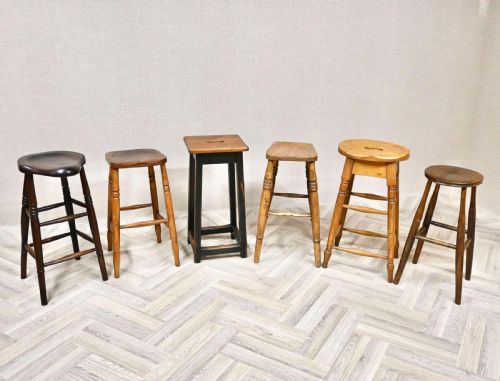
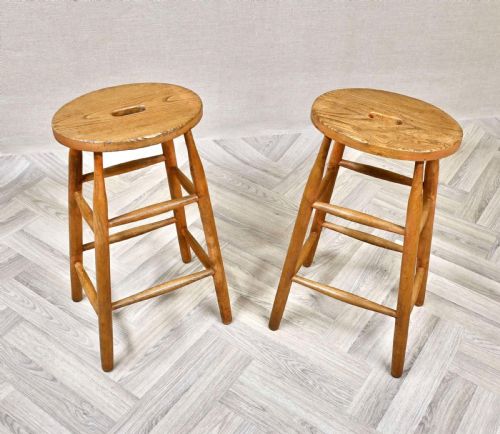
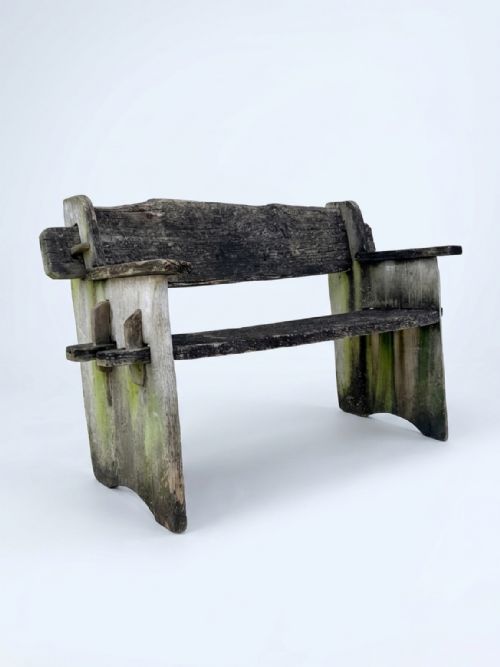
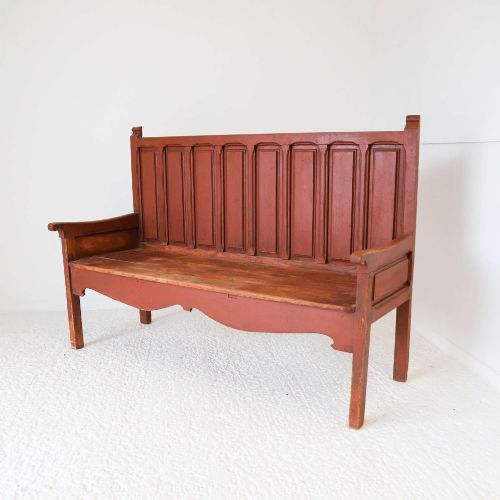
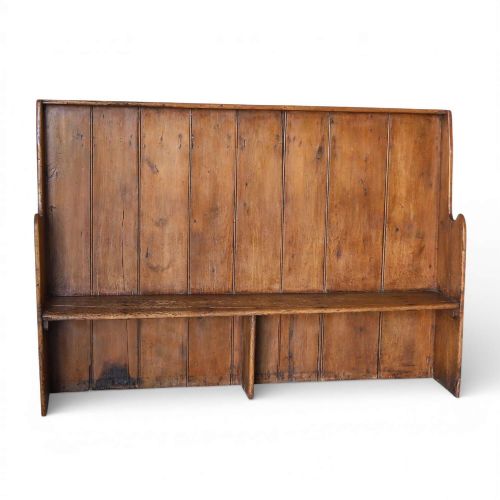
Settles and benches dominate the longer seating options, often featuring high backs, box storage compartments, or barrel-backed profiles designed to block draughts in farmhouse kitchens and hallways. Stools and individual chairs provide smaller seating footprints scaled for milking, kitchen dining, or bedside use.
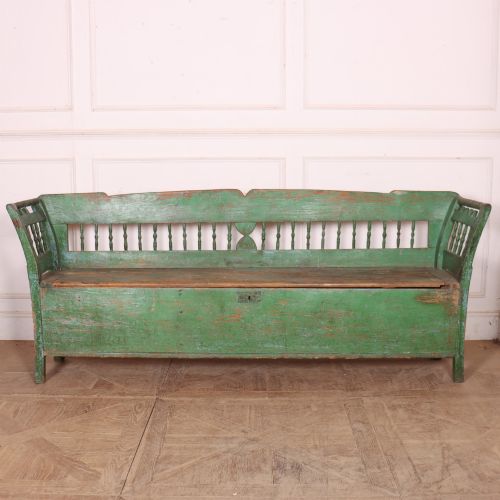
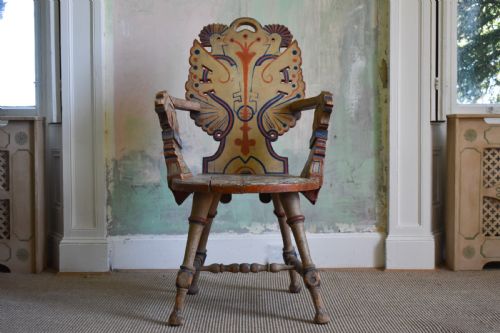
Regional variations shape these pieces, from the painted surfaces of Eastern European folk art to the honey brown patina of English country furniture. Buyers seeking a country pine seat will encounter both simple plank construction and turned spindle details reflecting local vernacular demands.
Materials and Technique
Makers relied primarily on pine, supplemented by elm, beech, ash, and timber frameworks joined with traditional pegging and carpentry methods. Surfaces show either a waxed finish highlighting the natural grain or original layers of paint in ochre, green, grey, blue, and black.
Construction techniques range from heavy box settle assemblies with hinged seats to slender milking stools supported by three or four splayed wooden legs. Iron fastenings appear occasionally, though structural integrity depends chiefly on solid wood joinery and pegged joints.
Listings feature pine alongside secondary woods like elm, beech, and ash, spanning the eighteenth century to the early twentieth century.
Assessing Quality
Quality rests in the survival of original surface treatments, whether through a deep waxed patina or untouched historic paint schemes. Pieces retaining their original proportions, uncompromised structural timbers, and authentic regional joinery stand apart from heavily altered examples.
The sophistication of the vernacular design dictates the calibre of the piece, from simple rustic utility benches to architectural barrel-backed settles with integrated storage. Evidence of honest wear and tool marks from period hand-working methods elevates the character of the seating.
The Country Pine Seat Glossary
- Settle
- A wooden bench with a high back, solid arms, and often a storage box beneath the seat. It served to keep draughts away from the occupants in cold vernacular interiors.
- Box settle
- A specific settle variant featuring a hinged seat lid that opens to reveal a compartment for household storage. This form doubled as seating and a utilitarian chest.
- Barrel-backed settle
- A seating form possessing a curved, enclosing wooden back designed to envelop the sitter and deflect cold air currents. These pieces represent a more elaborate vernacular joinery achievement.
- Milking stool
- A small, simple stool traditionally featuring three splayed legs for stability on uneven agricultural floors. They were utilised during daily milking chores and general farm tasks.
- Comb-back
- A Windsor chair design where the vertical spindles of the back extend up through a top rail, resembling the teeth of a comb. This construction method offers lightweight strength.
Country Pine Seat: Frequently Asked Questions
How do I use a settle in a modern hall?
A high-backed settle provides an architectural focal point in an entryway while offering a practical place to sit when removing shoes.
Box settle variants allow bulky items like boots or winter accessories to be stored discreetly beneath the hinged seat lid.
Are painted finishes on these seats original?
Many nineteenth-century pieces from Eastern Europe and Scandinavia retain early or original layers of coloured paint, such as ochre, blue, or green.
Close inspection reveals natural wear patterns and age-appropriate craquelure that distinguish untouched painted surfaces from later decorative applications.
What is the difference between a pew and a settle?
Pews generally originate from ecclesiastical settings and feature open-backed bench structures designed for communal seating in rows.
Settles are domestic pieces built with solid panelled backs and enclosed sides meant to keep out draughts in farmhouses and cottages.
How should I care for a waxed pine surface?
Maintaining a waxed pine finish requires occasional gentle cleaning with a dry cloth and the application of traditional beeswax to nourish the timber.
Avoid placing these wooden seats near direct heat sources or in damp environments to prevent the pine from splitting or warping.