

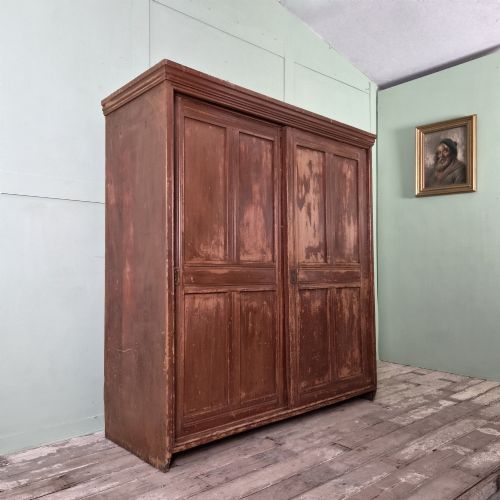
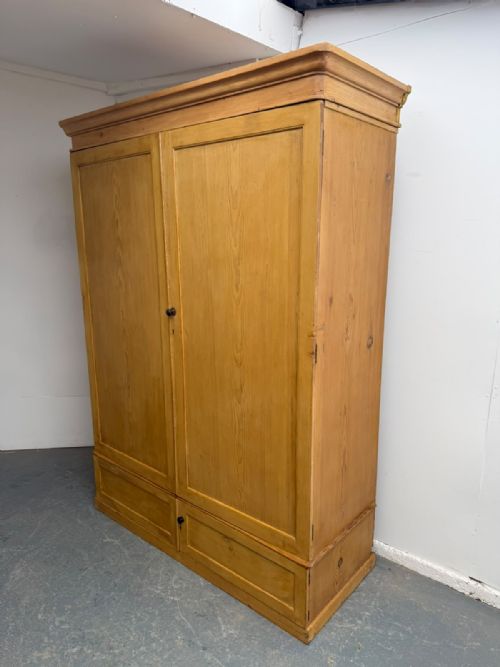
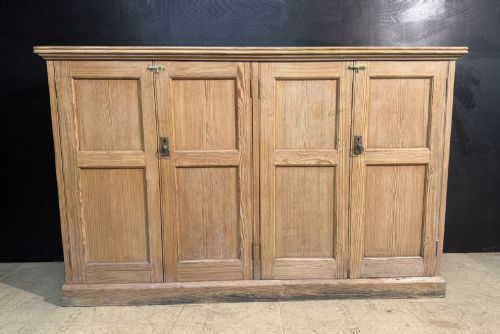
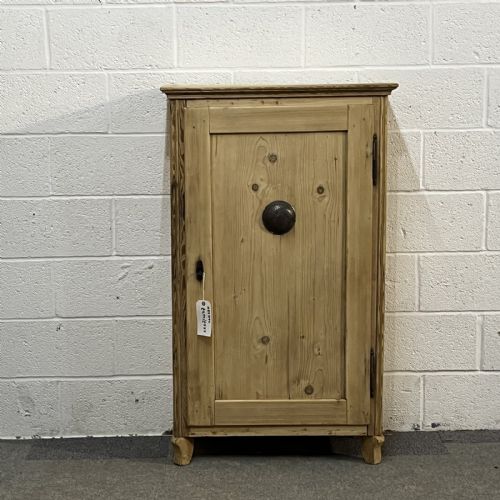
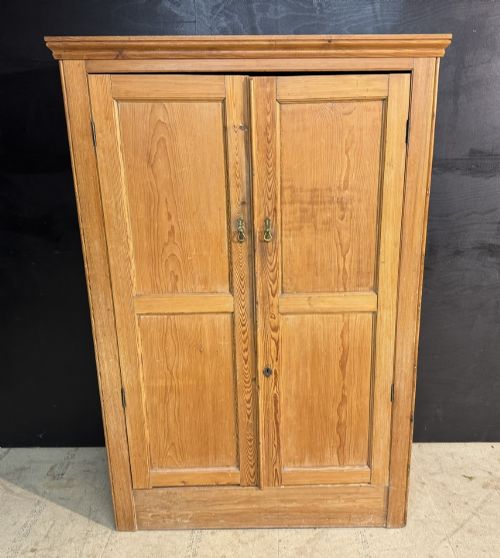
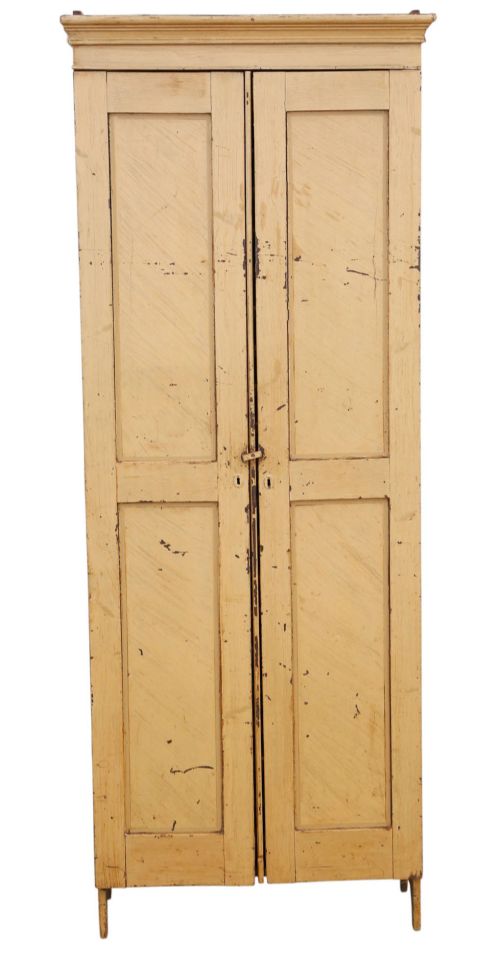
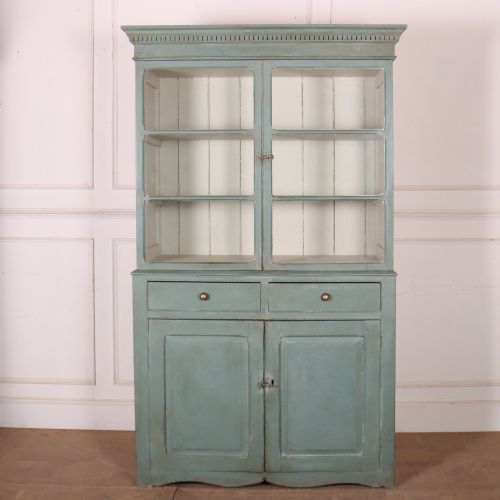
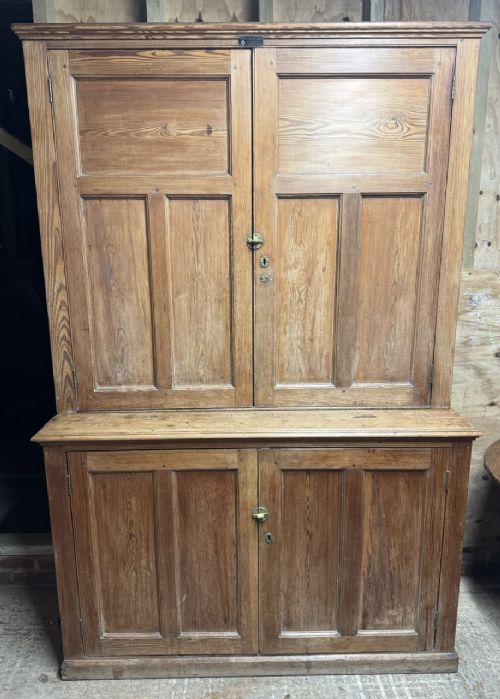
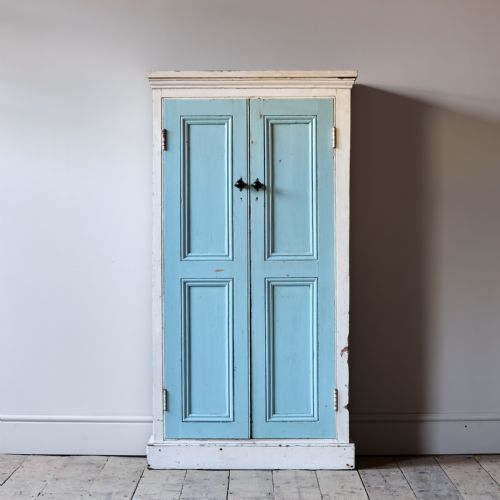

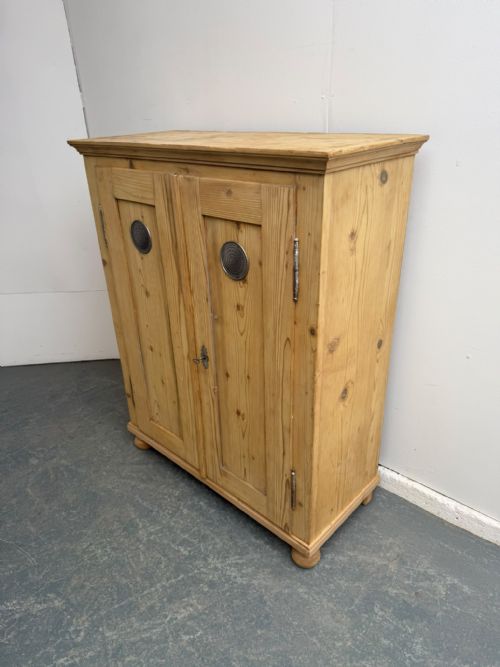
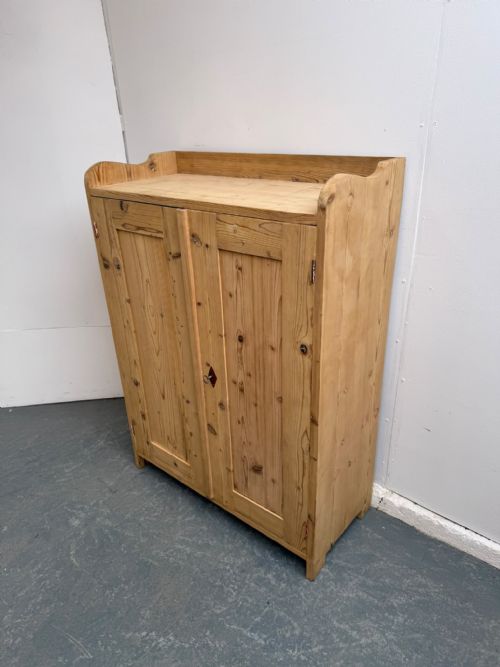
Country Pine Larder Cupboard
A country pine larder cupboard is a practical kitchen storage piece built for keeping provisions cool and secure, prized for rustic utility and honest joinery.
Country Pine Larder Cupboard
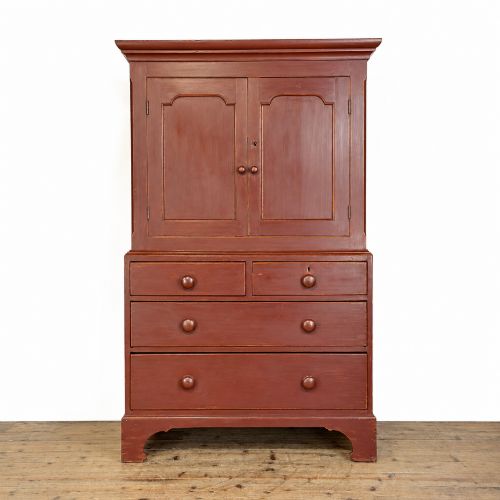
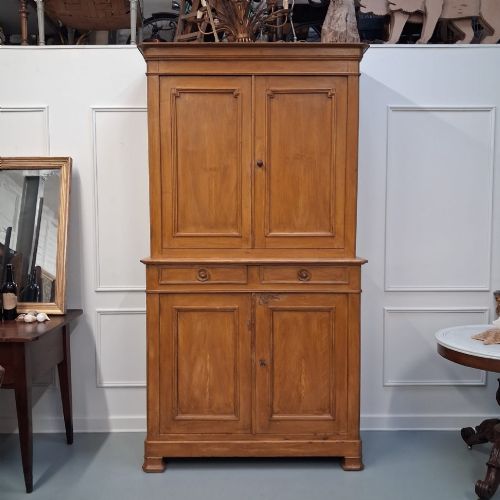
A country pine larder cupboard provides substantial utilitarian storage for the domestic kitchen, often taking the form of a tall cabinet designed to hold provisions, dry goods, and kitchenware. These pieces emerge across Georgian, Victorian, and Edwardian periods, reflecting regional domestic needs from English and French provinces to Scottish and Scandinavian workshops.
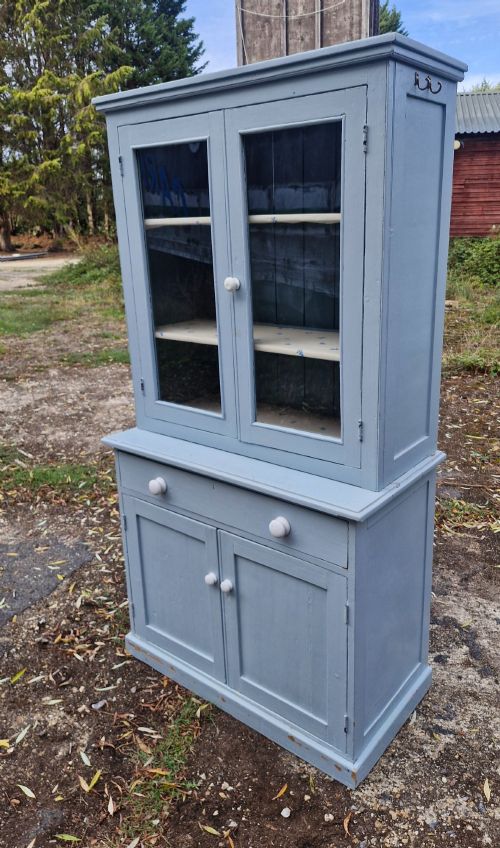
Buyers browsing this selection will encounter tall single-door or multi-door configurations, including housekeepers' cupboards, vented food cupboards, and two-part kitchen cabinets. Many examples feature original or later paint finishes, ranging from cream and green to stripped natural pine surfaces.
The functional design frequently incorporates interior shelving, panelled doors, or perforated ventilation panels originally intended to keep perishable goods fresh before mechanical refrigeration. Regional variations span from West Country formats to continental mountain cupboards.
Materials and Construction
Construction relies primarily on solid pine timbers, selected for abundance and workability, joined using traditional cabinetry methods suited to heavy daily use in busy kitchens. Iron and brass hardware such as hinges, latches, and escutcheons secure heavy doors and reinforce corners.
Surface treatments vary significantly between bare waxed finishes and layered painted wood, utilising historic paint or milk paint layers that weather naturally over decades of domestic service. Glazed panels and metal ventilation grilles appear on specialised food storage variants to promote airflow while protecting contents.
Country Pine Larder Cupboard Retail Price Guide 2026
Typical asking prices for country pine larder cupboard among the pieces listed under this phrase on Sellingantiques today, from the lower quarter to the upper quarter. They describe what is for sale here now, not the wider market.
Several cupboards still retain the faint, lingering aroma of decades spent storing farmhouse cheese and freshly baked bread.
Assessing Quality and Character
Quality in these utility pieces rests upon the integrity of the original timber framing, the survival of authentic hardware, and the untouched character of surface finishes such as historic paint or patinated wax. Pieces retaining their original configuration of internal shelving and ventilation demonstrate superior historical intactness.
Proportion and scale distinguish finer vernacular examples, where balanced door panels and crisp joinery elevate a purely functional kitchen cabinet into a piece with strong decorative presence. Alterations to interiors or stripped surfaces from later periods shift the balance between utilitarian survival and decorative finish.
The Country Pine Larder Cupboard Glossary
- Housekeeper Cupboard
- A large, tall storage cabinet traditionally used by domestic housekeepers to store linens, dry goods, and kitchen provisions. These pieces often feature multiple doors enclosing deep shelving.
- Vented Cupboard
- A storage cabinet fitted with pierced metal grilles, wire mesh, or perforated wooden panels designed to circulate air around stored food items. This ventilation prevented spoilage before the advent of domestic refrigeration.
- Bread and Cheese Cupboard
- A traditional regional food storage cabinet specifically ventilated to preserve dairy and bakery goods. They form a distinct subcategory of early domestic kitchen furniture.
- Fielded Panel
- A wooden door panel with bevelled edges that sit within a grooved frame, allowing the solid timber to expand and contract with humidity changes. This technique prevents warping in large pine cupboard doors.
- Two-Part Cupboard
- A cabinet constructed in separate upper and lower sections to facilitate transport and placement in domestic quarters. The upper section typically rests upon a deeper base unit.
Country Pine Larder Cupboard: Frequently Asked Questions
How were larder cupboards used originally?
These cupboards served as the primary food storage units in kitchens before modern refrigeration, keeping butter, flour, and cured meats cool and secure from pests. Their enclosed shelving and ventilated doors maintained airflow for perishable items.
In larger country houses, housekeeper variants also held household linens and dry stores under lock and key, managed directly by senior domestic staff.
What is the difference between a larder and a dresser?
A larder cupboard is enclosed entirely by doors designed to conceal and protect food provisions and kitchen stores in dark, ventilated conditions. Cupboards prioritize concealed storage over display.
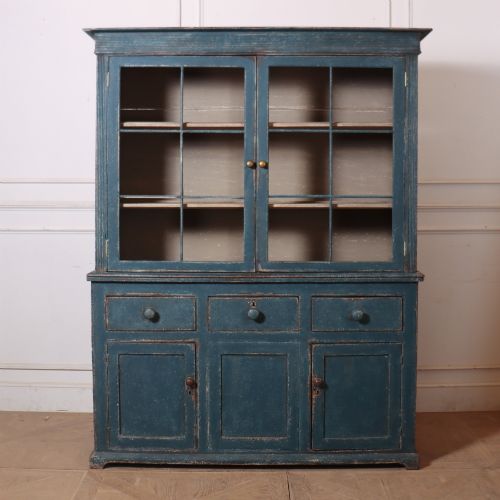
In contrast, a kitchen dresser typically incorporates open plate racks or glazed shelving on the upper section to display china and everyday tableware alongside enclosed lower cupboards.
How do I care for a painted pine cupboard?
Maintain painted pine surfaces by dusting regularly with a dry, soft cloth and avoiding harsh chemical cleaning agents that can degrade historic paint layers. Keep the timber away from direct heat sources and dramatic humidity fluctuations to prevent wood movement.
Waxed pine surfaces benefit from occasional application of traditional beeswax to nourish the wood and maintain a soft, protective sheen.