
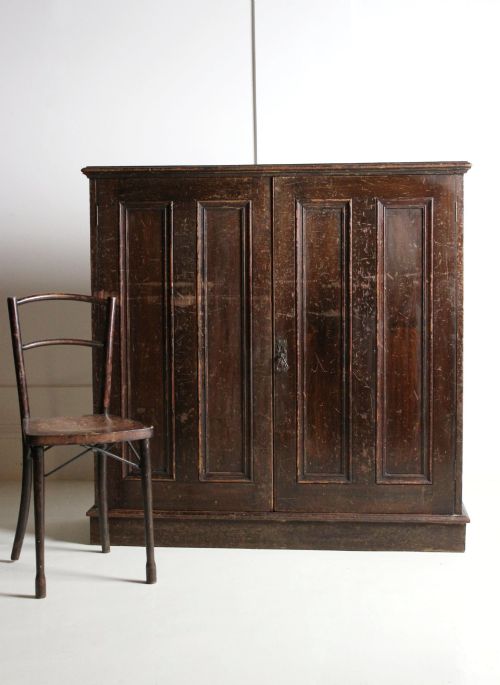
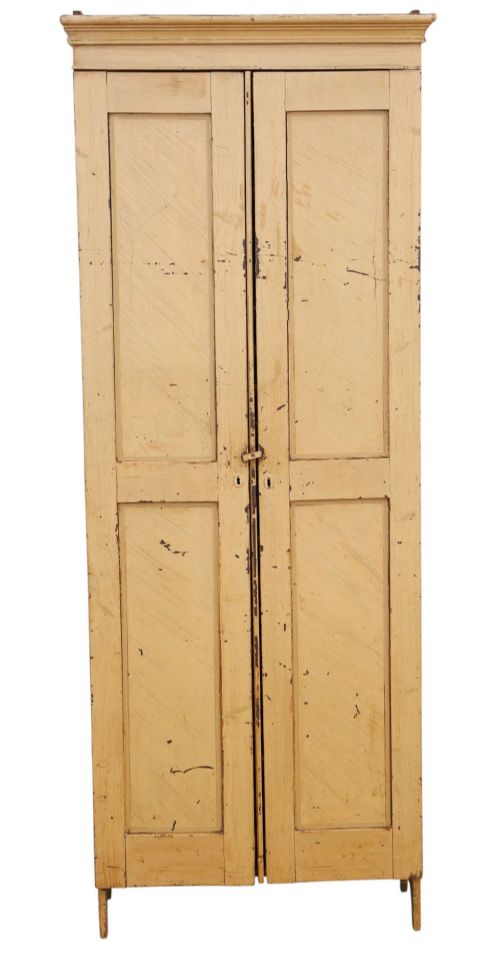
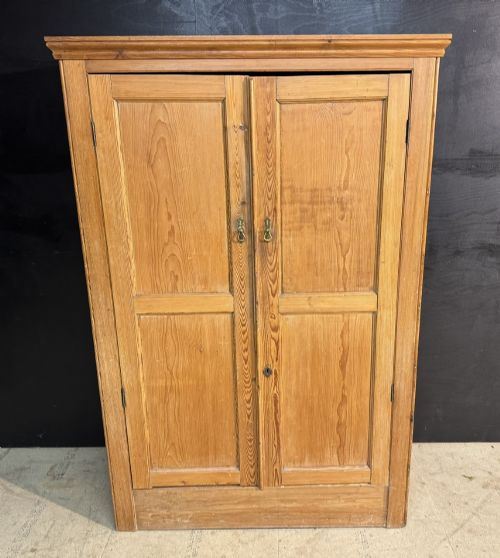
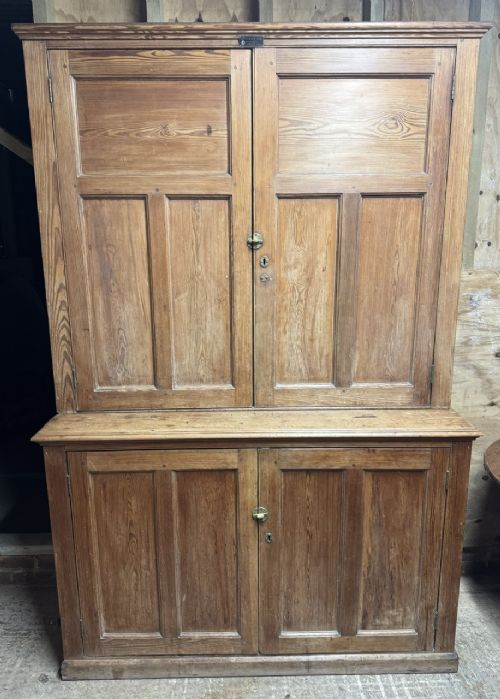
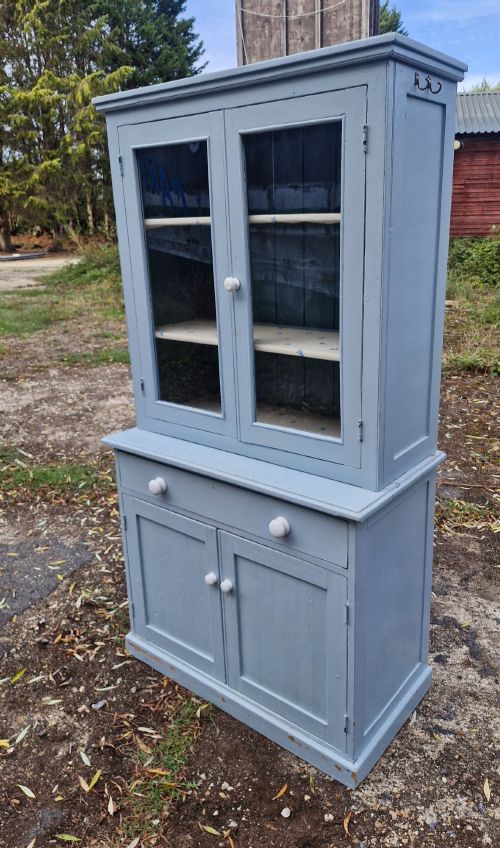
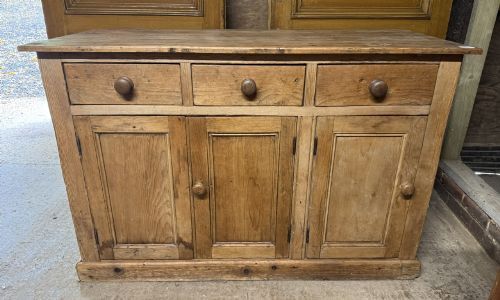
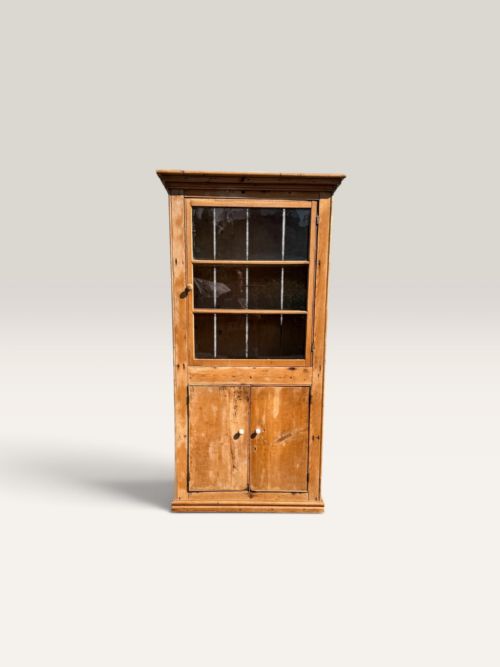
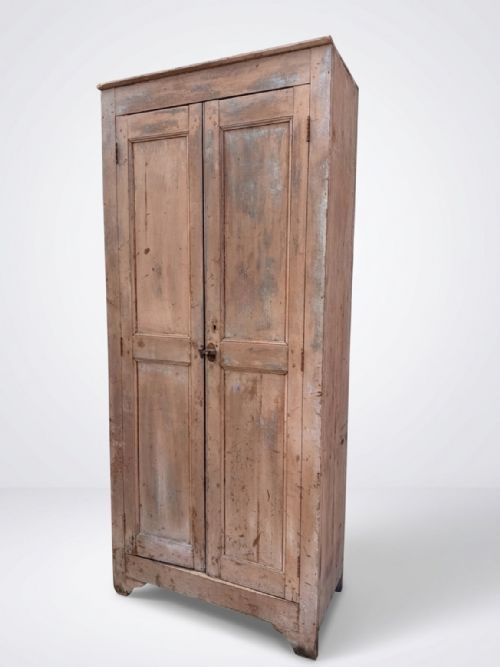
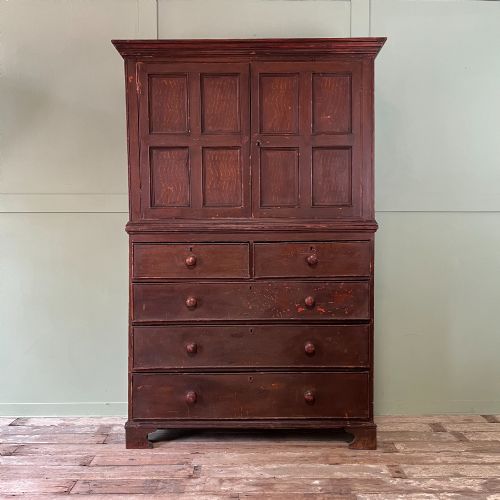
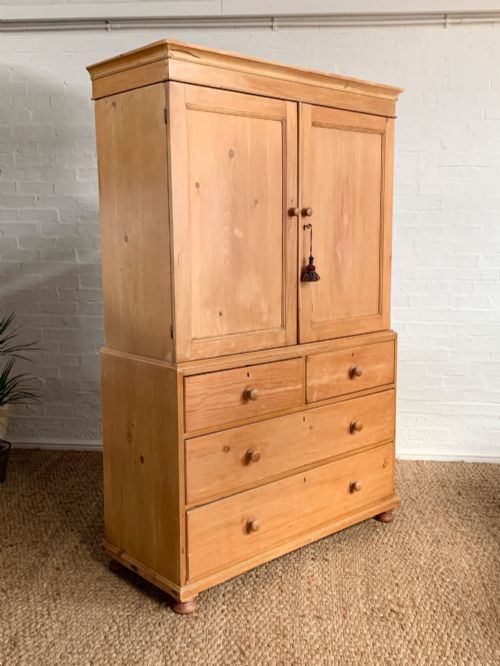
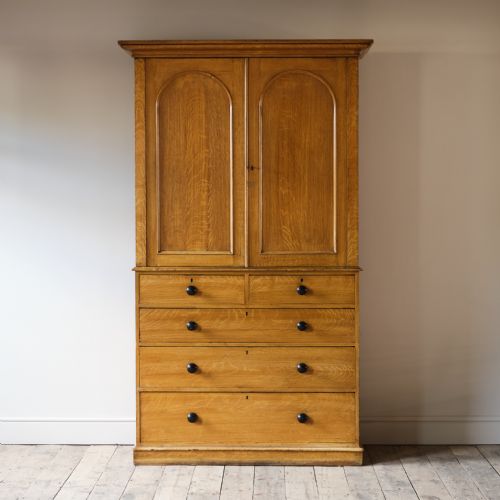
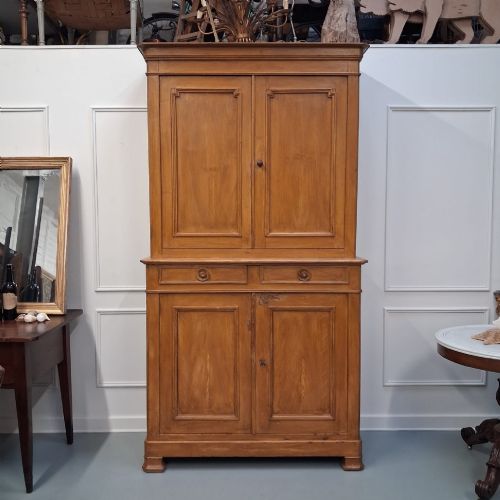
Country Pine Housekeeper Cupboard
A country pine housekeeper cupboard is a substantial storage piece designed for domestic utility, offering deep shelving and functional compartments for linen or provisions.
Country Pine Housekeeper Cupboard
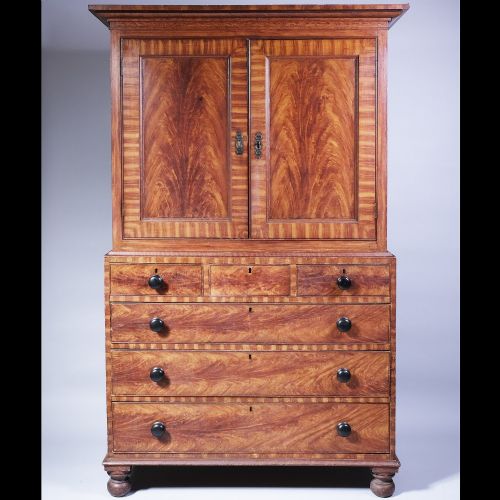
A country pine housekeeper cupboard represents the heavy-duty utilitarian storage built for large domestic kitchens and linen rooms from the eighteenth century through to the early twentieth century. These pieces emerge primarily in Georgian, Victorian, and Edwardian periods, frequently originating from regional British workshops, particularly the West Country, alongside continental examples such as French provincial pieces.
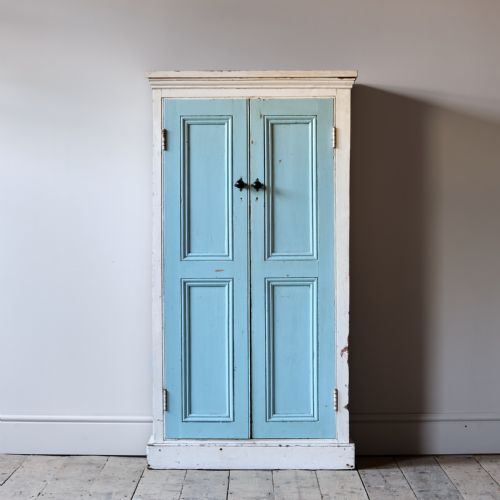
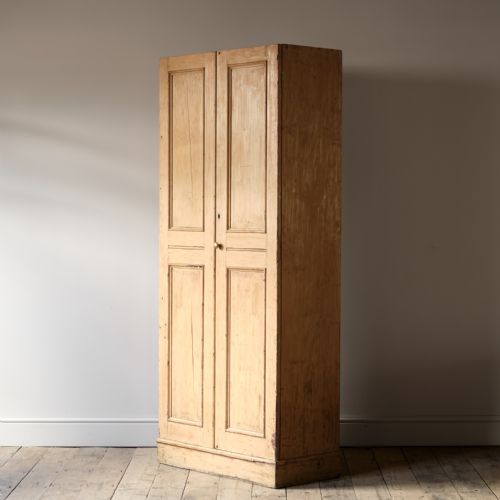
The form spans tall two-part kitchen cupboards, linen presses, larder units, and large multi-door wardrobes designed to hold household provisions and textiles. Surviving examples range from simple waxed surfaces to original scumble painted finishes or later cream paint, reflecting decades of domestic use.
How they were made
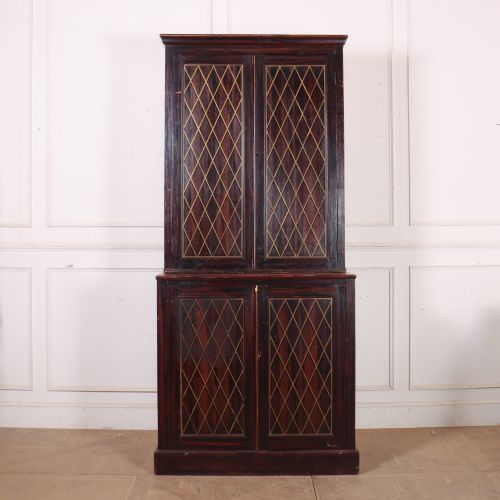
Makers constructed these large carcases using solid pine, sometimes combining panelled doors with iron or brass hardware and occasional glazed sections for display. Construction often utilised knockdown frames to allow these heavy storage units to be transported and assembled within large country houses and farmhouses.
Surface treatments varied from waxed natural timber to layered paint finishes, including scumble painting and grained effects that imitated more expensive hardwoods. Original paint layers frequently survived beneath later coats, showing the functional shifts in domestic taste over time.
Many a Victorian housekeeper guarded the cupboard key as fiercely as the crown jewels, knowing the sugar loaf was safely locked within.
What varies in quality
Quality rests in the architectural proportions of the carcase, the integrity of the original timber, and the survival of early or original paint surfaces. Pieces retaining untouched scumble paint or authentic regional characteristics stand apart from heavily stripped or altered examples.
Internal arrangement and structural joinery dictate utility, with well-fitted shelving and original panelled doors demonstrating superior workshop practice compared to later utility alterations.
The Country Pine Housekeeper Cupboard Glossary
- Housekeeper cupboard
- A large storage cabinet traditionally used to store household linens, dry goods, and kitchen provisions. These pieces typically feature multiple doors and internal shelving.
- Scumble paint
- A decorative glazing technique applied over a lighter base coat to imitate the grain of finer woods. This finish was common on nineteenth-century vernacular furniture.
- Knockdown wardrobe
- A large piece of furniture constructed to be disassembled into modular panels for ease of transport and installation. This method was essential for heavy country furniture.
- Linen press
- A tall cupboard featuring upper sliding trays or shelves for folded textiles and lower drawers for bulkier items. They form a key category within domestic storage history.
- Fielded panel
- A wooden panel with bevelled edges that fits into a grooved frame, allowing the timber to expand and contract with humidity changes. It adds structural stability to large cabinet doors.
Country Pine Housekeeper Cupboard: Frequently Asked Questions
What is a country pine housekeeper cupboard?
A country pine housekeeper cupboard is a large, utilitarian storage cabinet designed for domestic kitchens and linen rooms. These pieces provided substantial shelving and compartmentalised space for provisions and textiles.
Originating mostly in the eighteenth and nineteenth centuries, they reflect the practical storage needs of large households. Regional examples often display distinct regional characteristics in their proportions and paint finishes.
How were housekeeper cupboards used?
Housekeepers used these large cupboards to secure household linen, dried foods, tableware, and domestic supplies. The deep shelves and internal compartments kept goods organised and protected from dust in busy country kitchens.
Many designs combined upper cupboards with lower drawers or presses, creating a central storage hub for the domestic staff of large estates and farmhouses.
How do I tell original paint from modern paint?
Original paint surfaces typically show natural wear, craquelure, and multiple thin underlying layers built up over decades of use. Modern painted finishes often appear flat and uniform without the organic fading associated with age.
Examining corners, hinges, and protected recesses helps reveal the true age of the surface coating beneath later decorative layers.
Where were these cupboards made?
These cupboards were made across Britain and continental Europe, with particular concentrations appearing in rural workshops and regional centres such as the West Country. Regional makers utilised locally available softwood pine to build robust, practical furniture.
French provincial and Gustavian traditions also produced comparable storage forms with distinct regional mouldings and panel details.