
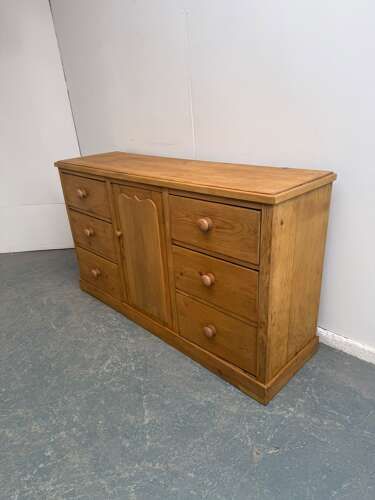
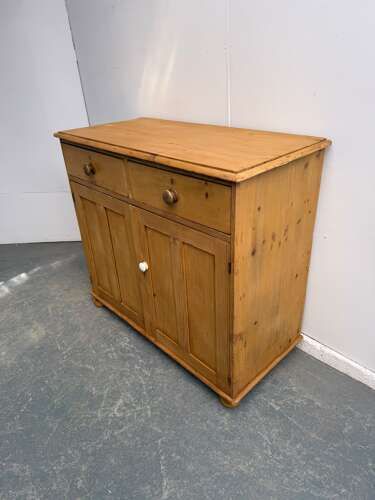
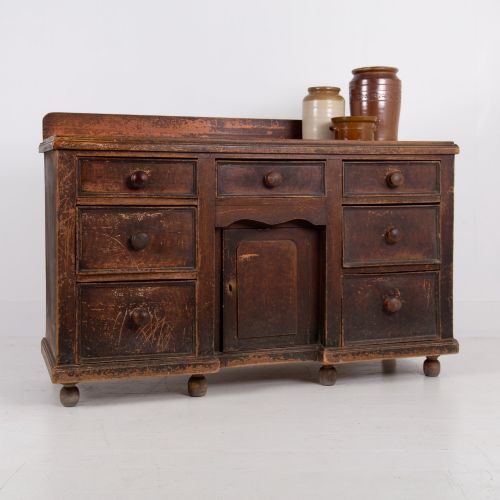
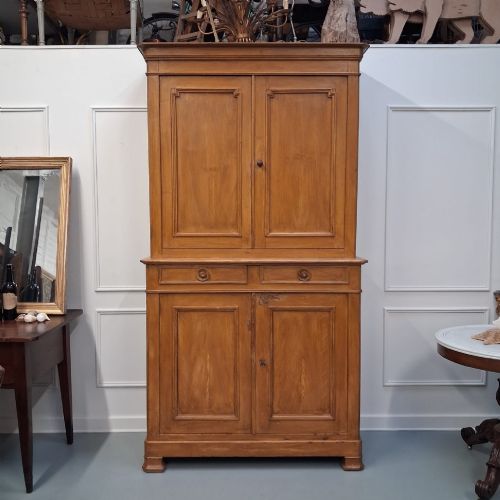

Country Pine Cupboard Base
A country pine cupboard base brings practical utility and honest proportions to a room, offering sturdy storage rooted in domestic history.
Country Pine Cupboard Base
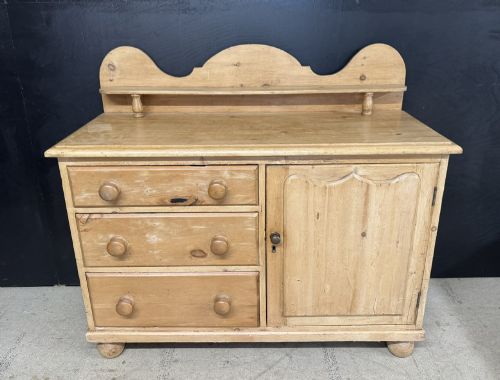
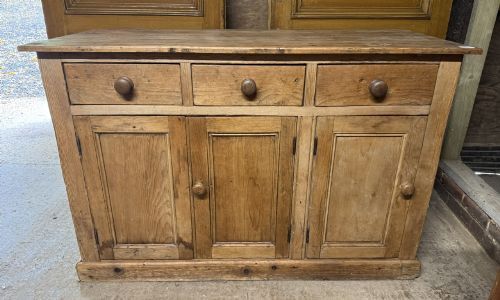
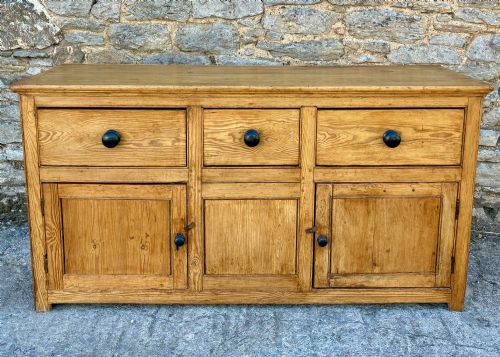
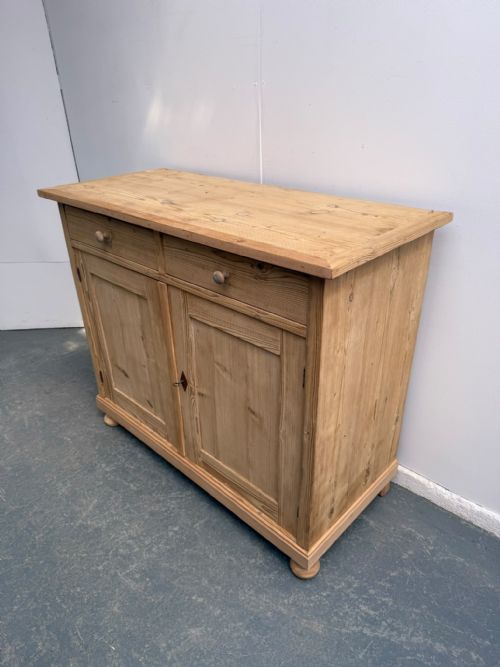
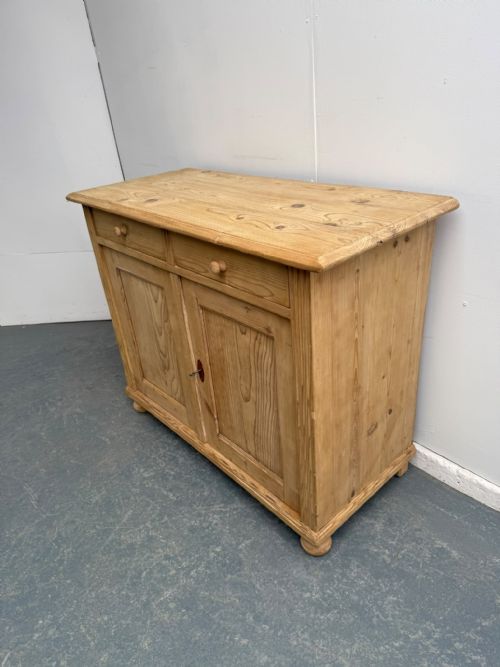
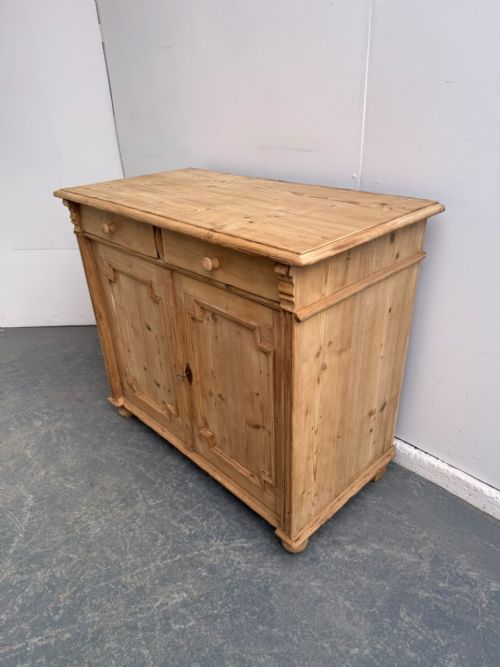
A country pine cupboard base provides a low-level storage unit designed for everyday domestic use, often functioning as a sideboard or dresser lower section. When searching for a country pine cupboard base, buyers encounter pieces spanning the Georgian, Victorian and Edwardian eras, with nineteenth-century examples dominating the selection.
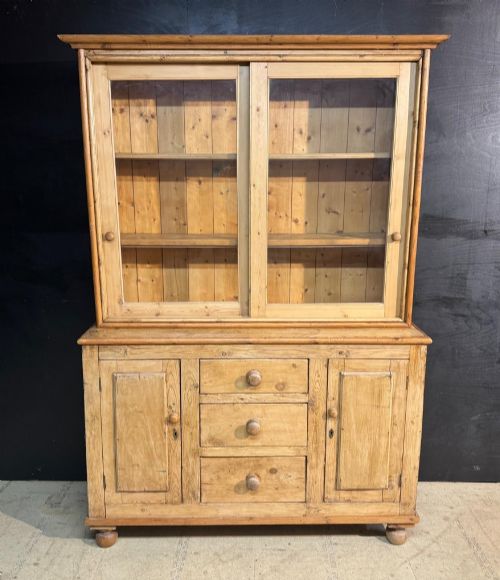
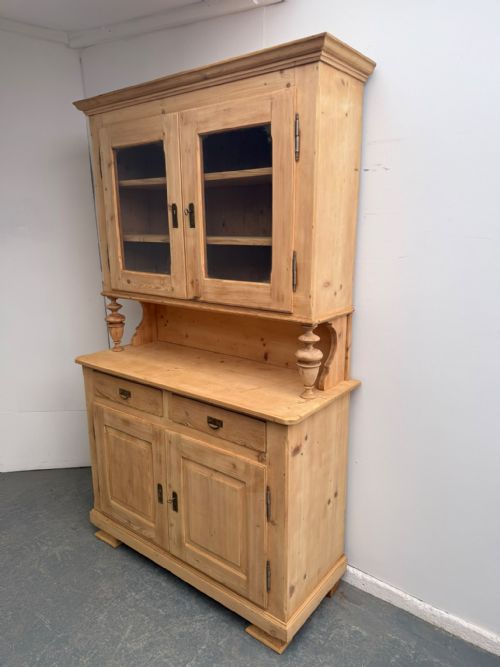
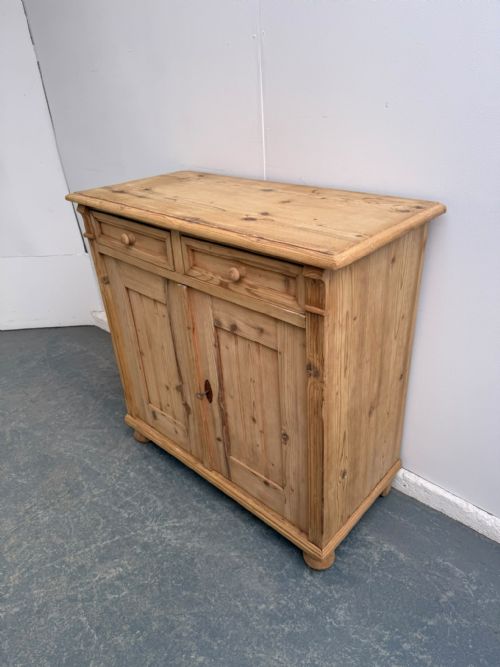
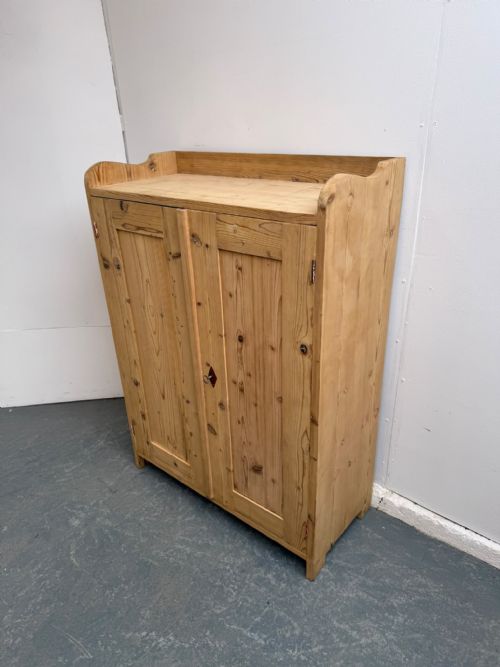
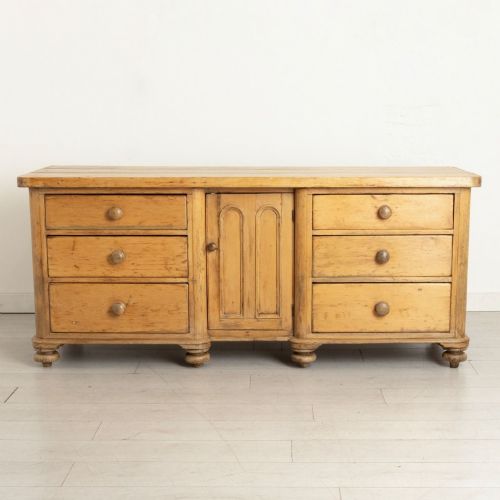
These items originate from diverse domestic settings across Britain and Europe, including English country houses, Welsh homes, Scottish dairies and French provinces. The most common format on this page is the two-door, two-drawer Victorian dresser base, alongside kitchen dressers, sideboards and housekeepers cupboards.
Makers built these pieces for service rather than display, utilising durable softwood timber that accommodates both waxed finishes and original paint layers. Regional variations appear through proportions and hardware, such as shallow depths or bread slides integrated into the cabinetry.
Materials and construction
Carpenters constructed these cupboards primarily using solid pine, a softwood valued for its workability and local availability across British and European workshops. Timber boards formed the carcase, doors and drawer boxes, whilst secondary woods sometimes supported internal framing and drawer linings.
Hardware elements incorporated brass, iron and ceramic components, such as drawer pulls, hinges and latches fitted during production or later maintenance. Surfaces received either a protective wax coat to highlight the grain or coats of paint, with some pieces retaining their original historic painted finishes.
Joinery techniques relied on traditional hand-cut methods suited to utilitarian furniture, ensuring sturdy construction capable of enduring decades of heavy kitchen use. Cupboard doors typically feature panelled construction hung on iron hinges, while drawers employ straightforward dovetail or lap joints.
Listings feature pine, painted wood and ceramic elements across Victorian, Georgian and Edwardian periods.
Assessing quality and character
Quality in a country pine cupboard base rests upon the integrity of its proportions, timber selection and the survival of original surface treatments. Superior examples exhibit balanced architectural lines, harmonious drawer and door arrangements, and well-chosen pine boards with minimal disruptive replacement timber.
The nature of the finish significantly influences character, as pieces retaining untouched original paint or early scrubbed surfaces hold distinct historical interest compared to later stripped variants. Internal configuration also dictates utility, with well-fitted shelving and working drawers representing thoughtful original craftsmanship.
The Country Pine Cupboard Base Glossary
- Dresser base
- The lower section of a kitchen dresser, comprising cupboards and drawers beneath a flat top surface. This configuration often stands independently as a sideboard.
- Housekeepers cupboard
- A large storage cabinet traditionally used in substantial homes for linen, dry goods or tableware. These tall pieces feature deep internal shelving and substantial two-door facades.
- Bread slide
- A pull-out wooden board integrated into the cabinetry above drawers, historically used for cooling baked loaves. This feature appears in select nineteenth-century kitchen furniture.
- Chiffonier
- A compact sideboard or low cupboard developed in the nineteenth century, typically featuring enclosed storage below a drawer or shelf surface. They suit smaller domestic spaces.
- Original paint
- Surface decoration applied during the period of manufacture that has survived without later stripping or modern repainting. Collectors value this untouched finish for its authentic aesthetic patina.
Country Pine Cupboard Base: Frequently Asked Questions
What is a country pine cupboard base used for?
These units serve as versatile storage furniture in kitchens, dining rooms and hallways, providing robust surface space and concealed shelving. Historically designed for household provisions and tableware, they suit modern living as sideboards, media units or linen storage.
The deep drawers and enclosed cupboards accommodate heavy items while keeping rooms tidy. Their flat upper surfaces also provide ample display space for ceramics, lamps or decorative objects.
How do I date a nineteenth-century pine cupboard?
Dating relies on observing construction methods, hardware types, timber characteristics and stylistic cues from specific eras like the Georgian or Victorian periods. Hand-cut joinery, forged iron hinges and original brass or ceramic pulls offer reliable chronological markers.
Changes in proportion and decorative details also help distinguish early nineteenth-century examples from later 1900s or Edwardian pieces. Comparing the patination of the pine and the wear patterns on the feet provides further clues to age.
Should I choose waxed or painted pine?
Choosing between a waxed finish and painted pine depends on your interior aesthetic and whether the piece retains historic paint. Waxed pine highlights the natural grain and warm tones of the softwood timber, fitting rustic and traditional schemes.
Painted examples, particularly those with original nineteenth-century colour, offer bolder visual impact and historical authenticity. Many unpainted pieces also arrive prepared for buyers to wax or paint according to their preference.
Are these cupboards suitable for small kitchens?
Many country pine cupboard bases come in compact proportions, including shallow depths and narrower two-door formats designed for tighter spaces. Edwardian chiffoniers and smaller nineteenth-century dresser bases offer practical storage without dominating a room.
Checking the specific measurements of width, depth and height ensures the unit fits your intended floor plan. Their low height also prevents rooms from feeling overcrowded compared to tall dressers.