
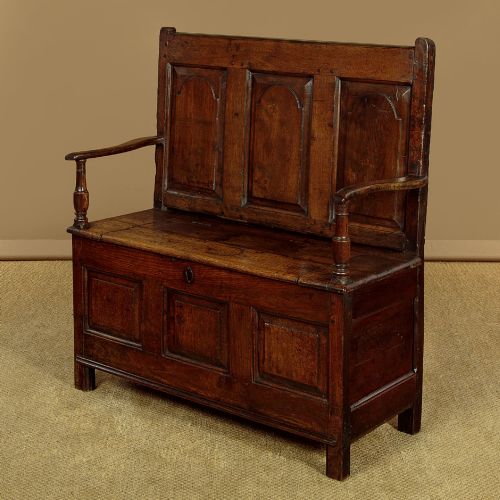

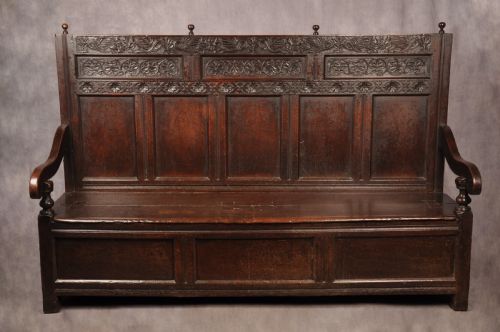

Country Oak Hall Bench
A country oak hall bench provides robust seating rooted in vernacular tradition, offering practical utility and enduring character for an entryway.
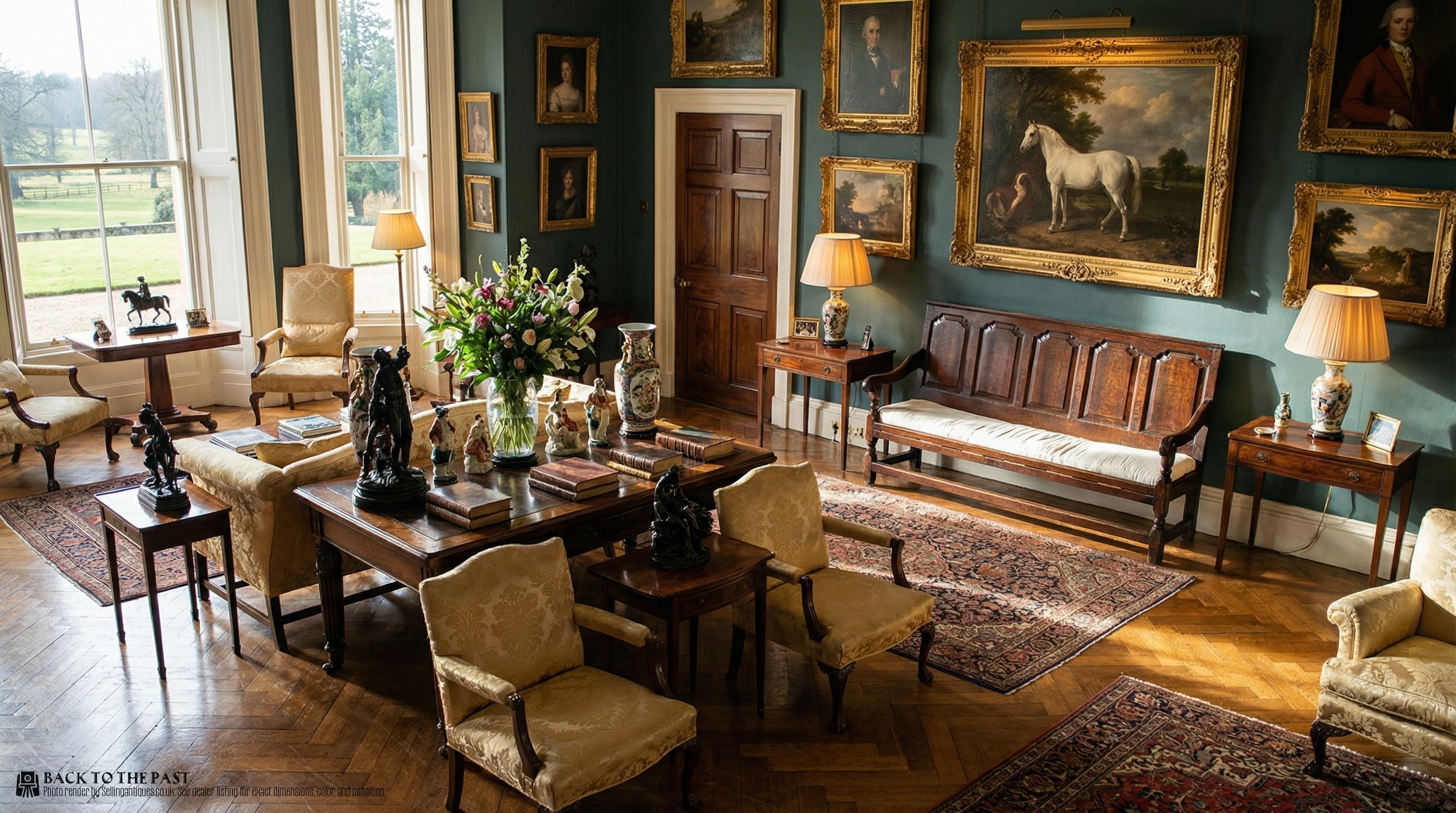
Country Oak Hall Bench
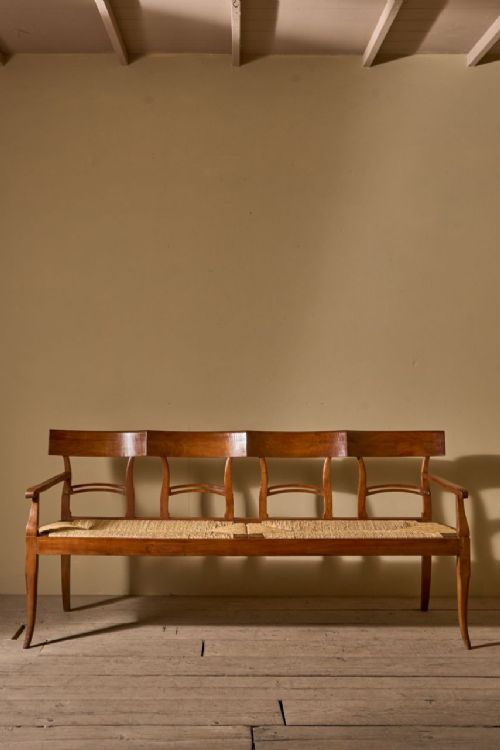
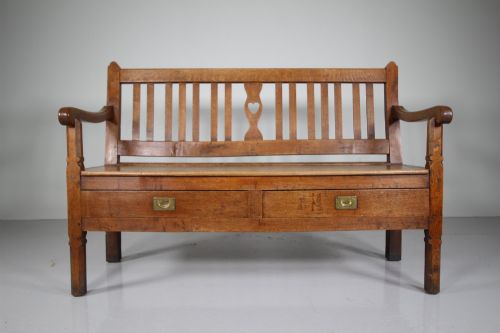
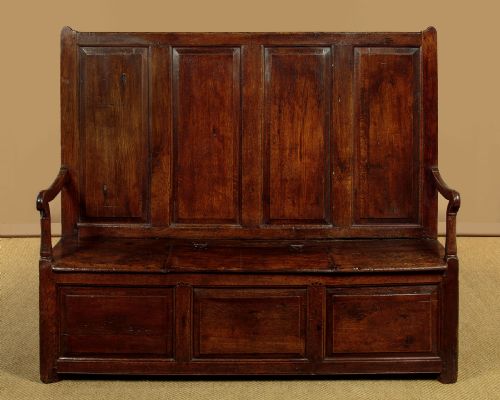
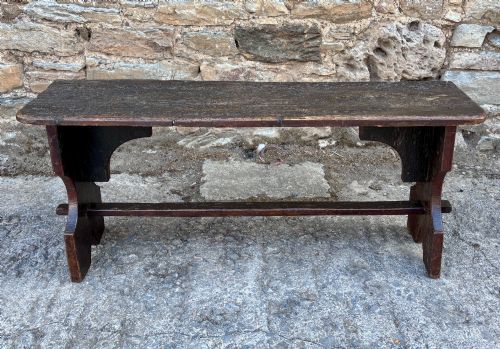
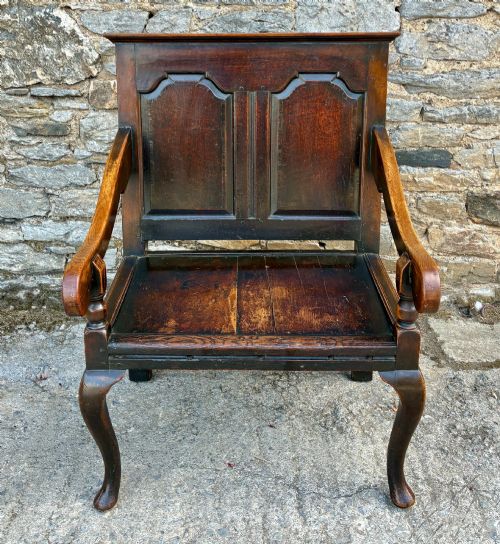
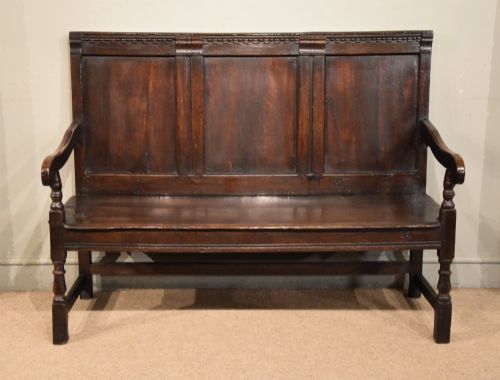
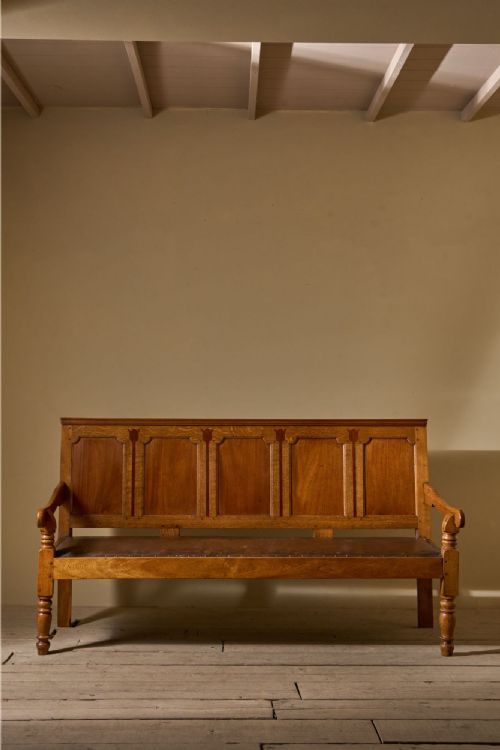
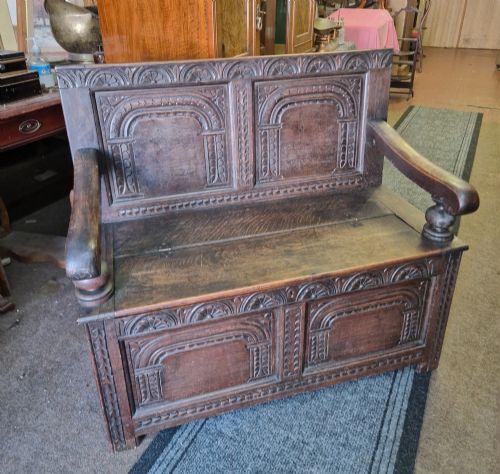
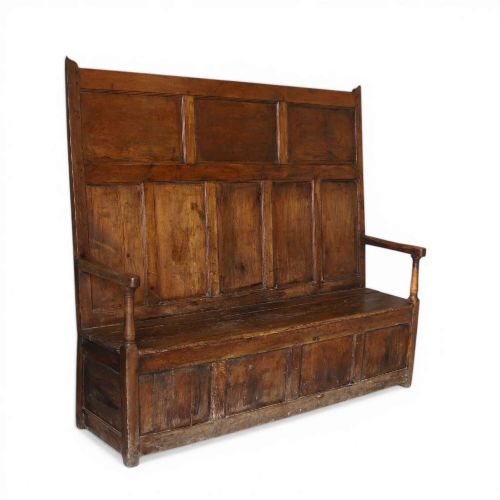
A country oak hall bench encompasses traditional forms such as settles, panel-backed seats, and box settles originating from domestic vernacular traditions. These pieces appear across the seventeenth, eighteenth, and nineteenth centuries, reflecting regional styles from English, Welsh, French, and Irish workshops.
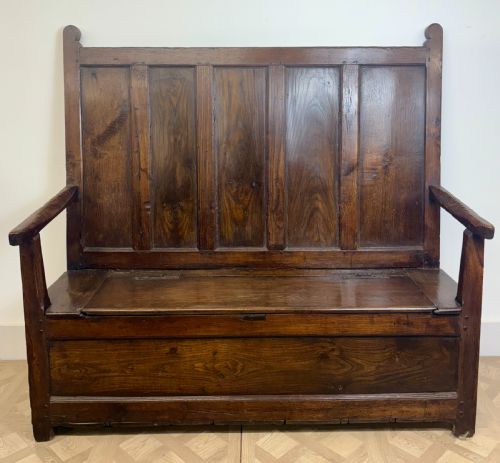
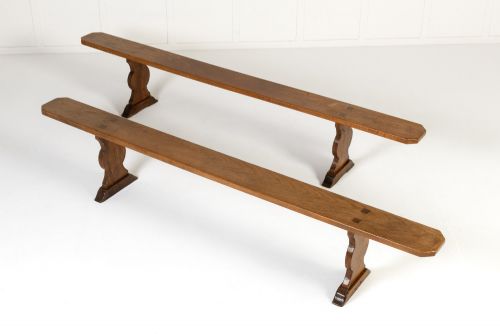
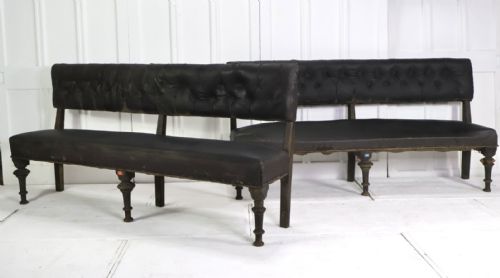
Settles with high panelled backs and storage boxes beneath the seat frequently emerge in these listings alongside simpler open benches. Buyers encounter various designations including boot stores, window seats, and bacon settles, all sharing a heavy timber construction suited to heavy daily use.
What varies in quality
Quality rests upon the integrity of the timber selection and the retention of original structural elements. Pieces retaining their early panel work and unreplaced box bases command greater attention than those with extensive timber replacement.
Several box settles include integrated boot storage, acknowledging that muddy footwear has troubled homeowners for centuries.
The Country Oak Hall Bench Glossary
- Box settle
- A wooden bench featuring a closed storage compartment beneath the seat. This form kept occupants away from cold draughts in older homes.
- Panel-back
- A seat back constructed from wooden panels fitted into a grooved frame. This technique provided structural strength and allowed for decorative carving.
- Vernacular furniture
- Domestic pieces made by local craftspeople for everyday use rather than high-style urban workshops. These items often display distinct regional characteristics.
- Wingback settle
- A high-backed wooden bench with integrated sides designed to block cold air. The curved extensions trap body heat around the person seated.
Country Oak Hall Bench: Frequently Asked Questions
How do I date an oak settle?
Dating relies upon examining the construction methods, such as hand-cut pegged joints, and the style of the panel work. Earlier pieces often display joined framing and boarded box bases without modern fixings.
Changes in timber colour and wear patterns around the arms and footrests further indicate age. Comparing the joinery style to known regional examples helps narrow down the period of production.
Where were these benches used?
These benches originally stood in the halls, kitchens, or doorways of farmhouses and country houses. Their high backs and enclosed bases protected inhabitants from draughts before central heating.
Today they function effectively in modern entryways, hallways, or boot rooms. Their built-in storage compartments offer practical space for shoes and household items.
What is a bacon settle?
A bacon settle is a specialised regional variant featuring hooks or a slatted upper back section. Households used these areas to hang and dry cured meats.
These pieces combine standard seating with domestic utility. Surviving examples reflect the practical requirements of large rural households.
How should I care for antique oak?
Maintain oak furniture by applying natural beeswax periodically to nourish the dry timber. Avoid placing pieces near direct heat sources or strong sunlight which can cause wood to split.
Dust surfaces regularly with a soft dry cloth. Minimise moisture contact to preserve the aged patina developed over centuries.