

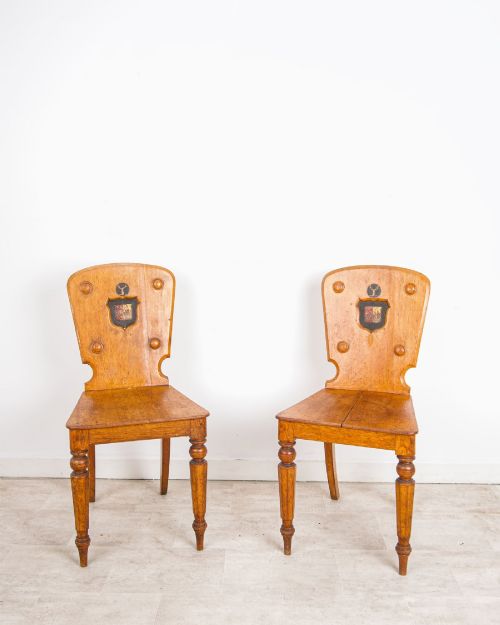


Country Oak Arm Chair
When you search for a country oak arm chair, you seek vernacular seating shaped by local hands using solid timber.
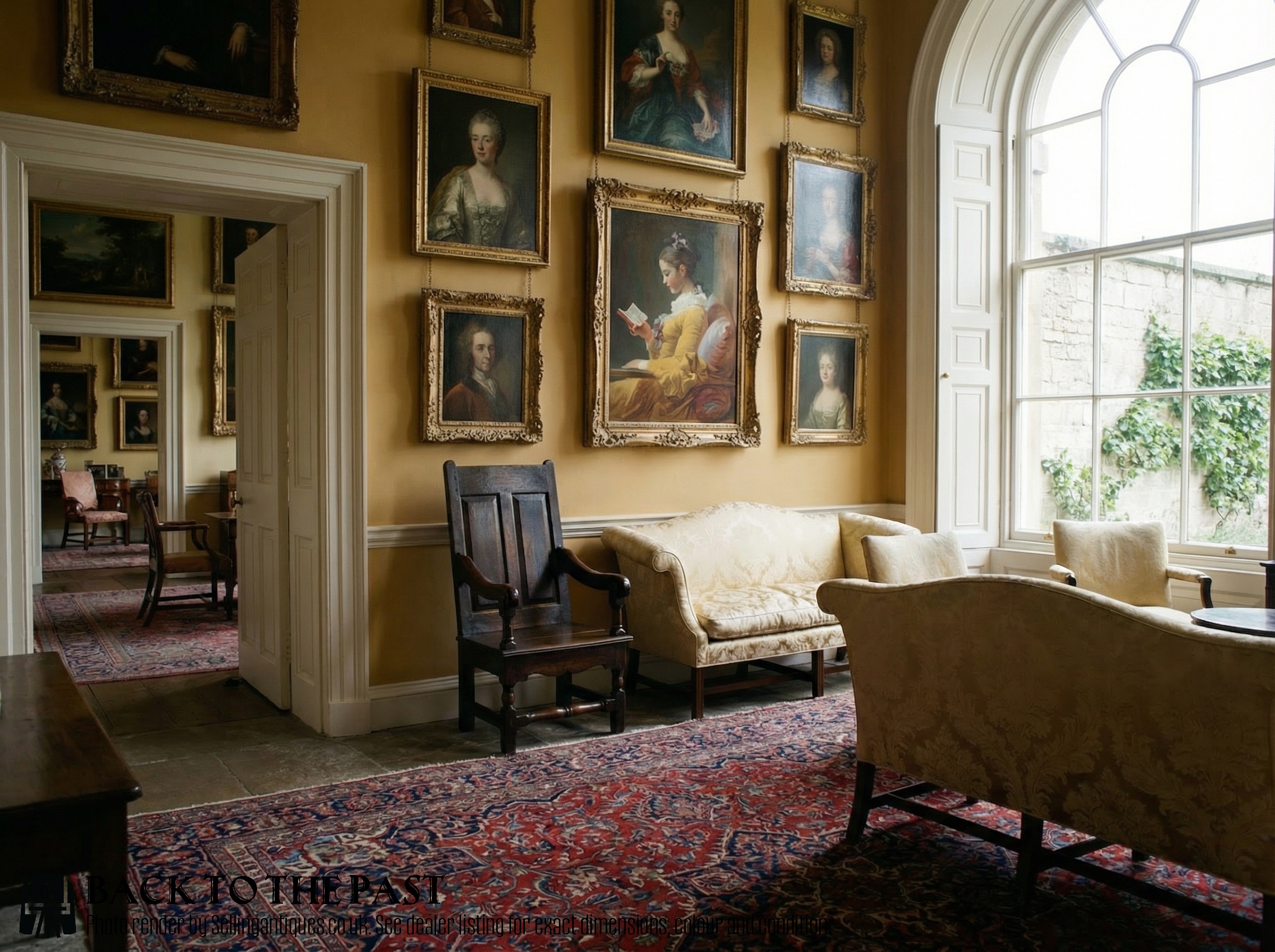
Country Oak Arm Chair
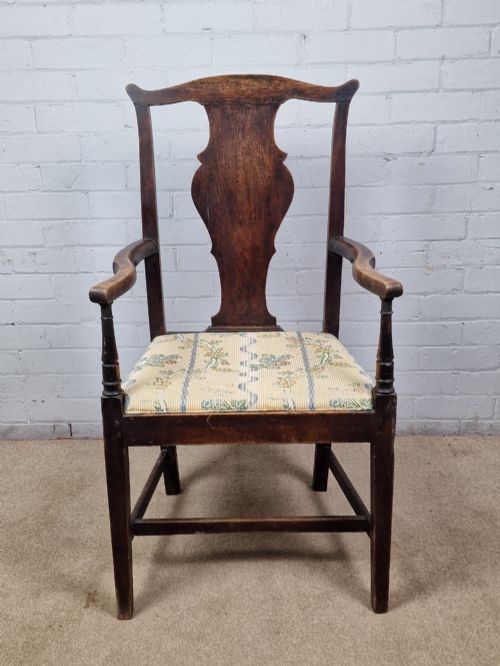
The selections on this page feature regional British vernacular designs, including Welsh, Yorkshire, and Thames Valley pieces, alongside occasional continental examples. Buyers meet both heavy spindleback styles and broad-arm reading chairs designed for comfort rather than formal parlour display.
How They Were Made
Maker-joiners utilised solid timber framing, typically pairing an oak structural framework with elm, ash, or beech for seats and spindles. This mixed-wood construction provided necessary flexibility to high-stress components while keeping the main frame rigid.
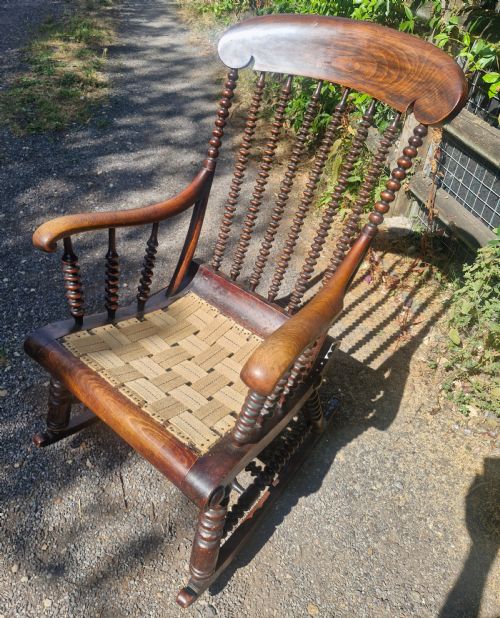
Joinery methods relied on traditional pegged mortise and tenon joints, steam-bent elements for bows and arms, and occasionally turned components utilising bobbin or spindle turning techniques. Seats were frequently carved from a single solid slab of timber or fitted with woven rush.
Listings span from the late seventeenth century through the Edwardian period, utilising oak, elm, ash, and beech across English, Welsh, and French origins.
What Varies in Quality
Quality rests in the integrity of the original construction and the survival of surface patination developed through centuries of handling. Examples retaining their initial pegged joints, uncompromised timber thickness, and original rush or wooden seats stand apart from heavily restored or altered pieces.
Proportion and regional character dictate desirability, with rarer forms like early wainscot chairs or well-balanced Windsor armchairs showing greater refinement in their turned supports and carved crest rails. Lesser examples exhibit replaced stretchers, trimmed legs, or unsympathetic modern re-gluing.
The Country Oak Arm Chair Glossary
- Wainscot
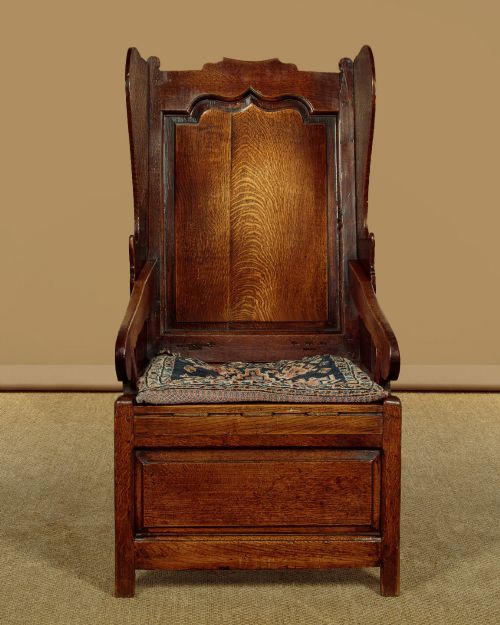
- An early wooden armchair constructed with panelled backboards and solid box-like frames, typical of seventeenth-century domestic interiors.
- Windsor
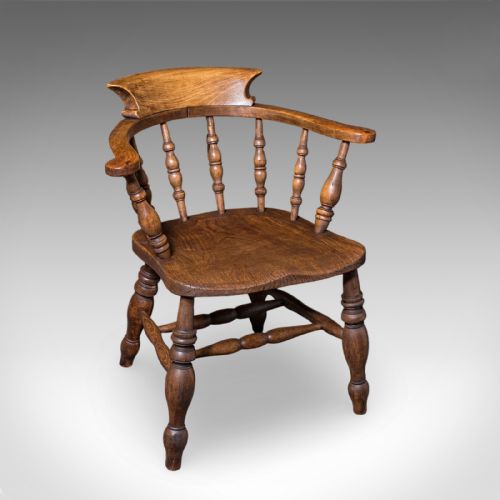
- A chair style featuring a solid wooden seat into which the legs, back staves, and bow are independently raked and wedged.
- Lambing chair
- A high-backed vernacular armchair, often fitted with enclosed sides or draught wings to protect the sitter from cold indoor air currents.
- Vernacular
- Objects designed by local tradesmen for practical domestic use rather than following strict academic architectural or stylistic rules.
- Rush seat
- A woven seating surface made from dried marsh reeds, commonly found on ladder back and regional country chairs.
Country Oak Arm Chair: Frequently Asked Questions
How do I date an oak armchair?
Dating relies on observing construction methods, tool marks, and joint types. Earlier pieces from the seventeenth century show heavy panelled joinery and hand- split timber, whereas nineteenth-century versions utilise more uniform turned spindles and factory-assisted lathe work.
Changes in regional style, such as the evolution from boxy wainscot frames to curved Windsor bows, also help narrow down the period of manufacture.
Are country oak armchairs comfortable?
Many country armchairs were built with generous proportions and solid sculpted wooden seats designed for long hours of fireside sitting. Windsor and captain's chairs offer ergonomic curved backs that support the sitter naturally.
While they lack modern upholstery padding, adding a loose cushion provides additional comfort while preserving the original wooden seat.
What is the difference between a carver and an armchair?
In historical furniture terminology, a carver usually denotes an open armchair designed to match a set of dining chairs, often used at the head of a table. An armchair is a broader category that includes fireside, reading, and writing chairs not necessarily tied to a dining set.
Both terms frequently overlap in country vernacular furniture listings depending on regional naming conventions.
How should I care for an antique oak chair?
Keep wooden furniture away from direct heat sources and dramatic humidity fluctuations to prevent the oak and secondary timbers from splitting. Regular dusting with a dry cloth and occasional application of appropriate beeswax preserves the dry surface finish and natural sheen.
Avoid modern liquid polishes containing silicone, which can penetrate the grain and damage historic patination.