
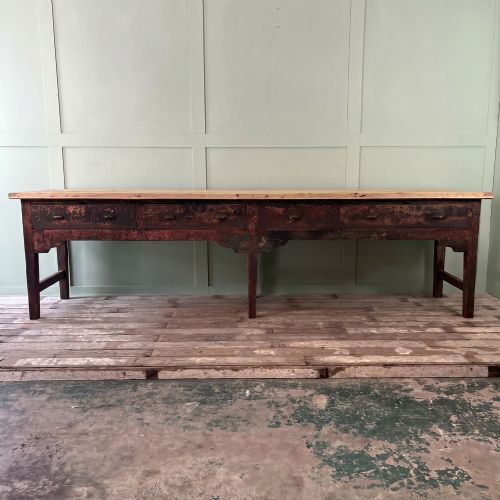
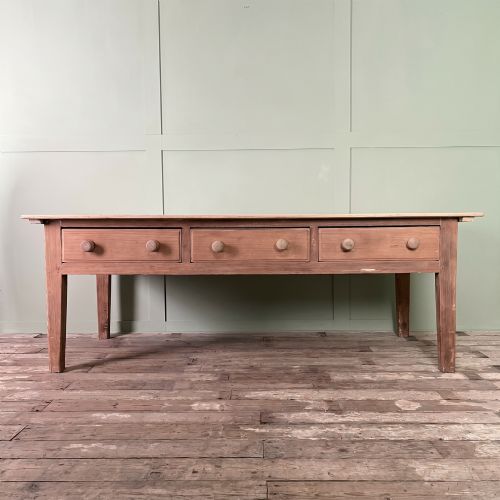
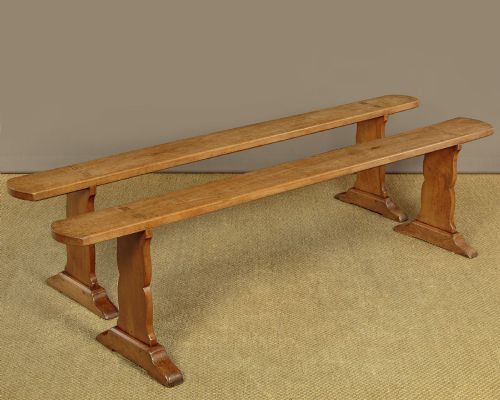
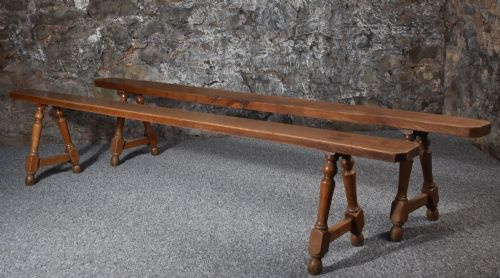

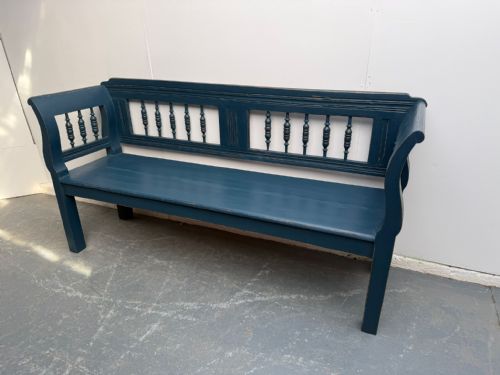


Country Kitchen Wooden Bench
These country kitchen wooden bench pieces bring practical rustic utility to modern interiors.
Country Kitchen Wooden Bench
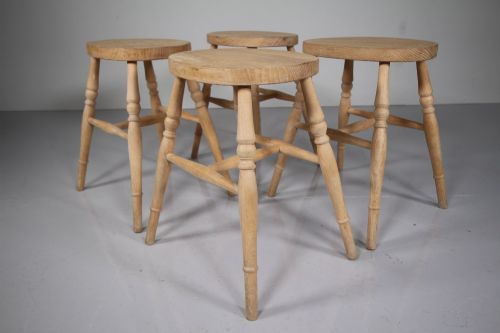
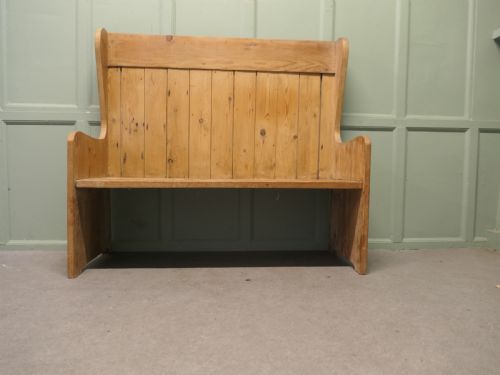
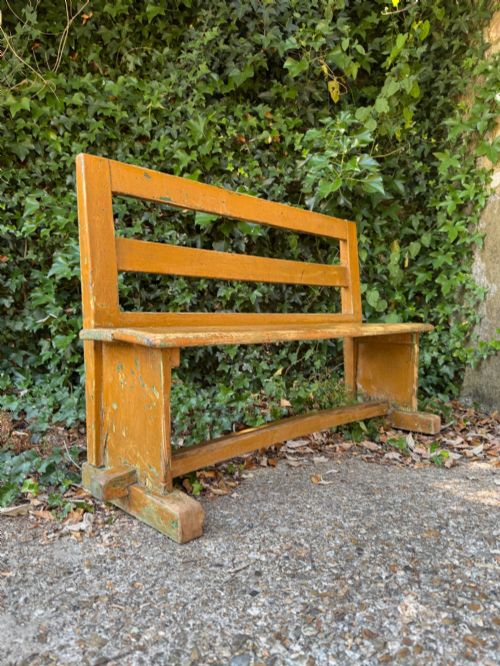
A country kitchen wooden bench serves as functional seating and preparation furniture rooted in utilitarian domestic spaces. When exploring a country kitchen wooden bench, buyers encounter forms ranging from long tavern seating to high-back settles.
The selections span the nineteenth century into the early twentieth century, drawing from English, French, Swedish, Hungarian, and Austrian origins. Pine and cherrywood emerge most frequently across these regional traditions.
Makers shaped these pieces for hardworking environments like dairies, bakeries, and farmhouses. Simple plank construction and sturdy frames define the surviving examples available to collectors today.
Materials and Construction
Wood selection focuses on domestic timbers capable of withstanding heavy daily use. Pine, oak, elm, sycamore, and cherrywood provide the structural foundation for seats, tables, and work surfaces.
Carpenters utilised traditional joinery alongside iron hardware where extra strength was required, particularly on workbenches fitted with vices. Original painted surfaces often survive in layers of blue or green pigments.
Some French workbenches still retain their original wooden vices, ready for unexpected workshop duties.
Assessing Quality and Character
Quality rests in the integrity of the timber and the honesty of the wear. Pieces retaining original paint finishes or untouched patination command greater attention from discerning collectors.
Proportion and scale distinguish finer workshops from utilitarian utility items. Longer dimensions, paired sets, and robust hardwood frames elevate the standing of individual pieces within domestic settings.
The Country Kitchen Wooden Bench Glossary
- Settle
- A wooden bench with a high back and solid arms designed to block draughts in farmhouses and pubs. These pieces often incorporate storage boxes beneath the seat.
- WorkBench
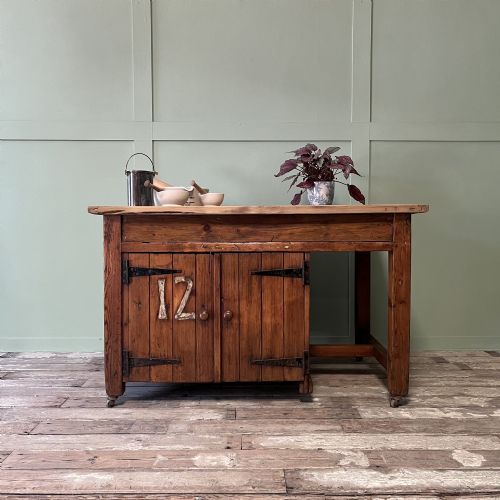
- A heavy utilitarian table fitted with vices and drawers for manual trade work. Carpenters and artisans utilised these sturdy timber structures daily.
- Refectory table
- A long narrow dining table traditionally used in communal dining halls. These sturdy forms pair naturally with long wooden benches.
- Patina
- The surface sheen and colour developed through decades of handling, cleaning, and ageing. This quality indicates genuine historical use.
- Prep table
- A low or counter-height table utilised for food preparation in domestic kitchens or dairies. These items typically feature scrubbed softwood tops.
Country Kitchen Wooden Bench: Frequently Asked Questions
How do I use a bench in a kitchen?
A wooden bench fits neatly alongside a dining table to maximise seating capacity in smaller kitchen spaces. They slide underneath tables easily when not in use.
Longer forms also function as sideboards or display ledges for kitchen ceramics and everyday utensils. Their narrow profiles suit hallways and boot rooms equally well.
Are these benches from the nineteenth century?
The inventory spans the nineteenth century through the early twentieth century, encompassing Victorian and Edwardian periods. Regional examples originate from France, Sweden, Austria, Hungary, and Britain.
Dates are assigned through construction methods, timber characteristics, and historical design markers. Most pieces reflect the utilitarian demands of European rural life.
What woods were used for these?
Pine appears most frequently across British, Scandinavian, and Eastern European listings. Cherrywood and oak also feature prominently in French and English workshops.
Sycamore and elm occasionally appear in dairy and kitchen preparation tables. These domestic timbers were chosen for their durability and availability.
How do I clean original painted wood?
Original painted surfaces require gentle cleaning with a soft, dry cloth to remove surface dust. Moisture should be avoided to protect fragile historical pigments.
Wax or harsh chemical cleaners can strip historic paint layers permanently. Maintaining the dry, untouched surface preserves the authenticity of the piece.