
Country House Wall Painting
Country house wall painting captures the domestic and sporting life of historic estates through oil on canvas, panels, and framed watercolours.
Country House Wall Painting
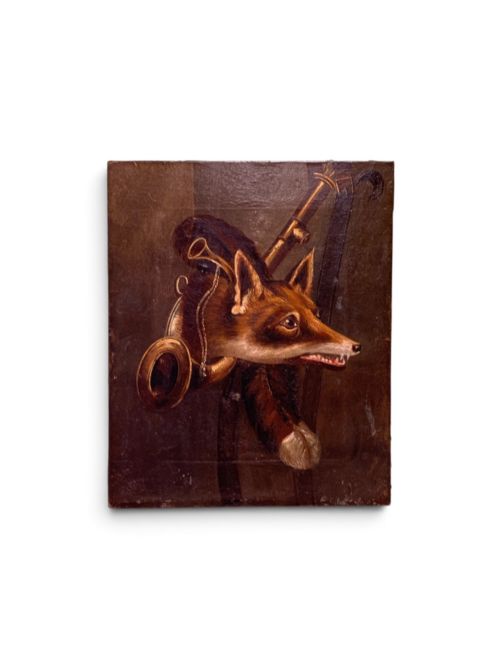
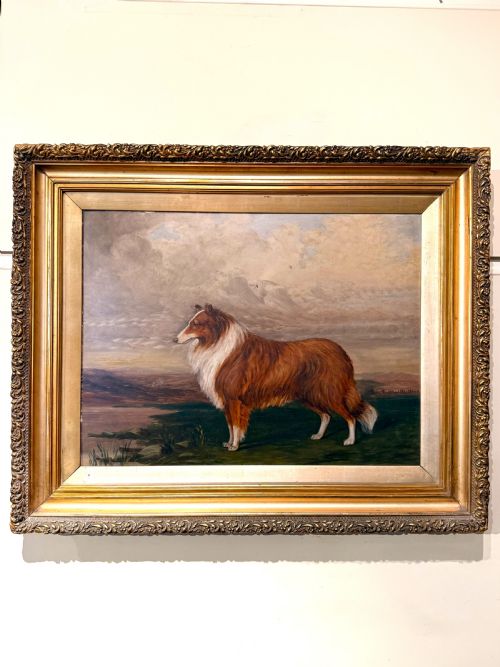
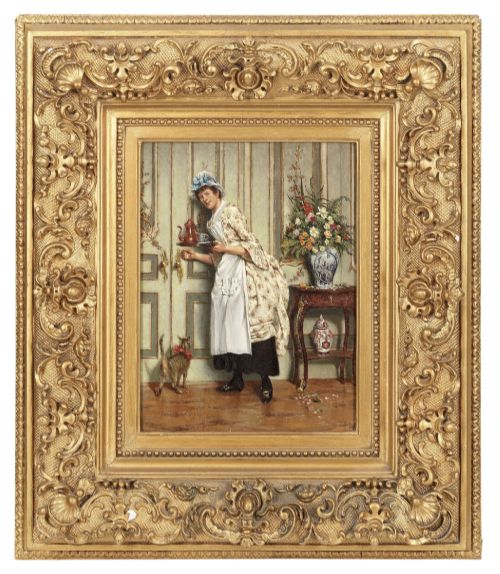
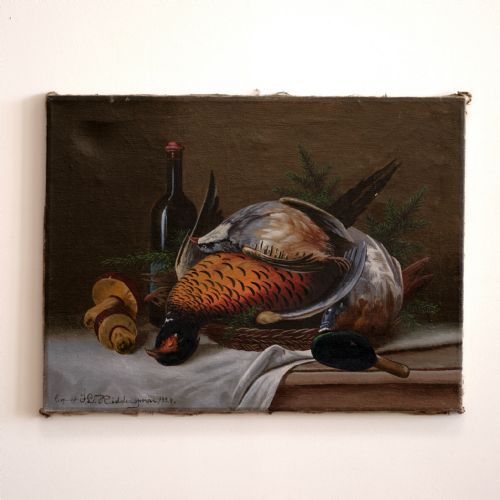
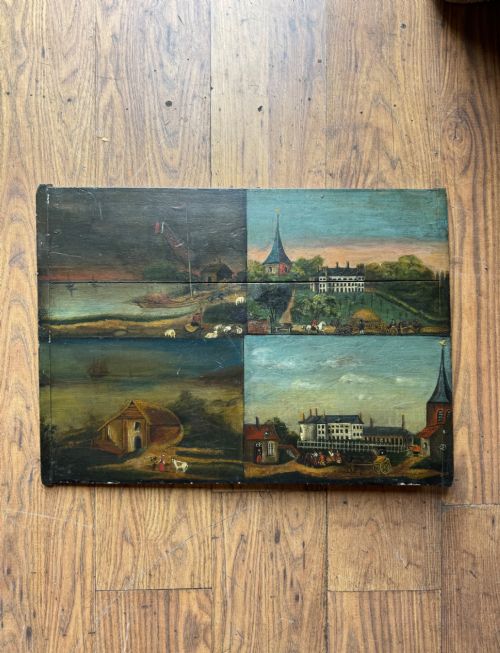
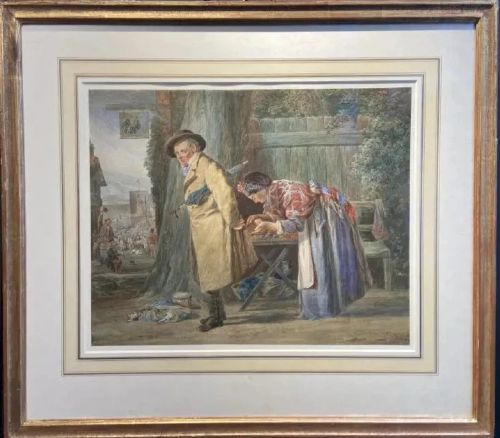
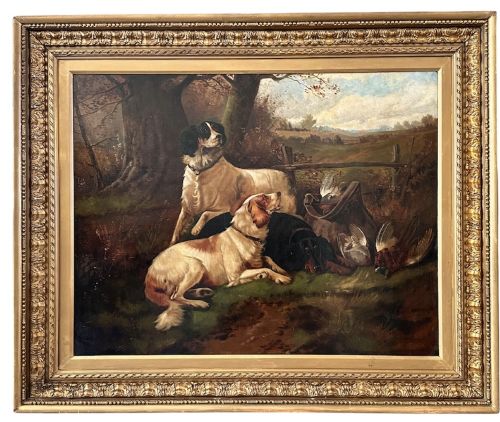
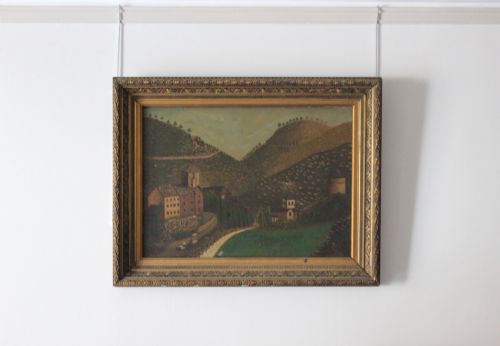
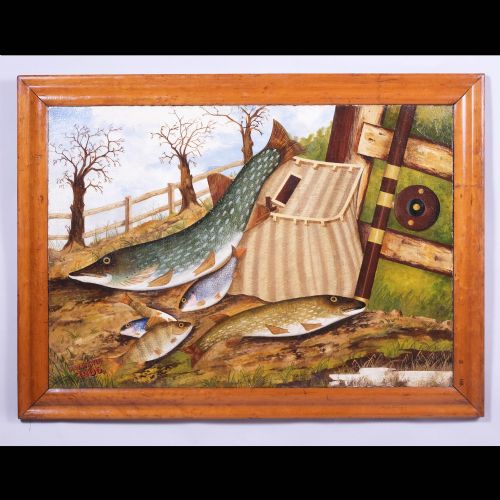
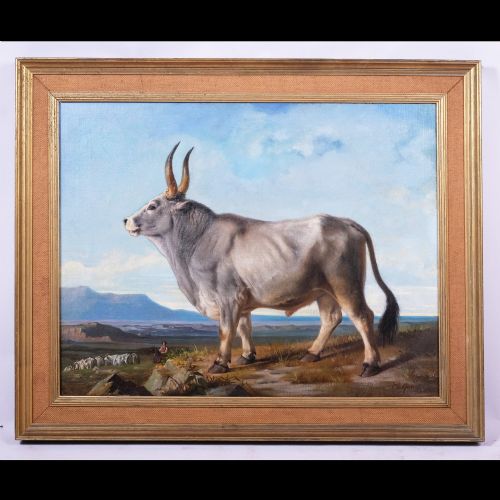
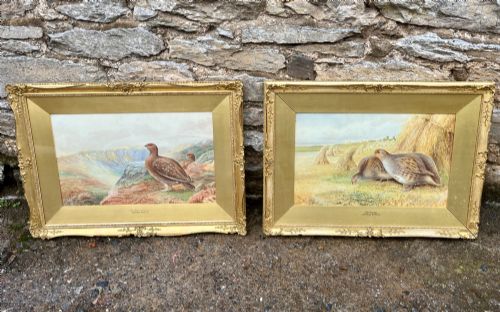
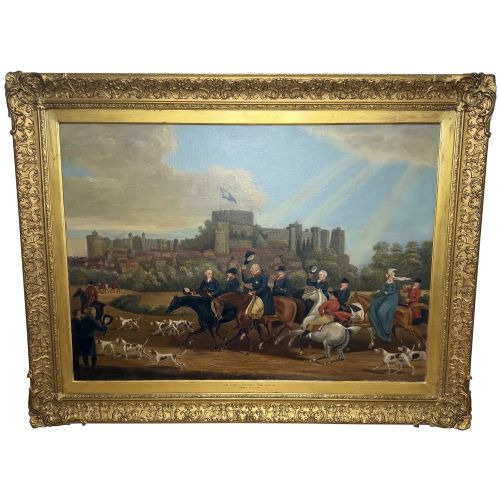
When you search for country house wall painting, you encounter a diverse selection of oil paintings, watercolours, and mixed media works rooted in rural estates and provincial homes. The examples span the nineteenth and early twentieth centuries, featuring sporting subjects, animal portraits, domestic interiors, and pastoral landscapes.
You are most likely to meet canvases and framed works depicting horses, gun dogs, farmyard scenes, and countryside vistas. These pieces reflect the aesthetic tastes of Victorian and Edwardian domestic spaces, often executed by regional artists or academic painters working in a realist tradition.
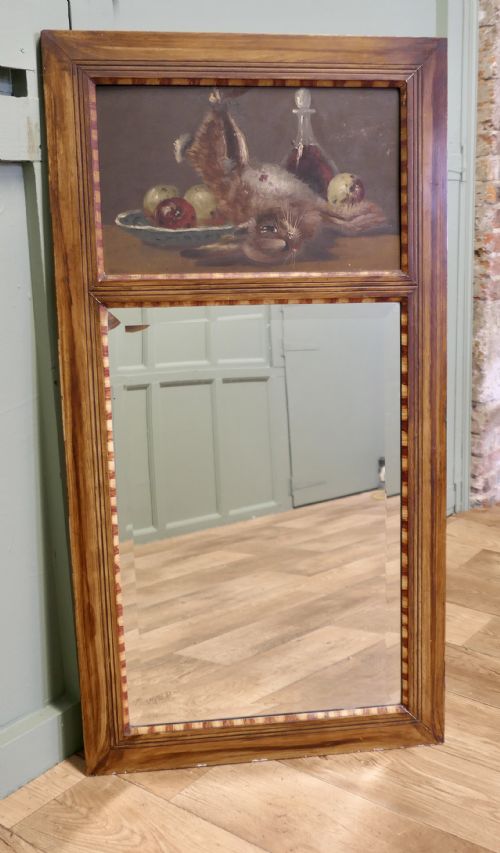
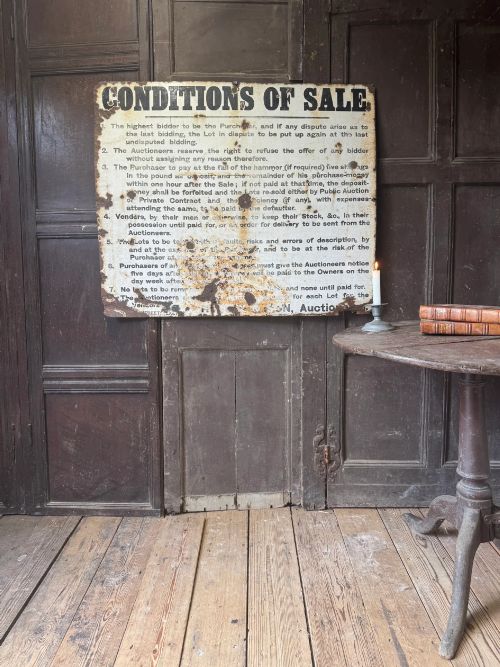
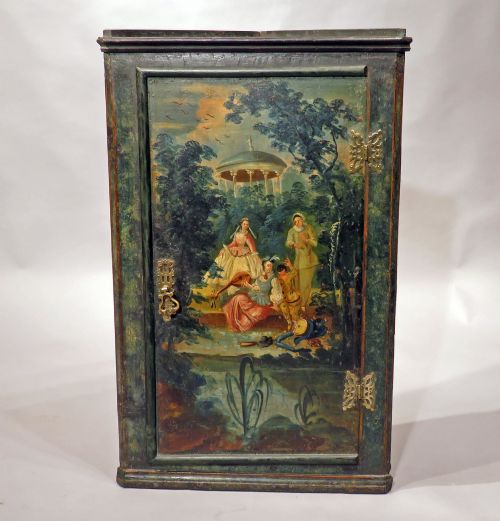
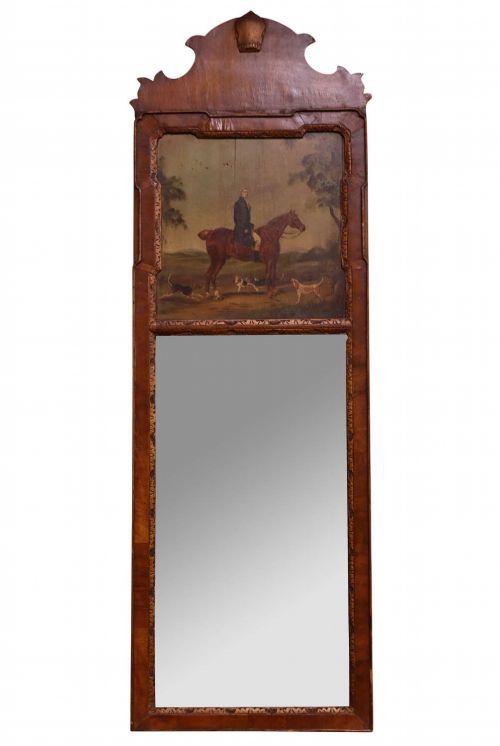
The selection also encompasses related decorative forms associated with period interiors, including painted mirrors and signed auction signs. Together, these objects provide a direct visual record of British rural life across multiple decades.
How They Were Made
The works rely primarily on oil paint applied to canvas, wooden board, or panel, utilising traditional pigments and varnishes to build depth and texture. Watercolours on paper also appear frequently, often protected beneath glass within period frames.
Framing materials range from carved giltwood and gesso to polished wood mouldings that complement the domestic function of the artwork. Structural supports include wooden stretchers and heavy backboards typical of nineteenth-century framing workshops.
Canvases occasionally bear the faint paw prints of studio pets that walked across drying floors.
What Varies in Quality
The distinction between ordinary and exceptional works rests upon the confidence of the brushwork and the anatomical accuracy of the subject matter, particularly in animal and human portraits. Masterful handling of light and interior atmosphere separates academic compositions from provincial folk art.
Preservation of the original paint surface and the condition of the ground layer dictate the integrity of each piece. Surviving period frames, original signatures, and documented provenance further distinguish superior examples within the category.
Stephen Samuel Lewin·Joseph H Barnes·John Alfred Wheeler·Edgar Woollatt·John Arthur Lomax·Thomas Sidney Cooper·Philip Henry Rideout
The Country House Wall Painting Glossary
- Oil on Canvas
- Pigment suspended in a drying oil applied to a stretched woven fabric support. This combination allowed artists to achieve rich colour saturation and subtle tonal blending.
- Trumeau
- A decorative wall mirror paired with an oil painting or panel, designed to fit a specific architectural pier between windows. These fixtures anchored nineteenth-century drawing rooms.
- Giltwood
- Carved wood coated with a thin layer of gold leaf over a prepared gesso base. It provided reflective brilliance for formal picture frames and overmantel mirrors.
- Gesso
- A plaster-like mixture applied to wooden panels or frames to create a smooth surface for gilding and painting. It offered a stable foundation that responded well to decorative carving.
- Naive Art
- Painting created by self-taught individuals working outside academic traditions, prioritising direct expression over strict perspective or anatomical correctness.
Country House Wall Painting: Frequently Asked Questions
What subjects appear in these paintings?
The compositions frequently portray racehorses, gun dogs, livestock, and rural landscapes reflecting estate life. Domestic interiors and sporting scenes also feature prominently among nineteenth-century works.
Artists recorded the agricultural and recreational activities of the countryside with detailed realism. These subjects served both as decorative elements and as records of valued animals and property.
How should I hang a heavy oil painting?
Large canvases and giltwood frames require secure wall fixings anchored directly into masonry or sturdy wooden studs. Using picture wire rated well above the weight of the piece ensures stability.
Position paintings away from direct heat sources and strong sunlight to protect the canvas and pigments. Maintaining stable room humidity prevents warping in the wooden stretchers and frames.
How do I date a Victorian painting?
Dating relies on examining the stretcher construction, canvas stamp, and framing materials alongside the stylistic conventions of the brushwork. Written inscriptions on the reverse often provide specific dates or sitter identities.
Clothing styles, architecture, and breeds of animals depicted in the artwork offer additional chronological clues. Comparing the signature to artist registry records confirms the active period of creation.
Are these paintings original or reproduction?
The inventory consists of authentic period works created during the nineteenth and early twentieth centuries. Close inspection under magnification reveals age-appropriate craquelure and pigment oxidation.
Historic labels, stretcher marks, and exhibition stamps help verify the authenticity of each piece. Expert attribution aligns the technique and materials with documented historical practices.