
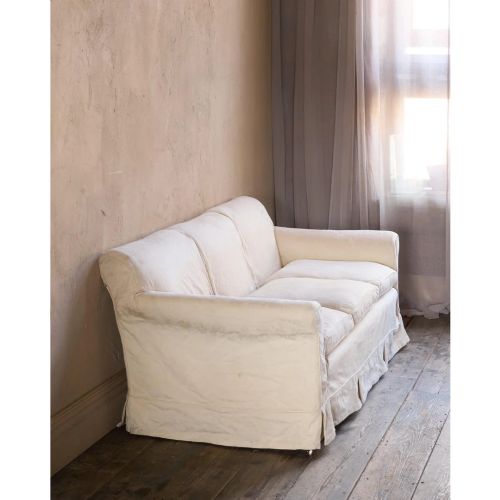
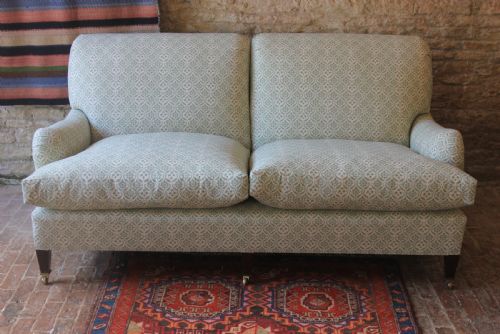
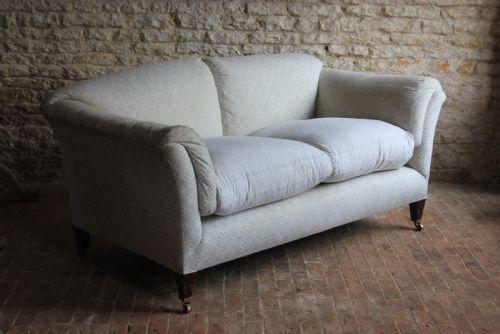
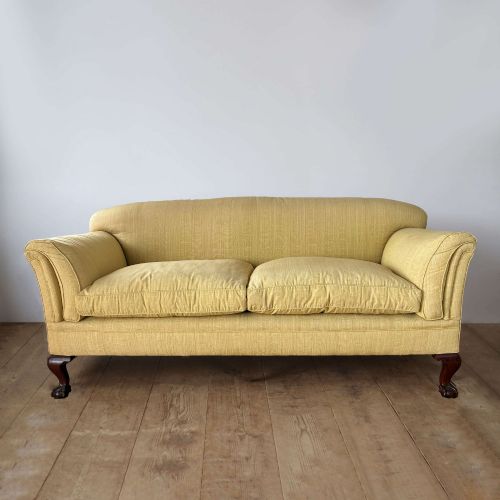




Country House Style Settee
A country house style settee brings relaxed, generous seating and deep comfort to a room, drawing on centuries of English tradition.
Country House Style Settee
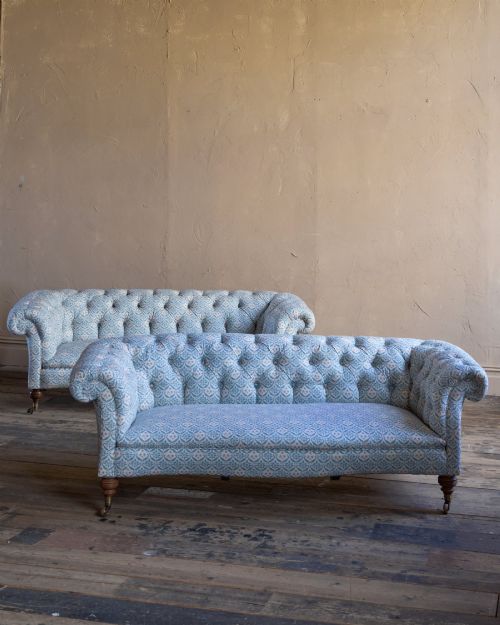
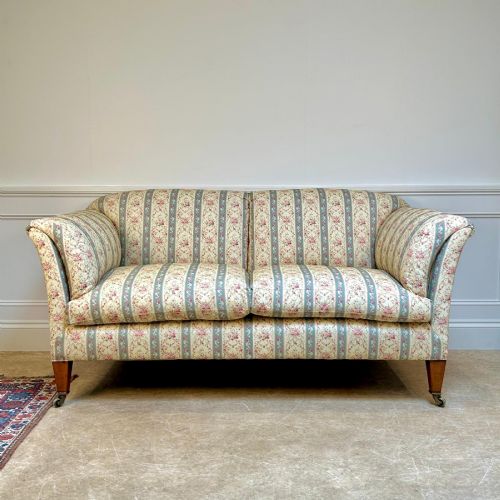
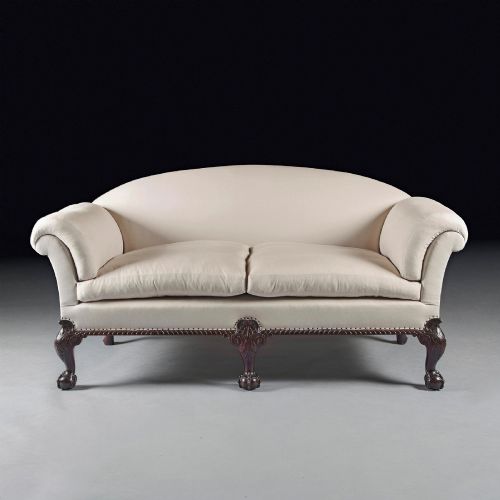
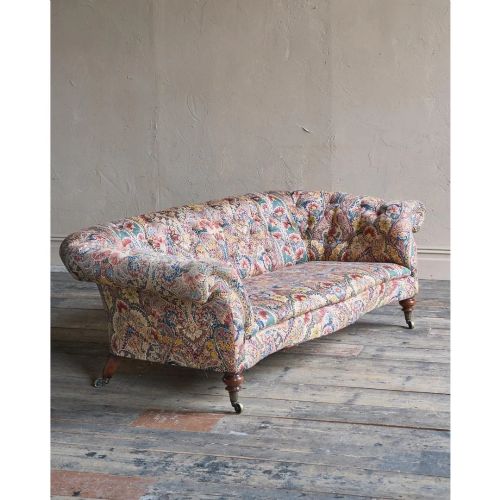
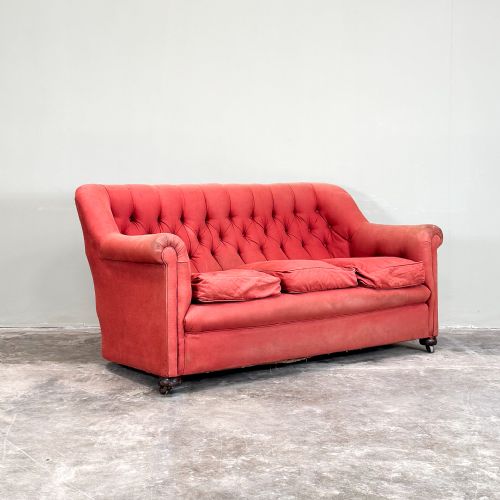
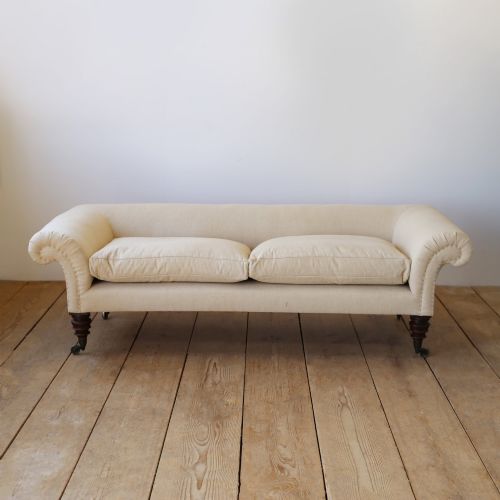
A country house style settee is a substantial upholstered seat built for comfort, frequently appearing in forms like deep-seated sofas, scroll arm designs, and camel backs. These pieces reflect a distinctly English aesthetic that prioritises usability and relaxed proportions over stiff formality.
You will most commonly encounter 19th-century examples on this page, alongside Edwardian pieces and selections from the 1930s. Makers such as Howard and Sons heavily influence the offerings, appearing in specific models like the Chesterfield, Chaplin, Ivor, and Portarlington.
The materials span mahogany, walnut, and other hardwoods, paired with upholstery fabrics including calico, cotton, fabric, leather, and gold damask. Framed options often display stylistic revivals, including Chippendale, Queen Anne, and Regency influences.
How they were made
The framework of a country house style settee relies on sturdy hardwoods such as mahogany and walnut, providing a solid skeleton capable of supporting deep upholstery. Timber and hardwood joinery ensures the structural integrity underneath the padding.
Upholstery forms the defining character of these pieces, utilising traditional materials like cotton and calico for foundational stuffing and inner covers. Outer layers range from simple ticking and leather to decorative gold damask, secured with brass detailing where appropriate.
Listings feature hardwood and mahogany frames upholstered in calico, cotton, leather, and gold damask.
What varies in quality
The distinction between tiers of a country house style settee rests in the pedigree of the maker and the integrity of the original frame. Pieces bearing attribution to established workshops like Howard and Sons command greater interest due to their recognised construction standards.
Quality also shows in the depth and resilience of the upholstery work, from basic cotton stuffing to fine gold damask or original ticking. The choice of timber in the frame, whether rich mahogany or solid walnut, further separates standard pieces from the finest examples.
Howard and Sons·Colefax and Fowler
The Country House Style Settee Glossary
- Chesterfield sofa
- A deeply upholstered sofa traditionally characterised by low back and arms of the same height. These pieces often feature button-tufted upholstery.
- Knole sofa
- An early form of settee featuring hinged or adjustable high arms, originally designed to keep drafts out of large English halls. They are typically draped in rich textiles like damask.
- Calico
- A plain-woven textile made from unbleached cotton, frequently used as the foundational inner upholstery layer on traditional English seating.
- Scroll arm
- An armrest shape curving outward and downward in a tight scroll. This detail adds a fluid line to the silhouette of a settee.
- Ticking
- A tightly woven, durable cotton or linen fabric traditionally used to contain feather or down stuffing. Original examples retain historical authenticity.
Country House Style Settee: Frequently Asked Questions
What is a country house style settee?
A country house style settee is a large, comfortable upholstered seat designed for lounging in traditional English interiors. These pieces often feature deep seating and generous proportions.
They span periods from the nineteenth century through the Edwardian era and the nineteen-thirties, incorporating various revival styles.
How do I identify a Howard and Sons sofa?
Howard and Sons pieces are typically identified by specific model names, such as the Chaplin, Ivor, or Portarlington, alongside maker stamps.
They often feature distinctive deep seating and may retain original upholstery like ticking or stamped casters.
Where were these settees used?
These settees were principally made for the principal rooms of large English country houses, where comfort and durability were paramount.
Today, they suit large living spaces, drawing rooms, or studies seeking a relaxed traditional aesthetic.
What fabrics are used on these settees?
Upholstery materials range widely, including plain calico and cotton, durable leather, and decorative gold damask.
Some pieces retain their original ticking, while others showcase later reupholstery by firms like Colefax and Fowler.
How do I tell a Regency settee apart?
Regency settees typically feature exposed mahogany or walnut frames reflecting classical architectural motifs of the early nineteenth century.
They contrast with the fully upholstered, softer profiles of later Victorian and Edwardian country house models.