

Antique Country Sofa
An antique country sofa brings relaxed comfort and generous proportions into a room, shaped by decades of quiet domestic use.
Antique Country Sofa
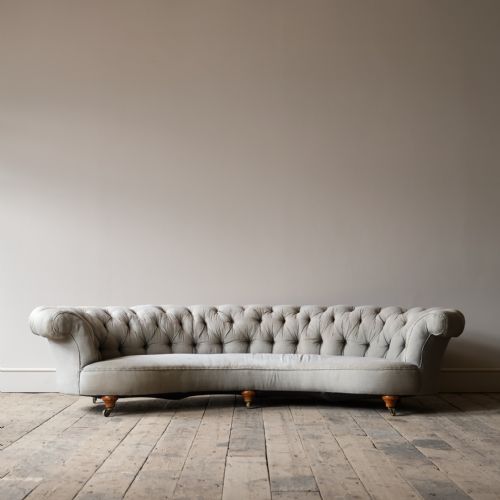
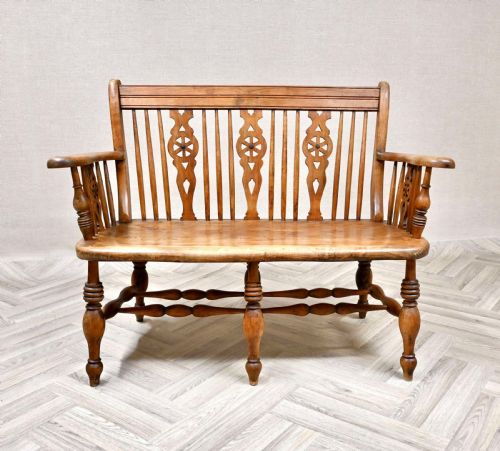
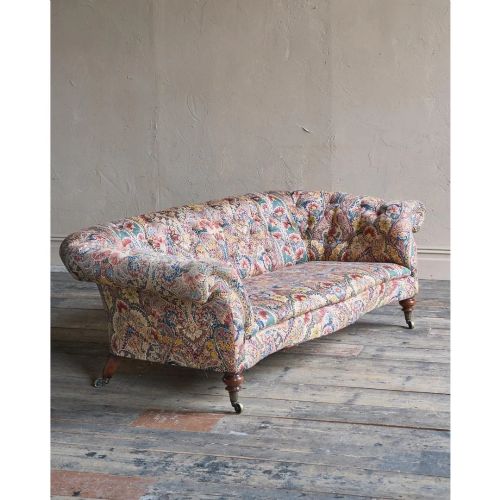
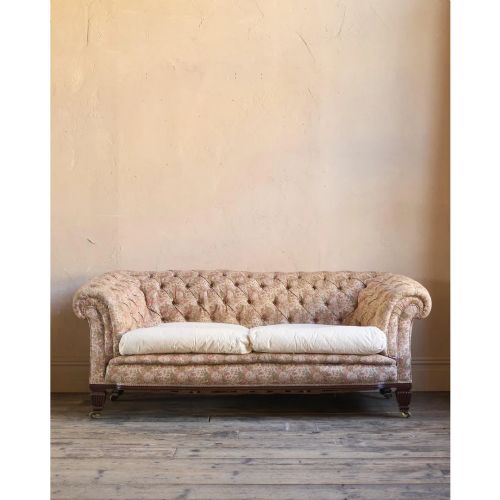
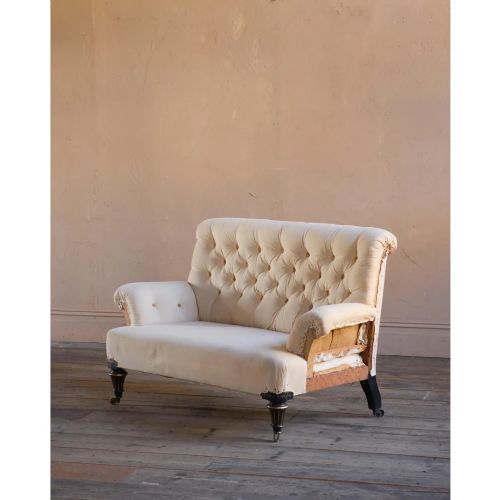
When you search for an antique country sofa, you encounter deep-seated upholstered seating designed for comfort rather than formal display. The pieces span the nineteenth and early twentieth centuries, drawing from English and French traditions.
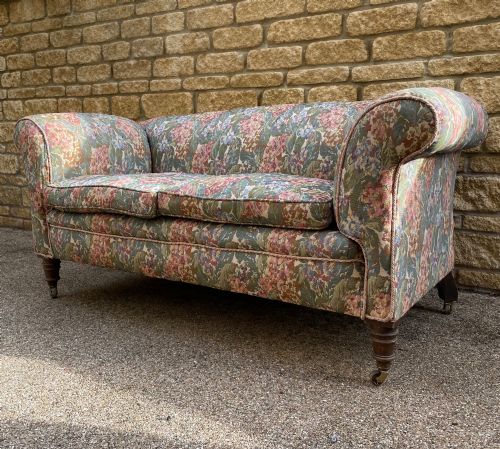
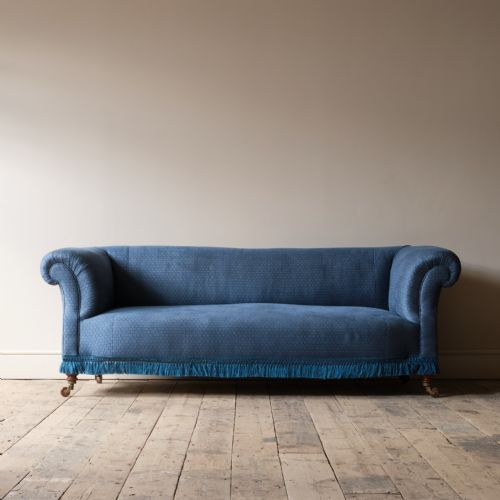
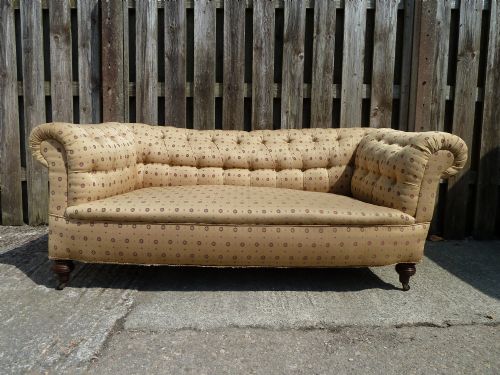
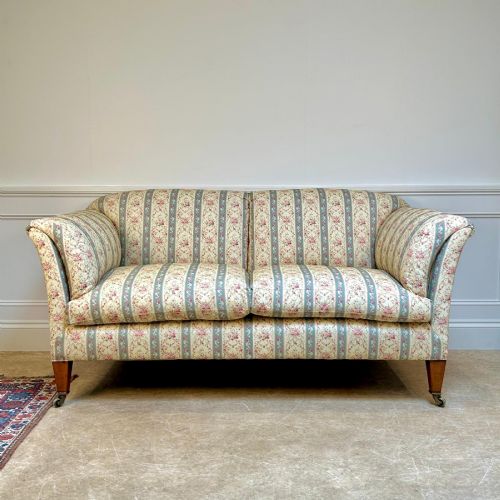
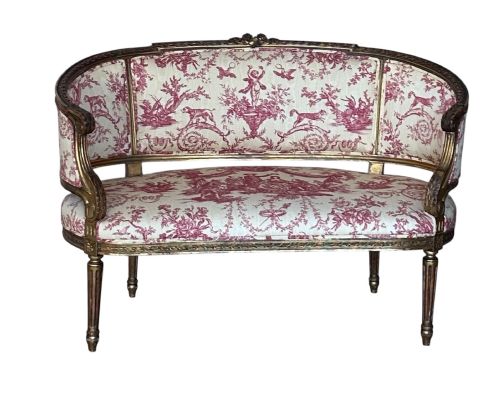
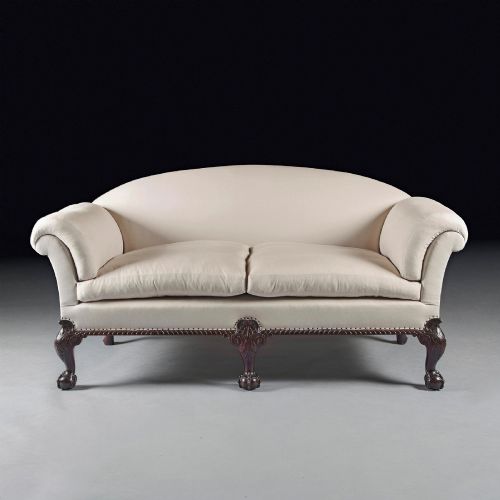
You frequently meet deep two-seater chesterfields, drop-arm settees, and country house designs upholstered in calico, linen, or ticking. These forms prioritize generous depth and low arms for lounging.
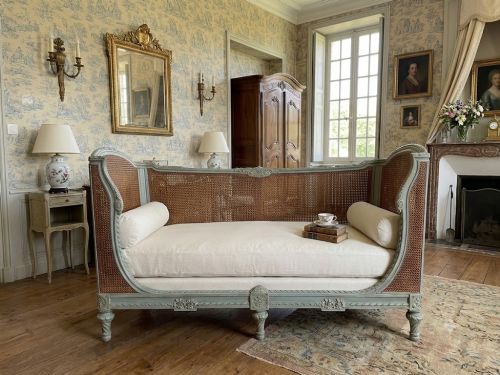
The selection ranges from Georgian mahogany-framed examples to Edwardian country house editions and French caned daybeds. Each piece reflects the vernacular taste of its period, whether English or continental.
How they were made
Maker's workshops built these frames using sturdy timbers such as mahogany, oak, walnut, and beech. Joinery relied on traditional techniques to ensure durability under heavy domestic use.
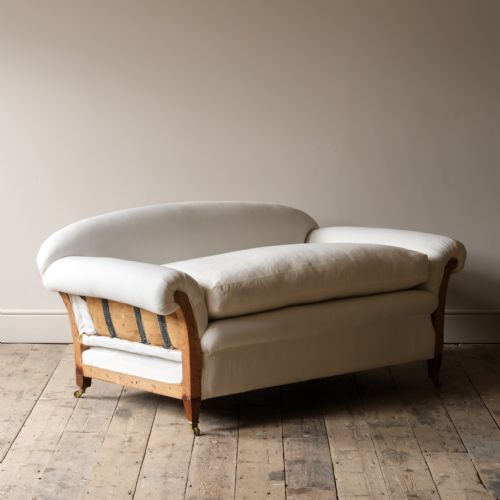
Traditional upholstery involved natural materials like horsehair, hessian, and feather down stuffed into calico or linen linings. This layered construction provided resilient support before modern synthetic foams existed.
Listings feature frames in mahogany, oak, walnut, and beech alongside upholstery in calico, linen, and Hessian.
What varies in quality
The integrity of the underlying timber frame distinguishes standard pieces from superior work. A heavier, rigid frame indicates better craftsmanship and longevity.
The depth of the seat and the quality of internal stuffing determine the comfort and proportion of the seating. Original stuffing methods and untouched frames elevate a piece's standing among collectors.
Howard and Sons·Hampton and Sons·Jackson and Graham·Whytock and Reid·Morison and Co
The Antique Country Sofa Glossary
- Calico
- A plain-woven unbleached textile often used as the primary foundation layer beneath loose covers on upholstery. It provides a neutral, durable base.
- Hessian
- A coarse woven fabric made from jute fibres, traditionally employed in upholstery for webbing and internal support. It holds the stuffing firmly in place.
- Drop-arm
- A movable arm mechanism on a sofa that lowers on one or both sides to create a daybed or lounging surface. This adds functional versatility.
- Caned
- Woven rattan or split cane panels fitted into wooden frames for backs or seats. It offers lightweight breathability.
- Chesterfield
- A deeply upholstered sofa featuring rolled arms of the same height as the back. It is traditionally button-tufted or finished with nailhead trim.
Antique Country Sofa: Frequently Asked Questions
How do I choose the right size?
Measure your floor space carefully, keeping in mind that country sofas often feature deep seats and generous scroll arms that extend beyond standard dimensions.
Allow enough clearance around the piece for movement, particularly if you select a two-seater or a drop-arm design that expands into a daybed.
Are these sofas comfortable for daily use?
Many of these pieces were built specifically for deep seating and relaxation in country house drawing rooms, utilising feather down and sprung foundations.
Because they rely on traditional natural fillings, comfort often feels supportive yet yielding compared to modern synthetic foam alternatives.
What fabrics were originally used?
Traditional upholstery frequently began with robust calico, linen, or ticking foundations designed to carry loose covers or heavy patterned textiles.
Many surviving pieces retain their calico inner linings, offering a neutral aesthetic or serving as a ready base for your own fabric choice.
How do I identify the period?
Examine the timber species, turning styles on the legs, and framing construction methods to narrow down the decade of manufacture.
Georgian and Regency pieces display distinct classical framing proportions, while Edwardian and later examples favour deeper, lower lounging profiles.