



Country House Storage Box
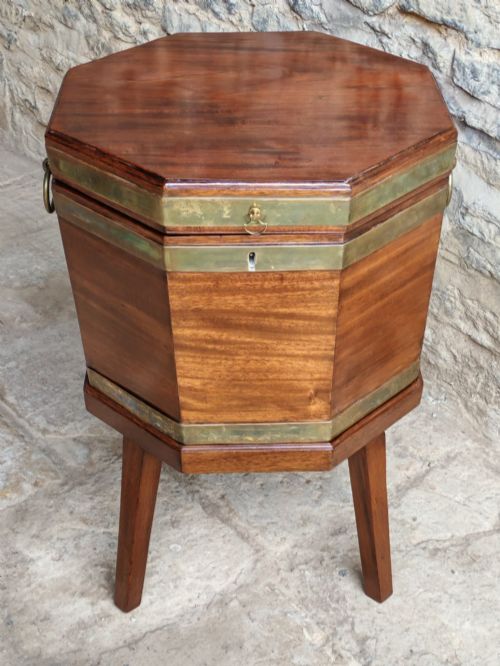
A country house storage box brings utilitarian service and robust domestic heritage into a room, offering generous interior space for linens, blankets or logs.
Country House Storage Box
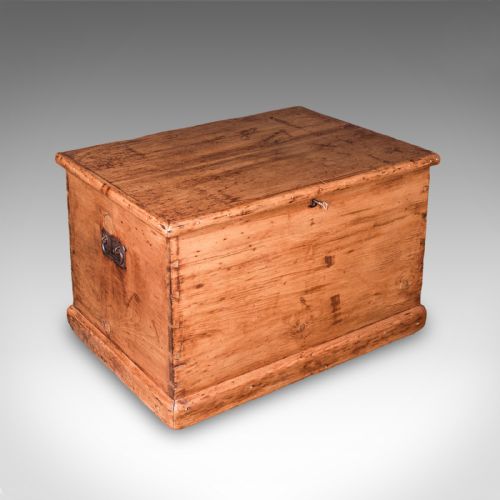
A country house storage box encompasses robust utilitarian vessels designed for domestic organisation, ranging from simple pine kist chests to joined oak coffers and mule chests. These functional containers emerged across the Georgian and Victorian eras, serving daily needs in estate kitchens, parlours and boot rooms.
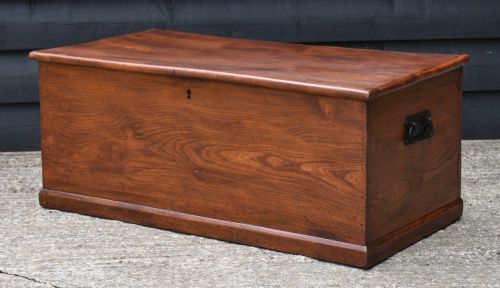
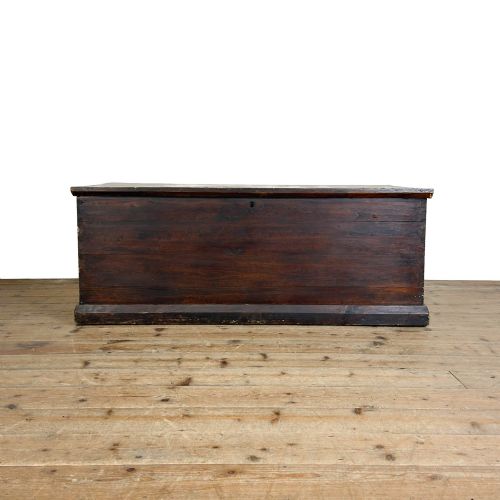
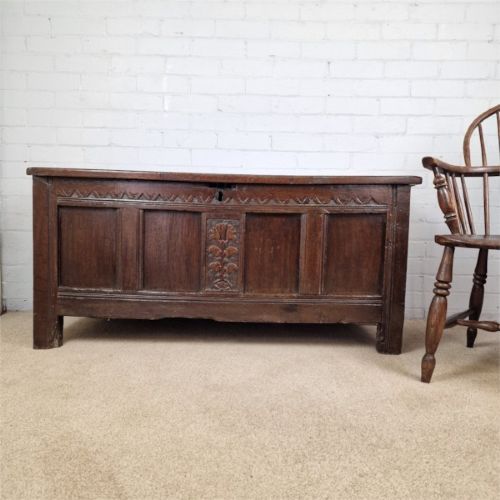
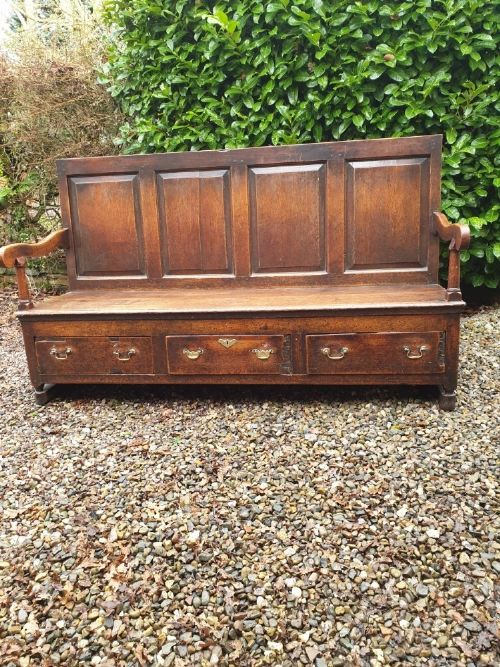
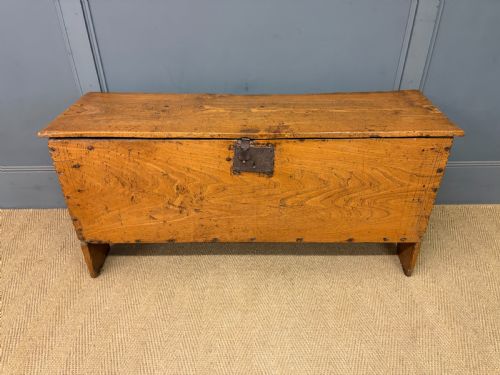
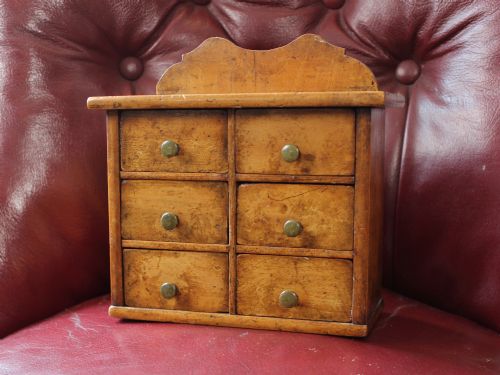
The versions most commonly found here are pine trunks, elm coffers and oak storage benches constructed for heavy service. Pieces span the seventeenth to the nineteenth centuries, displaying vernacular adaptations such as hand-painted finishes, iron banding and internal drawer arrangements.
What Varies in Quality
Quality rests upon the selection of timber and the integrity of the original construction, with dense English oak and figured elm sitting above utilitarian stained pine. The survival of original ironwork, painted decoration and untouched surface patination elevates a piece considerably.
Structural honesty and minimal timber replacement separate everyday utilitarian containers from finer estate-made coffers and ottomans. Proportion, dovetailing precision and the weight of the timber dictate the standing of each box.
Country House Storage Box Retail Price Guide 2026
Typical asking prices for country house storage box among the pieces listed under this phrase on Sellingantiques today, from the lower quarter to the upper quarter. They describe what is for sale here now, not the wider market.
Some Victorian kitchen buckets received bright hand-painted toleware finishes so estate staff could easily spot them across damp scullery floors.
Hallett & Sons
The Country House Storage Box Glossary
- Cofer
- A large solid box with a hinged lid, traditionally used for storing valuables or dry goods. Early examples feature joined oak frames.
- Mule chest
- A storage chest fitted with one or more drawers at the base beneath the main compartment. This form bridges the evolution between simple trunks and modern chests of drawers.
- Toleware
- Japanned or lacquered metalware, often tinplate, decorated with painted finishes. It appears on utilitarian kitchen buckets and estate boxes.
- Kist
- A regional term for a heavy wooden storage chest or trunk. These robust boxes are typically fashioned from pine or oak.
- Dough bin
- A specialised domestic container with a sloping or removable lid used for resting bread dough. They are usually fashioned from elm or pine.
Country House Storage Box: Frequently Asked Questions
What were country house storage boxes used for?
These vessels stored heavy household goods, including blankets, linens, silver and firewood. Estate staff utilised them across various domestic quarters for daily organisation.
Larger boxes doubled as seating benches in hallways and boot rooms, combining furniture utility with concealed storage capacity.
How do I date a wooden storage box?
Dating relies on timber species, construction methods and hardware. Seventeenth-century pieces typically display joined oak panels and hand-forged ironwork, whereas Victorian examples frequently utilise pine and machine-cut fixings.
Painted finishes and secondary woods inside drawers also help narrow the period of manufacture.
Are these boxes suitable for modern living rooms?
Their substantial proportions make them practical coffee tables or end-of-bed storage units. They absorb clutter while adding texture and historical weight to contemporary interiors.
Placing a sturdy pine kist or oak coffer in a hallway provides immediate seating alongside concealed shoe and boot storage.
What is the difference between a coffer and a mule chest?
A coffer is a simple box with a single lidded compartment accessing the main interior cavity from the top. It represents an older form of domestic storage.
A mule chest incorporates one or two drawers beneath the main chest cavity, offering easier access to smaller items without lifting the primary lid.