


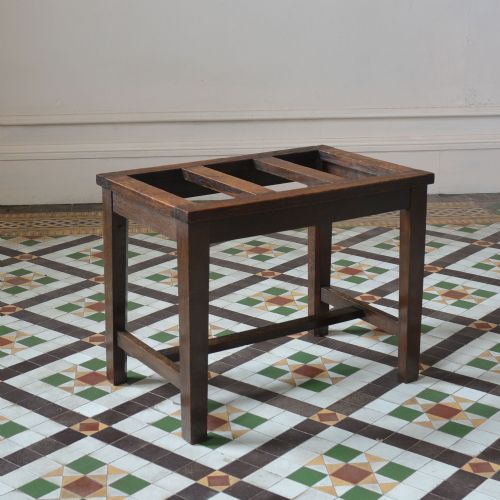


Antique Hallway Trunk
An antique hallway trunk provides robust storage and a convenient seat, bringing period character and practical utility directly into an entrance space.
Antique Hallway Trunk
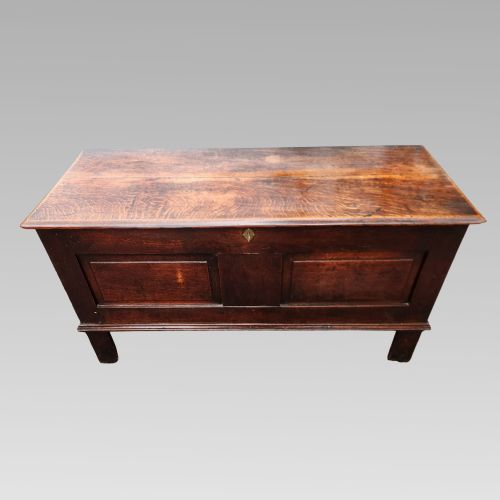
An antique hallway trunk combines utilitarian storage with practical seating, functioning as a coffer, blanket box, or hall bench depending on its specific build. When exploring these pieces, a buyer most frequently encounters sturdy oak constructions shaped into chests or fitted with luggage stands.
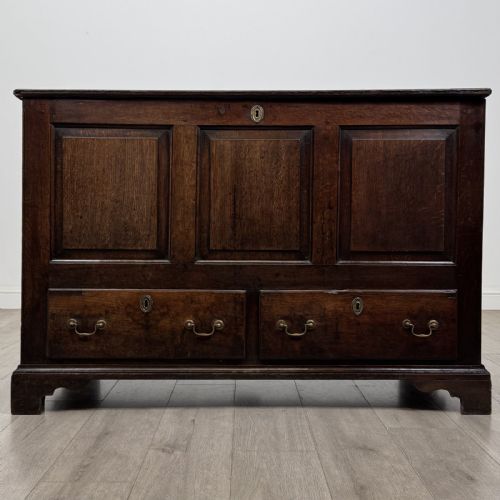
The selections span distinct historical eras, ranging from 17th-century joined pieces and William III mule chests to Edwardian luggage racks and walnut hall benches. These forms serve entryways by offering a surface to sit upon while managing boots, linens, or travelling gear.
How they were made
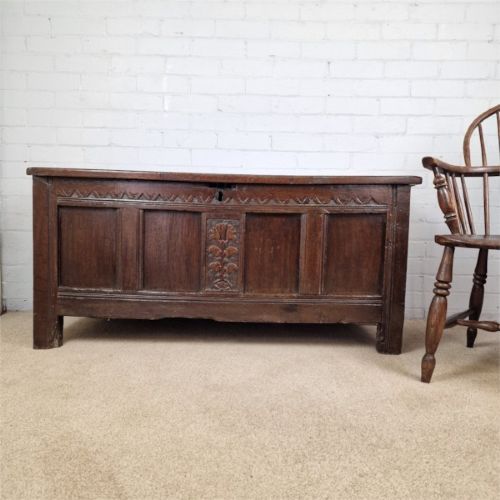
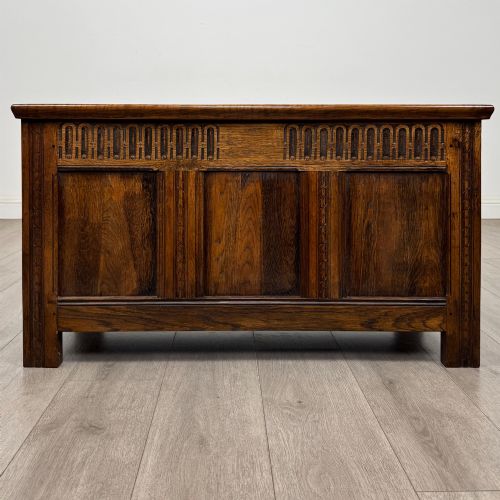
Cabinetmakers relied heavily on English oak, solid oak, walnut, and pine, often enhancing the structure with carved panels, green man motifs, or fluted legs. Metalwork played a functional and decorative role, incorporating brass and iron hardware.
Textiles also feature in certain designs, demonstrated by benches recovered in beige linen or pieces lined for storage. Construction methods range from traditional joined framing to panelled box settles.
Antique Hallway Trunk Retail Price Guide 2026
Typical asking prices for hallway trunk among the pieces listed under this phrase on Sellingantiques today, from the lower quarter to the upper quarter. They describe what is for sale here now, not the wider market.
Look closely for carved green man faces peering out from the oak foliage on nineteenth-century coffers.
What varies in quality
The distinction between standard examples and superior pieces rests upon the depth of hand-carved detail and the integrity of the timber. Finely executed carvings on the front and sides elevate a blanket chest far above plain utility boxes.
Proportion and material selection also dictate standing, where dense solid oak or figured walnut with period brass or iron fixtures command greater interest from collectors.
The Antique Hallway Trunk Glossary
- Coffer
- A heavy wooden chest traditionally used for storing valuables, linens, or dry goods. These sturdy boxes often feature hinged lids and elaborate front carvings.
- Mule chest
- A storage chest characterised by one or more drawers built into the base beneath the main compartment. This form bridges the gap between a simple coffer and a chest of drawers.
- Luggage stand
- A low-set rack or bench designed to support travelling trunks at a convenient height. In hallway settings, these frequently double as occasional seating.
- Joined oak
- Furniture construction utilising mortise and tenon joints secured with wooden pegs. This method creates a rigid, durable frame typical of early pieces.
- Box settle
- A high-backed wooden bench featuring a concealed storage compartment beneath the seat. It offers draught-excluding shelter alongside generous internal space.
Antique Hallway Trunk: Frequently Asked Questions
What is an antique hallway trunk?
An antique hallway trunk is a traditional storage chest, coffer, or luggage stand adapted for use in an entrance hall. These pieces combine deep internal storage with a sturdy surface suitable for sitting.
They reflect construction styles from the seventeenth century through to the Edwardian era, utilising timbers such as oak, walnut, and pine.
How were these trunks used historically?
Historically, trunks and coffers stored household textiles, blankets, clothing, and valuables safely away from damp floors. Luggage stands specifically held travelling bags and heavy cases for packing and unpacking.
In hallways, they also provided a convenient seat for putting on footwear when entering or leaving the home.
How do I care for an oak hallway trunk?
Maintaining an antique oak trunk involves keeping it away from direct heat sources and sudden humidity changes to prevent timber splitting. Regular dusting with a dry or slightly damp cloth preserves the surface finish.
Applying a traditional beeswax periodically helps nourish the wood and maintain its natural lustre without building up heavy residues.
How can I tell the period of a trunk?
Dating a trunk relies on examining the construction joints, timber species, and decorative carving styles present on the piece. Seventeenth-century examples often display pegged mortise and tenon frames and hand-carved panels, whereas Edwardian pieces show lighter proportions and machine-assisted joinery.
Hardware elements like iron hinges and brass handles also offer strong chronological clues.