
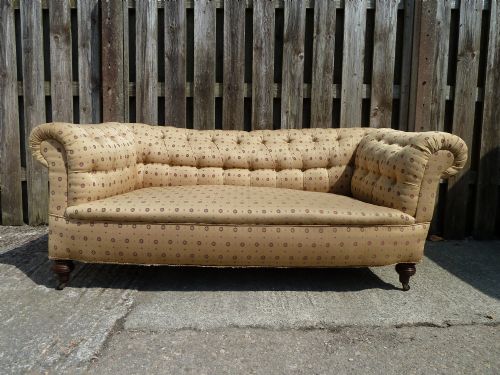
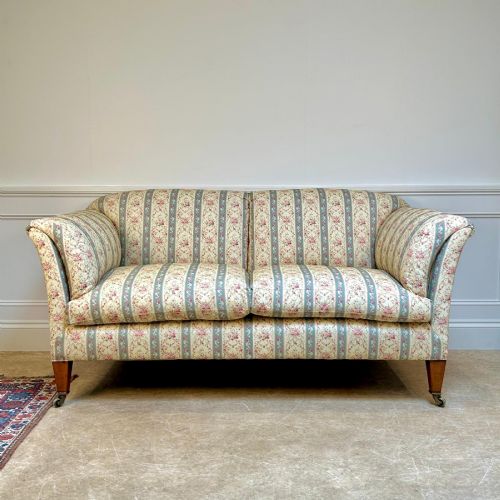
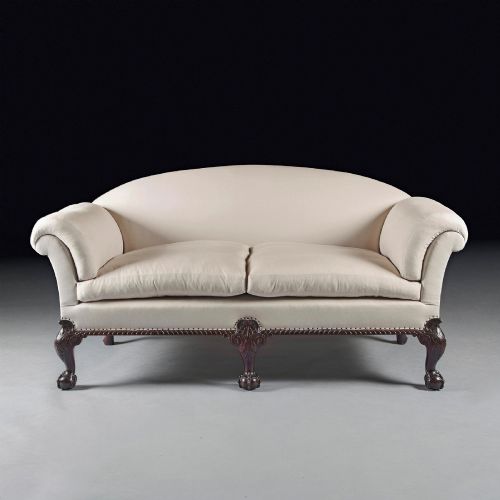
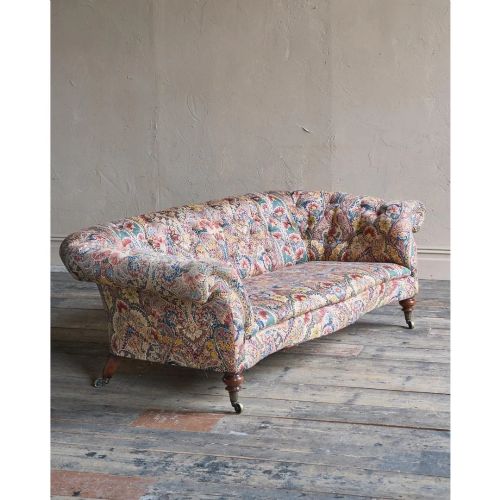
Country House Settee
A country house settee is a deep, sprung seat meant for long lounging, combining generous proportions with upholstery suited to traditional drawing rooms.
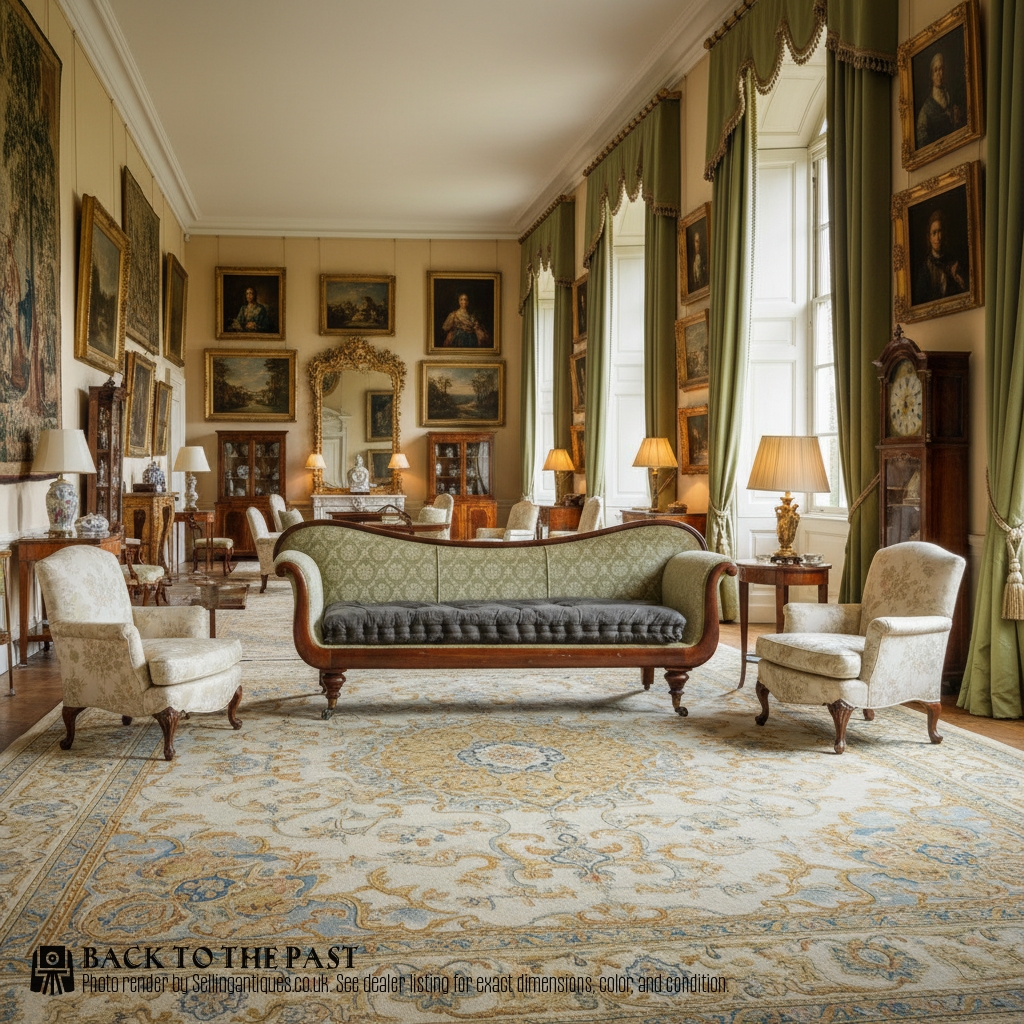
Country House Settee
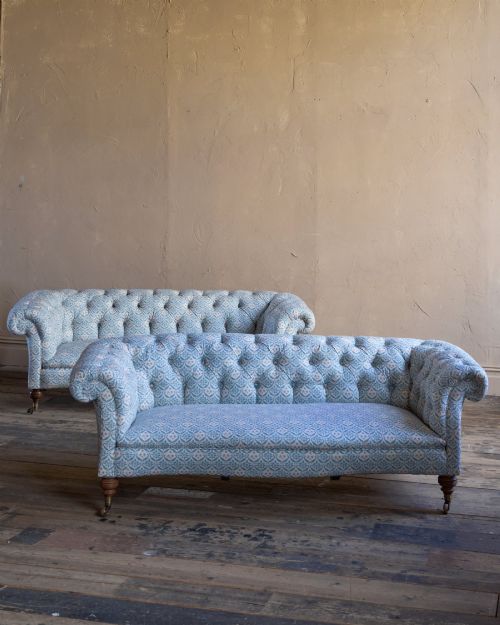
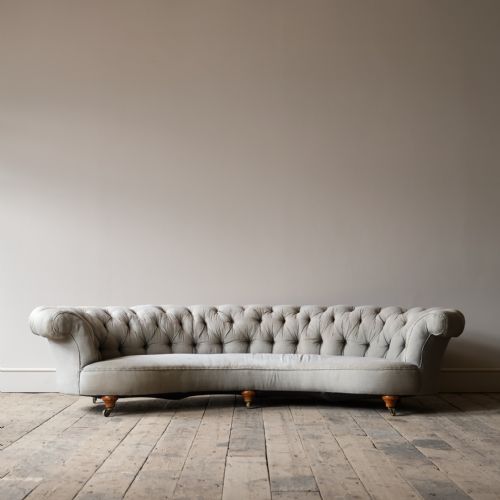
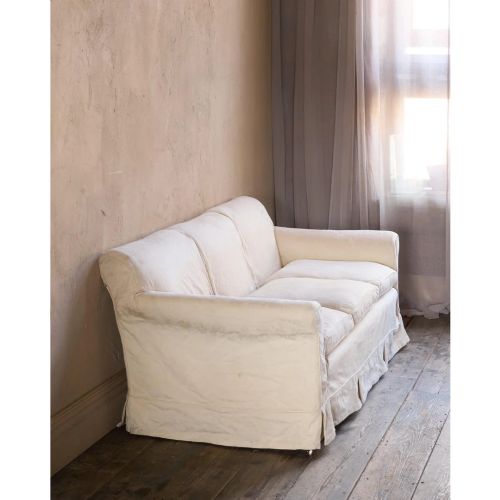
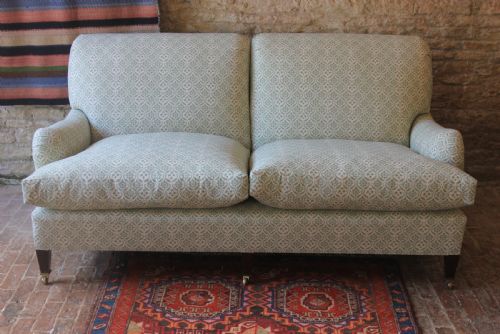
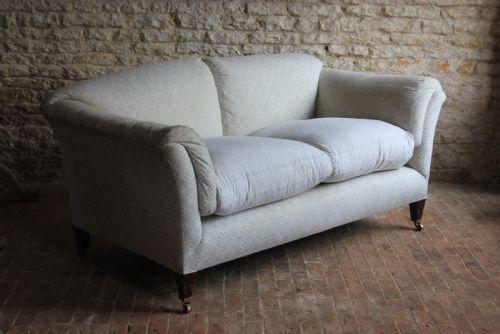
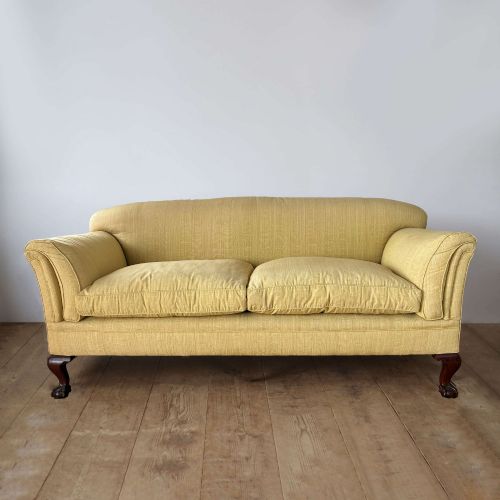
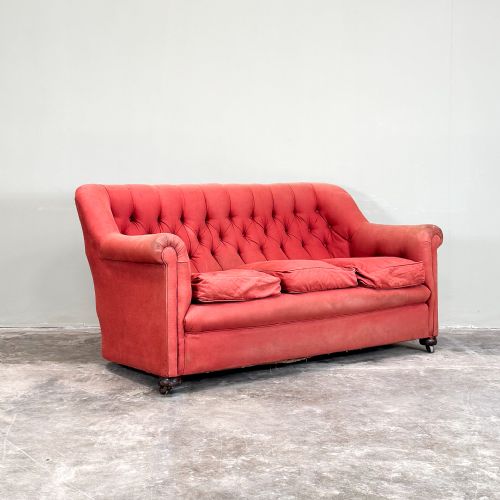
When you search for a country house settee, you are looking at substantial upholstered seating designed for comfort and hospitality in large English rooms. The pieces available range from deep nineteenth-century Chesterfield designs to early twentieth-century examples built for sustained relaxation.
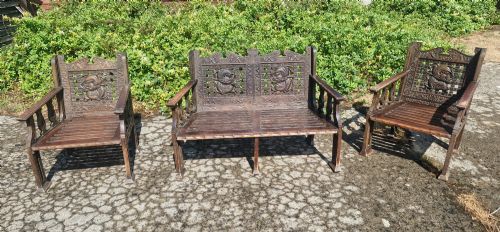
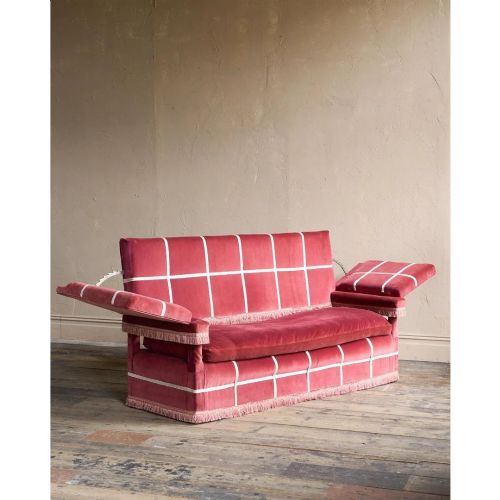
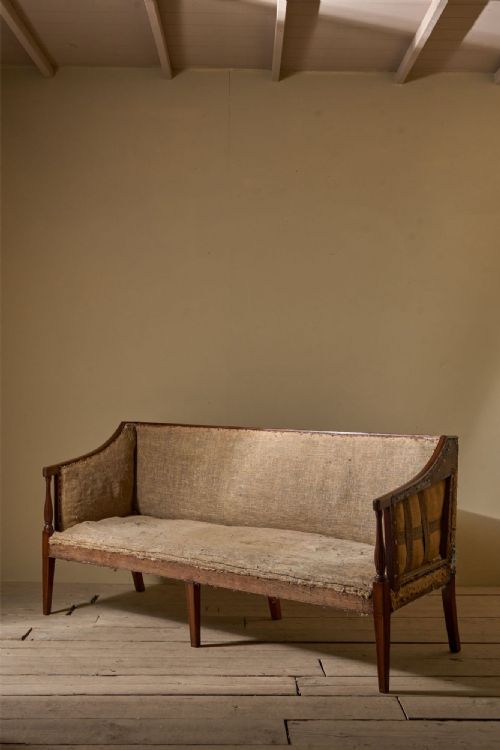
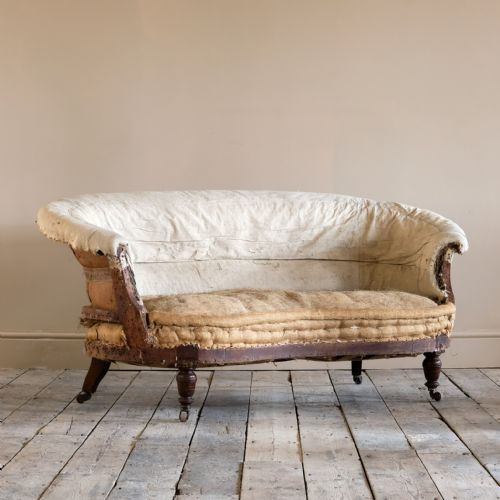
You will frequently encounter Victorian and Edwardian iterations on this page, alongside specific forms like Knole sofas and three-piece conservatory suites. Timber frames of mahogany, walnut, and simulated rosewood often lie beneath layers of fabric, hessian, and calico.
Originating across the nineteenth and early twentieth centuries, these settees reflect changing domestic habits that prioritised upholstered ease over rigid formality. They appear in configurations spanning two-seater models up to seven-foot expanses.

What varies in quality
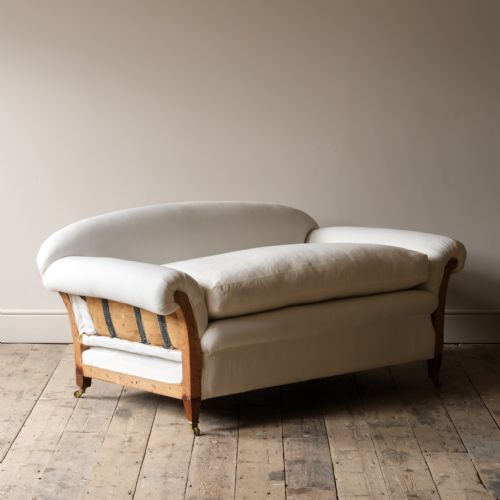
The integrity of the internal wooden frame and the resilience of the traditional spring system dictate the baseline standard of a settee. Frames that retain their original rigid joints without excessive movement represent superior construction.
The refinement of the carving on exposed timber elements, such as ball and claw feet or giltwood mouldings, separates standard production from higher workshop output. Furthermore, the depth of the seat stuffing and the quality of the secondary lining materials influence how well the piece holds its shape over decades of use.
Country House Settee Retail Price Guide 2026
Typical asking prices for country house settee among the pieces listed under this phrase on Sellingantiques today, from the lower quarter to the upper quarter. They describe what is for sale here now, not the wider market.
Several settees hide their heritage inside, requiring stout hessian and coiled springs just to hold a gentleman's afternoon nap.
Howard and Sons·Hampton and Sons·Morison and Co
The Country House Settee Glossary
- Knole sofa
- An early upholstered form featuring adjustable hinged arms that can be lowered or raised and secured with cords and tassels. It takes its name from the Kent estate where the original seventeenth-century prototype resides.
- Chesterfield
- A deep-buttoned upholstered sofa with arms and back of the same height. This design provides a formal yet comfortable seat developed during the Victorian period.
- Hessian
- A coarse woven fabric made from jute or hemp fibres, used traditionally as a foundational scrim beneath upper upholstery layers. It holds the stuffing tightly in place across the sprung seat.
- Calico
- A plain-woven cotton textile utilised as a base or interlining layer on upholstered seating. Many antique pieces retain this utilitarian fabric beneath decorative top covers.
- Giltwood
- Timber that has been coated with a thin layer of gold leaf or gilt powder for decorative effect. It appears on formal nineteenth-century frames designed for reception rooms.
Country House Settee: Frequently Asked Questions
What is a country house settee?
A country house settee is a heavily upholstered, deep seat designed for comfort in traditional domestic interiors. These pieces typically feature generous proportions and robust internal framing.
They emerged to furnish large reception rooms, libraries, and drawing rooms where lounging was encouraged. Today, they remain central seating elements in both traditional and contemporary homes.
How do I identify a Victorian settee?
Victorian settees often display darker timber frames, deep buttoning, and robust turned or carved legs. Their proportions tend to be heavy and grounded, prioritising physical comfort.
Look for traditional construction methods beneath the upholstery, such as hand-tied springs and hessian webbing. Stylistic cues often draw on earlier Georgian or Chippendale revivals.
How do I live with antique upholstery?
Living with antique upholstery involves balancing regular gentle care with an acceptance of natural patination. Keeping fabric away from direct sunlight protects delicate velvets and damasks from fading.
Many antique settees have been re-covered multiple times in their history to suit changing interior tastes. Maintaining the internal springing ensures the piece remains comfortable for daily use.
What distinguishes a Knole sofa?
A Knole sofa is defined by its high back and distinct hinged arms tied into position with decorative cords. This historic form allows the user to adjust the angle of the arms.
They often appear upholstered in rich textiles like damask or velvet, framed by substantial wooden feet. Their silhouette remains distinct among nineteenth-century and Edwardian seating types.