


Country House Print
A country house print brings the layered atmosphere of traditional estates into a room through framed scenes of sporting art, architecture, and rural life.
Country House Print
A country house print encompasses framed engravings, lithographs, mezzotints, and watercolours that reflect domestic estates, sporting life, and historic architecture across the Georgian, Victorian, and Edwardian periods.
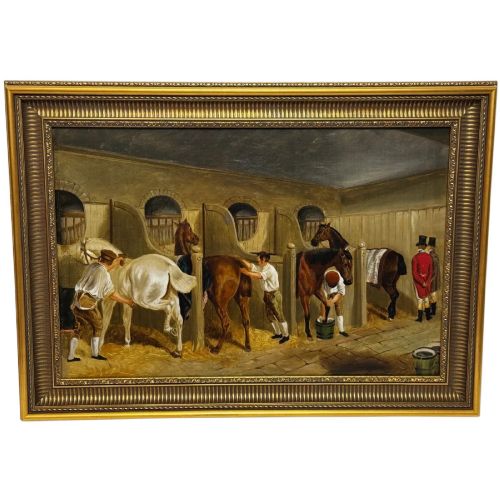
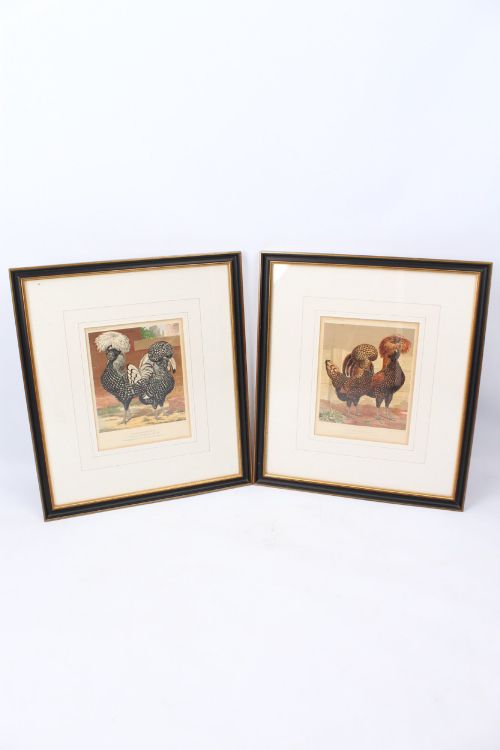
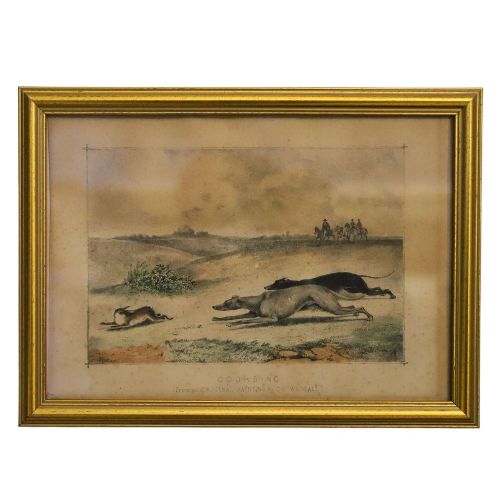
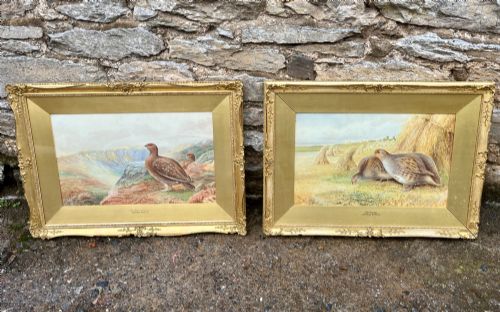
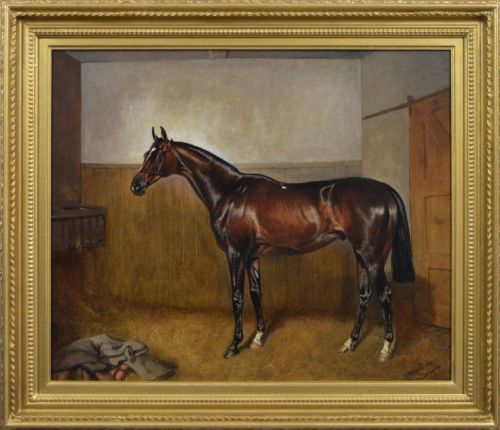
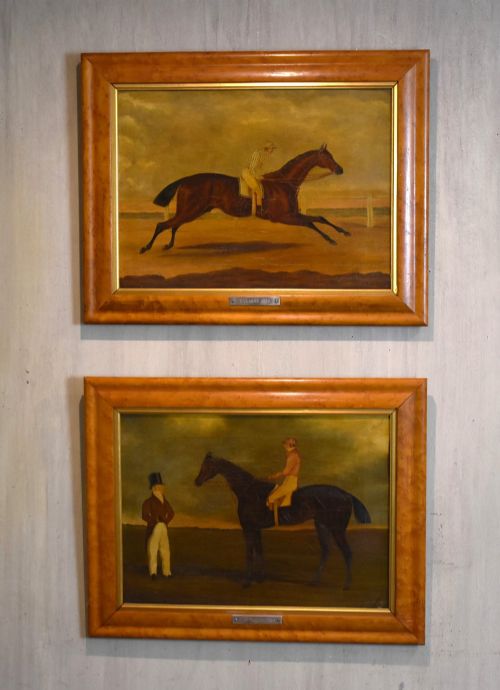
The selection here ranges from hand-coloured engravings of fox hunting and game birds to topographical views of notable houses and racehorse portraits.
Buyers frequently encounter works after established artists like John Frederick Herring Snr and Francis Calcroft Turner alongside period book plates and archival prints.
How they were made
These works utilise traditional paper supports combined with hand-colouring in watercolour or ink, alongside monochrome printing techniques such as lithography and engraving.
Framing relies on period materials including wood, gilt wood, and glass to protect the delicate paper works from environmental moisture.
Certain examples incorporate gold leaf accents and brass fittings to complement the detailed imagery.
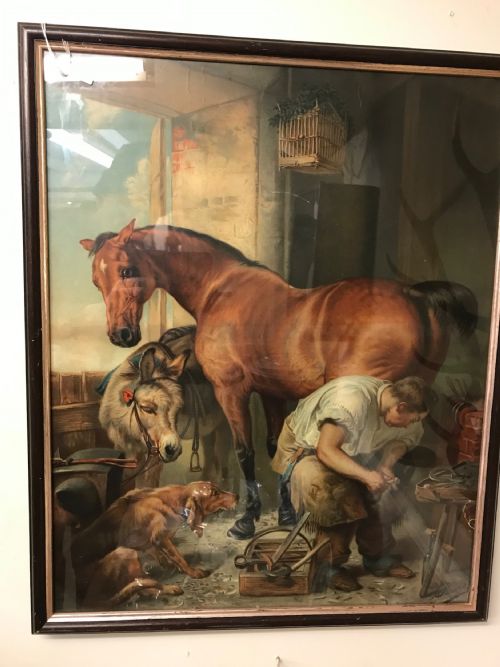
Several prints record dogs participating in surprisingly formal pursuits, proving that Victorian canines took their field sports rather seriously.
What varies in quality
Quality rests upon the clarity of the original impression, the precision of the plate strike, and the crispness of any supplementary hand-colouring.
The distinction between standard commercial prints and superior examples lies in the depth of the paper and the fidelity of the tonal gradations.
Preservation of the paper surface and the integrity of the period framing contribute substantially to the standing of an individual piece.
C. H. Weigall·George Rankin·John Alfred Wheeler·Edwin Henry Landseer·John Frederick Herring Snr·Robert Sayer·Charles Hunt·Francis Calcroft Turner·Sam. Howitt·H. Strafford·Snaffles·CB Prescott·Archibald Thorburn
The Country House Print Glossary
- Engraving
- A printmaking technique where an image is incised into a metal plate using a sharp tool called a burin. This allows for high levels of fine detail and crisp lines.
- Lithography
- A planographic printing process based on the antipathy of oil and water, commonly utilised for producing multi-coloured sporting prints and plates in the nineteenth century.
- Mezzotint
- A tonal printmaking method of the intaglio family where the copper plate is roughened to achieve rich, velvety dark areas and subtle graduations of light.
- Watercolour
- A painting method in which natural pigments are suspended in a water-soluble vehicle, frequently applied to paper for studies of birds, game, and botanical subjects.
Country House Print: Frequently Asked Questions
What subjects appear most often in these prints?
The subjects focus heavily on nineteenth-century sporting art, including horse racing, fox hunting, game birds, and rural estate architecture.
Alongside field sports, architectural renderings of historic British country houses and domestic animal portraits frequently occur within the selection.
How should I hang and display paper art?
Paper art requires placement away from direct sunlight to prevent the fading of hand-applied watercolours and tinted engravings.
Maintaining stable indoor humidity levels protects both the paper substrate and the historic wooden frames from warping.
Are these works original antique editions?
The selection includes period engravings, lithographs, and watercolours dating from the Georgian, Victorian, and Edwardian eras.
Each listing specifies the primary medium and the historical period of production to clarify the origin of the piece.
How do I distinguish between an engraving and a lithograph?
An engraving displays fine, sharp lines incised into the paper with visible indentation around the plate mark.
A lithograph presents a smoother surface transition without plate indentation, relying on chemical planographic printing to transfer the image.