


Georgian Coaching Art
Georgian coaching art captures the colour and haste of the open road through painted coach panels, oils and prints.
Georgian Coaching Art
When you search for georgian coaching art, you encounter a specialised selection of wall art, oil paintings and framed prints celebrating horse-drawn travel. These pieces range from authentic Regency coaching panels and heraldic carriage work to nineteenth-century oil paintings of mail coaches and coaching inns.
The items found here cross several periods, extending from the Georgian and Regency eras into Victorian interpretations and later twentieth-century prints. You meet framed artwork depicting scenes outside inns like Bath and Stilton, alongside winter snow drifts and tandem carriage drives.
How these pieces were made
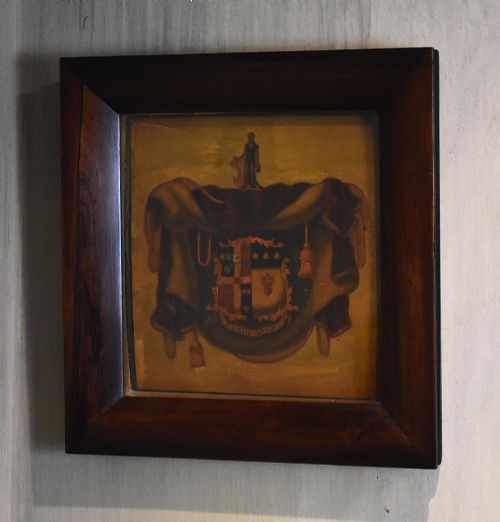
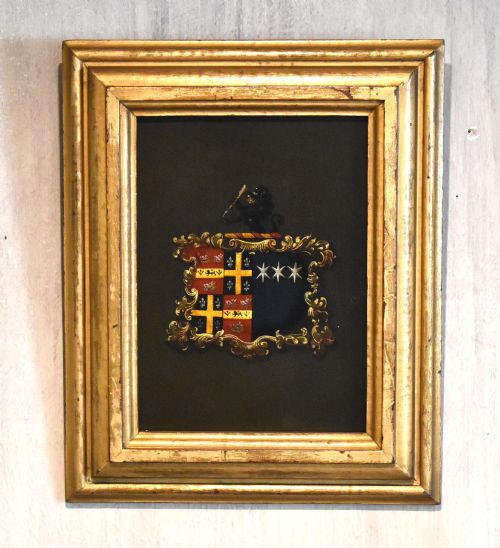
The physical objects combine oil paint and canvas with solid wood frames, often finished in giltwood to highlight the subject matter. Heraldic panels utilise painted surfaces on wooden carriage structures, preserving the precise details of coats of arms.
Works on paper and canvas employ traditional oil painting and print techniques to capture the brisk movement of horses and mail carriages. These methods produce textured brushwork and deep colour palettes that define nineteenth-century British visual culture.
This selection includes oil paintings, framed prints and wooden panels spanning the Georgian, Regency and Victorian periods.
What varies in quality
Quality rests in the precision of the brushwork and the documentary fidelity of the carriage design, horses and harness equipment. Works attributed to known painters demonstrate superior composition and atmospheric depth compared to anonymous commercial prints.
The framing material and the preservation of the original painted surface also set pieces apart. Giltwood surrounds and untouched wooden panels retain their historical character more effectively than later replacements.
Samuel Henry Alken·John Charles Maggs·James Pollard
The Georgian Coaching Art Glossary
- Regency
- A period spanning the early nineteenth century defined by distinct stylistic elegance in British art and architecture.
- Giltwood
- Wood carved and covered with a thin layer of gold leaf, commonly used for framing traditional oil paintings.
- Heraldic
- Pertaining to coats of arms and family crests, frequently painted onto coach panels during the Georgian era.
- Tandem
- A carriage arrangement where two horses are harnessed one behind the other rather than side by side.
Georgian Coaching Art: Frequently Asked Questions
What subjects appear in coaching art?
These works typically depict mail coaches, horses in motion, snowy roadside incidents and historic coaching inns. Scenes often feature specific locations such as Bath or Stilton.
Artists focused on the drama of travel before the widespread introduction of railways, recording the speed and mechanics of horse-drawn transport.
Are these pieces original oils?
The selection includes both original oil paintings on canvas and panel, alongside framed prints from later periods. Descriptions specify whether an item is a unique painted work or a reproduction.
Oil paintings frequently feature named artists or historical attribution, while prints capture popular coaching imagery for domestic display.
How do I date a coaching painting?
Dating relies on the style of the clothing, the architectural details of the carriages and the framing materials used. Many pieces carry attribution dates or style markers from the nineteenth century.
Comparative analysis of the artist's working period helps place anonymous works within the broader Regency or Victorian timeline.
Where were coaching panels displayed?
Heraldic and painted panels originally decorated the exterior sides of horse-drawn carriages and mail coaches. These elements identified the owner or postal route.
Surviving examples were later removed from vehicles and framed as wall art to preserve the detailed heraldry and painting.