



Country House Oak Bench
These country house oak bench examples offer sturdy construction and honest proportions, bringing enduring character to hallways and living spaces alike.
Country House Oak Bench
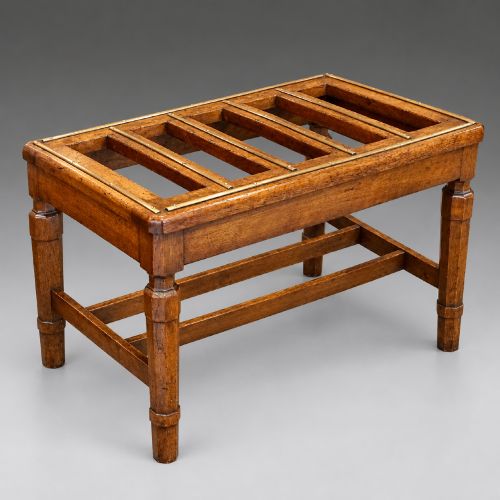
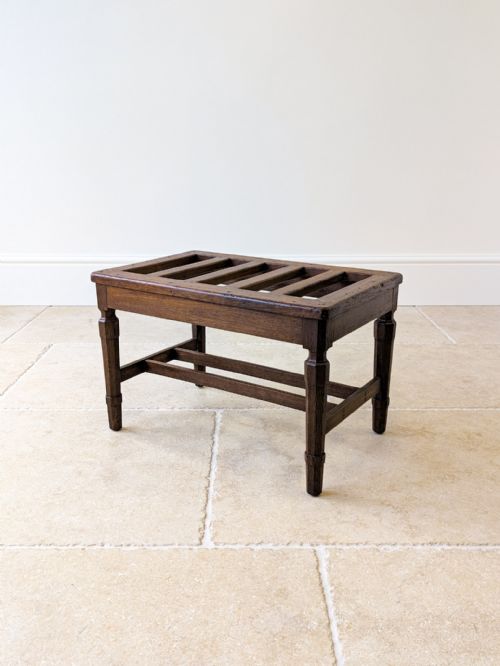
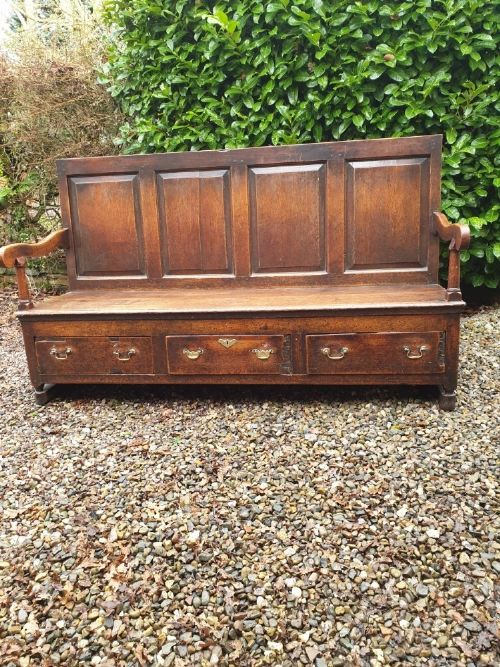
When you search for a country house oak bench, you encounter a robust variety of vernacular seating and related utilitarian forms built for grand domestic interiors. The selection spans utilitarian luggage stands and long dining seats alongside high-backed settles designed to keep out draughts.
Most examples you meet here date from the eighteenth and nineteenth centuries, with occasional pieces stretching into the early twentieth century. Styles encompass Georgian country, Welsh vernacular, Gothic Revival, and rustic farmhouse aesthetics.
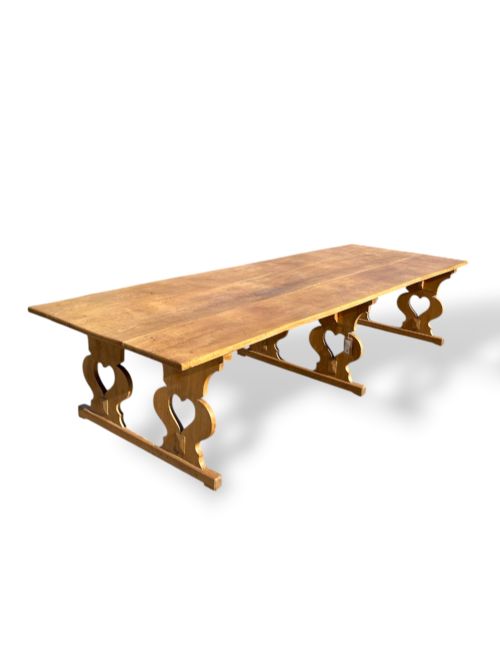
Forms range from traditional box settles with integrated storage to hall seats, window seats, and long benches intended for communal dining. Elm and pine occasionally appear alongside the dominant oak, sometimes augmented by fabric, iron, brass, or leather.
How they were made
Cabinetmakers and rural joiners utilised solid timbers, framing heavy planks together with traditional pegged joints to withstand daily domestic use. Oak forms the structural core of nearly every piece, supplemented by elm for seat boards and occasional secondary woods.
Surface treatments vary from untreated timber showing natural grain to limed finishes and aged patinas developed through generations of handling. Metal elements such as iron and brass appear in hinges, brackets, and associated club fenders, while upholstery utilises fabric and leather.
Country House Oak Bench Retail Price Guide 2026
Typical asking prices for country house oak bench among the pieces listed under this phrase on Sellingantiques today, from the lower quarter to the upper quarter. They describe what is for sale here now, not the wider market.
Many an antique cheese press found a second life as a heavy coffee table after retiring from dairy duties.
What varies in quality
The distinction between ordinary and exceptional pieces lies in the integrity of the timber and the depth of the natural patina. Superior examples retain their original surface finish, showing the subtle marks of early hand tools rather than aggressive modern intervention.
Proportion and construction details separate standard vernacular items from pieces commissioned for major country houses. Well-balanced forms with original joinery, unblemished boards, and harmonious integration of secondary materials command greater appreciation.
Shapland and Petter·Liberty
The Country House Oak Bench Glossary
- Box settle
- A high-backed wooden bench featuring a storage compartment beneath the seat, traditionally placed near the hearth to shield occupants from cold draughts. Early versions often incorporate panelled backs and boarded construction.
- Vernacular furniture
- Domestic items built by local craftsmen using regional traditions and readily available native timbers rather than following metropolitan academic designs. This tradition prioritises utility and local material availability.
- Patina
- The surface sheen and mellow colour developed on timber over decades or centuries through handling, waxing, and exposure to light. A desirable feature that indicates age and honest use.
- Limed oak
- Timber treated with a white or pale compound rubbed into the grain to lighten the overall appearance. This technique achieved popularity in domestic decoration during later periods.
- Club fender
- A low, padded hearth seat built around a metal frame that encloses an open fireplace. These items combine steel or brass bases with upholstered leather or fabric seating surfaces.
Country House Oak Bench: Frequently Asked Questions
Where were settles placed?
These high-backed seats were traditionally positioned in halls or near hearths to block cold drafts and retain warmth. Their enclosed lower compartments also provided secure storage for household goods.
Over time, these versatile pieces moved into corridors and boot rooms as domestic floor plans evolved, maintaining their practical utility.
How do I date an oak bench?
Dating relies on examining construction methods, tool marks, timber selection, and overall stylistic vernacular cues. Pegged joints, hand-sawn board edges, and deep patination typically point to eighteenth-century origins.
Later Victorian and Edwardian interpretations often display machine assistance, standardised hardware, or revivalist stylistic flourishes characteristic of their respective decades.
Can I use these benches outdoors?
Historic interior timber furniture lacks the modern weather-resistant treatments required to withstand prolonged exposure to rain and fluctuating temperatures. Placing them outside risks warping the boards and degrading the antique finish.
Keeping these pieces within a controlled indoor climate preserves the structural integrity of the oak and maintains the historic surface.
What is limed oak?
Liming involves applying a specialised whitish compound to open-grained timber like oak to accentuate the grain pattern and lighten the overall tone. This decorative finish appeared on various furnishings during the late nineteenth and early twentieth centuries.
Examples featuring this treatment offer a distinct lighter aesthetic compared to traditional dark wax finishes.