

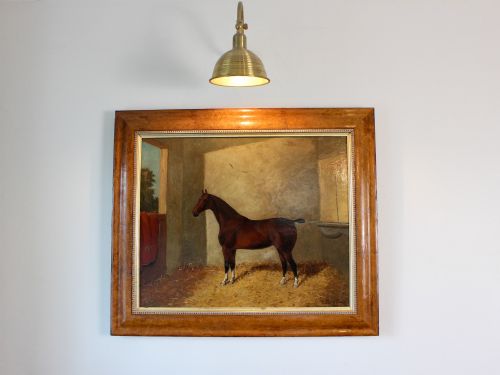


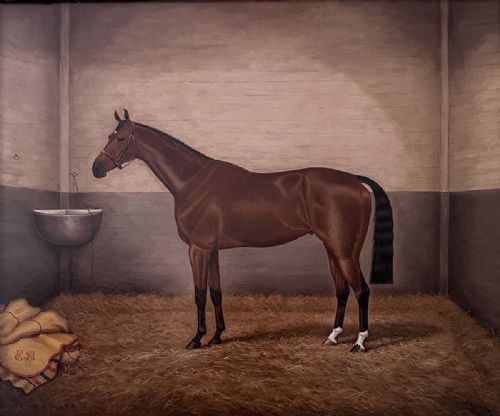


Country House Horse Painting
A country house horse painting brings the rich sporting heritage and deep affection for the stable straight onto the wall.
Country House Horse Painting
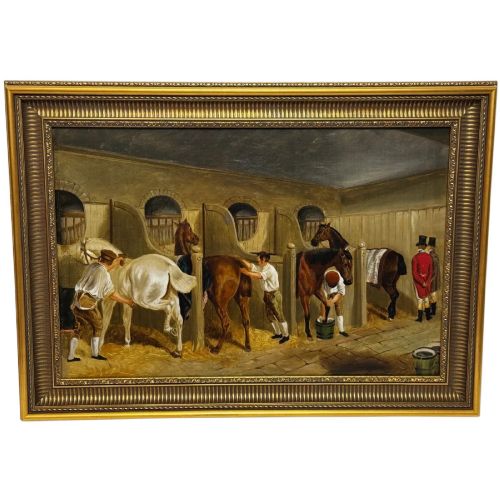
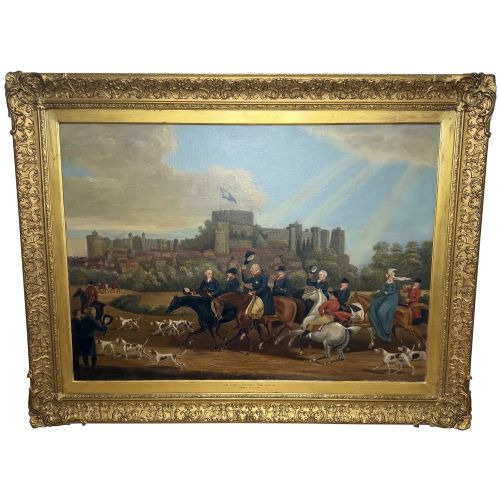
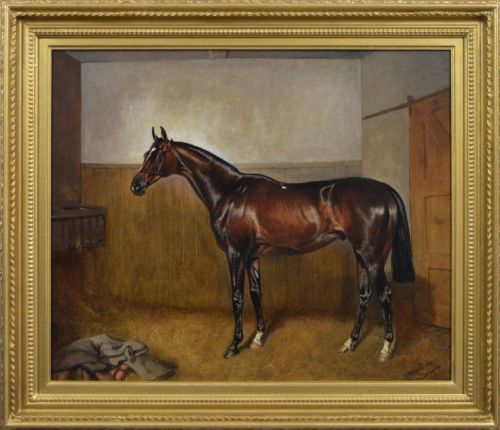
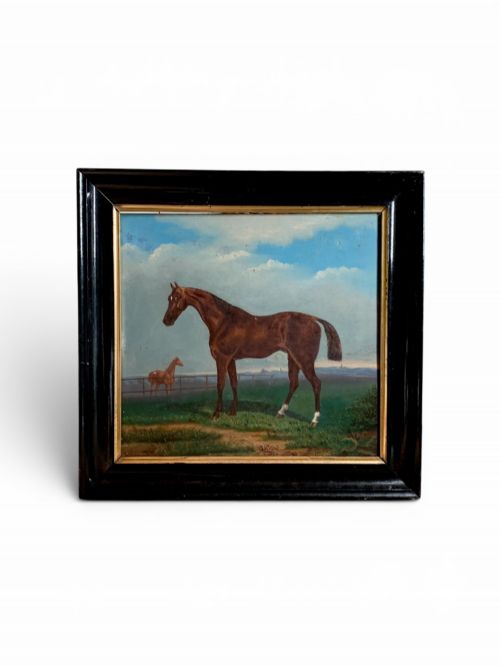
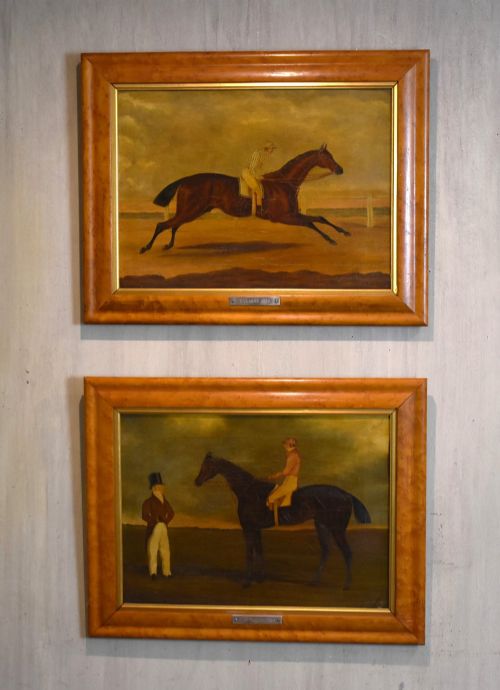
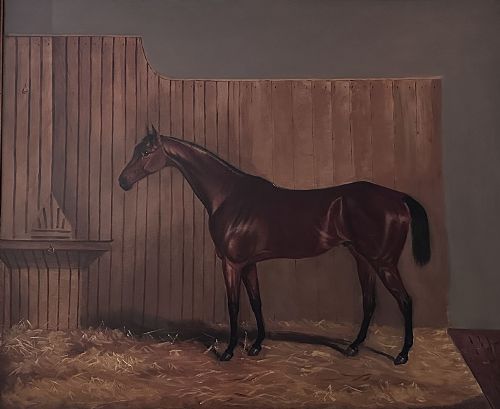
A country house horse painting captures the enduring bond between man, hound and animal across the nineteenth and early twentieth centuries. These works range from intimate studies of named racehorses and hunters in stables to sweeping hunting scenes and coaching views.
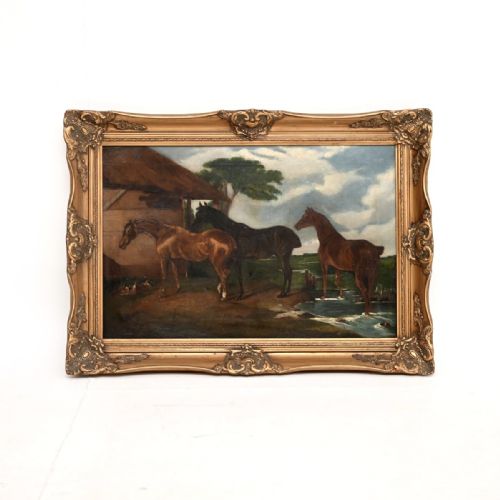
Victorian and Edwardian canvases dominate the selection, often housed in heavy gilt wood frames that reflect the grandeur of historic estates. Buyers encounter everything from detailed portraits of bay and chestnut hunters to lively farmyard compositions and framed prints.
Works stretch from Georgian origins through to mid-twentieth century compositions, showing the animal in landscapes, stables or at the meet. Each piece preserves a distinct chapter of equestrian history and traditional country life.
Materials and Techniques
Artists relied primarily on oil paint applied to canvas or wood panels, building rich textures and deep tones for coats and landscapes. Watercolour and gouache appear on paper for more intimate portraits, occasionally complemented by glass protection.
Frames play a vital role in presentation, constructed from wood and finished in gilt to create an ornate boundary around the canvas. Pigments capture the subtle sheen of horse hair and the varied hues of bays, chestnuts and greys against stable interiors or open fields.
Listings span from Georgian works up to 1950, utilising oil on canvas, wood panels, and watercolours on paper.
Assessing Quality and Execution
Quality rests in the anatomical accuracy of the animal and the depth of the background landscape or stable interior. Master painters render muscle tone, light on the coat and the alert expression of the horse with convincing precision.
The harmony between the canvas and its original frame determines visual impact, alongside the clarity of artist signatures and documented provenance. Stronger works place the subject within a fully realised setting rather than a flat backdrop.
John Frederick Herring Snr·John Alfred Wheeler·Philip Henry Rideout·Samuel Spode·James Barenger
The Country House Horse Painting Glossary
- Giltwood
- Wood carved and covered with a thin layer of gold leaf or metallic gilt. This finish defines the ornate frames common in period equestrian art.
- Bay
- A horse coat colour characterised by a reddish-brown body with black mane, tail and lower legs. It appears frequently in nineteenth-century portraits.
- Equestrian Sporting Art
- A genre dedicated to horses, hounds, racing and hunting. These works document the pursuits of the landed gentry.
- Pier Glass
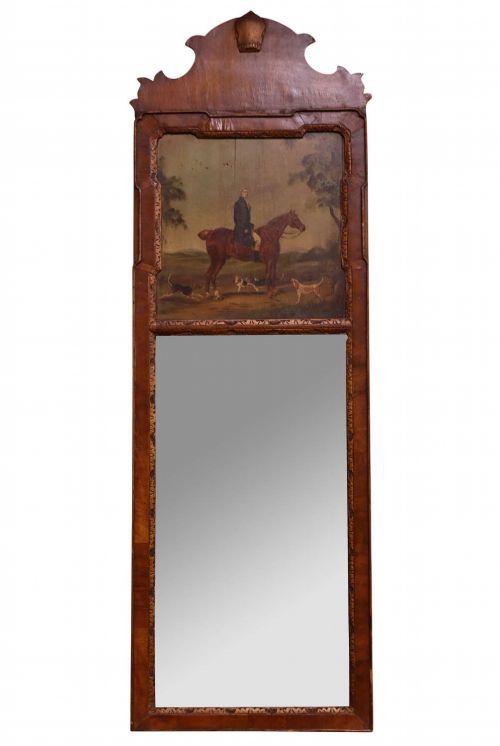
- A large tall mirror designed to hang on the wall between windows. Some period examples incorporate oil paintings directly into the structure.
Country House Horse Painting: Frequently Asked Questions
How do I hang a large horse painting?
Support the weight securely using appropriate wall fixings suited to heavy gilt wood frames and canvas stretches. Position the centre of the work at eye level to replicate the traditional display style of period country houses.
Keep the canvas away from direct heat sources and strong sunlight to protect the oil paint and wood over time.
What subjects appear in these paintings?
Canvases portray named racehorses, hunters in stables, coaching scenes with carriages, and mounted huntsmen with hounds. Farmyard settings with horses alongside livestock also feature strongly in the selections.
Many works record specific animals owned by prominent figures or depict famous regional hunts.
How are Victorian paintings identified?
Examine the materials, clothing styles of any figures, and framing techniques typical of the nineteenth century. Signature styles and subject matter often point directly to the Victorian sporting tradition.
Canvas stamps and handwritten inscriptions on the reverse frequently provide additional clues regarding date and origin.
Can watercolours be framed like oils?
Watercolours on paper require glass protection and mount boards to keep the surface away from humidity and direct contact. This differs from oil on canvas which breathes without glass.
Matching a period frame to a watercolour requires careful consideration of proportion and weight.