

Country House Canvas Painting
A country house canvas painting brings the scale, atmosphere and sporting heritage of historic estates directly into your interior.
Country House Canvas Painting
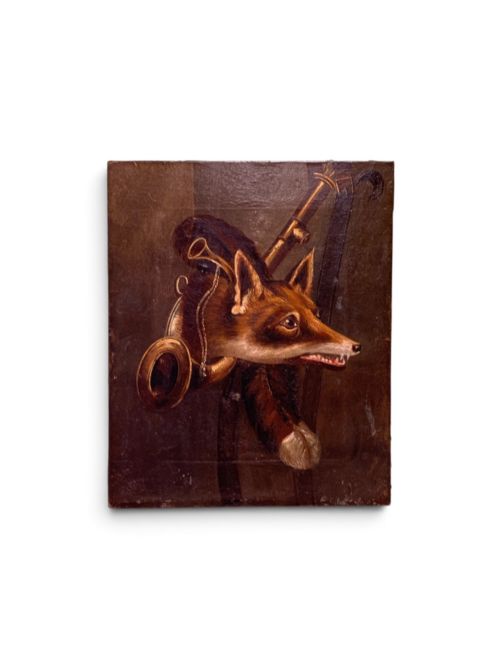
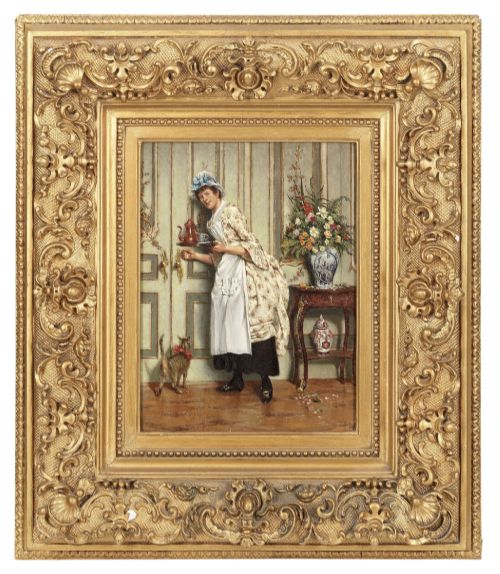
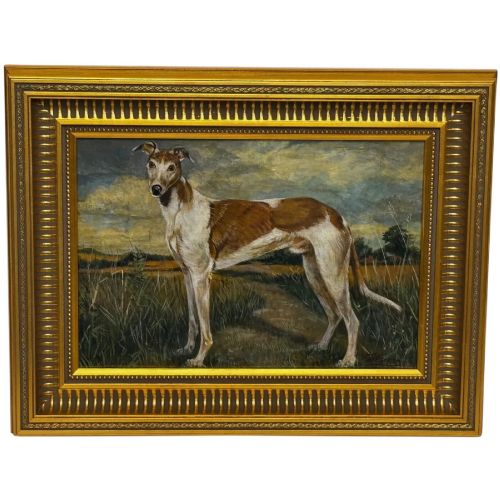
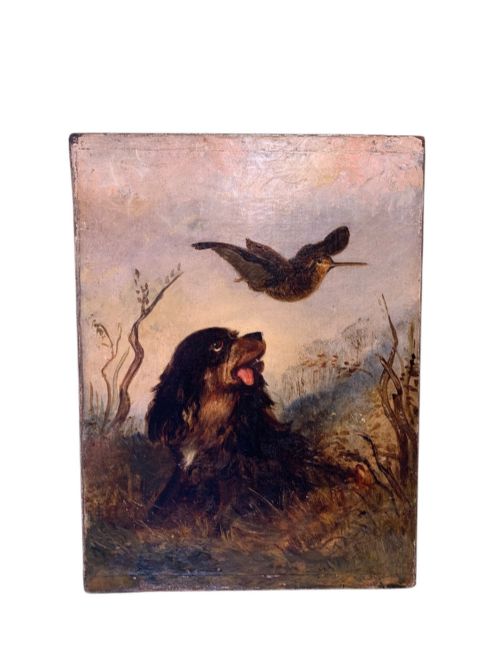
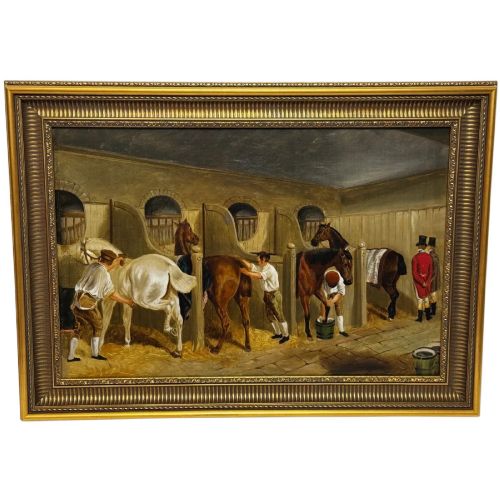
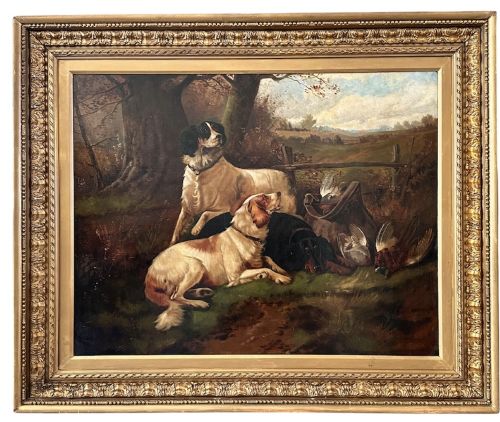
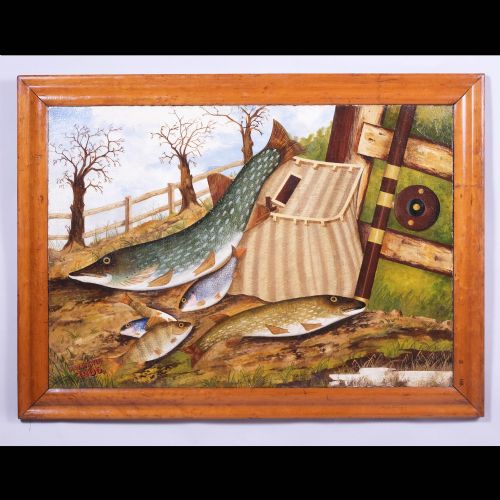
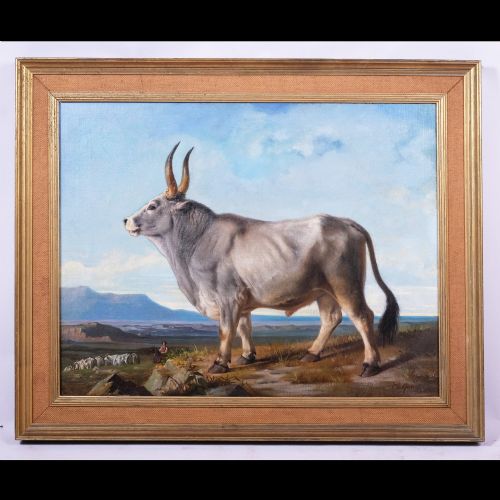
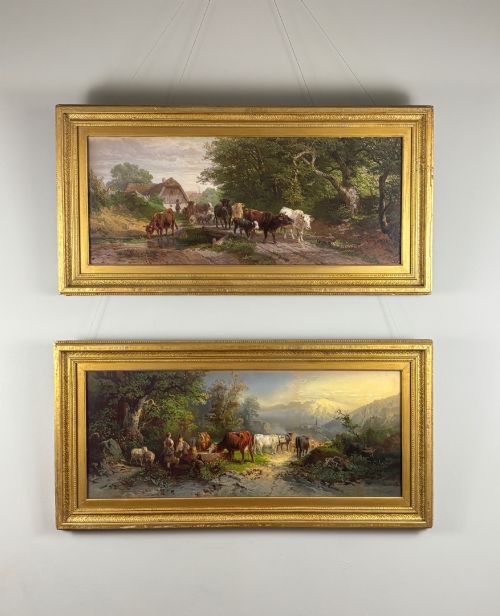
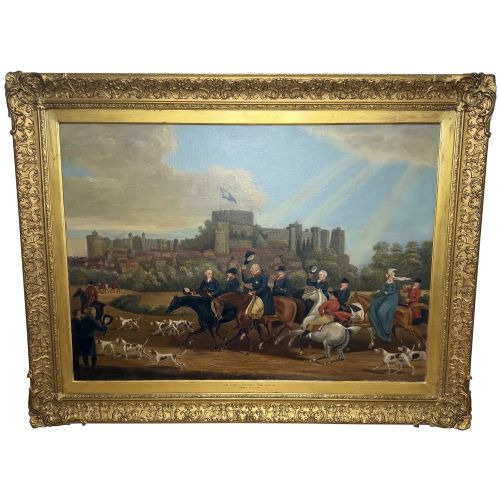
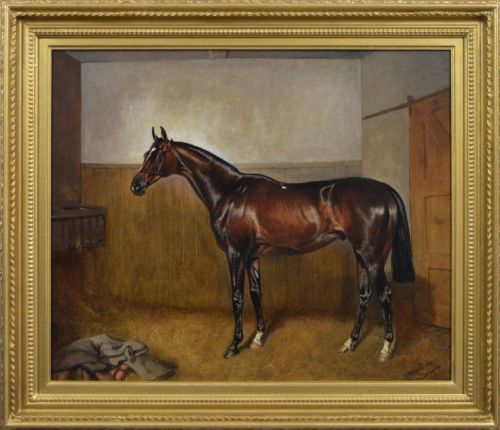
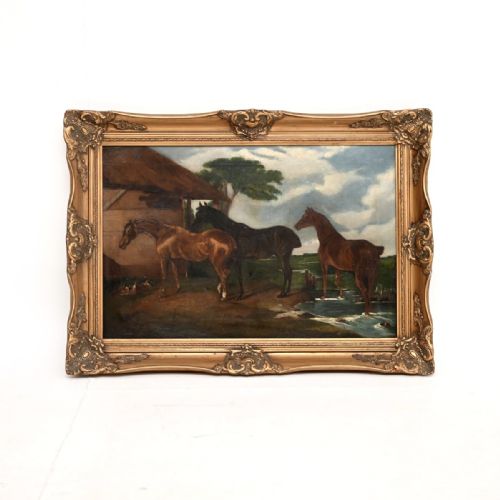
When you explore a country house canvas painting, you encounter works spanning the Georgian, Victorian and Edwardian periods, recording domestic interiors, rural landscapes and agricultural life. These canvases often depict sporting art, equestrian studies, genre scenes with figures, and animal portraits created to decorate large estates.
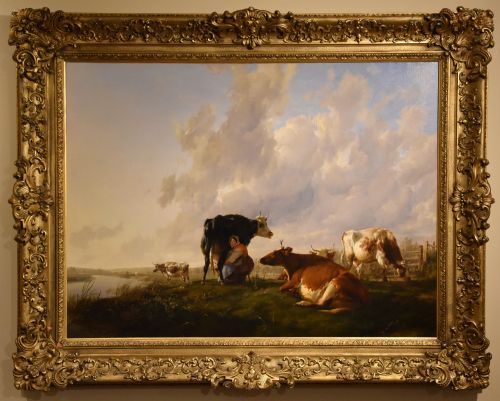
The version you are most likely to meet on this page is an oil painting on canvas from the nineteenth century, frequently housed in a decorative wooden frame. These pieces reflect the tastes of landed gentry through depictions of hunting dogs, racehorses, cattle and quiet parlour moments.
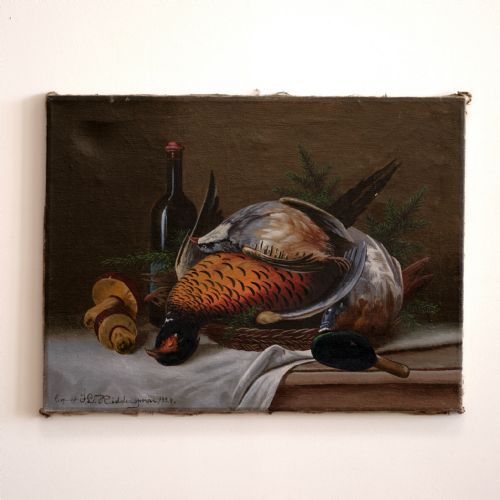
Subjects range from grand historical scenes after earlier masters to intimate still lifes and farmyard views. They carry the patina of age, reflecting the specific aesthetic preferences of the British country house over successive generations.
How they were made
Artists built these works using oil paint applied to stretched canvas, often supported by wooden stretchers and housed in elaborate frames made of giltwood, gesso and gold leaf. The combination of oil paint and layered canvas provided a durable medium that retained rich pigment depth over centuries.
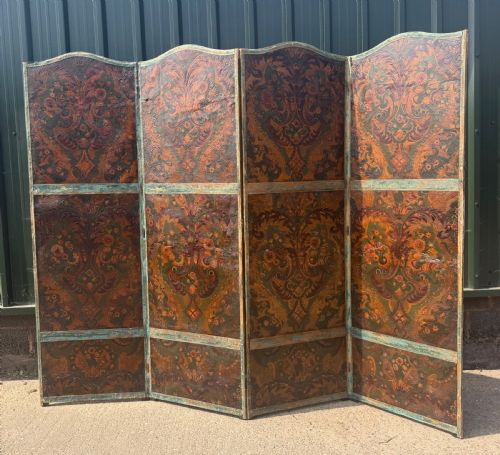
Frames frequently utilised carved wood enriched with gesso mouldings and finished in gold leaf to project status and complement heavy interior furnishings. Some larger examples take the form of folding screens or room dividers, marrying canvas painting with functional woodwork.
Materials recorded across the inventory include giltwood, gesso, gold leaf and wood alongside traditional canvas supports.
What varies in quality
The distinction between ordinary and exceptional works rests upon the confidence of the brushwork, the anatomical accuracy of figures or animals, and the integrity of the original canvas and stretcher. Master painters capture light, texture and movement with distinct fluency, whereas lesser studio pieces rely on stiffer composition and formulaic repetition.
Framing also dictates overall quality, as original period giltwood and gesso frames that match the age and scale of the canvas elevate the piece significantly above those later paired with replacement mouldings.
Stephen Samuel Lewin·Thomas Sidney Cooper·John Sargent Noble·Johann Friedrich Voltz·John Alfred Wheeler·Claude Cardon·John Arthur Lomax·Charles Haigh Wood·Henry John Yeend King·George E Sharpe·Valentine Thomas Garland·Samuel Spode·George Morland
The Country House Canvas Painting Glossary
- Canvas
- A heavy woven fabric stretched across a wooden frame to serve as a sturdy support for oil painting. It remains the standard foundation for the vast majority of historical paintings on this page.
- Giltwood
- Wood carved and coated with a thin layer of gold leaf or metallic powder. This material defined the grand decorative frames commissioned for stately homes.
- Genre painting
- Artwork depicting scenes from everyday life, typically featuring ordinary people in domestic or rural settings. These works often focus on narrative charm and interior atmosphere.
- Gesso
- A plaster-like mixture applied to wooden frames as a smooth base before gilding. It allows craftsmen to carve intricate decorative reliefs.
- Sporting art
- Paintings dedicated to equestrian subjects, hunting, shooting and working dogs. This genre formed a central pillar of the traditional country house collection.
Country House Canvas Painting: Frequently Asked Questions
How do I date a canvas painting?
Dating relies upon stylistic markers, stretcher construction, canvas types and framing techniques characteristic of specific decades. Archival signatures and inscriptions on the reverse further clarify the period of creation.
Examinations of the pigment and weave often reveal whether a work belongs to the Georgian, Victorian or Edwardian eras.
Where were these paintings displayed?
These works hung in the principal reception rooms, libraries, hallways and private chambers of large British estates. They functioned as both family records and statements of sporting and agricultural prestige.
Large screens featuring canvas panels were also utilised within expansive rooms to create private seating areas or block draughts.
How should I care for an oil painting?
Protect the canvas from direct sunlight, excessive moisture and rapid temperature fluctuations that cause the paint layer to crack. Keep the surface free from dust using a soft, dry brush without applying cleaning liquids.
Professional conservation should be sought for any structural repairs to the canvas or restoration of the giltwood frame.
What subjects are most common?
Animals dominate the selections, with frequent portraits of prize livestock, racehorses, hunting hounds and domestic pets. Rural landscapes and intimate domestic interior scenes also appear regularly.
These subjects reflect the rural pursuits and daily lives associated with historic country house estates.