
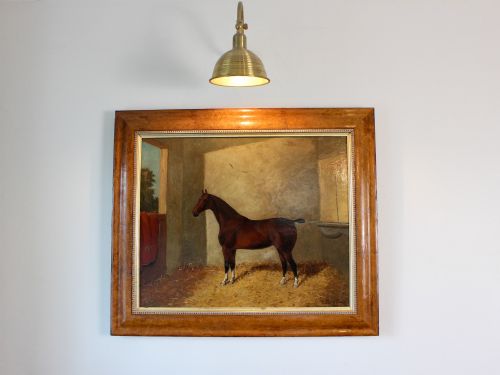


Country House Animal Art
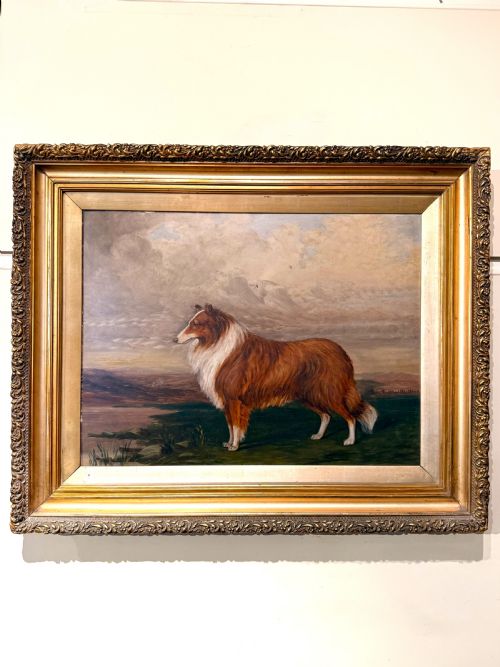
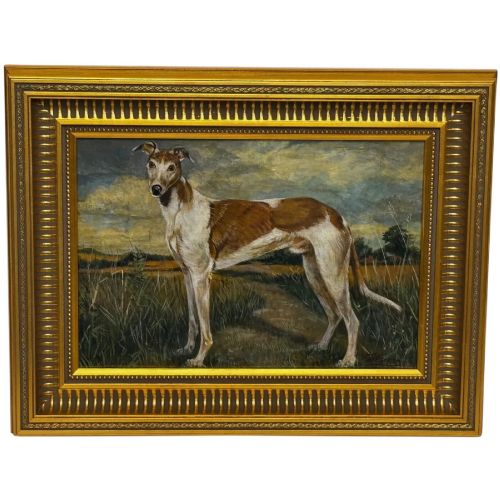
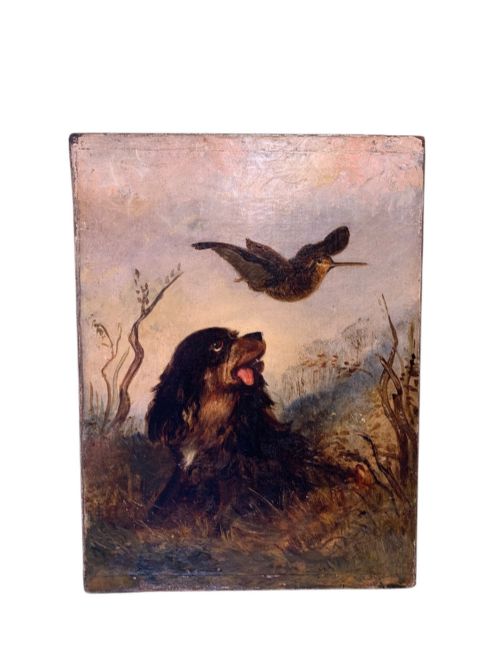
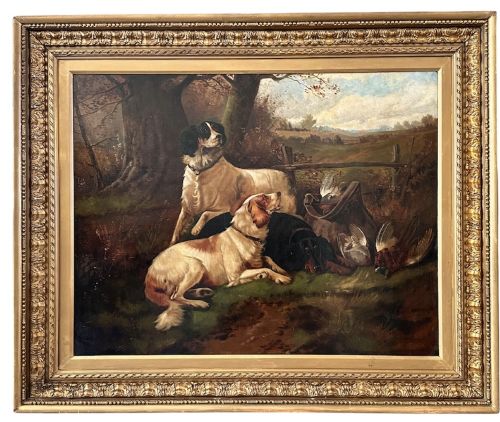
Country house animal art captures the presence of horses, hounds, farm stock and wild creatures in oil on canvas, wood and giltwood frames.
Country House Animal Art
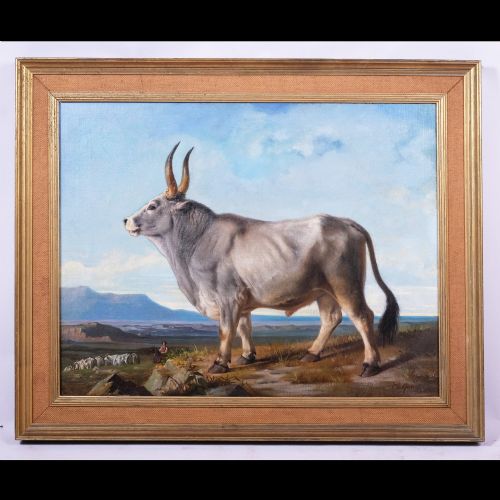
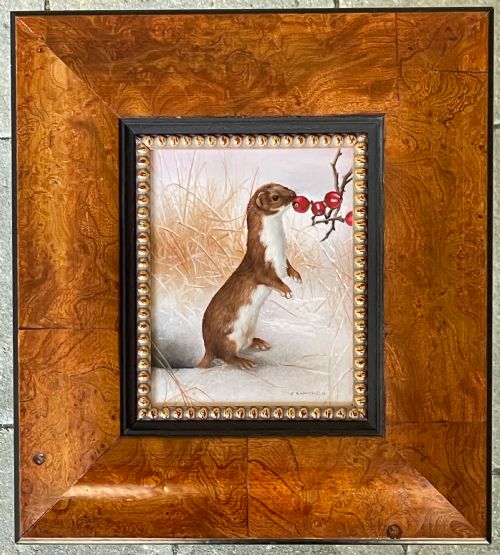
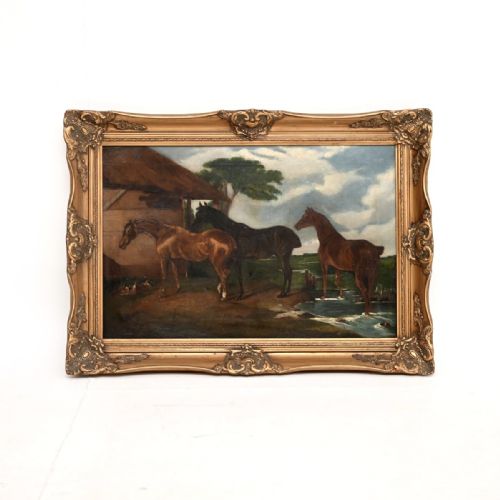
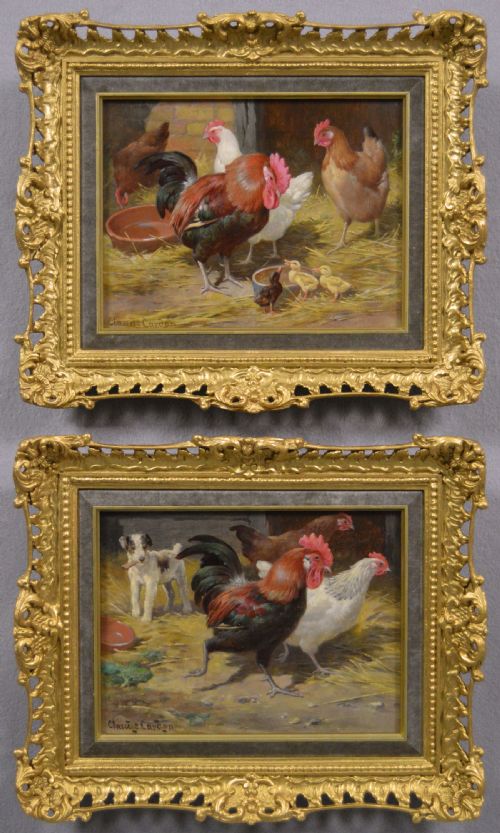
Country house animal art encompasses oil paintings, framed artwork and sculptures depicting domestic and wild fauna across the nineteenth and twentieth centuries. These works record prized livestock, working dogs, horses and farmyard scenes through Victorian fine art, sporting art and naturalism. The most common examples on this page are oil paintings on canvas and board from the nineteenth century, including Victorian portrayals of hounds, horses and cattle.
The subjects range from solitary dog portraits and farmyard pairs to dramatic hunting scenes and quiet landscapes with sheep. Pieces appear in various styles from British sporting art and Victorian realism to naive school depictions and twentieth-century studies. Buyers find works originating from structured Georgian compositions up to mid-twentieth-century paintings of specific animals.
How these pieces were made
Artists painted these works using oil paint applied to canvas, wooden panels or board, frequently housed within giltwood or gilded wood frames. The application relies on traditional brushwork to capture the textures of animal coats, feathers and stable interiors. Many nineteenth-century and early twentieth-century canvases utilise layered oil pigments that retain their depth over decades.
Sculptural pieces from the period employ metal or carved materials to shape figures of birds and animals like golden pheasants. The framing often matches the era of the painting, utilising moulded wood finished with gilt to complement the domestic interiors for which these artworks were originally commissioned.
Listings feature oil paintings on canvas and board, giltwood frames and sculptures dating from the 1800s to the 1960s.
What varies in quality
Quality in country house animal art rests upon the anatomical precision of the subject and the confidence of the brushwork. Master painters render the muscular structure of a horse or the alertness of a terrier with convincing weight, whereas lesser works stiffen into rigid outlines.
The handling of light and background detail also separates skilled academic or follower pieces from simpler naive school items. A superior canvas integrates the animal into its landscape or stable setting with natural harmony, whereas baseline examples rely on formulaic repetition.
John Sargent Noble·Carl Whitfield·Claude Cardon·Thomas Sidney Cooper·John Frederick Herring Jnr·Samuel Raven·Eugene Verboeckhoven·Colin Graeme Roe·Valentine Thomas Garland·Percival Glenfern·Samuel Spode·Edgar Hunt·Jules Chardigny·Charles Jones·M.E. Hankinson·John Emms·GW Horlor·Constant Ludovic Artz
The Country House Animal Art Glossary
- Sporting art
- Depictions of hunting, shooting, racing and working animals. These works record specific hounds, horses and game birds.
- Oil on canvas
- A painting medium where pigments suspended in drying oils are applied to stretched fabric. This combination allows for rich blending and enduring colour.
- Naive school
- Art created by painters without formal academic training. These pieces exhibit a charming flatness of perspective and directness of form.
- Giltwood
- Wood that has been treated with a thin layer of gold leaf. Frames made this way enhance the visual weight of nineteenth-century paintings.
- Follower
- An artist working closely in the manner of an established master. Such works share compositional traits and techniques with recognised painters.
Country House Animal Art: Frequently Asked Questions
What periods do these paintings date from?
The selection spans the nineteenth and twentieth centuries, with significant representation from the Victorian era. Earlier Georgian pieces from around eighteen hundred also appear alongside mid-twentieth-century works.
Most items date between the eighteen-fifties and nineteen-twenties, reflecting the popularity of animal portraiture in country houses during those decades.
How were these artworks displayed originally?
These paintings hung in country house libraries, drawing rooms, stables and halls. They celebrated specific working animals, prized livestock and hunting companions.
Owners commissioned portraits of winning racehorses and valued gun dogs to record their estates' activities and sporting achievements.
Are the frames original to the paintings?
Many works retain their period giltwood or wooden frames, which help date the piece alongside the canvas. Some frames reflect nineteenth-century moulding styles.
Matching the frame to the era of the oil painting provides context for how the artwork was presented in its original domestic interior.
What is the difference between naive and academic animal art?
Academic works adhere to strict rules of anatomy, perspective and lighting, often painted by trained professionals. Naive school pieces skip formal perspective for a more direct, folk-art charm.
Both styles record animals with sincerity, but academic art focuses on proportion while naive art emphasises character.