


Oil on Canvas Ducks
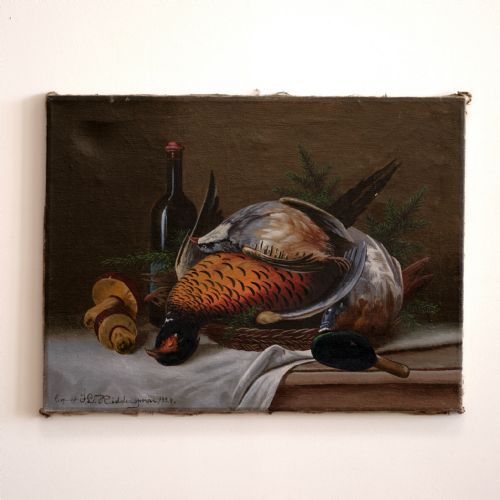
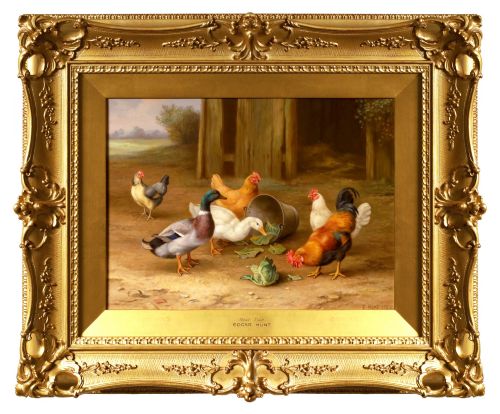
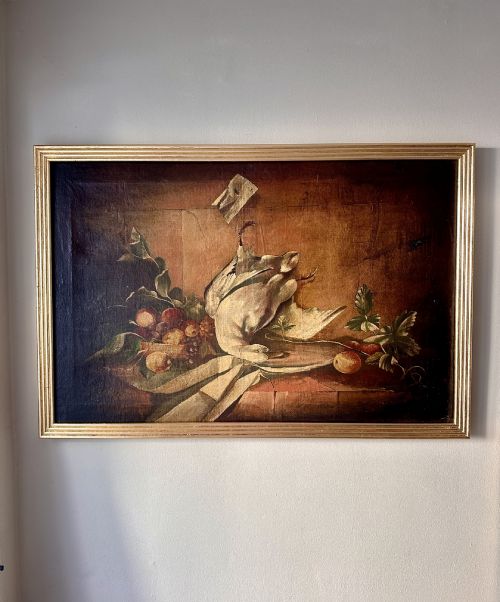
These oil on canvas ducks capture pastoral scenes and sporting wildlife through traditional brushwork.
Oil on Canvas Ducks
When you search for oil on canvas ducks, you encounter framed paintings depicting waterfowl in landscapes, farmyards and river settings. These artworks emerge from periods spanning the eighteenth century through to the early twentieth century.
The selections on this page encompass British animalier, Victorian pastoral and continental school compositions. Painters render these birds alongside farm animals, game and rural backdrops using traditional oil paint.
Most examples appear within giltwood or plaster frames that complement the painted canvas. The subjects range from solitary ducks near ponds to domestic ducklings gathered with mother birds.
How they were made
Artists applied oil paint directly onto stretched canvas surfaces to build depth and texture within each landscape. The medium allowed painters to capture the delicate plumage of birds and the reflective surface of water.
Makers housed these canvases within heavy frames constructed from giltwood and plaster. These decorative surrounds protected the edges of the fabric while enhancing the visual weight of the artwork.
Several paintings include surprise appearances by frogs and toads lurking near the river banks alongside the ducks.
What varies in quality
Quality rests in the precision of the brushwork and the anatomical accuracy of the ducks within the landscape. Finer pieces demonstrate careful attention to light on feathers and natural movement across the water.
The integration of the subject matter into the wider rural or pastoral background distinguishes superior compositions from simpler decorative works. Frame construction and the preservation of the original canvas also influence the standing of a piece.
Edgar Hunt·Philipp Ferdinand de Hamilton·George Armfield·John Frederick Herring·Claude Cardon·Arthur Walker Redgate·Alfred Banner·Thomas Blinks·Constant Ludovic Artz·Singleton Jowett
The Oil on Canvas Ducks Glossary
- Oil on Canvas
- A painting medium where pigments suspended in oil are applied to a woven fabric support. This combination creates rich colours and durable surfaces.
- Giltwood Frame
- A wooden surround coated with a thin layer of gold leaf or gilt. These frames provide ornamental borders for traditional paintings.
- Animalier
- Artworks that focus on the realistic portrayal of animals. This style flourished across the nineteenth century.
- Continental School
- A term describing European artists working outside of Britain. Their output often reflects distinct regional training and landscape traditions.
- Pastoral
- A style of art depicting rural life and agricultural scenes. These works typically present an idealized view of the countryside.
Oil on Canvas Ducks: Frequently Asked Questions
How do I clean an oil painting?
Dust the surface gently with a soft, dry brush to remove loose particles. Avoid using water or chemical cleaners on the canvas.
Professional conservators should handle deeper cleaning or the removal of aged varnish. Improper liquids can damage the oil paint layer.
Are these paintings original artworks?
The listings feature original hand-painted works created on stretched canvas during past centuries. Each piece represents the individual brushwork of a specific artist.
These are not modern reproductions or prints. They carry the historical marks and materials of their original creation period.
How should I hang my painting?
Select a wall away from direct sunlight and strong heat sources to protect the canvas and frame. Stable indoor temperatures prevent the wood and fabric from warping.
Ensure your wall fixings can support the weight of the heavy giltwood frames. Use appropriate picture wire secured firmly to the frame structure.
What periods do these artworks cover?
The pieces span from the eighteenth century through the Victorian era and into the early twentieth century. Each era brings distinct framing styles and painting techniques.
Nineteenth-century works frequently feature pastoral or sporting art subjects. Earlier eighteenth-century examples often highlight wildlife within expansive landscapes.