
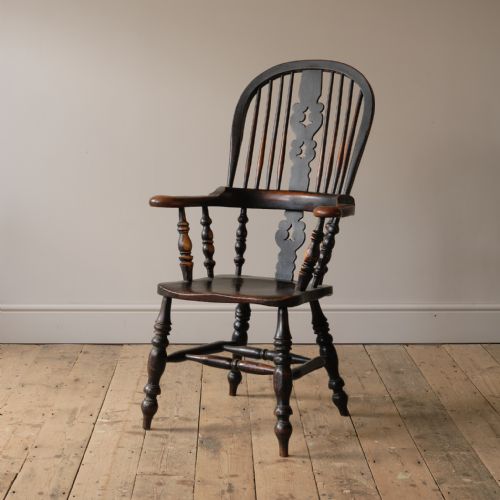
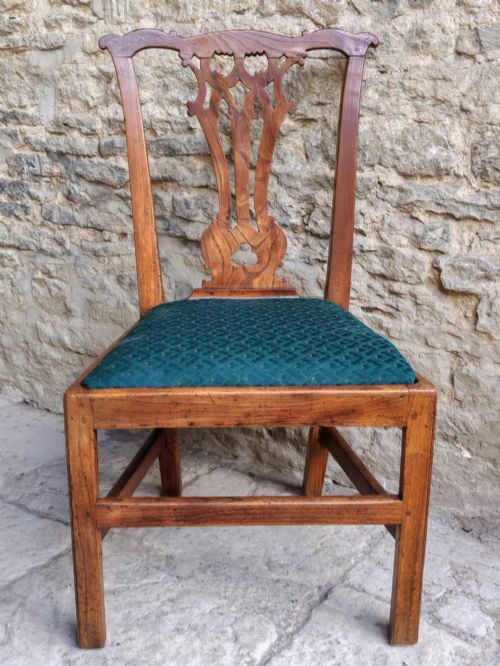
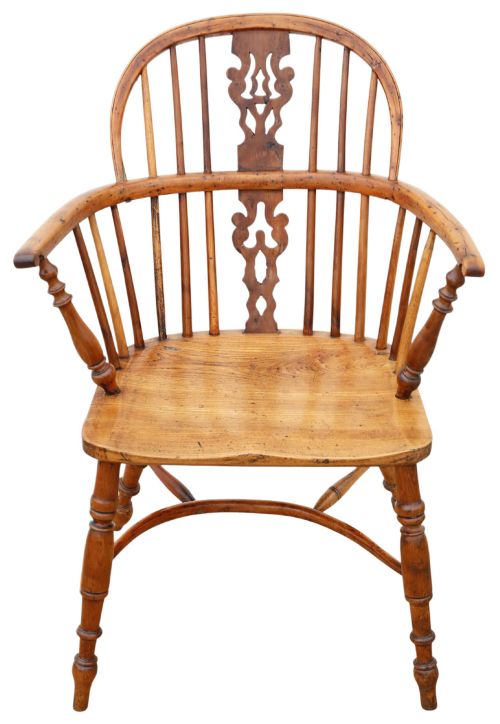
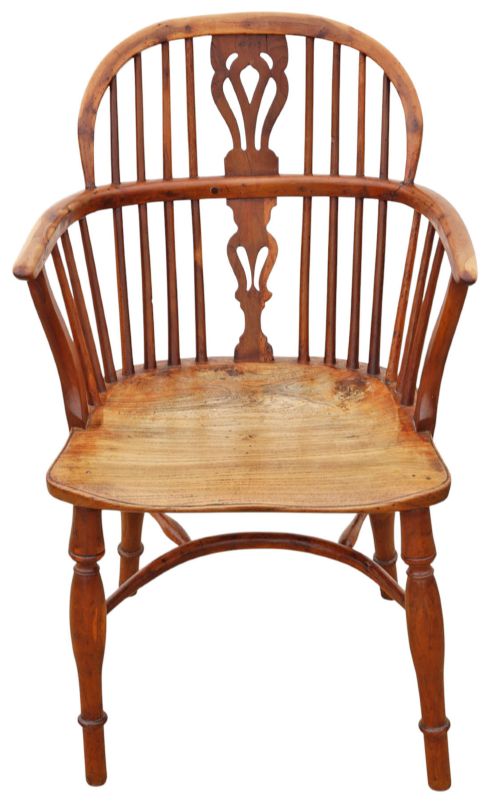


Country Elm Desk Chair
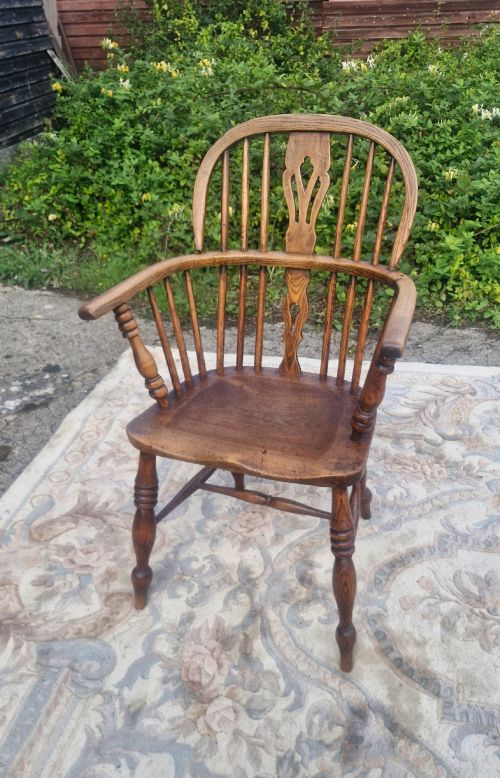
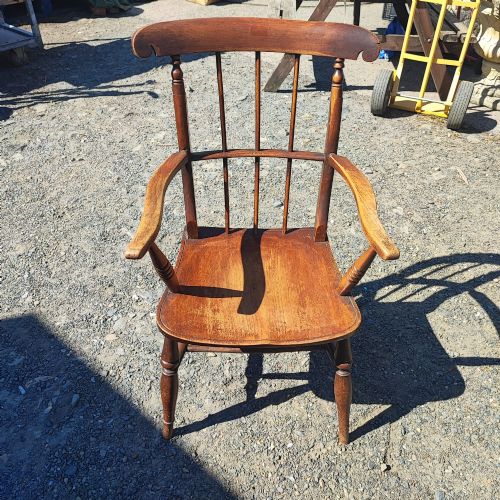
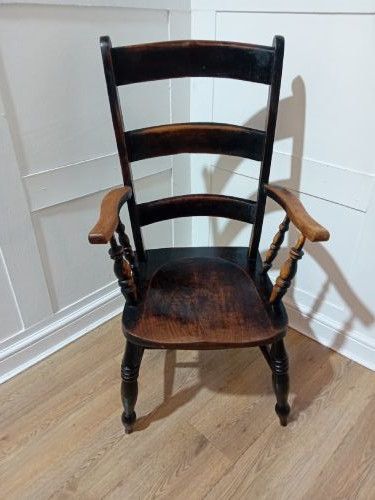
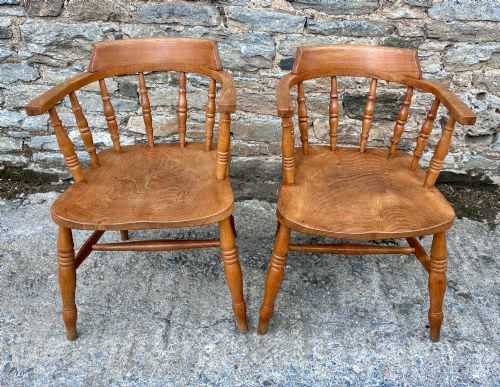
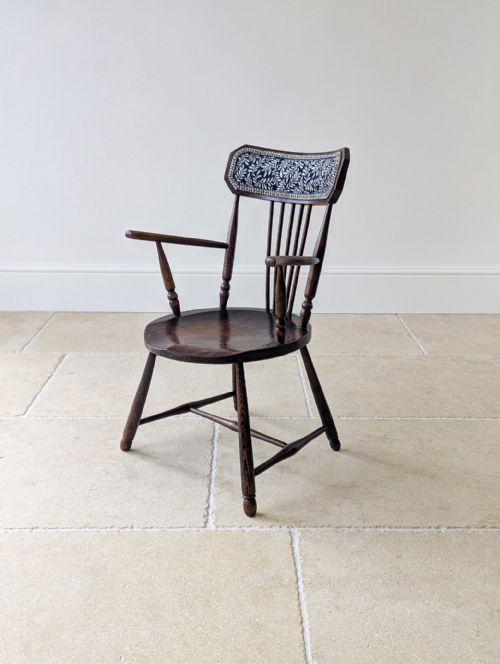
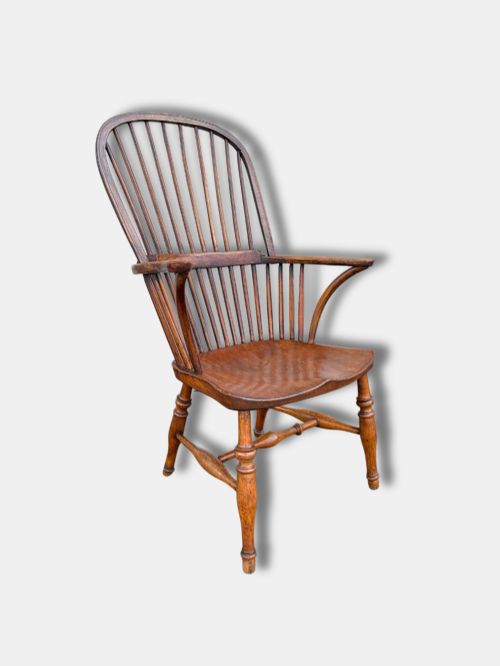
A country elm desk chair brings rustic warmth and solid utility to a study, offering robust timber construction built for daily service.
Country Elm Desk Chair
The materials reflect traditional British woodland resources, pairing rich elm seats with contrasting ash, beech, yew, or oak for spindles, arms, and legs. Buyers searching for a country elm desk chair will discover pieces spanning the Georgian, Victorian, and Arts and Crafts periods, showing regional variations from the Thames Valley to Scotland.
How they were made
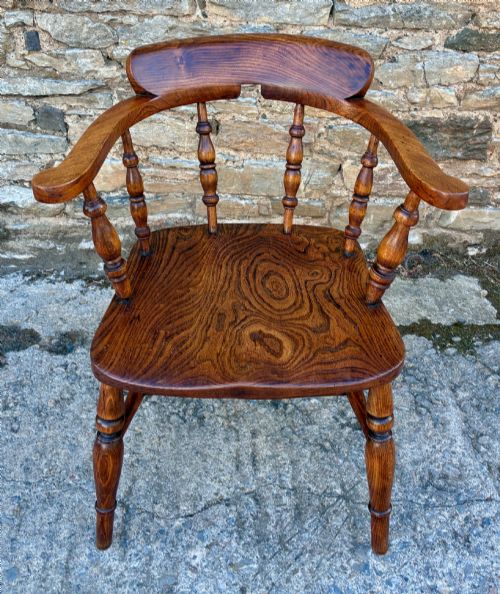
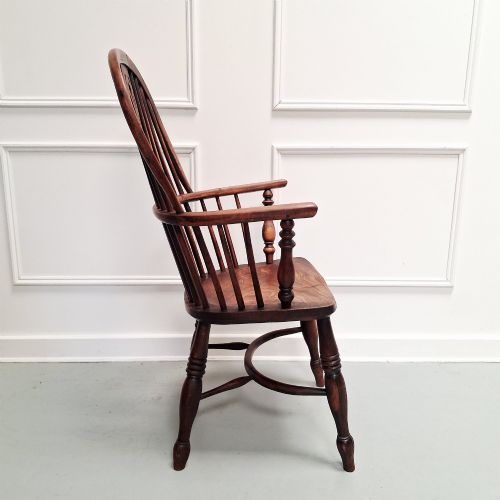
Makers constructed these chairs using a saddle-shaped solid elm seat into which turned legs and back spindles were wedged and secured. Elm timber provided the tough, interlocking grain necessary to prevent the thick seat slab from splitting under heavy use.
Framing elements relied on ash, beech, or yew for steam-bent hoops, arms, and slender spindles. Traditional joinery utilised wedged tenons and mortise joints, ensuring lasting stability without relying on modern adhesives.
Current listings feature nineteenth-century and Victorian country elm chairs alongside eighteenth-century Georgian examples.
What varies in quality
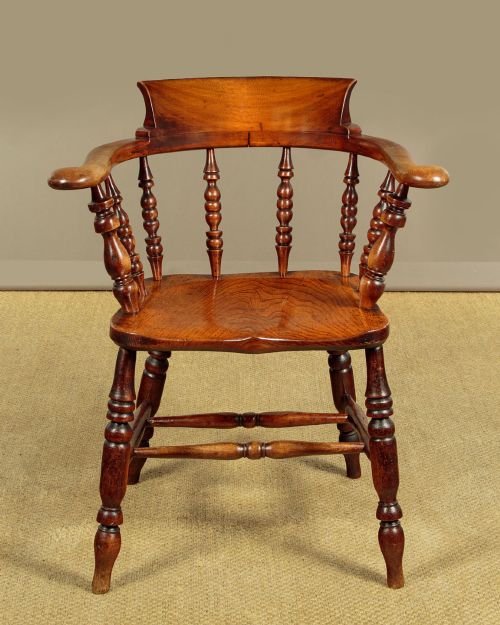
Quality rests upon the sculptural flow of the comb or hoop back and the depth of the adzed shaping in the solid timber seat. Superior examples display generous proportions, carefully turned arm supports, and balanced matching woods between the elm seat and the surrounding framing timbers.
The integrity of the original surface finish and the tightness of the pegged joints further distinguish finer regional chairs from standard utility furniture. Original patination and minimal timber replacement elevate an individual chair's standing among collectors.
J SPENCER
The Country Elm Desk Chair Glossary
- Windsor chair
- A chair built with a solid wooden seat into which the back and legs are independently inserted. This method creates a sturdy, resilient frame typical of country furniture.
- Smoker's bow
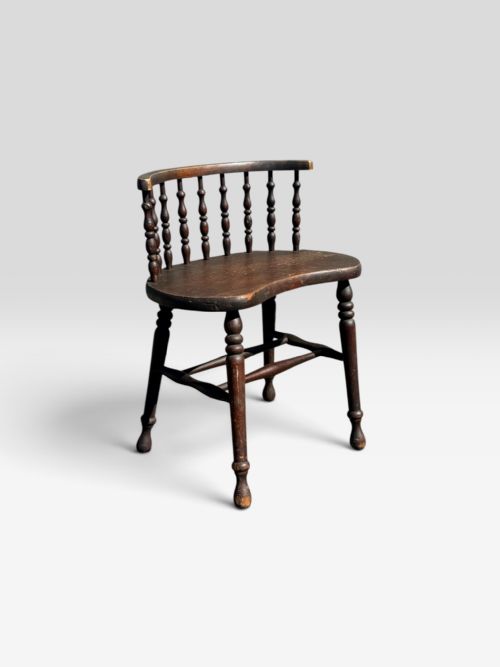
- A low-backed Windsor armchair with a continuous curved armrail supported by turned spindles. These chairs offer compact proportions often utilised at desks and tables.
- Comb back
- A Windsor chair design where the top rail resembles the spine of a comb, featuring upward-extending spindles. This style provides additional back support.
- Vernacular
- Furniture designed and built by regional makers using local traditions rather than following strict metropolitan pattern books. Such pieces reflect the specific character of their local district.
- Saddle seat
- A wooden seat base carved with ergonomic hollows for comfort. This shaping is traditionally found on high-quality elm chair seats.
Country Elm Desk Chair: Frequently Asked Questions
How do I identify a genuine country elm desk chair?
Look for a heavy, adzed solid elm seat combined with turned spindles and legs made from contrasting timbers like ash or beech. Genuine older examples show honest wear and traditional pegged joinery.
Examine the construction under the seat where the legs wedge through the timber base. Hand-turned components and subtle regional design traits further confirm authenticity.
Were these chairs originally used at desks?
Many sturdy vernacular armchairs and smoker's bows served multiple domestic and working purposes, including writing at bureaus or office tables. Their robust build made them practical seats for daily administrative tasks.
Over time, comfortable proportions and supportive armrests naturally suited these timber chairs to study and office environments.
How should I care for antique elm furniture?
Maintain the timber by keeping the chair away from direct heat sources and sudden temperature fluctuations. Regular dusting with a soft cloth preserves the dry-scraped or polished surface.
Applying a traditional beeswax polish occasionally helps nourish the wood and maintain its natural lustre without building up heavy chemical layers.