


Copper Metal Scuttle
A copper metal scuttle brings warmth and utility to a hearth, combining practical coal storage with rich metallic character.
Copper Metal Scuttle
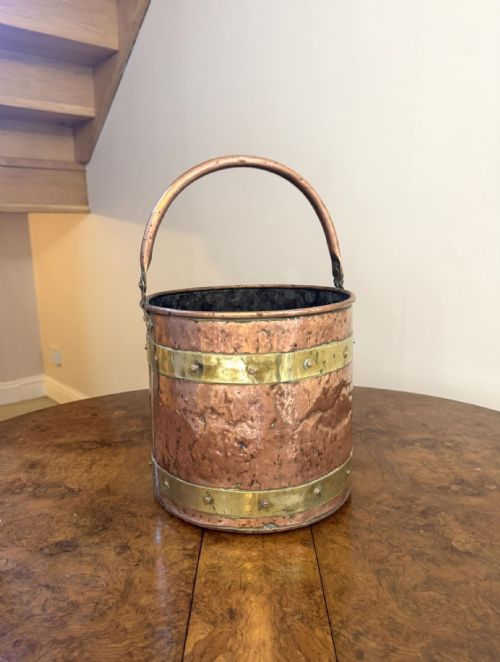
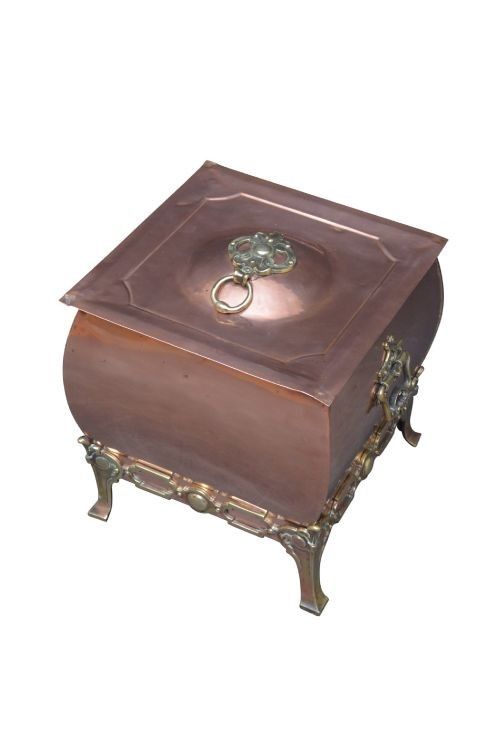
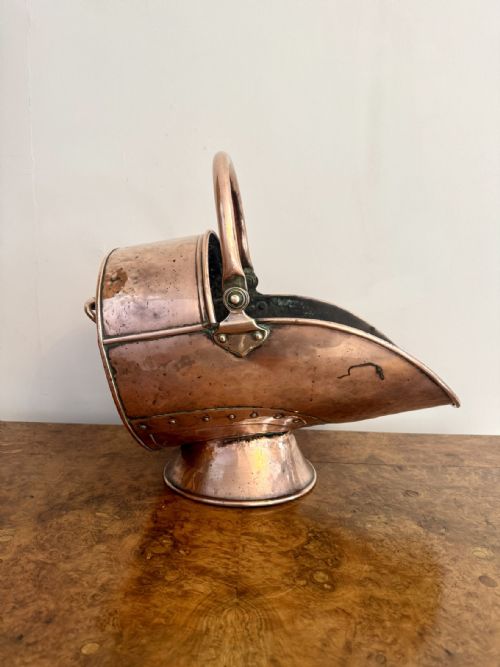
A copper metal scuttle serves primarily as a fireside accessory designed to hold coal or logs close to the grate. When searching for this phrase, buyers encounter various forms including helmet scuttles, cylindrical buckets, and open bins intended for hearth use.
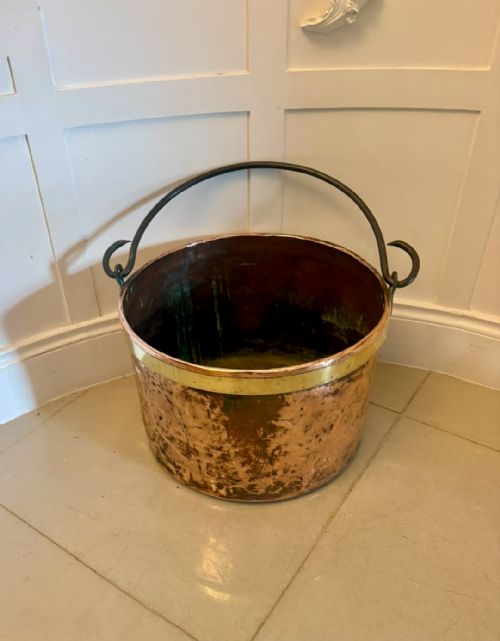
The pieces appearing on this page span several decades from the Georgian era through the Victorian period and into the Arts and Crafts movement. Victorian examples and helmet shapes dominate the selection alongside utilitarian buckets fitted with wrought iron handles.
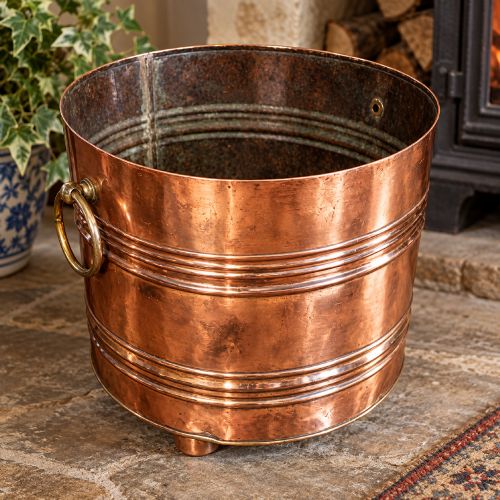
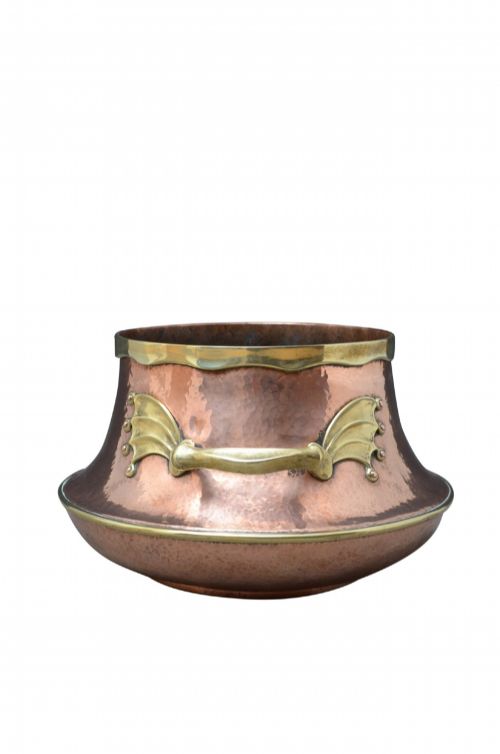
Many of these vessels double as planters or jardiniere containers when removed from active fireside duty. Their robust metal construction allows them to transition smoothly from holding fuel to housing large indoor plants.
Materials and construction
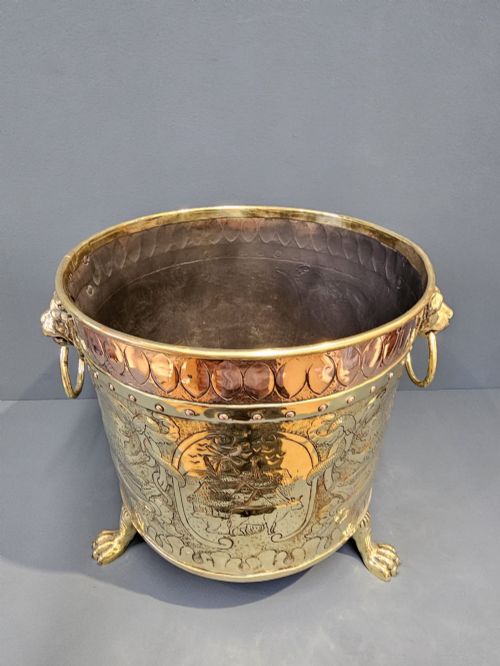
Makers utilised hammering techniques to create textured surfaces on Arts and Crafts pieces, while earlier Victorian and Georgian examples often display smooth polished bodies contrasted with cast brass handles and feet.
Listings feature copper alongside brass, wrought iron, and wood across periods spanning from Georgian to 1930s Arts and Crafts.
Assessing quality
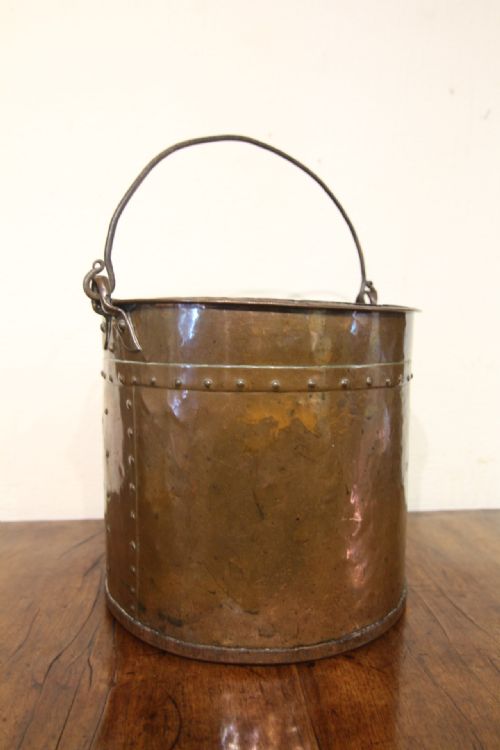
Quality reveals itself in the thickness of the copper sheet and the integrity of the riveted or joined seams. Heavier gauge metal resists denting and maintains its structural form under the daily weight of coal or logs.
The refinement of decorative details, such as embossed brass bands, hand-beaten hammering, and securely fastened wrought iron handles, distinguishes standard utilitarian vessels from finer decorative hearth furniture.
Percy Metal Works London
The Copper Metal Scuttle Glossary
- Helmet scuttle
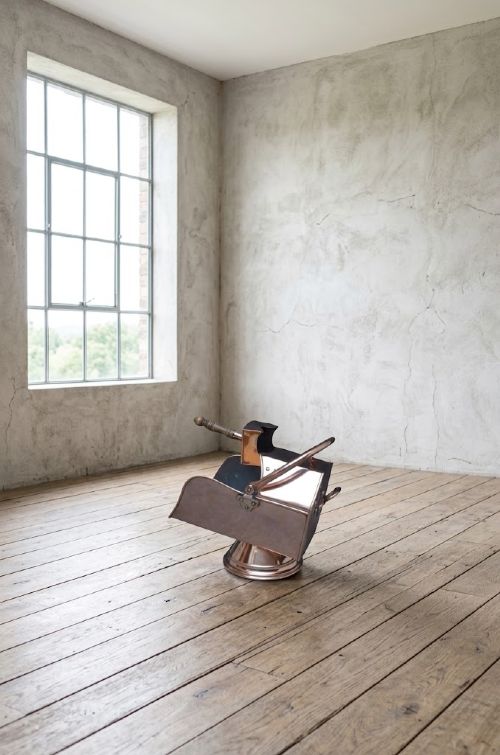
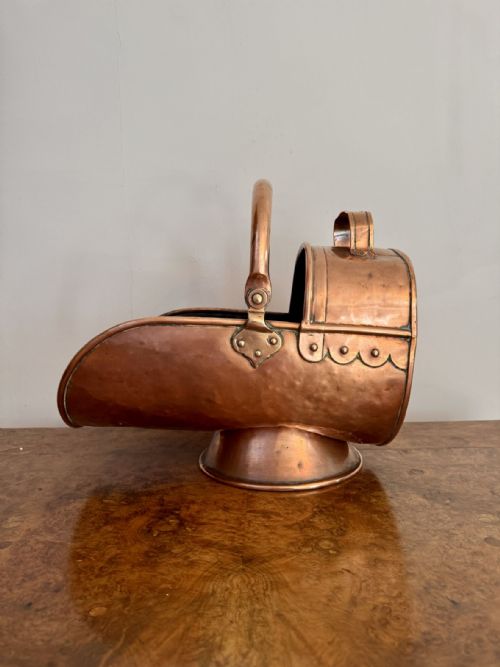
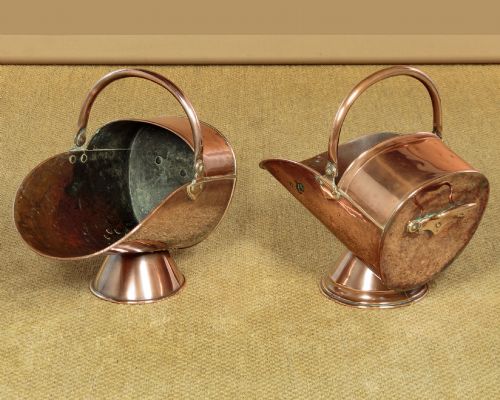
- A traditional coal container shaped like an upturned helmet with a flared lip for pouring fuel. This design usually includes a fixed arched handle over the top and a smaller grip at the back.
- Jardiniere
- An ornamental pot or receptacle designed to hold plants or flowers. Many metal coal buckets serve this decorative secondary function in modern interiors.
- Arts and Crafts
- A design movement spanning the late nineteenth and early twentieth centuries that prioritised honest construction and hand-worked materials. Pieces from this tradition often display visible riveted seams and hammered copper surfaces.
- Riveted
- A method of fastening overlapping sheets of metal using cylindrical metal pins hammered flat on each side. This technique ensures durable joints on heavy-duty coal buckets.
Copper Metal Scuttle: Frequently Asked Questions
How do I clean a copper scuttle?
Maintenance depends on the desired finish, as many owners prefer to leave an aged patina rather than polish the metal to a bright shine. Gentle dusting and occasional washing with warm soapy water preserve the historic surface.
Harsh chemical cleaners strip away the natural oxidation accumulated over centuries. A soft cloth protects the softer copper surface from unnecessary scratching during routine care.
Can I use an antique scuttle for real coal?
These vessels were originally built for daily hearth service, holding coal or logs for domestic fires. Their robust copper and iron construction suits heavy fuel storage.
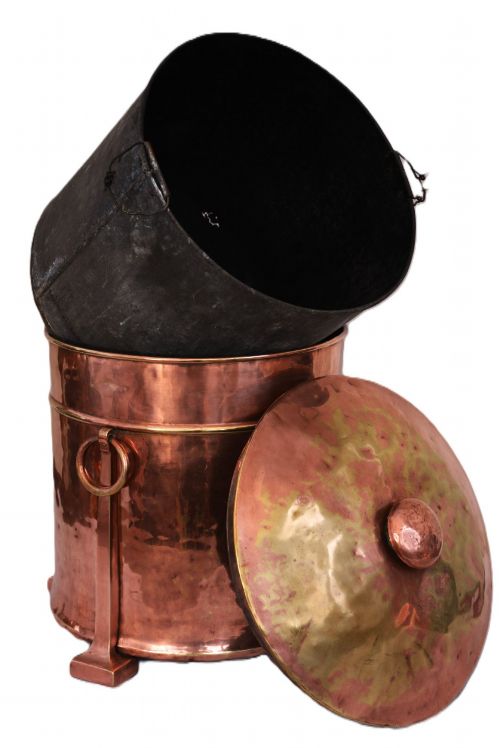
Modern users often line the interior with a removable container to protect the historic metal from moisture and direct abrasion. This prevents corrosion while keeping the vessel functional.
How do I tell Victorian scuttles apart from later ones?
Victorian pieces frequently feature polished surfaces, embossed brass banding, and distinct helmet profiles designed for formal nineteenth-century hearths. Their construction often incorporates heavy cast brass feet and swing handles.
Later pieces from the Arts and Crafts period lean towards hammered textures, plain riveted seams, and simpler geometric forms. Maker preferences shifted away from ornate Victorian styling toward honest craftsmanship.
Where should I place a copper bucket at home?
Hearth placement remains the traditional choice, positioned beside the fireplace to keep fuel supplies organised and visually grounded. The metallic sheen reflects firelight effectively.
Alternatively, placing them away from the hearth as floor planters or umbrella stands allows the warm copper tones to complement living room furniture. Their versatile proportions fit easily into unused corners.