
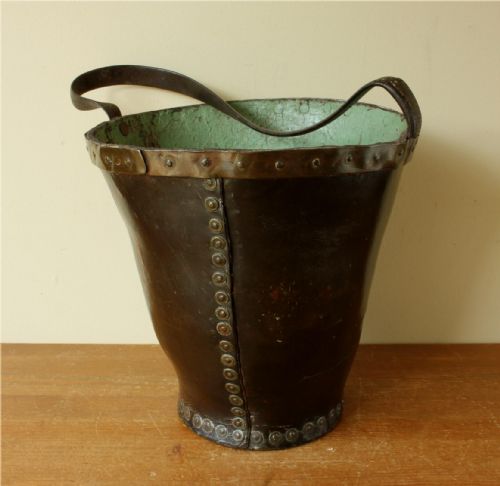


Georgian Copper Coal Bucket
A georgian copper coal bucket brings heavy metalwork and hearthside utility together, offering the robust character that traditional firesides demand.
Georgian Copper Coal Bucket
A georgian copper coal bucket comprises sturdy vessels designed for hearth use, frequently appearing as coal scuttles, log bins, and fireside buckets. The selection spans the Georgian, George III, and Victorian periods, alongside Victorian Country styles.
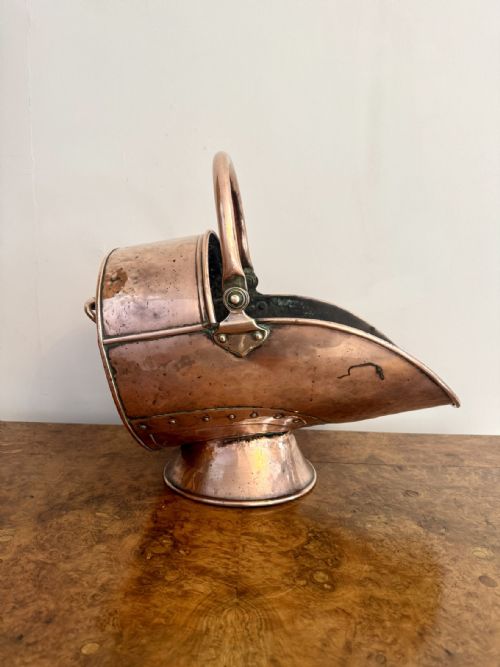
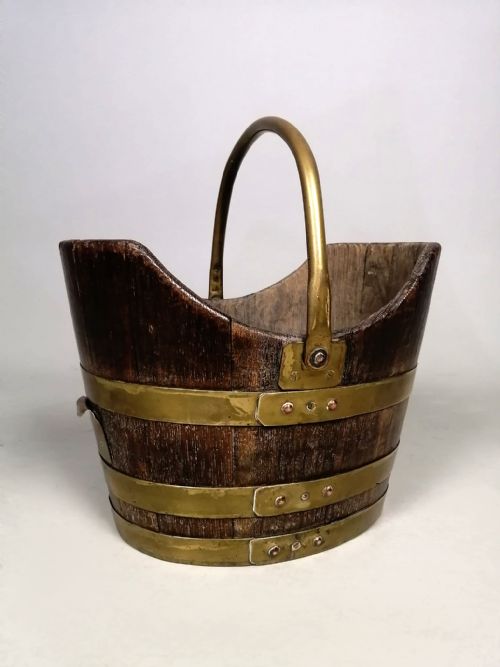
Buyers encounter distinct forms such as helmet coal scuttles and shaped log bins that double as planters or waste paper baskets. These pieces reflect eighteenth and nineteenth century domestic metalworking traditions.
Judging quality and finish
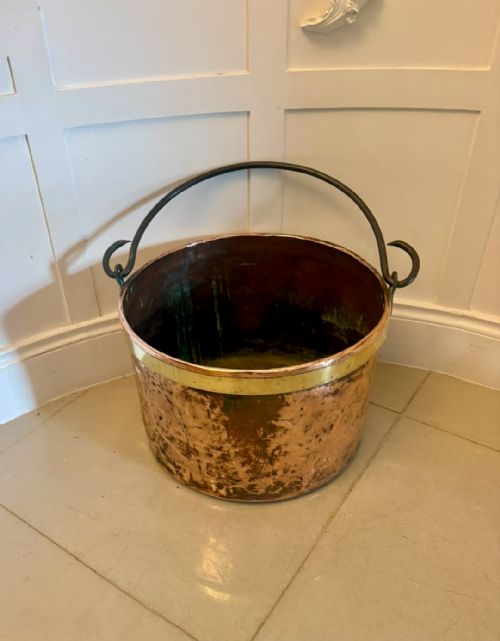
Quality rests upon the weight of the copper sheet and the integrity of the riveted joints. Heavier gauges and crisp brass banding indicate superior domestic metalwork from the period.
Subtle differences in the shaping of helmet rims and the patination of the weathered copper separate standard utility vessels from more refined examples. Original handles and feet maintain the architectural balance of the piece.
The listings here span the Georgian, George III, and Victorian periods, utilising copper, brass, iron, oak, and boiled leather.
The Georgian Copper Coal Bucket Glossary
- Log bin
- A deep floor vessel intended for storing firewood beside a fireplace. These items frequently share the cylindrical or tapered proportions of coal buckets.
- Helmet coal scuttle
- A coal bucket with a high flared back and a pointed front lip resembling a classical helmet. This profile directed coal neatly into the grate.
- Boiled leather
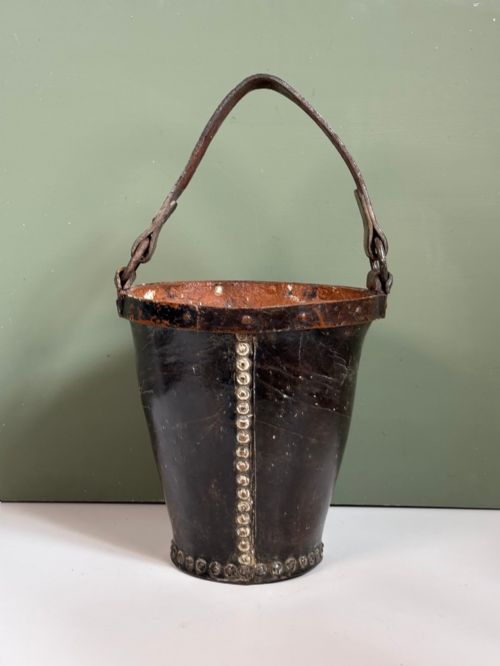
- A hardened leather material formed by heating in water or wax, utilised for durable fire buckets. It offers a resilient alternative to metal construction.
Georgian Copper Coal Bucket: Frequently Asked Questions
What is a georgian copper coal bucket?
A georgian copper coal bucket is a functional hearthside container made during the eighteenth or nineteenth century to store and transport fuel.
These pieces utilise heavy copper panels, often reinforced with brass and iron, to serve daily domestic demands by the fireplace.
How were they used originally?
They stood beside the hearth to hold coal or logs for open fires. Servants filled them from larger cellar stocks before carrying fuel to living rooms.
Many designs allowed the bucket to tilt or pour directly into the grate without spilling debris onto the floor.
Can I use them as log bins?
Many examples function well as log bins or fireside planters due to their deep proportions and sturdy metal construction.
Their robust copper and iron bodies handle the weight of firewood easily while adding period character to a modern room.
How do I care for antique copper?
Maintain the metal by dusting gently with a soft dry cloth to protect the historical surface and weathered patina. Avoid harsh chemical cleaners that strip the aged finish accumulated over centuries.