




George III Coal Bucket
A george iii coal bucket brings purposeful weight and warmth to a fireside, combining Georgian utility with honest metalwork.

George III Coal Bucket
A george iii coal bucket serves as a sturdy receptacle for fuel beside the hearth, taking the form of traditional scuttles or deep cylindrical buckets. These items belong to the broader category of fireplace and fireside accessories, designed to handle everyday fuel storage with practical grace.
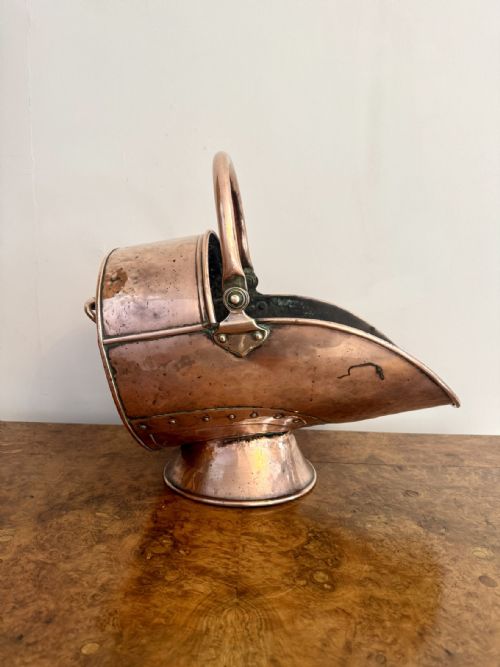
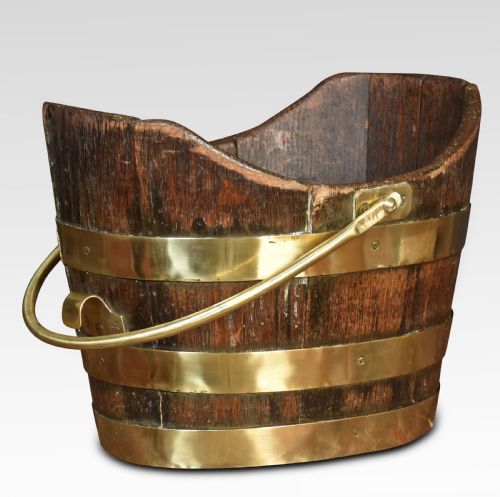
Buyers browsing this selection will most frequently encounter copper helmet-shaped coal scuttles alongside wooden variations. The inventory spans pieces from the Georgian period and eighteen hundred, supplemented by later nineteenth century examples and twentieth century interpretations in the George III style.
Forms range from simple open buckets to specialised peat buckets and helmet shapes often accompanied by original shovels. Each piece reflects the functional demands of period domestic life, executed in durable materials meant to endure daily handling near the fire.
Materials and construction
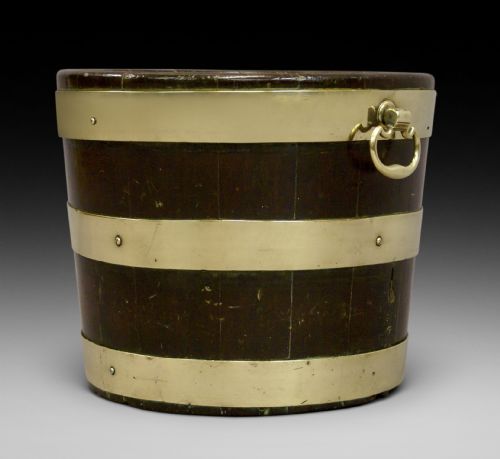
Makers fashioned these vessels primarily from sheet copper and solid timbers such as mahogany and oak. Copper panels were typically beaten and shaped into fluid helmet profiles, while wooden containers utilised tight stave construction reinforced with metal bands.
Brass fittings, handles, and hoops provide structural contrast and functional grip on both metal and wooden bodies. The combination of dense hardwoods with resilient metals ensures that these fireplace accessories remain robust and structurally sound.
Several scuttles arrive equipped with their original shovels, proving that centuries ago, someone actually managed not to lose the fireside coal scoop.
Distinctions in quality
Quality rests upon the crispness of the metalforming and the integrity of the joinery. Superior copper scuttles display clean lines in their helmet shaping and secure, well-fitted handle attachments that withstand heavy loads of fuel.
In wooden examples, the quality of the timber grain and the neatness of the brass binding set finer pieces apart. The survival of matching original shovels and uncompromised internal structures elevate certain items above standard utilitarian versions.
The George III Coal Bucket Glossary
- Helmet coal scuttle
- A coal container featuring a high, flaring back and a tapered pourer resembling a classic helmet. This shape allowed housemaids to tip fuel cleanly into the grate.
- Peat bucket
- A deep cylindrical wooden vessel utilised for holding turf or peat rather than coal. These pieces often feature stave construction and strong metal carrying handles.
- Brass bound
- A descriptive term for wooden buckets encircled by structural brass hoops. These bands held the wooden staves firmly together against expansion and contraction near the hearth.
- Georgian
- The stylistic period spanning the reigns of the first four Georges, known for classical proportion and disciplined design. Pieces from this era emphasise functional elegance.
George III Coal Bucket: Frequently Asked Questions
How were these buckets used originally?
These vessels sat beside the fireplace to hold coal, wood, or peat for replenishing the hearth fire throughout the day. Servants used them to transport fuel from outdoor stores into principal reception rooms.
Their substantial weight and sturdy handles ensured they could carry heavy loads safely. Many included matching shovels for precise placement of fuel onto the flames.
Are these items suitable for daily fireside use?
Most surviving examples are structurally capable of holding fuel, though many owners prefer to use them as decorative umbrella stands or magazine holders. Placing modern kindling inside prevents potential scratching of antique metal or wood.
Regular polishing maintains the surface finish of copper and brass elements. Dry indoor environments protect the historic timbers from moisture damage.
How do I distinguish copper from brass pieces?
Copper exhibits a warm, distinctively reddish-pink metallic tone, whereas brass presents a brighter, more golden-yellow appearance. Makers often utilised copper for the main body of a scuttle and brass for the handles, rims, and feet.
Both metals develop natural patinas over decades of exposure to air and handling. Cleaning methods should respect this accumulated age rather than striving for a harsh, modern shine.
What defines a George III style piece?
Pieces described in this style draw upon the classic proportions and decorative vocabulary established during the late eighteenth century. They reproduce traditional forms and material combinations using historical manufacturing principles.
Such items offer the aesthetic presence of the original Georgian era while providing reliable durability for contemporary interiors. Craftsmanship in these later interpretations remains focused on traditional utility.