


Georgian Copper Coal Scuttle
A georgian copper coal scuttle is a heavy hearth vessel built to carry fuel, prized for its hammered metal and warm domestic utility.

Georgian Copper Coal Scuttle
A georgian copper coal scuttle is a fireside accessory designed for holding coal or logs beside an open hearth. When you search for a georgian copper coal scuttle, you encounter robust vessels constructed to handle heavy daily fuel storage in period rooms. The pieces recorded here span the eighteenth century and the nineteenth century, including George III examples and Victorian adaptations.
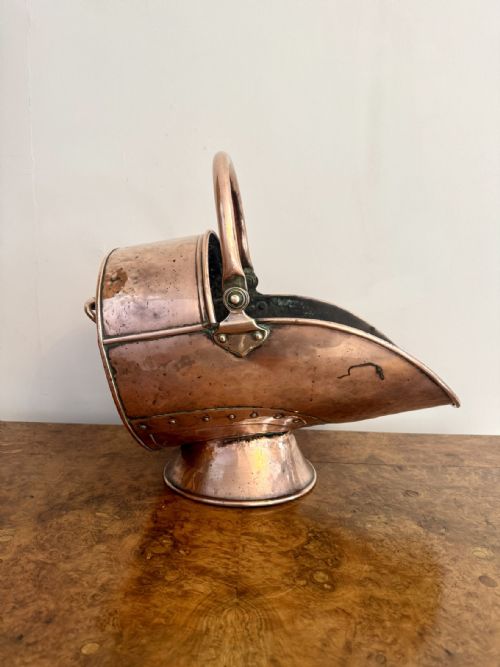
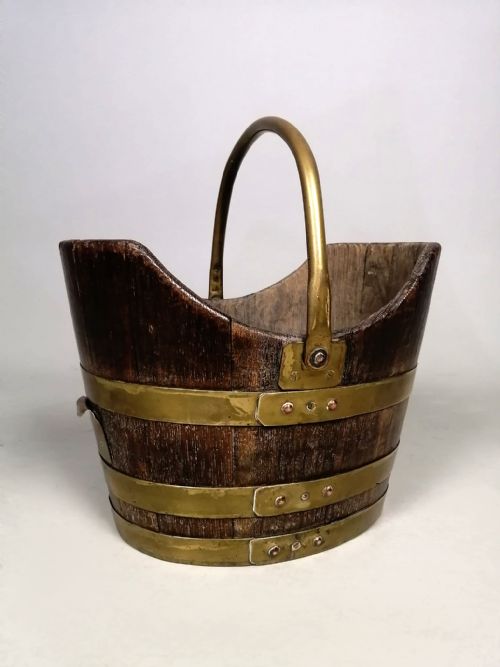
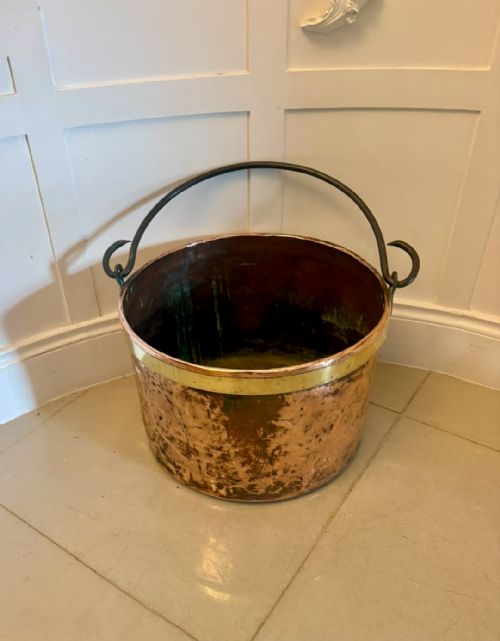
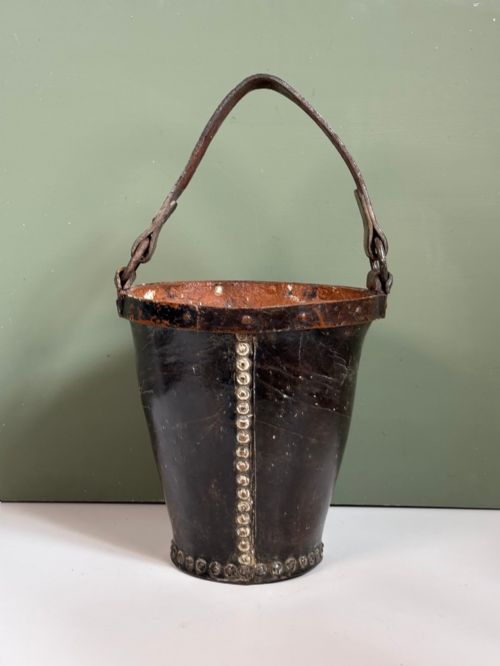
Helmet shapes dominate the current selection, featuring distinctive slanted mouths designed for pouring fuel cleanly onto flames. Alongside these helmet forms, you find cylindrical log bins, cauldrons, and buckets suited for fireside organisation. Materials extend beyond pure metal to incorporate brass banding, wrought iron elements, and occasional boiled leather construction.
Construction and materials
Makers formed these vessels primarily from sheet copper, joining seams with careful riveting to withstand the weight of coal and logs. Brass components frequently appear as decorative bands, swing handles, or feet, providing a bright contrast to the softer tone of the body. Iron elements offer structural reinforcement, particularly around bases and handles where stress concentrates during lifting.
Surface finishing relies on hand-hammering techniques that leave subtle tool marks across the metal panels. Over generations, this copper develops a rich weathering and patina through exposure to hearthside heat and handling.
The inventory records multiple object types, including log bins, fireside buckets, cauldrons, and coal helmets.
Evaluating craftsmanship and survival
Quality in a fireside container rests on the gauge of the metal and the integrity of the structural joints. Thicker copper sheets resist denting from heavy fuel loads, while secure riveting ensures the body remains rigid under the strain of a full load of coal. Handles and attachments demonstrate skill through their secure fitting to the main vessel.
Proportion and decorative restraint separate standard utility items from finer examples. Well-defined helmet profiles, balanced brass banding, and surviving original handles elevate a piece from a simple storage vessel to a distinguished fireside object.
The Georgian Copper Coal Scuttle Glossary
- Helmet scuttle
- A fireside vessel featuring a flared, sloping rim resembling a classical helmet. This profile allows coal to be tipped forward smoothly into the grate.
- Log bin
- A deep cylindrical or tub-shaped container used for storing firewood rather than small coal pieces. These often display generous proportions and sturdy side handles.
- Patina
- The surface sheen and colour variation developed on copper and brass through age, handling, and oxidation. It serves as an indicator of genuine period use.
- Riveting
- A method of joining sheet metal by inserting metal pins through overlapping edges and hammering the ends flat. This technique provides durable mechanical strength before modern welding.
Georgian Copper Coal Scuttle: Frequently Asked Questions
How were these coal scuttles used?
These vessels sat beside the hearth to store fuel within arm's reach of the fire. Servants filled them from larger cellar stocks so the household could replenish the grate throughout the day.
The shaped rims and sturdy handles allowed users to tilt and pour heavy contents directly into the flames without spilling debris across the hearth rug.
Where should I place a log bin?
These containers suit traditional or contemporary living spaces as functional storage beside a working fireplace or wood-burning stove. Their warm metal tones complement stone hearths and timber flooring.
Beyond fireside fuel storage, larger buckets function effectively as floor planters for indoor greenery or as decorative umbrella stands in entrance halls.
How do I care for old copper?
Maintain the surface by dusting with a dry cloth and avoiding abrasive cleaning agents that strip away historical patina. Gentle cleaning preserves the natural darkening accumulated over centuries of use.
Keep the metal dry to prevent accelerated oxidation, and check internal iron or brass fittings periodically to ensure they remain stable.
How do I distinguish eighteenth-century pieces?
Eighteenth-century examples often display hand-beaten paddle marks, heavier gauge copper, and forged iron handles characteristic of early workshop production. Construction details like hand-cut rivets reveal pre-industrial manufacturing methods.
Comparing the rim profiles and handle mounts against documented George III domestic inventories helps confirm the manufacturing era.