
Copper Metal Planter
These copper metal planter examples span centuries of domestic utility transformed into handsome vessels for greenery.

Copper Metal Planter
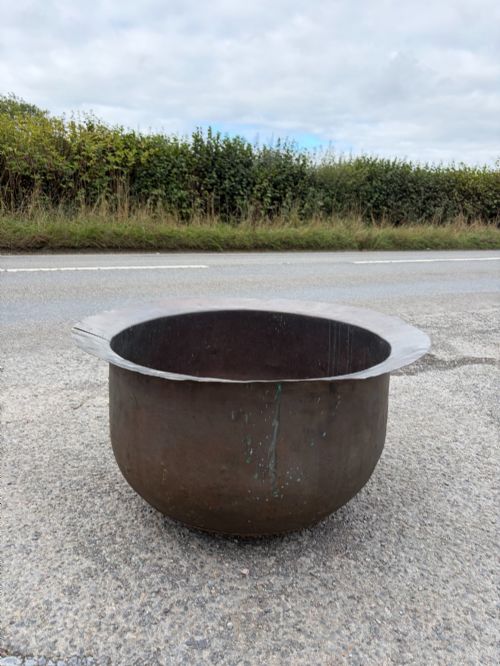
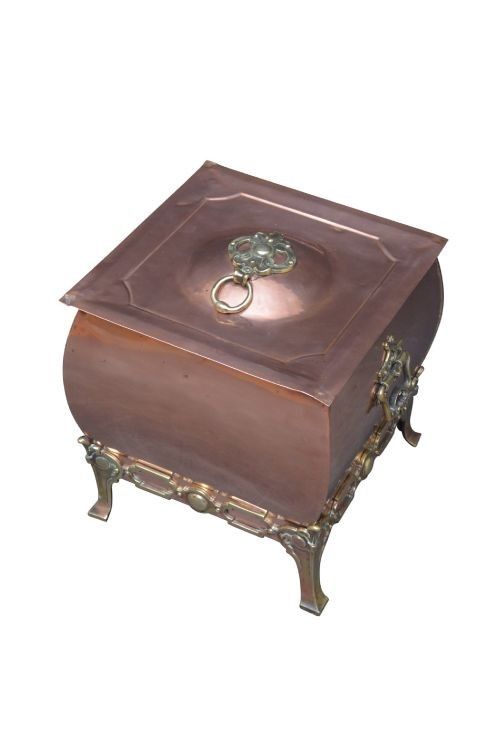
The pieces on this page lean heavily into nineteenth-century utility, alongside examples from the Georgian and Edwardian eras. You will find large garden display pots, dairy pans, and vessels adapted from grain measures.
Stylistically, the selection includes Victorian country pieces, Arts and Crafts designs, and rustic farmhouse items. Many originated as heavy-duty industrial or domestic containers before finding new life as indoor and outdoor planters.
How they were made
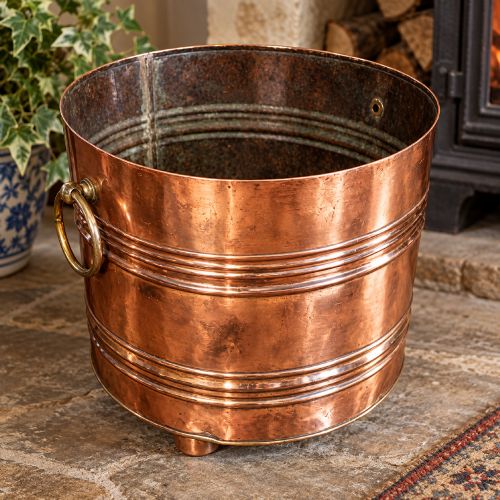
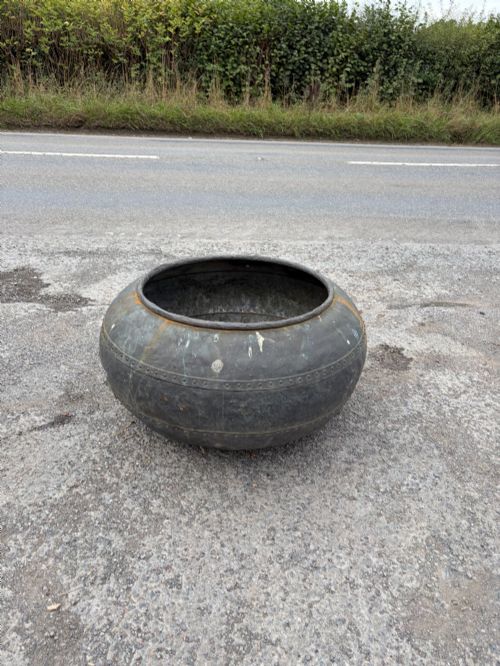
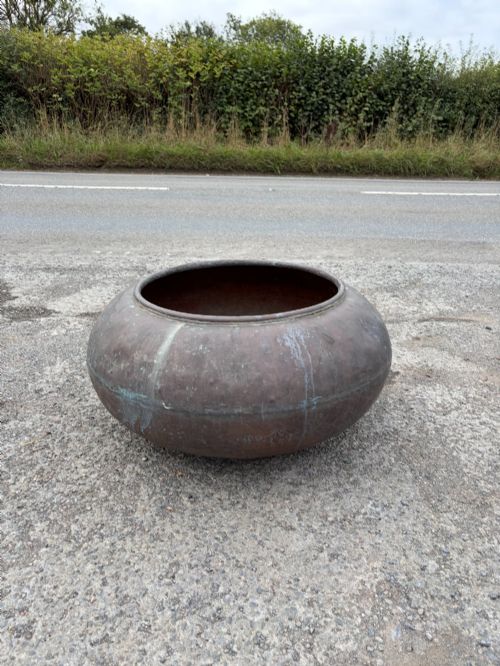
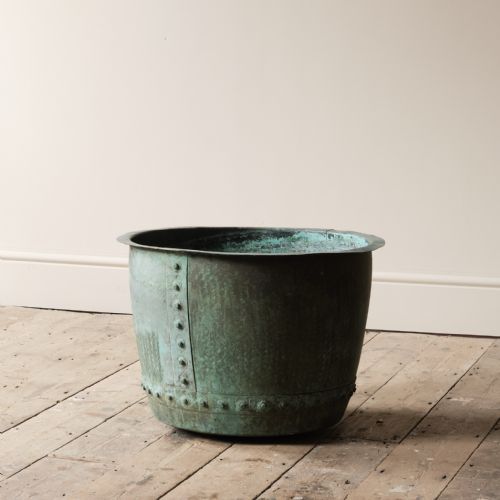
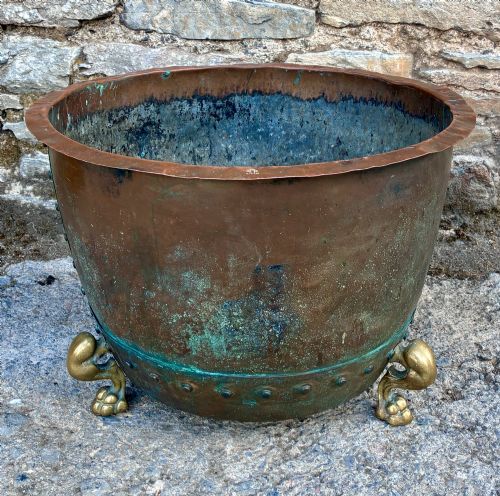
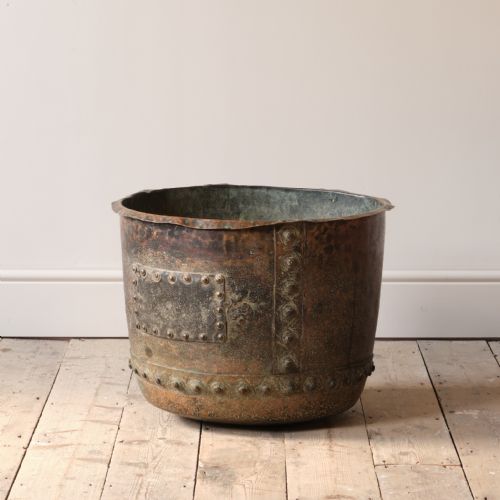
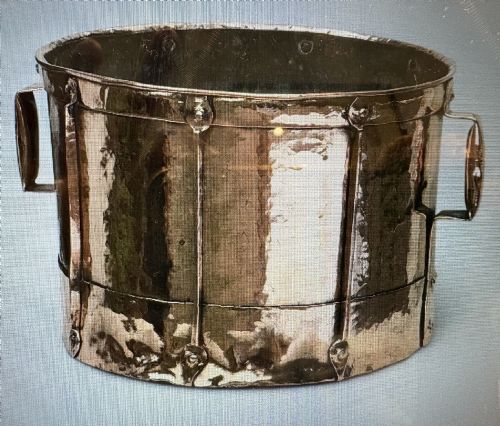
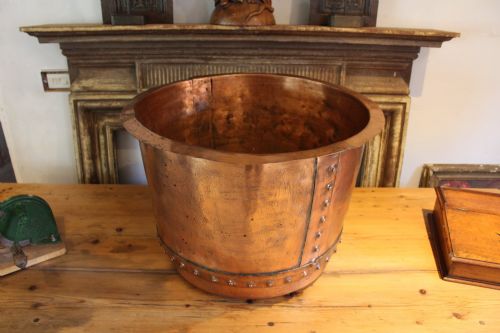
Makers utilised heavy sheet copper, hammering the metal into large pots, tubs, and jardinières. Rivets secure many of the seams, alongside wrought iron handles and brass bands that provide structural support.
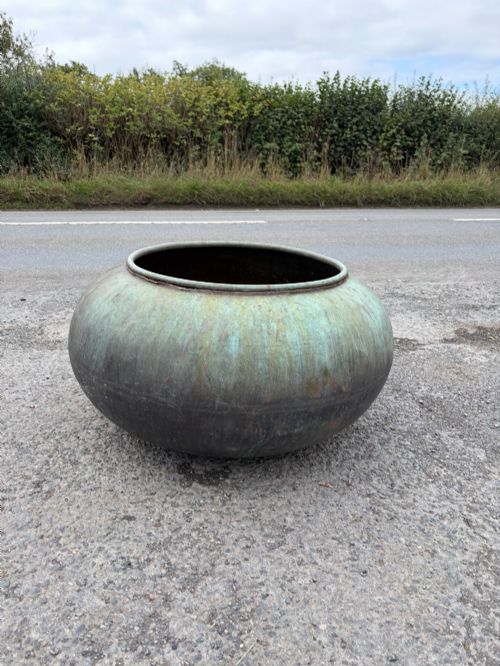
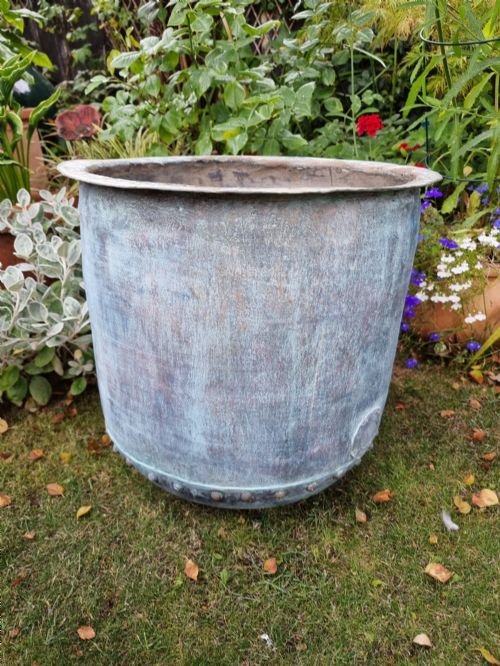
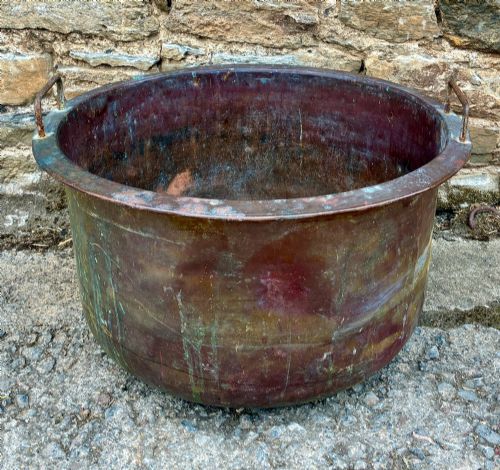
Surfaces display natural ageing, including verdigris finishes and weathered patinas developed over decades of use. Some items incorporate brass or iron details to contrast with the warm tone of the main copper body.
Several heavy pots spent their early working lives measuring grain or boiling fish before retiring to a quiet life holding ferns.
What varies in quality
The distinction between ordinary and superior vessels lies in the weight of the metal and the integrity of the hand-riveted construction. Heavier gauge copper maintains its structural form better over centuries of exposure to moisture and soil.
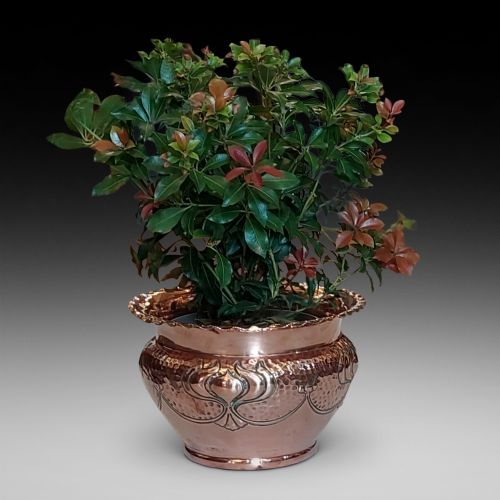
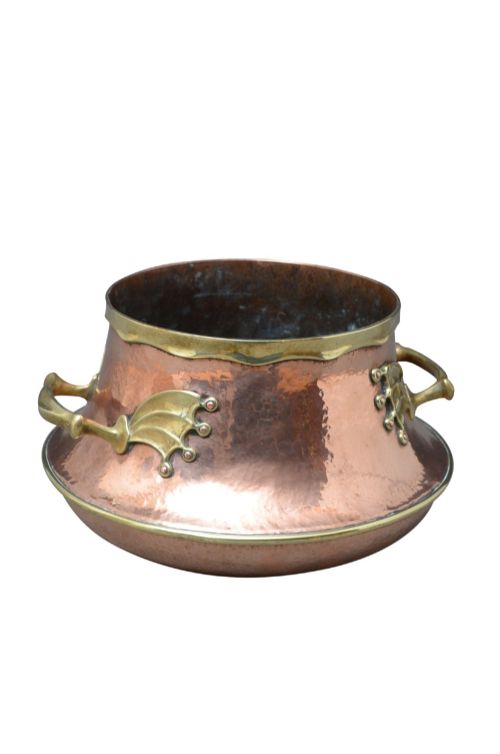
Execution of decorative elements, such as embossed brass bands, swing handles, and hammered surface textures, separates standard utilitarian wares from refined Arts and Crafts or Victorian exhibition pieces.
Keswick Arts and Crafts
The Copper Metal Planter Glossary
- Jardiniere
- An ornamental pot or stand for holding plants or flowers. These vessels often feature decorative brass or iron mounts.
- Verdigris
- A green patina formed naturally on copper or brass through atmospheric weathering and oxidation. This surface layer indicates age and exposure to the elements.
- Riveted
- Joined together using metal bolts hammered flat at the ends. Hand-riveted seams are common on heavy nineteenth-century copper vessels.
- Log bin
- A large container traditionally used to hold firewood beside a hearth. Their generous proportions make them suitable for housing large indoor plants.
Copper Metal Planter: Frequently Asked Questions
Can I use these outdoors?
Many of these vessels were forged for garden displays, wash tubs, or farm use, making them naturally resilient to outdoor conditions.
Weathered surfaces and verdigris finishes develop further when exposed to the elements in a garden setting.
How do I clean the copper?
Most collectors prefer to leave the natural patina and verdigris intact, as these finishes demonstrate age and authenticity.
Washing gently with warm soapy water removes dirt without stripping away the historical surface character.
Were these always planters?
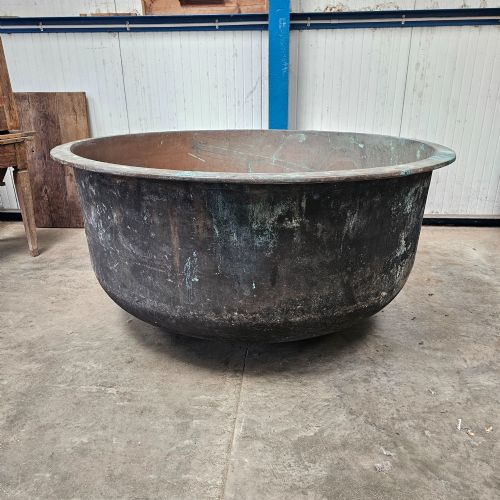
Scarcely any of these vessels started life as plant pots, having served previously as cheese vats, coal scuttles, grain measures, or wash tubs.
Their robust construction and waterproof nature made them ideal candidates for conversion into jardinières and log bins.