
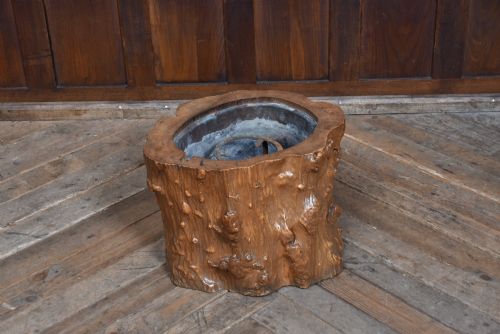


Copper Hearth Planter
These robust vessels bring genuine warmth and utility to a room, serving as striking copper hearth planter options for modern spaces.
Copper Hearth Planter
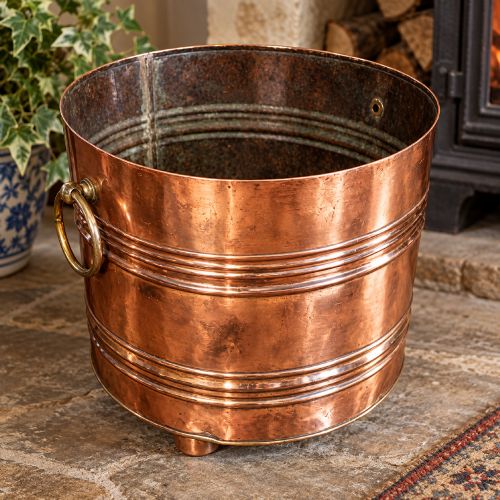
A copper hearth planter unites practical fireside storage with decorative display, taking forms originally made for utility. When you search for a copper hearth planter, you encounter robust vessels designed to hold logs, coal or garden greenery near the fireplace.
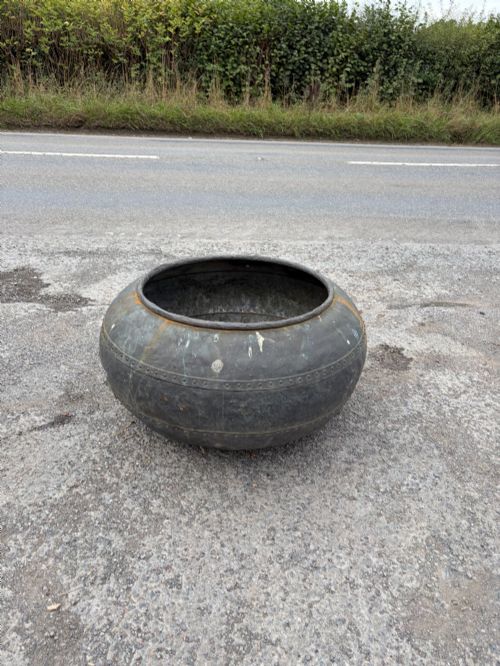
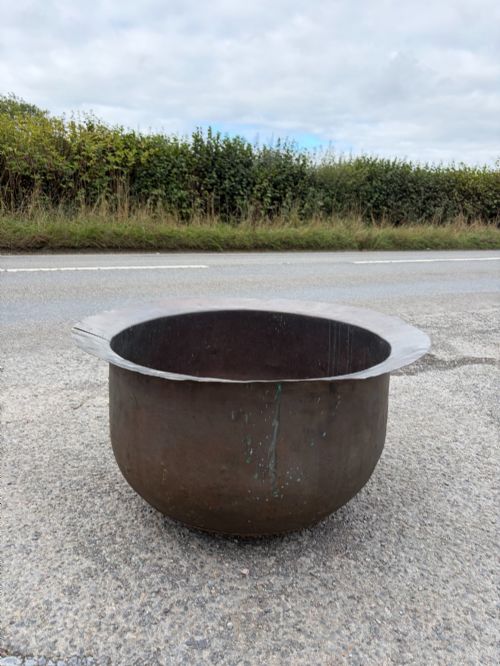
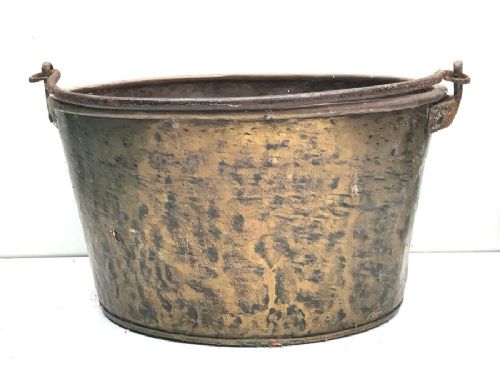
The pieces listed here date predominantly from the nineteenth and eighteenth centuries, spanning Georgian, Victorian and Arts and Crafts periods. You meet heavy cauldrons, riveted log buckets, coal bins and large pots repurposed over time.
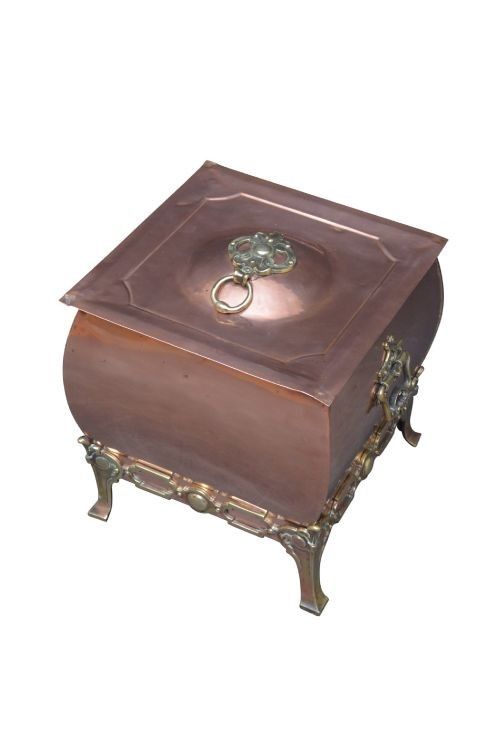
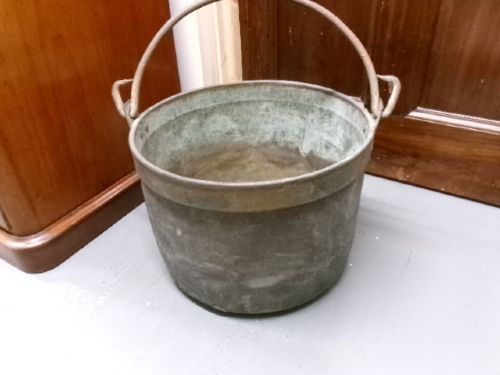
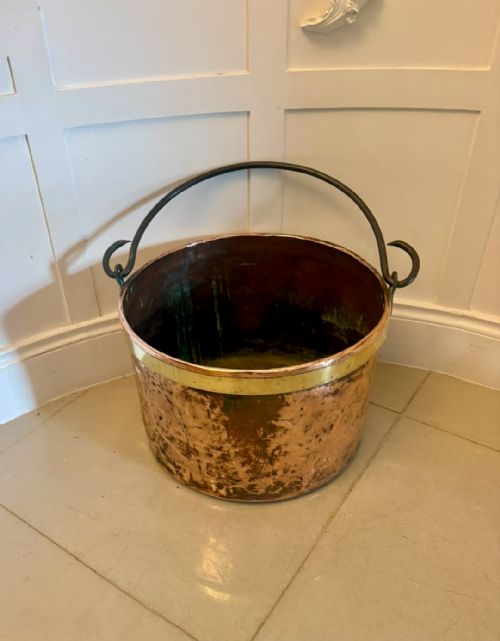
Many items combine copper bodies with brass handles, iron swing Bails or wooden accents. These utilitarian objects transitioned from kitchens and sculleries into principal living spaces as decorative interior accessories.
Materials and construction methods
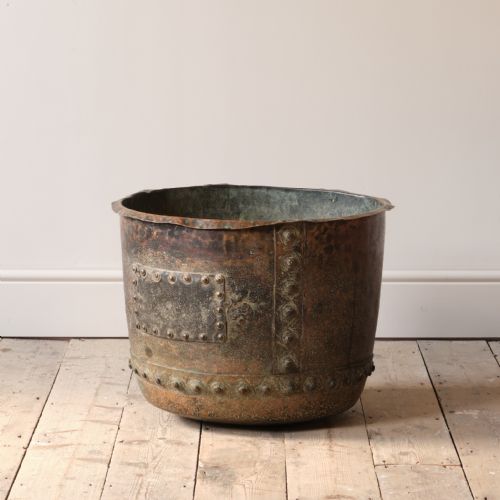
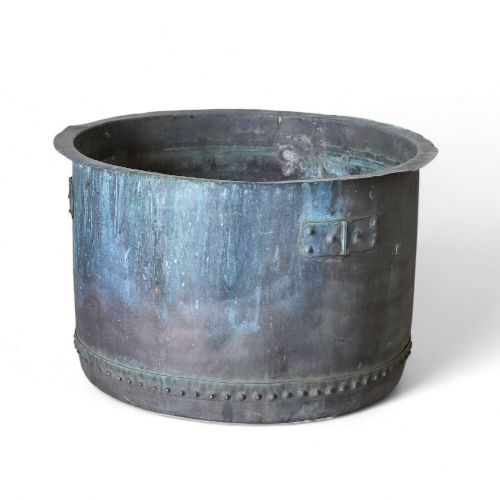
Makers constructed these vessels primarily from heavy sheet copper, hammering and shaping the metal over forms to create deep cylindrical or cauldron bodies. Rivets secured overlapping seams, visible in the hand-riveted joints typical of nineteenth-century work.
Wrought iron handles, brass swing bails and iron fixings provided functional strength for carrying heavy loads of coal or timber. Artisans incorporated brass details and polished rims to contrast with the warm, patinated surface of the main copper body.
Materials recorded across the inventory include copper, brass, wrought iron, galvanised steel and wood.
Distinctions in construction and character
Quality rests upon the gauge of the copper sheet and the integrity of the riveted joints. Heavier metal resists denting and maintains structural rigidity under the weight of logs or wet soil.
Surface character distinguishes standard utilitarian vessels from finer examples. Rich natural patination, balanced proportions and careful hand-beating separate vernacular kitchenware from decorative showpieces.
Orme Evans And Co
The Copper Hearth Planter Glossary
- Patina
- The surface sheen and oxidation developed over decades of exposure to air and handling. It gives antique copper its characteristic depth and warmth.
- Cauldron
- A large round metal pot with a wide opening, frequently fitted with an iron swing handle for suspension or carrying.
- Log bin
- A deep container designed to store firewood beside a fireplace. They frequently double as large planters.
- Riveted
- Joined together using metal pins hammered flat at the ends. Hand-riveting indicates earlier manufacturing methods before industrial pressing.
- Swing handle
- A movable arched metal handle attached to opposite sides of a bucket or pot. They allow balanced lifting of heavy loads.
Copper Hearth Planter: Frequently Asked Questions
How do I clean a copper hearth planter?
Wash the surface gently with warm soapy water and a soft cloth to remove dust and soot. Avoid harsh abrasive cleaners that strip away the historic patina.
Dry the metal thoroughly with a soft towel to prevent water spotting. Leave the natural oxidation untouched if you prefer an antique appearance.
Can I use these planters for live plants?
Many of these vessels held coal or water originally and can accommodate potted plants indoors. Place a plastic saucer inside to protect the historic metal from moisture and damp soil.
Ensure excess water does not sit directly against the copper base. Line the interior carefully if planting directly into the vessel.
How do I date a copper container?
Examine the construction methods, such as hand-hammering marks and individual hand-set rivets. Earlier pieces from the Georgian period often display heavier gauge metal and simpler, utilitarian forms.
Victorian and Arts and Crafts examples frequently incorporate brass mounts or decorative handles. Machine rolling and uniform machine-made rivets point toward later nineteenth-century production.
Were these always meant as planters?
Most of these items served practical functions in kitchens, dairies and hearths as coal buckets, grain measures, cooking pots or boiling vessels. Their robust construction and generous proportions made them ideal for repurposing as decorative plant holders.
Over generations, collectors and interior stylists recognised their aesthetic value beside the fireplace. Today, their original utilitarian purpose blends seamlessly with modern interior display.