

Copper Coal Scuttle Bucket
A copper coal scuttle bucket brings warmth and utilitarian grace to the hearth, serving as a functional vessel for fuel.
Copper Coal Scuttle Bucket
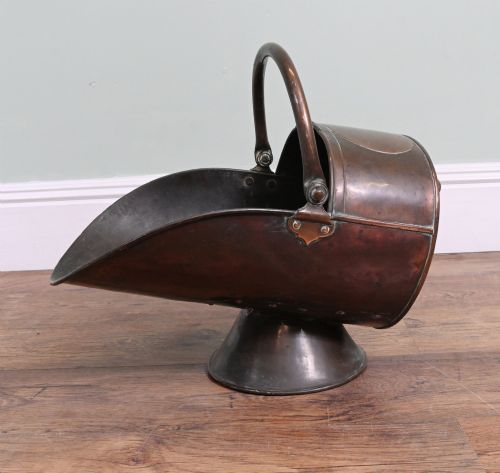
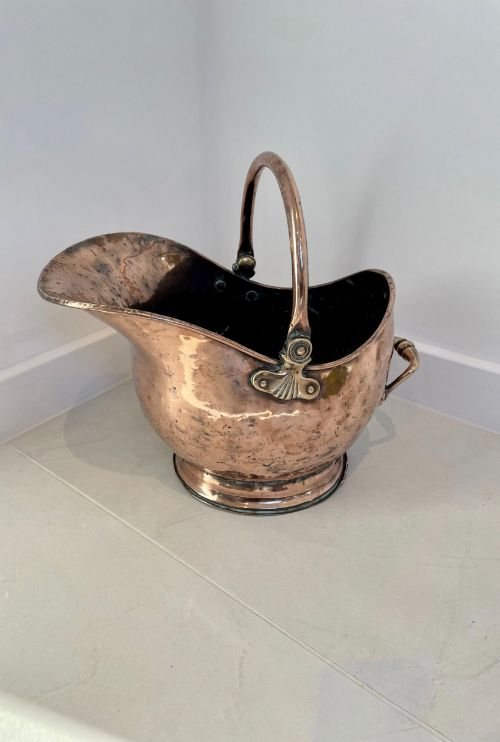
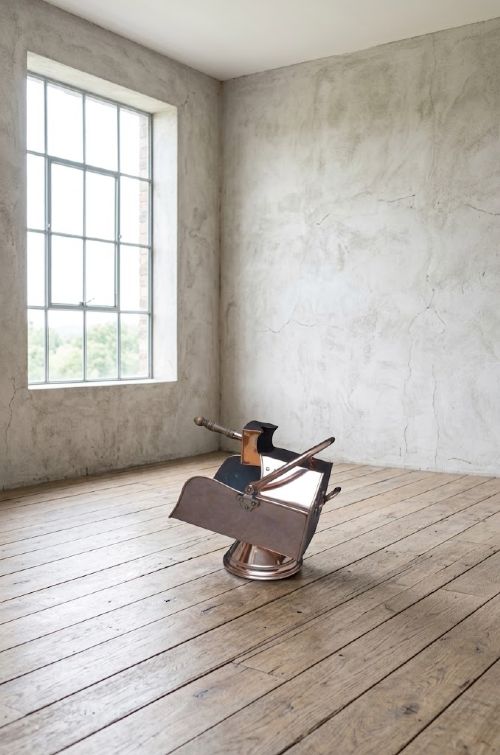
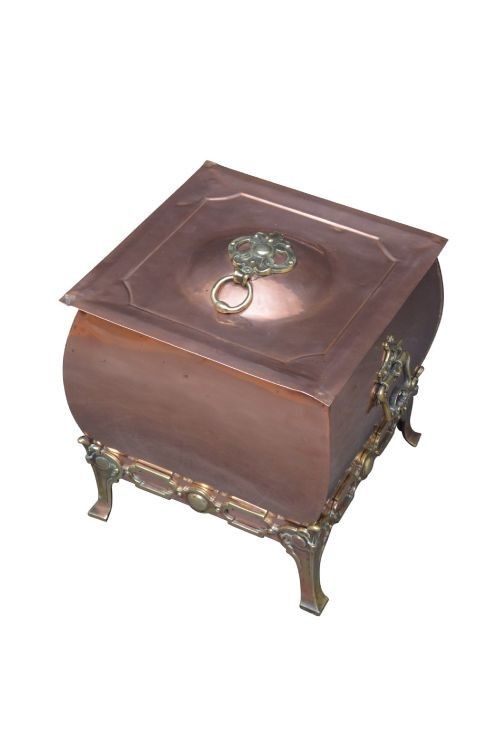
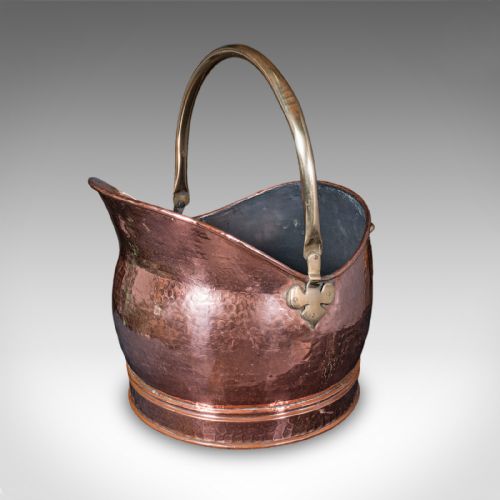
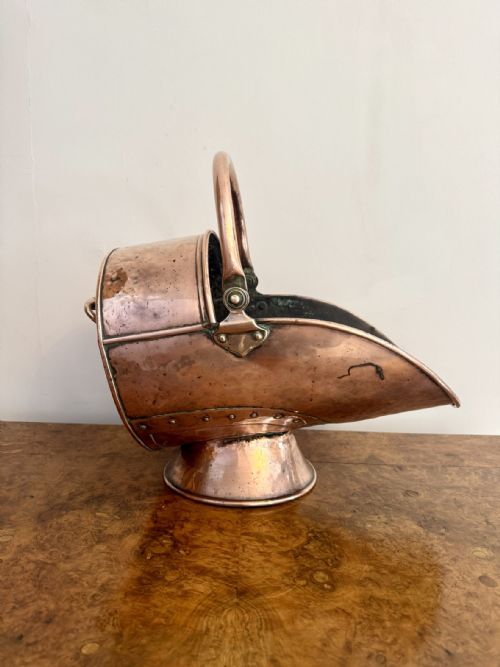
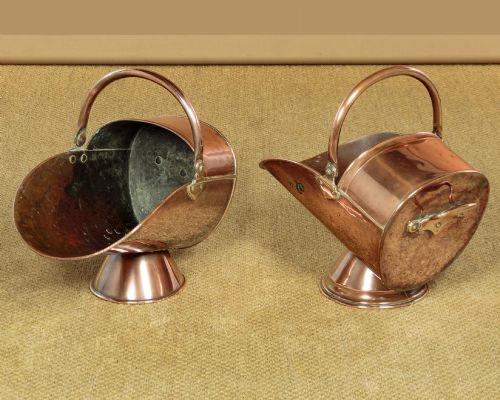
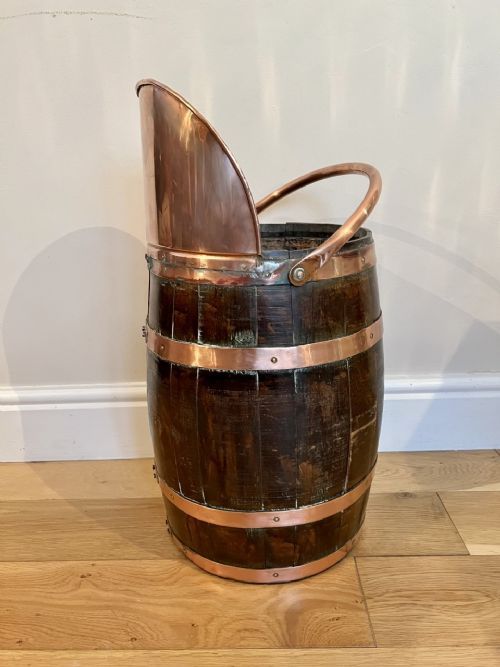
These copper coal scuttle bucket designs range from traditional helmet shapes to cylindrical log bins and riveted carriers intended for domestic fireside use. They bridge the gap between heavy utility and decorative interior metalwork.
The pieces appearing most frequently stem from the Victorian era, alongside examples stretching from the Georgian period through the Arts and Crafts movement and into the early twentieth century.
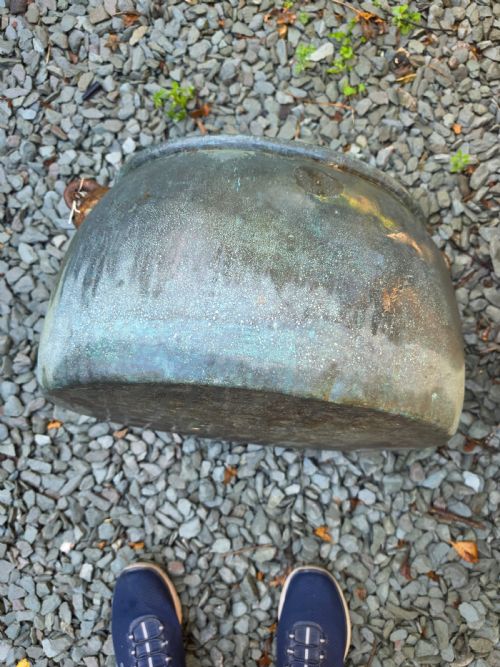
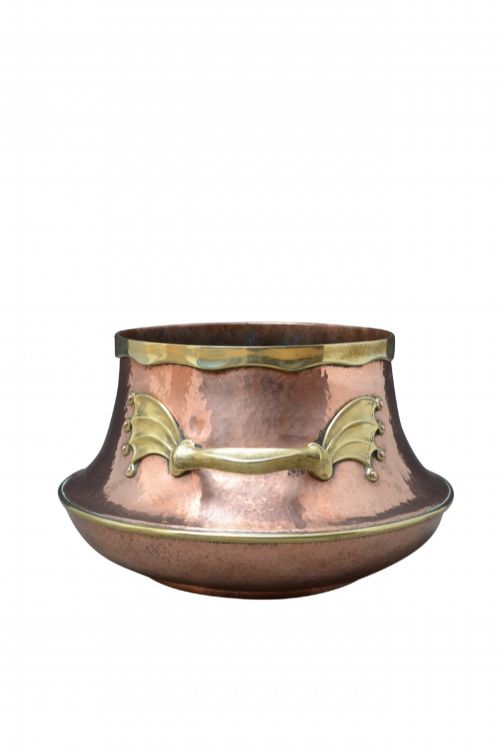
Many double as planters or jardinieres, reflecting a versatility that allowed hearth accessories to find new roles in modern rooms.
Materials and construction methods
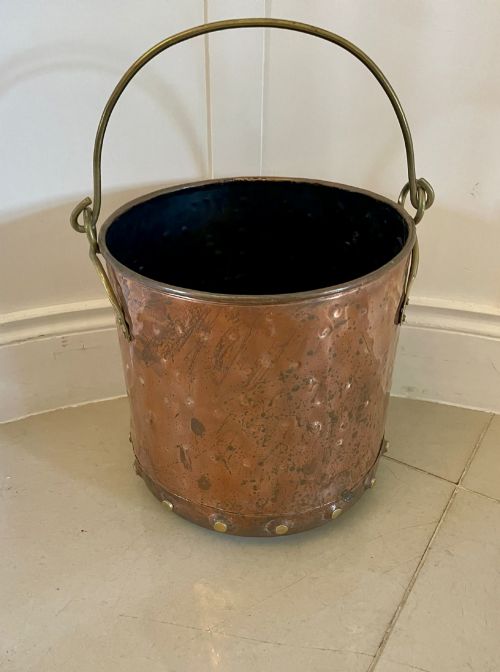
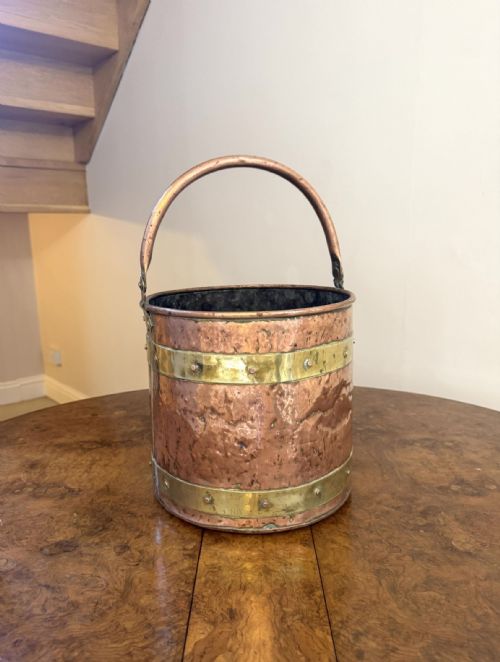
Coppersmiths shaped sheets of copper by hand, frequently employing visible rivets to secure overlapping seams and joints on cylindrical buckets and helmets.
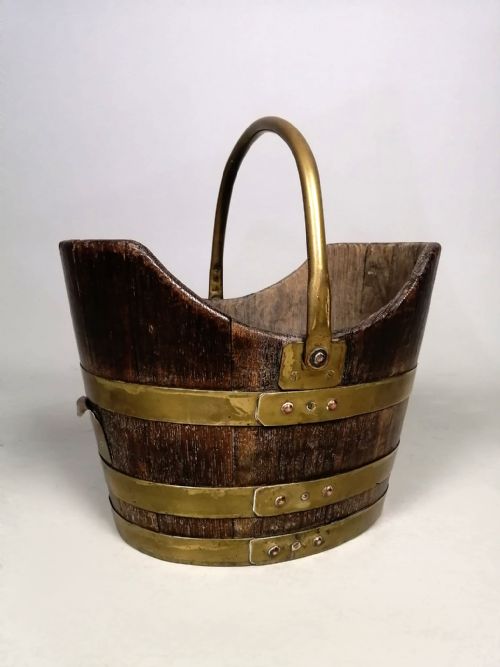
Brass bands, handles, and claw feet provide structural contrast and reinforcement, often fastened with small brass rivets along the rims and bases.
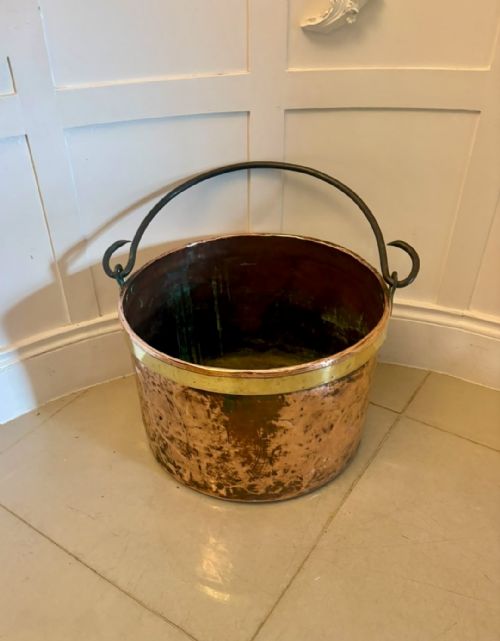
Some robust items incorporate internal iron frames or swing handles made of wrought iron to bear the heavy weight of coal and logs.
Copper Coal Scuttle Bucket Retail Price Guide 2026
Typical asking prices for copper coal scuttle bucket among the pieces listed under this phrase on Sellingantiques today, from the lower quarter to the upper quarter. They describe what is for sale here now, not the wider market.
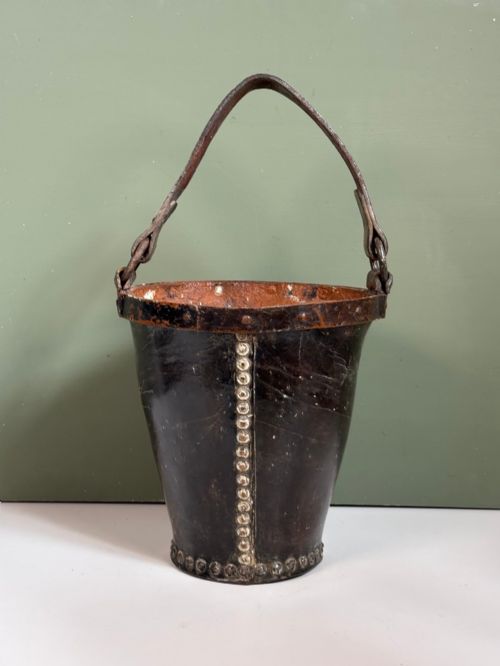
Listings feature items built from copper, brass, wrought iron, oak, and boiled leather across the Victorian, Georgian, and Edwardian periods.
Assessing craftsmanship and execution
The weight of the metal plate and the rigidity of the construction distinguish heavy utilitarian vessels from lighter decorative items.
Hand-finished details, such as hammered surfaces, embossed armorial motifs, and tight-fitting brass banding, indicate superior workshop origins.
The integrity of the handles, whether ceramic, brass, or drop-ring assemblies, shows how well a piece survives active use by the fireplace.
Percy Metal Works London
The Copper Coal Scuttle Bucket Glossary
- Helmet scuttle
- A fireside bucket featuring a flared rim and an angled spout designed to pour coal cleanly onto a fire. These often rest on a footed base with a swinging rear handle.
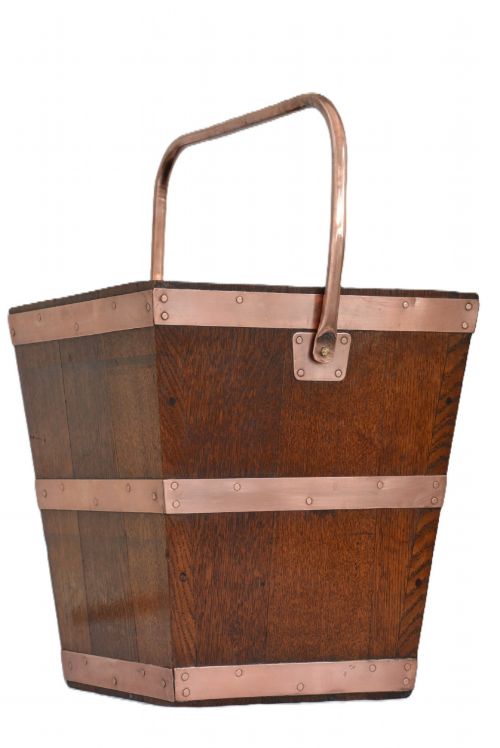
- Log bin
- A deep cylindrical container utilised for storing firewood beside the hearth. They frequently display strong riveted copper bodies with brass or iron swing handles.
- Jardiniere
- An ornamental pot or receptacle intended for holding plants or flowers. Many antique coal buckets were later adapted for this purpose due to their watertight metal construction.
Copper Coal Scuttle Bucket: Frequently Asked Questions
What is a copper coal scuttle bucket used for?
These vessels were originally designed to transport coal and store firewood near a household fireplace. Their sturdy metal construction kept hearth areas tidy while holding solid fuel.
Today, many owners continue to use them for logs, while others repurpose them as large indoor plant containers or umbrella stands.
How do I tell a Georgian coal bucket from a Victorian one?
Georgian examples, often dating from the eighteenth century, tend to feature restrained lines, hand-beaten copper panels, and simple brass banding. They frequently display lighter proportions compared to later items.
Victorian pieces often introduce heavier riveted construction, embossed details, and more varied forms such as helmet scuttles with claw feet.
Can I clean and polish an antique copper bucket?
Cleaning depends entirely on the desired appearance and the presence of historic patina. Light dusting and gentle washing with warm soapy water preserve the aged surface safely.
Applying metal polish removes oxidation and restores a bright shine, though many collectors prefer to leave the mellowed dark tones accumulated over decades untouched.
Are these buckets watertight for plants?
Most antique copper buckets feature soldered or riveted seams that successfully hold water. This makes them suitable for use as indoor planters or jardinieres.
It remains wise to check the base for small historical wear holes before placing live potted plants directly onto wooden floors.