
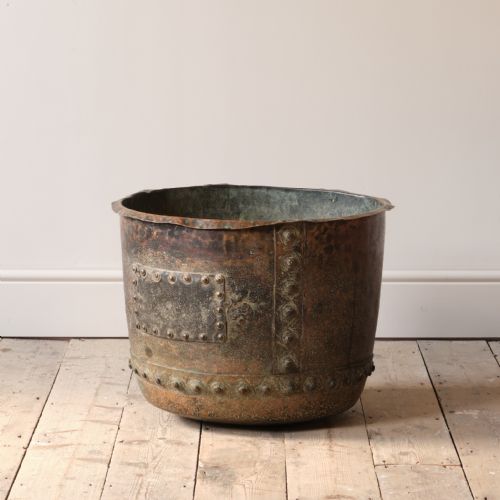
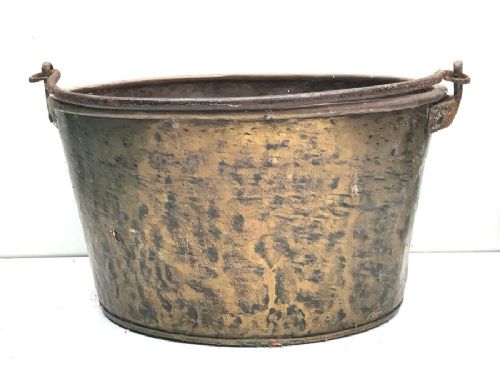
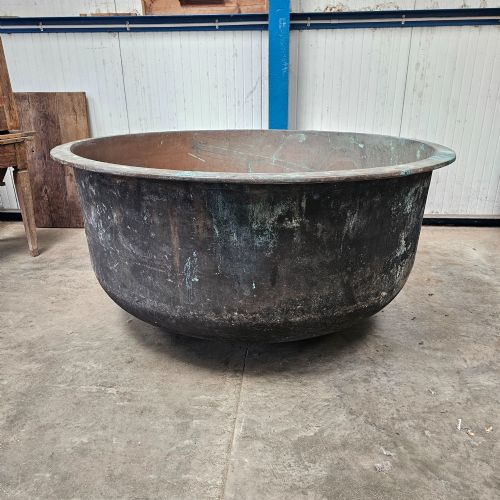
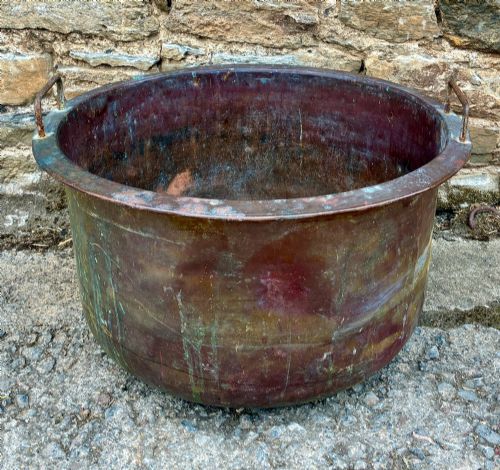
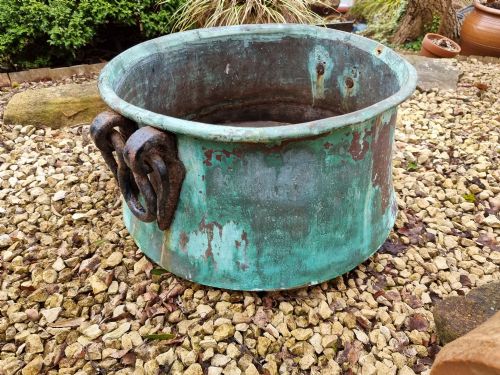


Copper Cauldron Tub
These copper cauldron tub pieces bring honest warmth to a room, offering robust vessels originally built for daily utilitarian labour.
Copper Cauldron Tub
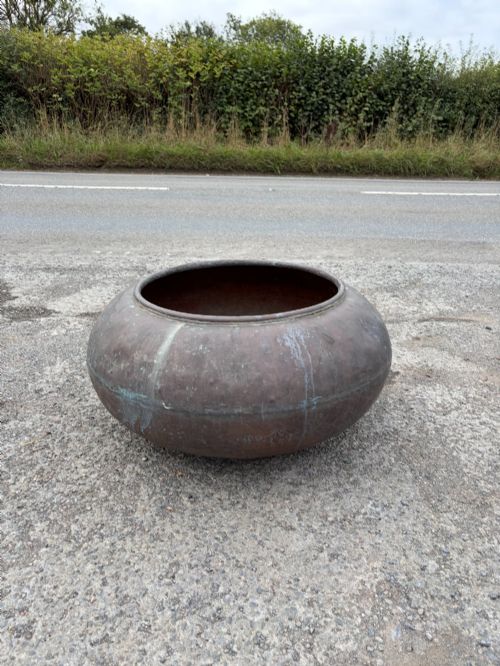
A copper cauldron tub is a heavy metal vessel originating primarily from the eighteenth and nineteenth centuries, often repurposed today as a log bin, planter, or display piece. When you search for this phrase, you encounter large pots, boilers, cheese vats, and pans that once served practical domestic or agricultural functions.
Most examples date from the nineteenth century, including Victorian pieces and French country items, alongside earlier Georgian specimens. These heavy containers typically feature rounded bodies and generous proportions designed to hold substantial quantities of water, wood, or produce.
Today, buyers utilise these sturdy items beside a fireplace to hold logs or position them in gardens as robust planters and pots. Their dual life as historic utilityware and modern interior accents accounts for their enduring appeal.
How they were made
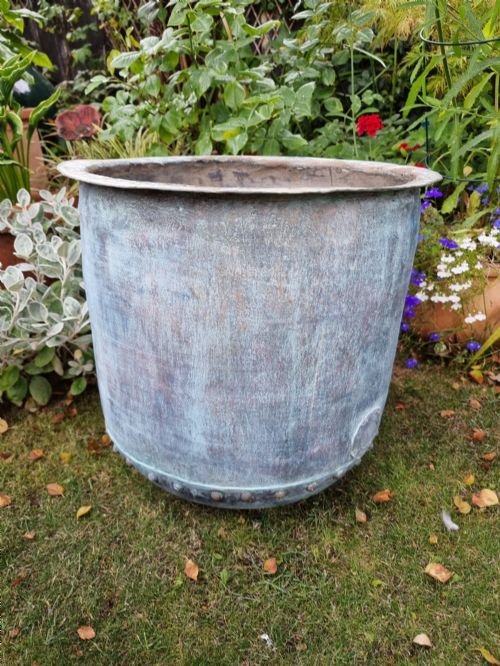
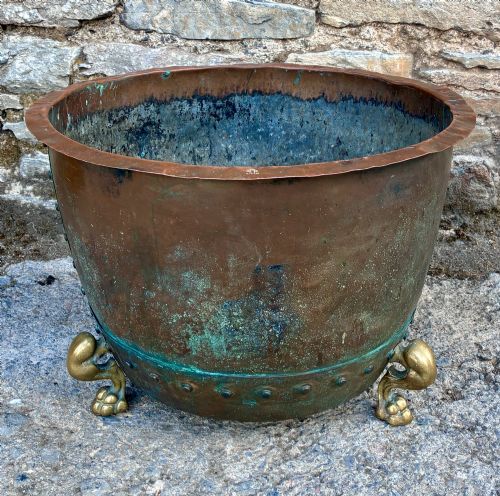
Makers constructed these vessels primarily from sheet copper joined by hand-hammered rivets, combining malleability with structural strength. Iron and wrought iron frequently appear on handles, rims, and swingbails to provide durable support for heavy loads.
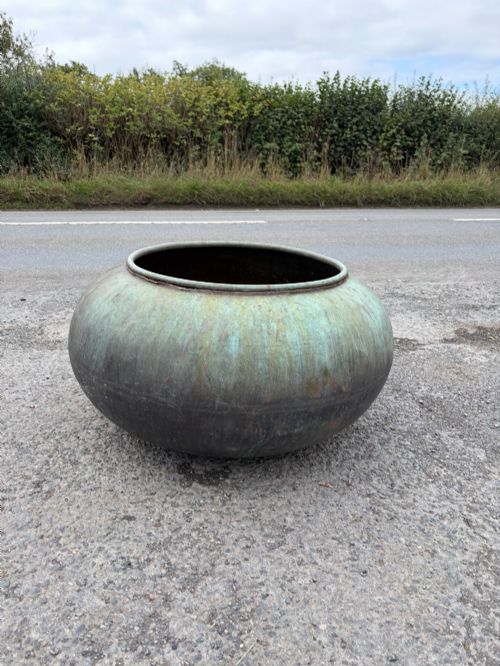
Additional materials such as brass, cast iron, tin, and paint sometimes form subsidiary components like fixings or interior linings. Surfaces often display an original patina and natural verdigris finish accumulated through age and exposure.
Several heavy cheese vats from the Franche-Comte region now happily spend their retirement holding fireplace logs.
What varies in quality
Quality rests upon the integrity of the metalwork, particularly the neatness of the riveted seams and the substantial thickness of the copper sheet. Heavy-gauge metal retains its structural form better over centuries of use than thinner sheets that buckle under pressure.
The presence of original iron handles, brackets, and matching lids elevates a piece above modified or incomplete examples. Honest surface patination and minimal structural alteration distinguish superior survivals from heavily restored items.
The Copper Cauldron Tub Glossary
- Verdigris
- A green patina that forms naturally on copper over decades of exposure to moisture and the atmosphere. This atmospheric oxidation is prized by collectors for its visual depth.
- Swing handle
- A movable arched metal handle attached to opposite sides of a tub or cauldron. It permits heavy vessels to be lifted or tilted with greater ease.
- Patina
- The surface sheen and colour acquired by metal through age, handling, and use. It provides a visual record of the object's long history.
- Boiler
- A large metal vessel originally utilised for heating water or boiling contents over a hearth. These deep containers easily double as generous log bins today.
Copper Cauldron Tub: Frequently Asked Questions
How do I clean a copper cauldron tub?
Wash the surface gently with warm soapy water and a soft cloth to remove everyday dust without disturbing the historic skin. Avoid harsh chemical cleaners that strip away the authentic patina accumulated over generations.
Dry the metal thoroughly after washing to prevent spotting. Many owners prefer to leave the natural verdigris untouched as part of the piece's character.
Can I use these tubs outside in the garden?
Copper withstands outdoor elements effectively, making these vessels suitable for garden display as planters and pots. Ensure adequate drainage if planting directly inside the container to protect the metal from prolonged standing moisture.
Position the tub on a stable surface where its weight will not cause subsidence. Over time, outdoor exposure deepens the verdigris finish naturally.
How do I tell a Georgian piece from a Victorian one?
Georgian examples often display hand-beaten construction techniques with simpler, heavier iron fittings reflecting eighteenth-century domestic requirements. Documentation, proportions, and specific handle styles help indicate the precise period.
Victorian pieces frequently show more standardised industrial riveting methods as production scaled up. Comparing the weight and joint construction provides further clues to the date.
Are these pots watertight?
Many historic vessels retain their structural integrity, though old usage and natural shifts can create microscopic leaks. Test the tub slowly with water before relying on it to hold liquid indoors.
For interior plant displays, placing a modern saucer or liner inside the tub prevents any moisture from reaching flooring. This simple precaution protects both your home and the historic metal.