



Copper Brass Fireside Accessory
A copper brass fireside accessory brings warmth and texture to a hearth, combining metalwork utility with period character.
Copper Brass Fireside Accessory
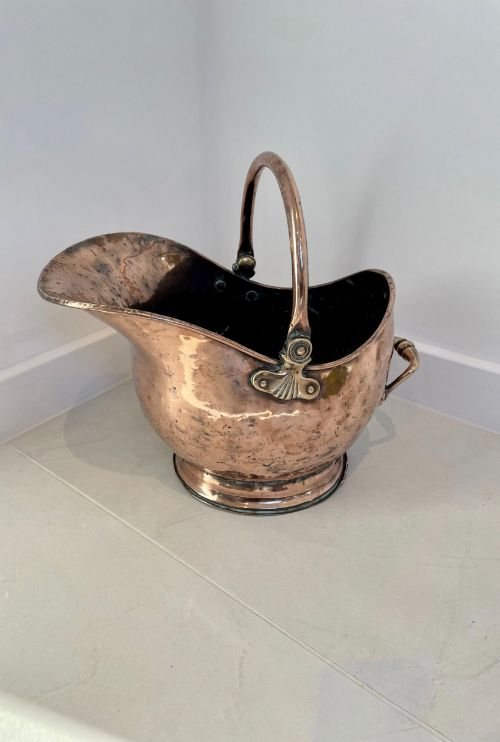
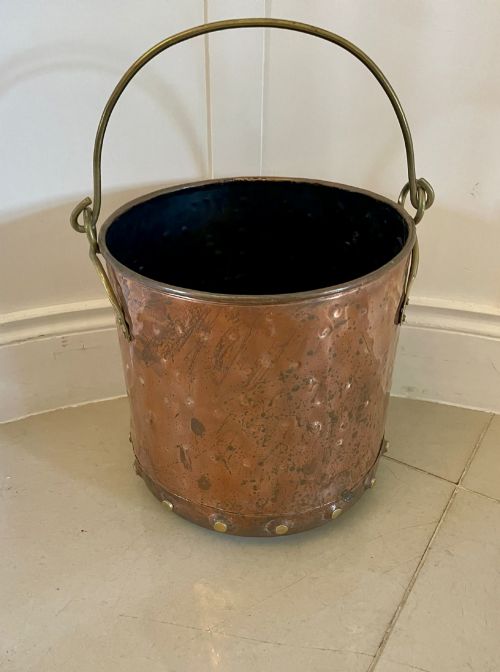
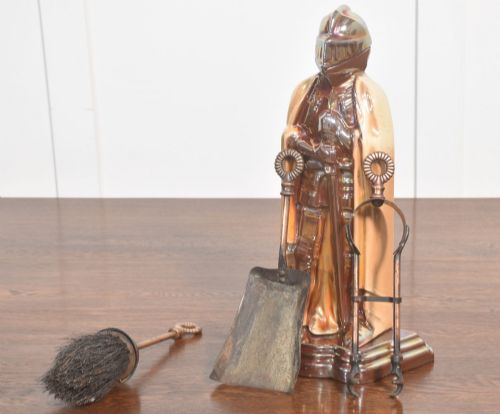
When you search for a copper brass fireside accessory, you encounter coal buckets, scuttles, companion sets, log bins, and revolving toasters designed for domestic heating. These items span periods from the eighteenth century through the Victorian era and into the early twentieth century.
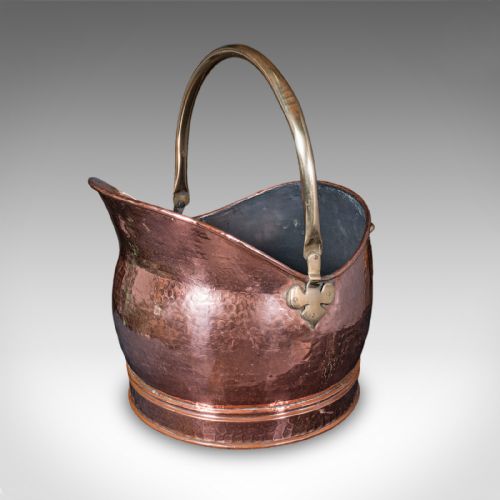
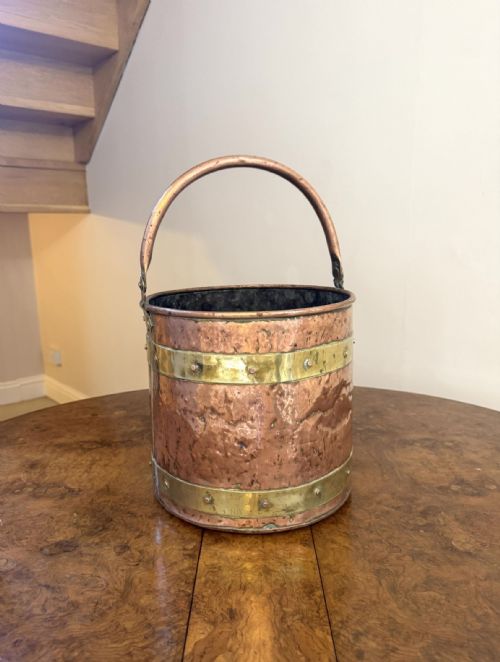
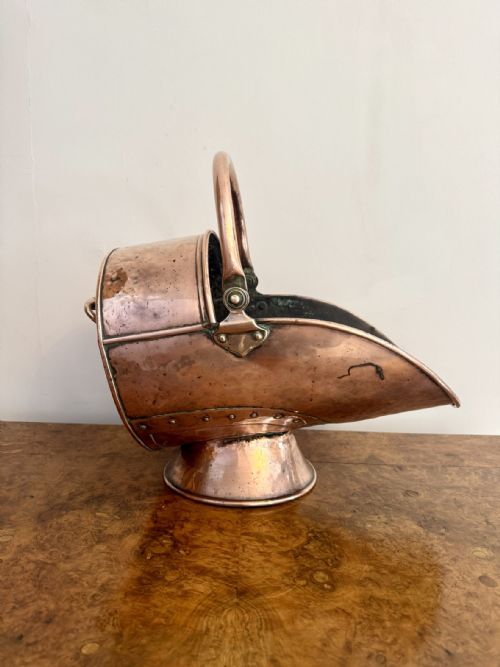
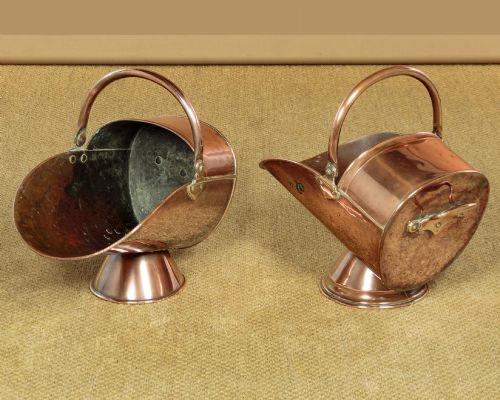
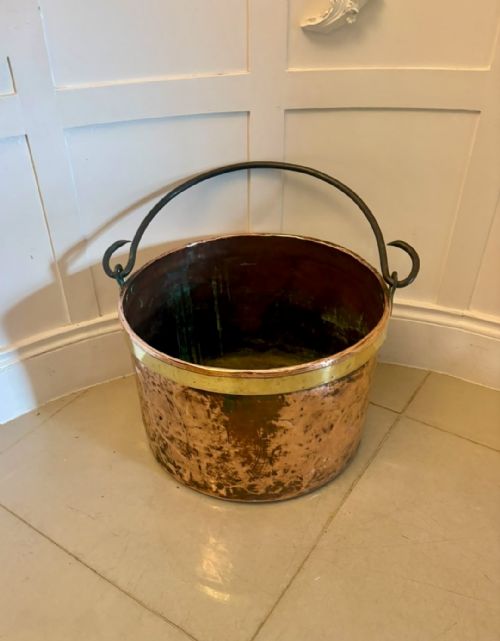
The most common examples on this page are helmet shaped coal scuttles and cylindrical coal buckets produced in the Victorian period. These pieces frequently combine hammered or polished copper bodies with cast brass handles, feet, and banding.
Earlier pieces from the George III and Georgian eras tend toward heavier gauge sheet metal and simpler geometric forms. Later Edwardian and Arts and Crafts examples introduce stylistic touches such as inlaid hearts and distinctive bracket feet.
Materials and construction
The primary bodies utilise sheet copper or brass, shaped by hand or hammered to achieve strength and rigidity. Rivets, seams, and soldered joints hold the vessels together, often left visible on utilitarian storage containers.
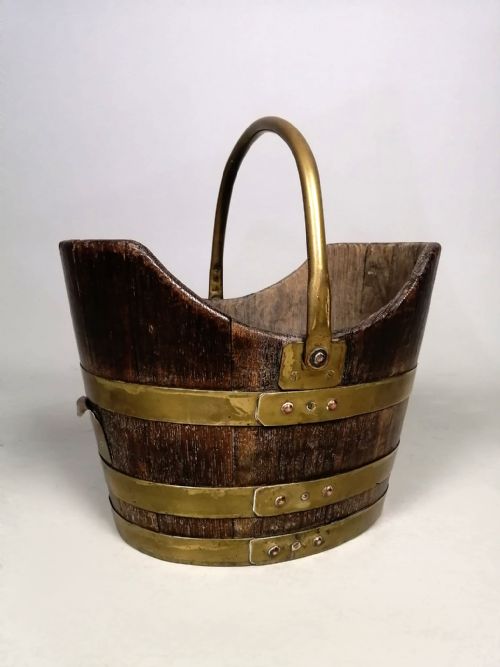
Mounts, handles, and swing bail arms are cast in brass, then polished or left with darker patination. Some examples incorporate oak and iron framing to support heavy loads of fuel near the fireplace.
Copper Brass Fireside Accessory Retail Price Guide 2026
Typical asking prices for copper brass fireside accessory among the pieces listed under this phrase on Sellingantiques today, from the lower quarter to the upper quarter. They describe what is for sale here now, not the wider market.
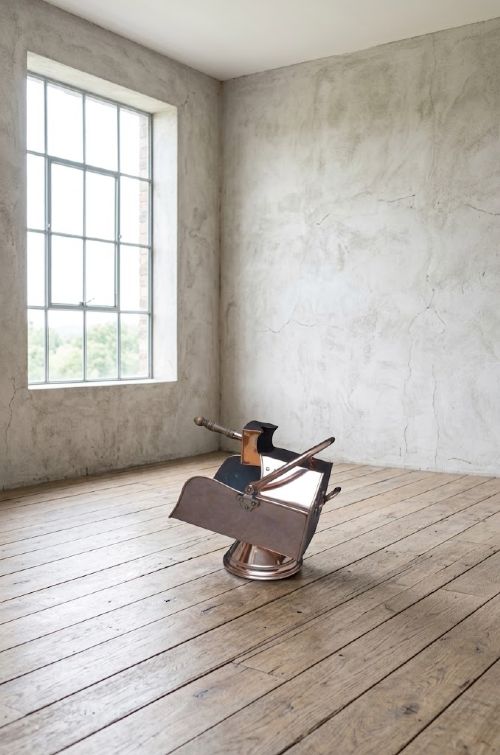
One unusual survivor incorporates a revolving toaster mechanism inlaid with small copper hearts, ready for tea by the flames.
Assessing quality in hearth equipment
Quality rests upon the thickness of the metal sheet and the integrity of the joins. Substantial weight in the copper body and solid casting in the brass fittings distinguish sturdier utilitarian vessels from lighter decorative items.
The refinement of the hand finishing determines the character of the piece. Crisp lines on helmet scuttles, neatly peened rivets, and balanced handles separate workshop output from standard production.
The Copper Brass Fireside Accessory Glossary
- Coal scuttle
- A container designed to hold coal for a fireplace, typically featuring a sloping rim or helmet shape to aid pouring. Many include a swing handle and a matching shovel stored in a back bracket.
- Coal bucket
- A deep cylindrical vessel used for storing solid fuel beside the hearth. These often feature drop handles secured by heavy brass bandings.
- Log bin
- A large container intended for storing firewood rather than coal. They share construction methods with coal buckets but offer greater capacity.
- Helmet shape
- A distinctive coal scuttle profile rising at the back and sweeping down toward a pointed lip. This form allows fuel to transfer cleanly into the grate.
- Companion set
- A matched group of fireplace tools, such as pokers, tongs, and shovels, presented together on a stand or holder.
Copper Brass Fireside Accessory: Frequently Asked Questions
How do I clean old copper?
Traditional cleaning involves mild soapy water and a soft cloth to preserve the dark patination accumulated over generations. Aggressive metal polishes strip the surface sheen and remove historical wear.
Leaving the natural oxidation untouched is often preferred by collectors who value the historic appearance of hearth hardware.
Are these pieces still usable?
Most coal scuttles and buckets remain structurally sound for holding logs, kindling, or coal near an active fireplace. Checking the base for historic repairs ensures the container handles dry fuel safely.
Lined interiors or modern inserts can protect antique metal from moisture if used for damp wood or coal.
How do I date a coal scuttle?
Dating relies on observing construction details such as hand-cut dovetails, handmade rivets, and the profile of the brass feet. Georgian pieces tend to exhibit heavier gauge metal and simpler hand-beaten surfaces.
Victorian and Edwardian items often incorporate stamped sheet brass components, machine-rolled seams, and more elaborate decorative embossing.