
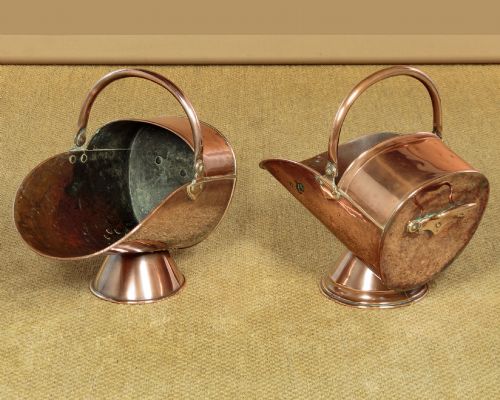


Copper Brass Fireplace Bucket
These copper brass fireplace bucket designs combine utilitarian warmth with decorative metalwork, serving firesides as durable coal scuttles and log bins.
Copper Brass Fireplace Bucket
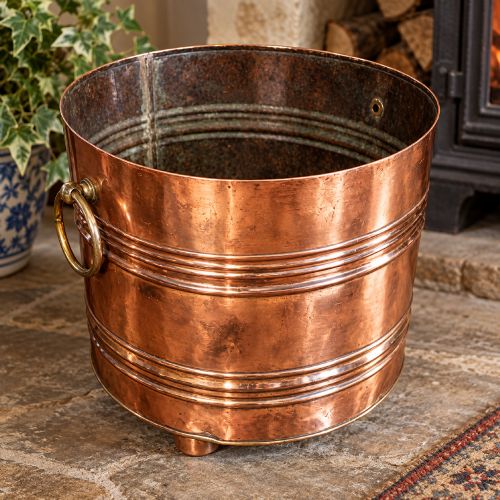
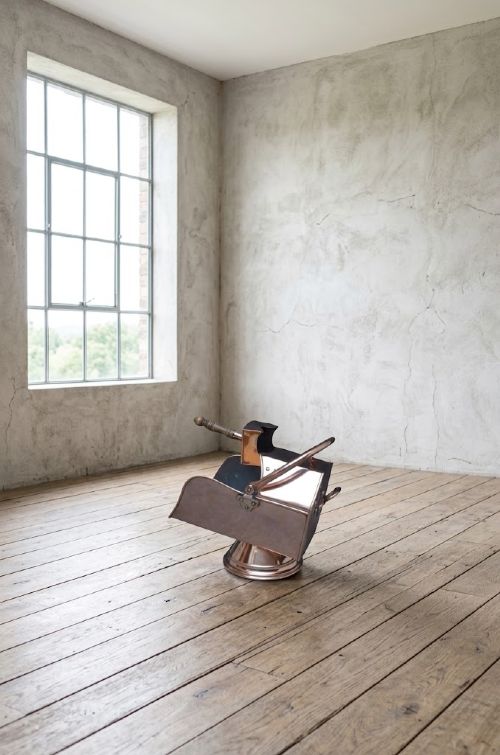
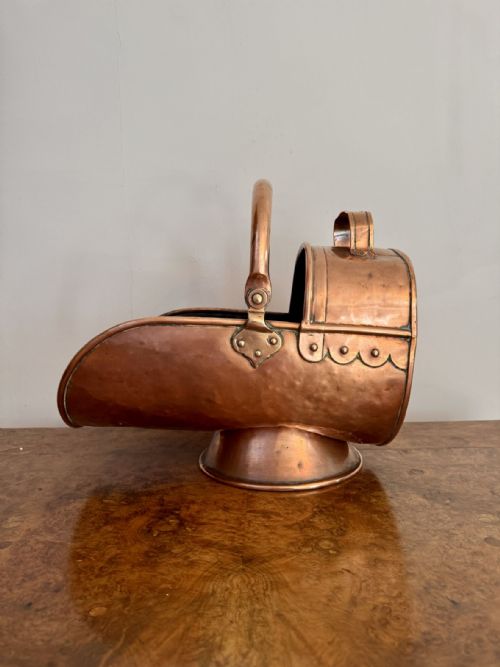
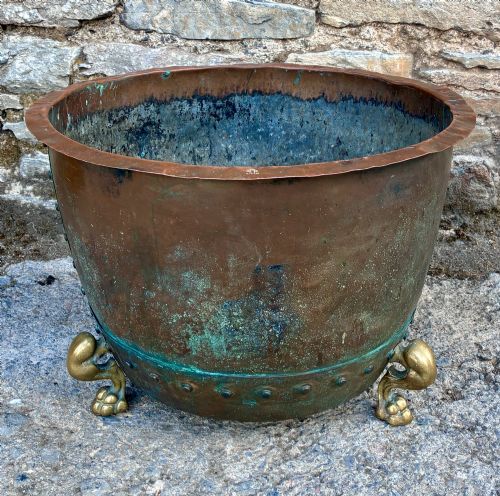
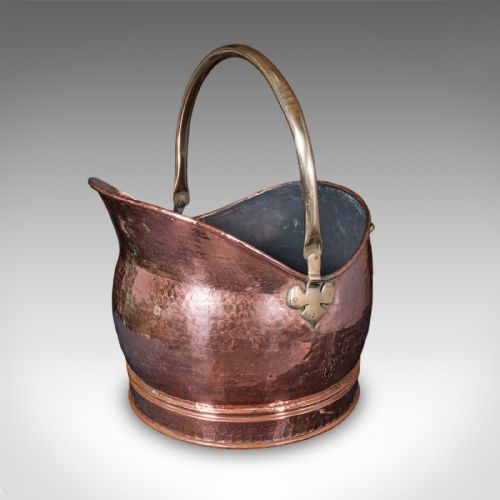
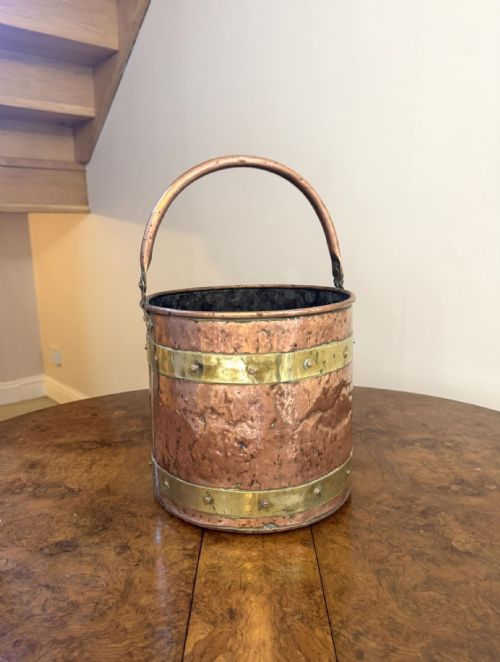
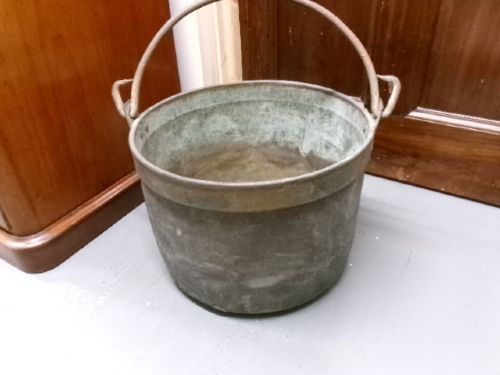
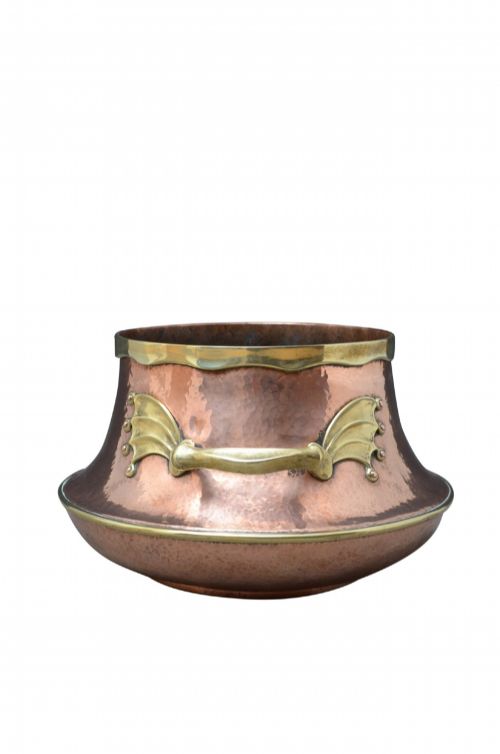
A copper brass fireplace bucket functions as a sturdy container for fuel near the hearth, primarily taking the form of coal scuttles, log bins, and cauldrons. When you search for a copper brass fireplace bucket, you encounter vessels designed to hold coal, kindling, or logs while adding metallic warmth to a room.
The pieces available span the nineteenth century into the twentieth century, with Victorian examples appearing most frequently alongside Arts and Crafts and Edwardian iterations. Makers utilised durable metals to create functional household items that double as decorative accessories by the fireside.
Materials and methods of construction
Craftsmen built these vessels predominantly from sheet copper and brass, frequently combining the two metals to create contrasting bands, handles, and mountings. Iron, tin, and wood occasionally feature in internal components or associated coopered staves.
Construction techniques include hand-beating, embossing, and riveting plates together to form watertight or durable seams. Swing handles, brass feet, and applied copper bands are attached securely to withstand the heavy loads of coal and wood.
Listings feature periods spanning from George III and the nineteenth century through to Victorian, Edwardian, Arts and Crafts, and Art Deco eras.
Distinctions in quality and execution
The calibre of a piece depends on the heaviness of the metal gauge and the crispness of any hand-beaten or embossed decoration. Superior examples display robust riveting and well-balanced swing handles that remain sturdy under weight.
Proportion and decorative restraint set finer vessels apart from standard utilitarian ware. Pieces featuring integrated brass trim, harmonious colour contrasts, and crisp hand-finishing represent the upper tier of fireside metalwork.
William Soutter And Sons·Bamfords
The Copper Brass Fireplace Bucket Glossary
- Coal scuttle
- A vessel specifically shaped with a wide mouth or helmet form for scooping and pouring solid fuel onto a fire.
- Dinanderie
- An old term for objects made of brass, copper, or bronze, often associated with decorative vessels and cauldrons from specific stylistic periods.
- Coopered
- Built from narrow staves of wood fitted together side by side, sometimes bound with metal bands like a barrel.
- Jardiniere
- An ornamental pot or stand designed to hold growing plants or flowers, frequently repurposed from metal bins.
Copper Brass Fireplace Bucket: Frequently Asked Questions
How were these buckets used by the fireside?
These vessels served primarily to store and transport coal, peat, or logs directly beside the hearth for domestic heating.
Their sturdy construction allowed them to hold heavy loads of fuel while their decorative metal exteriors kept the fireside tidy.
How do I clean copper and brass safely?
Maintenance involves dusting the metal surfaces regularly with a soft cloth to preserve the natural patina developed over the centuries.
Harsh chemical abrasives should be avoided to protect hand-beaten details and riveted seams from unnecessary wear.
How can I tell a Victorian piece from later ones?
Victorian examples frequently display heavy copper gauges, distinct hand-beating marks, and robust brass banding applied to structural seams.
Later Edwardian and Art Deco items often introduce smoother machine finishes and alternative stylistic motifs such as dinanderie.
Can these buckets be used for plants today?
Many of these metal vessels adapt readily to hold large houseplants or floral arrangements as planters and jardinières.
Using a protective liner inside prevents moisture from coming into direct contact with the antique copper or brass base.