
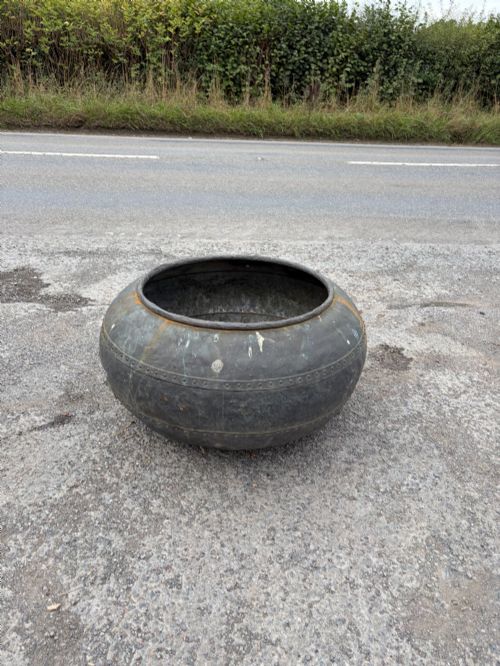
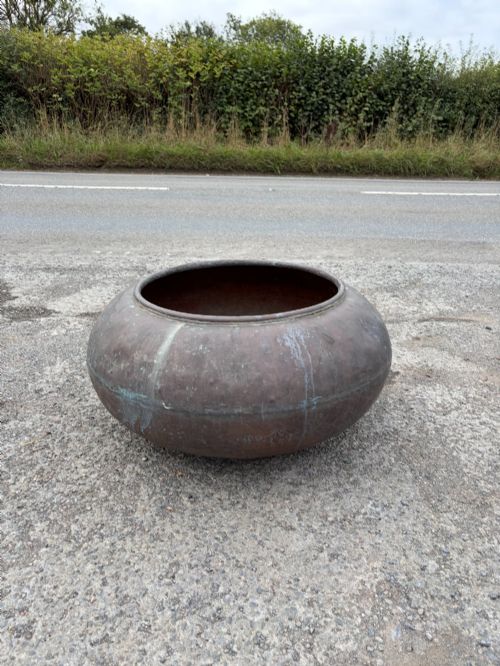
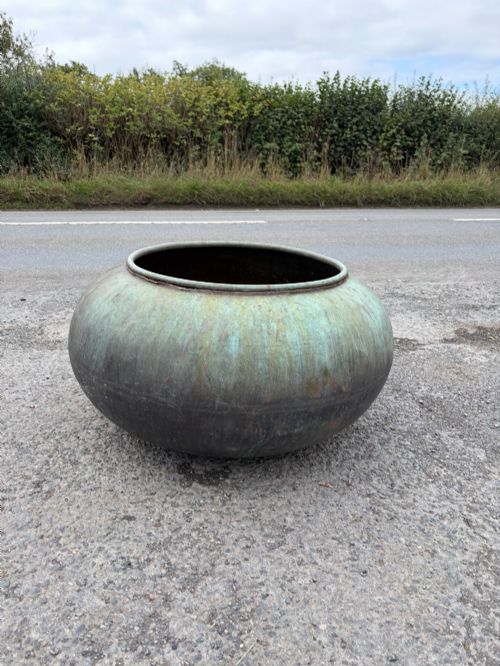
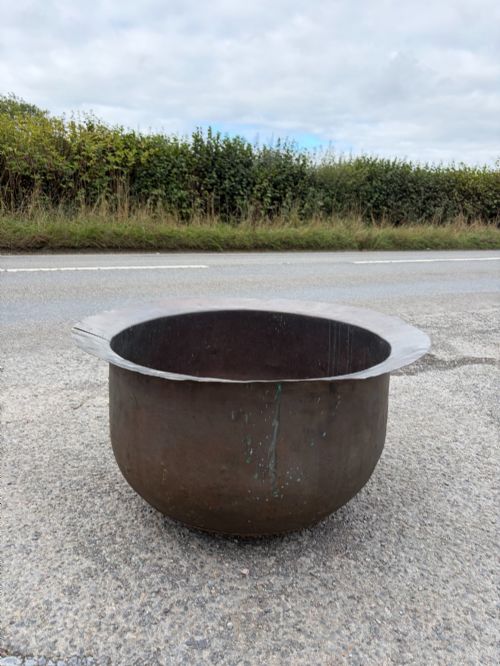
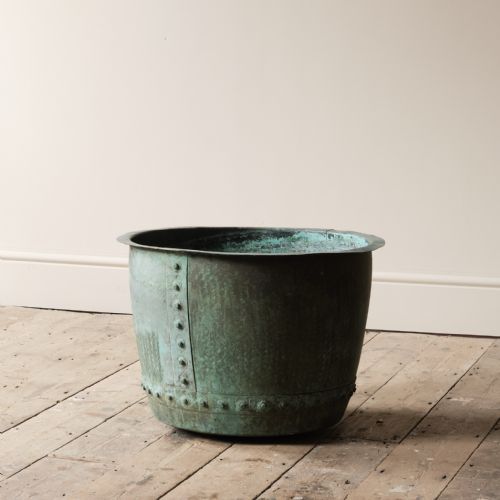
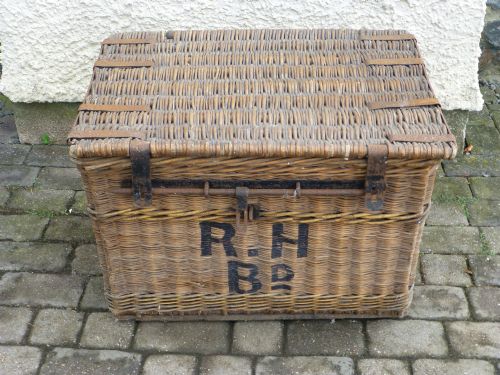
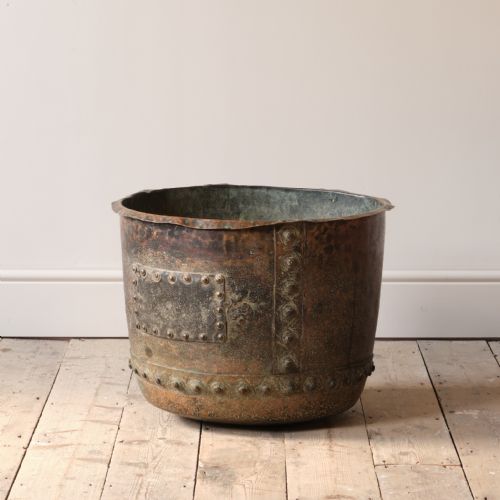
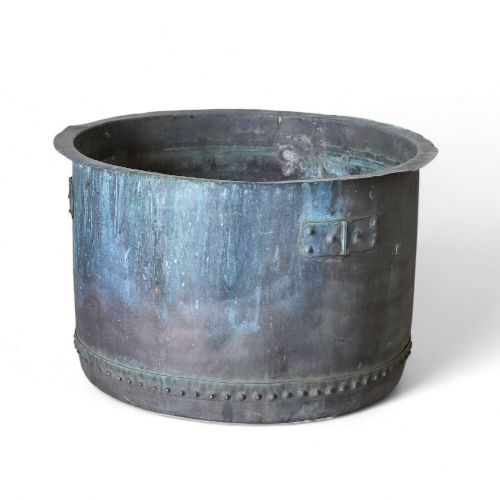



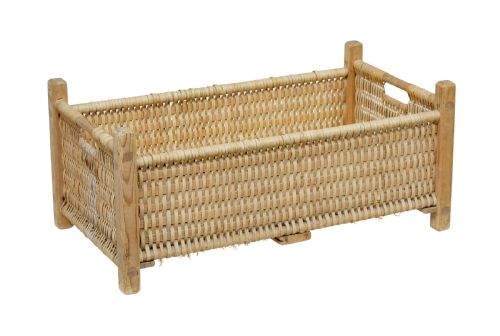
19th Century Log Basket
These heavy metal pots and woven pine vessels bring utilitarian warmth to a hearth as a 19th century log basket.
19th Century Log Basket
A 19th century log basket encompasses sturdy copper vessels and hand-woven pine or wicker containers originally built for domestic labour or agricultural storage. Buyers encounter heavy metal pots alongside rustic wooden baskets intended to hold firewood beside the fireplace.
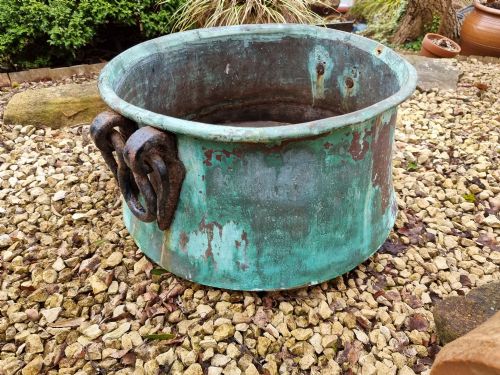
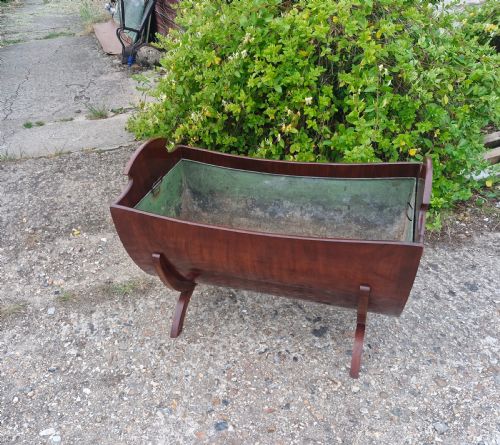
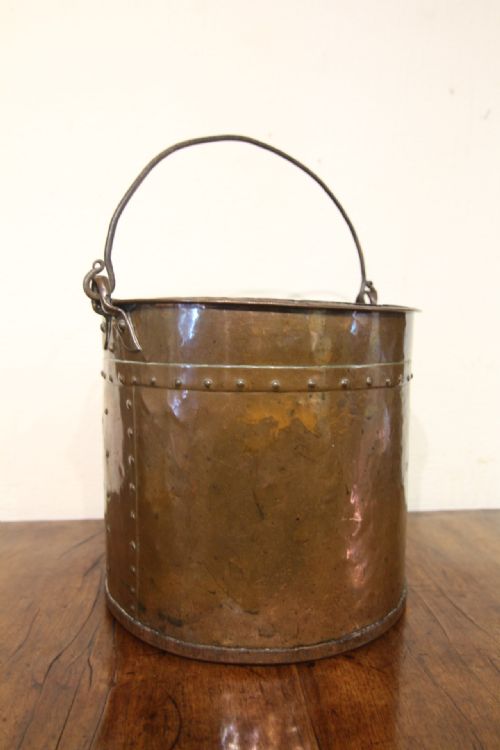
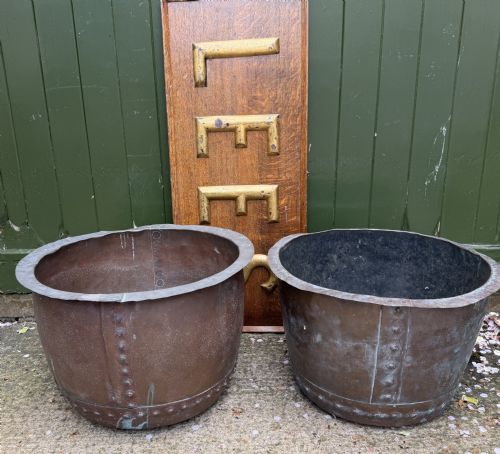
The selection ranges from riveted copper cauldrons and coal buckets to Scandinavian pine storage barrels and wicker baskets. Many examples double as planters, garden vessels, or interior storage bins.
Originating across English country houses and Scandinavian rural workshops, these utility items span Victorian industrial works to Georgian hearth accessories. The utilitarian forms survive through robust materials suited to heavy daily use.
How they were made
Metal vessels utilise sheet copper and iron joined with hand-driven rivets, often featuring wrought iron swing handles or brass mounts. Blacksmiths and coppersmiths hammered these thick metal walls to shape cauldrons, boilers, and buckets.
Wooden baskets rely on hand-woven pine strips, cane, or wicker construction, sometimes paired with solid timber staves for barrels. Craftsmen bent and wove natural fibres to create flexible yet durable containers for wood and crops.
Grape hods originally built for continental vineyards now happily retire beside the hearth as rustic wood stores.
What varies in quality
The calibre of a metal log basket depends on the weight of the copper and the regularity of the hand-beaten riveting. Thick metal walls and secure wrought iron handles indicate robust utilitarian standards.
For woven pine and wicker examples, quality rests on the tightness of the weave and the structural integrity of the frame. Surviving handles, uniform natural patinas, and minimal replacement parts elevate the piece.
The 19th Century Log Basket Glossary
- Verdigris
- A green patina formed naturally on copper and brass surfaces through atmospheric oxidation. This surface layer signals age and weathering.
- Cauldron
- A large metal pot with a wide mouth and a swing handle, traditionally used over an open fire. These heavy vessels form a significant portion of metal log bins.
- Andirons
- Horizontal metal supports raised on legs, placed in a hearth to hold logs above the floor. They frequently accompany fire grates in inglenook settings.
- Toleware
- Lacquered or enamelled metalware produced to resemble oriental lacquer or decorative painted wares. These items bring finished colour to country house interiors.
19th Century Log Basket: Frequently Asked Questions
Can I use a copper pot for real logs?
Most heavy copper vessels and metal buckets withstand the weight and friction of firewood without structural damage. Their sturdy riveted bases were originally built for heavy industrial or domestic use.
Buyers should check the interior for moisture retention or corrosion before placing untreated wood inside. A protective liner helps preserve the historic metal surface from damp debris.
How do I clean a weathered copper basket?
Warm soapy water and a soft cloth remove surface dust while preserving the historic surface and verdigris finish. Aggressive metal polishes strip away the natural patination that collectors look for.
Allow the metal to dry completely after cleaning to prevent spotting or further oxidation. Gentle maintenance keeps the original character intact.
Are pine baskets strong enough for daily hearth use?
Hand-woven pine and wicker containers provide flexible strength for carrying and storing logs. Traditional construction methods distribute weight evenly across the woven structure.
Keep wooden baskets away from direct flames and excessive heat sources to prevent the natural fibres from drying out and splitting. Occasional light dusting maintains the dry pine surface.
How do I distinguish Victorian copper from earlier pieces?
Georgian and early 19th-century metal vessels often display irregular hand-beaten hammer marks and heavier gauge copper. Construction details like wrought iron handles and early riveting styles provide clues to the production era.
Later Victorian and industrial pieces frequently feature standardised machine rolling and uniform rivets. Comparing the weight and handle attachment helps clarify the age.