




Copper Brass Coal Bucket
A copper brass coal bucket sits beside the hearth to hold fuel while bringing metal warmth and weight into a room.
Copper Brass Coal Bucket
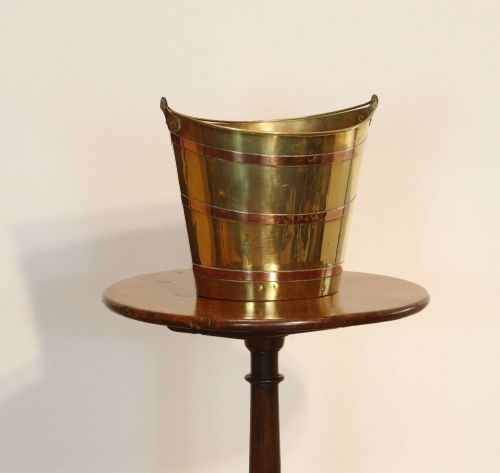
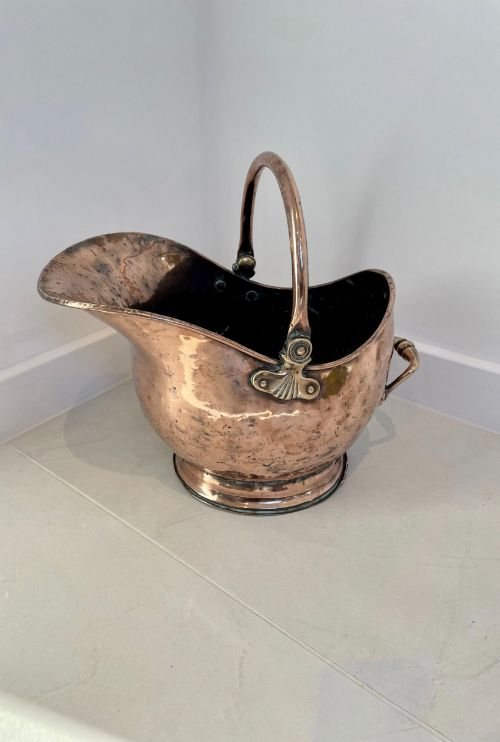
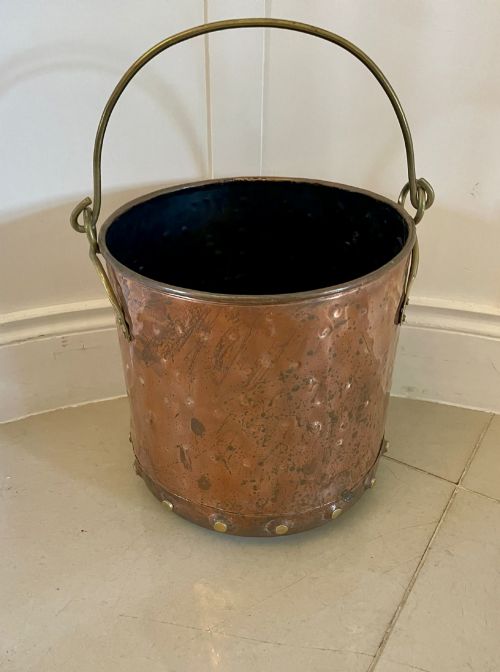
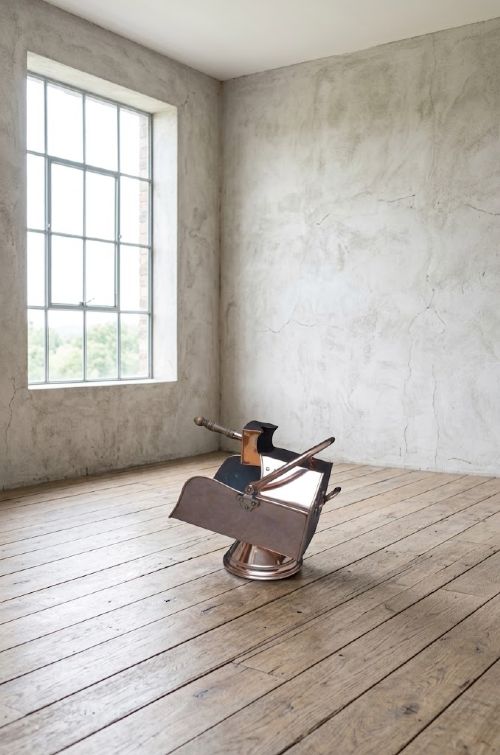
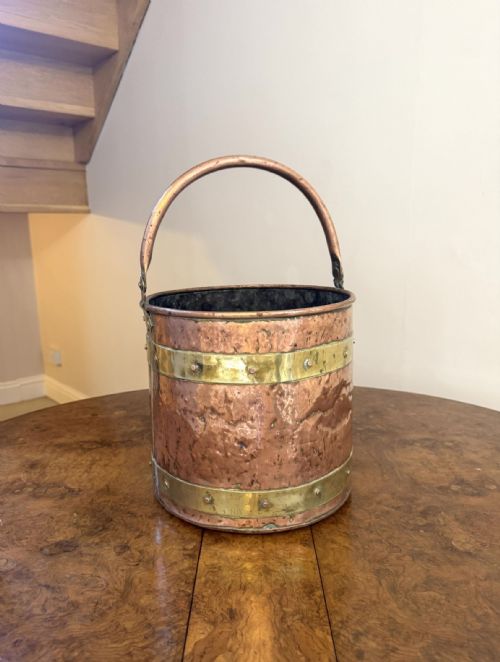
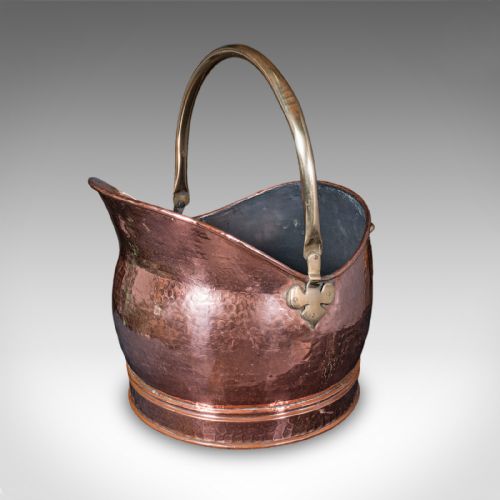
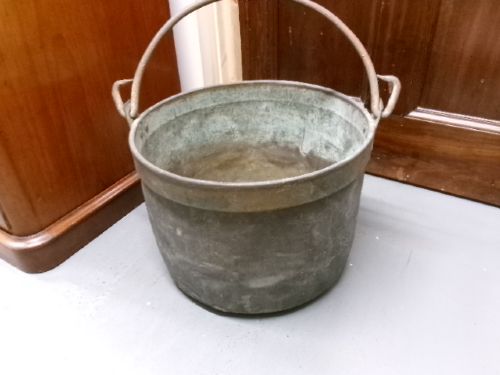
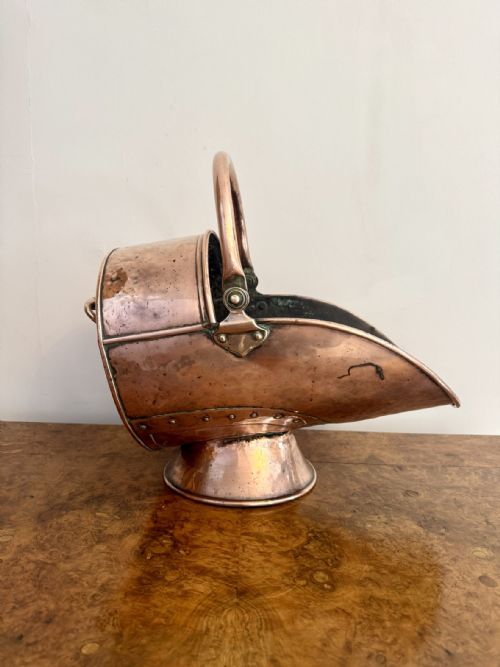
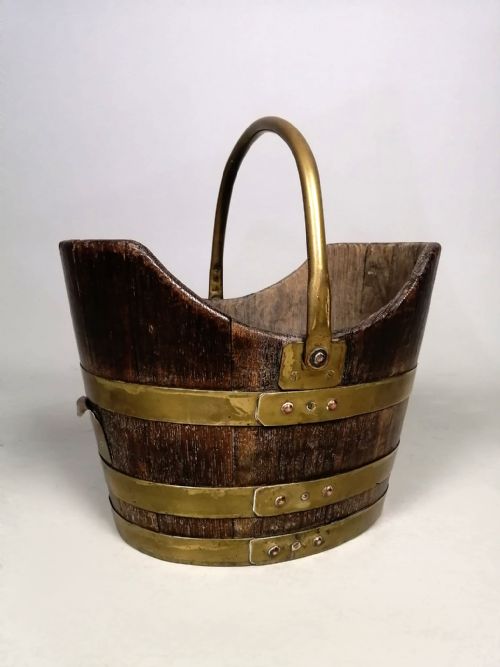
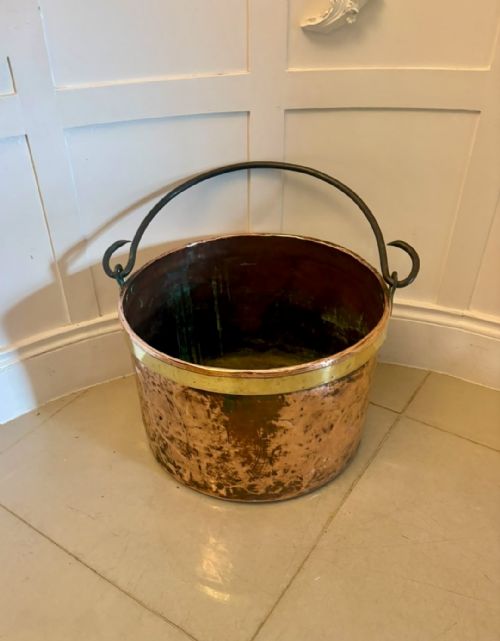
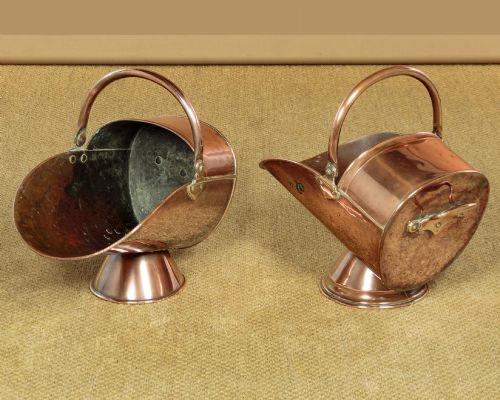
A copper brass coal bucket combines two metals for functional fireside storage, taking the form of helmets, cylindrical bins, swing-handled cauldrons, and open buckets. When you search for a copper brass coal bucket, you encounter items designed to sit beside a fireplace and hold coal or logs.
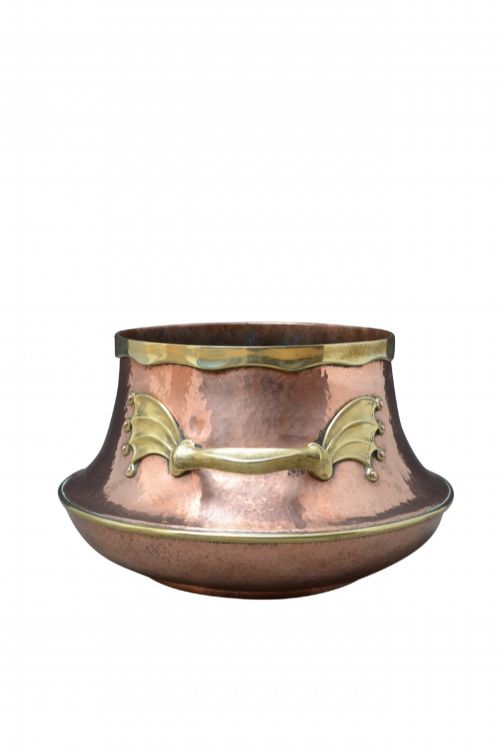
The Victorian period supplies the greatest number of pieces on this page, often featuring helmet shapes with shaped mouths and swung handles. Alongside these, you find George III and Edwardian examples, plus Arts and Crafts pieces with hand-hammered surfaces.
How they were made
Maker construction relies on sheet copper and brass, joined using visible rivets or smooth seams alongside iron bands for structural strength. Handles typically employ cast brass, sometimes paired with wooden grips or ceramic elements for insulation.
Surface finishes range from hand-beaten and embossed decoration to polished sheet metal. Riveted joints secure the bodies and bases, while brass feet - such as claw feet - elevate the vessels from the hearth floor.
Copper Brass Coal Bucket Retail Price Guide 2026
Typical asking prices for copper brass coal bucket among the pieces listed under this phrase on Sellingantiques today, from the lower quarter to the upper quarter. They describe what is for sale here now, not the wider market.
Listings feature periods spanning from the eighteenth century through the Georgian and Victorian eras into the Edwardian period and Art Deco.
What varies in quality
Gauge of metal and weight dictate the substance of a bucket, separating heavy, rigid vessels from thin, pliable alternatives. Thicker copper resists dents and supports the heavy load of coal or logs without buckling.
Construction detail defines the finer pieces, seen in tight riveting, robust brass mounts, and crisply embossed or hammered decoration rather than plain machine stamping.
William Soutter & Sons·Bamfords
The Copper Brass Coal Bucket Glossary
- Helmet scuttle
- A fireside coal container featuring a high, sloping back and a flared mouth designed for pouring coal cleanly into a grate. The shape resembles a traditional headpiece.
- Dinanderie
- Objects made of beaten brass, copper, or bronze, often associated with decorative vessels and domestic containers. The term stems from the Belgian town of Dinant.
- Cauldron
- A rounded, bowl-shaped metal vessel often equipped with a swing handle and resting on raised feet. These pieces serve as open log bins or coal buckets.
- Log bin
- A large cylindrical or oval vessel utilised beside the fireplace for storing firewood rather than small fuel. They often feature robust brass handles and iron or brass banding.
- Embossed
- A surface technique where a pattern is raised from the reverse side of the metal sheet using punches and hammers. This ornament frequently decorates Victorian coal bins.
Copper Brass Coal Bucket: Frequently Asked Questions
How do I clean a copper and brass bucket?
Maintenance involves removing dust with a soft cloth and applying a mild metal cleaner if you prefer a bright finish. Many owners leave the natural oxidation undisturbed to preserve the historic patina.
Avoid abrasive scouring pads that scratch the softer copper surface. A gentle wax can help protect the polished exterior from moisture and fingerprints.
Can I use these buckets for logs today?
These vessels suit modern living rooms perfectly for holding firewood or kindling by an active or decorative fireplace. Their original construction in heavy copper and brass ensures they withstand the weight of logs.
Some collectors prefer to place a modern liner inside to catch loose bark and dirt. This protects the historic interior metal from moisture and debris.
How do I date a coal bucket?
Dating relies on construction methods, handle attachments, and stylistic clues like Victorian embossing or Arts and Crafts hand-beaten surfaces. Earlier eighteenth-century and George III examples often display hand-beating marks and simple riveted iron bands.
Later Victorian and Edwardian pieces frequently incorporate machine-rolled sheet metal and more elaborate cast brass feet. Comparing the specific handle mounts helps narrow down the decade of manufacture.