




Copper Basin Bowl
These copper basin bowl pieces span utilitarian cookware to decorative vessels, offering warmth and character that suit modern interiors.
Copper Basin Bowl
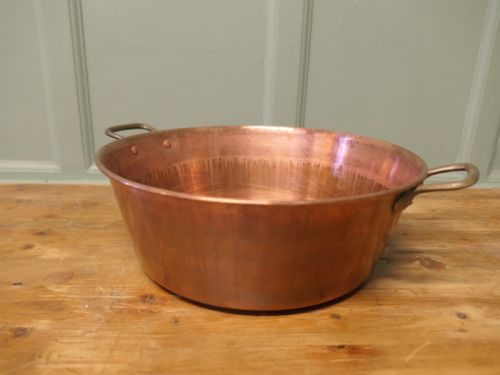
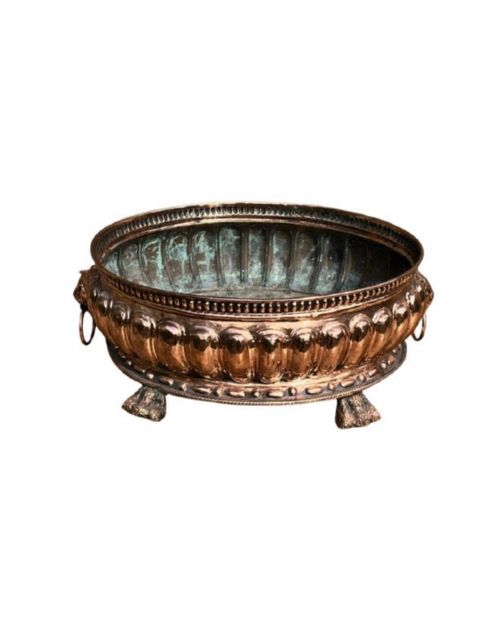
A copper basin bowl encompasses heavy preserve pans, wine coolers, jardiniere planters, and decorative table vessels found across various periods. When you search for this phrase, you encounter everything from utilitarian kitchenware to ornate imported wares.
The nineteenth century yields the highest proportion of heavy kitchen pans and preserve pots alongside revival pieces. Earlier examples reach back into the eighteenth century with Italian wine cisterns and English kitchen vessels.
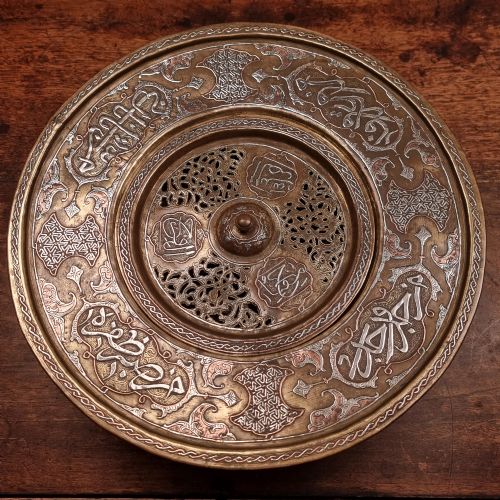
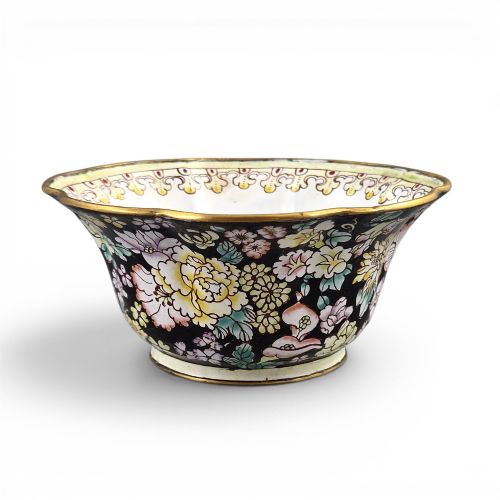
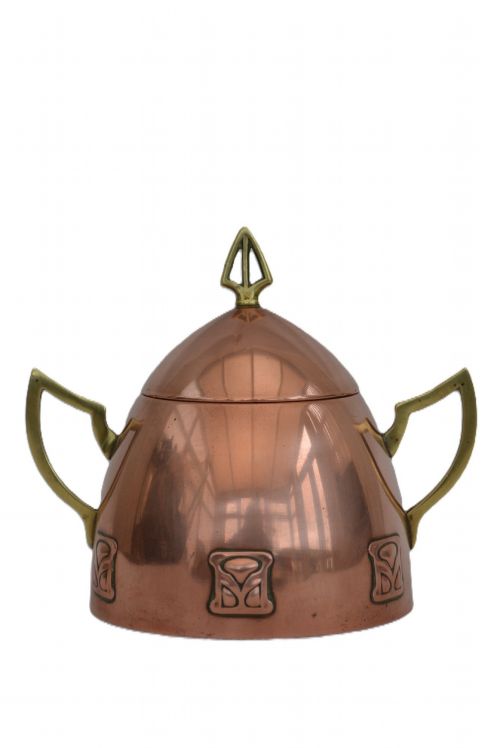
Stylistic diversity ranges from plain Victorian farmhouse cookware to Mamluk Revival brass and mixed metal vessels, alongside Arts and Crafts copper bowls on stands and painted enamel creations.
How they were made
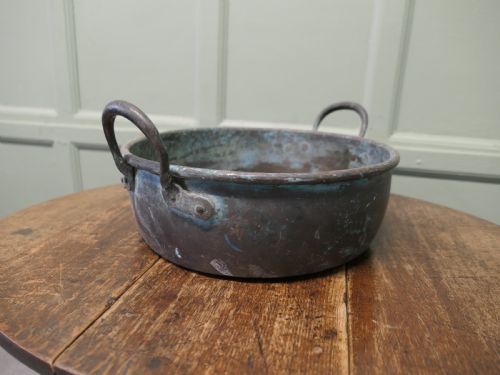
Construction relies heavily on sheet copper and brass, frequently shaped with hand-beaten hammering marks visible across the bodies and handles. Iron handles and mounts appear on utility pans, whilst silver inlay and enamel decoration enrich decorative bowls.
Techniques span from simple domestic pan-beating by nineteenth century coppersmiths to complex Cairoware metal inlay and Japanese cloisonne enamelling. Surface finishes vary from bright polished metal to patinated historical surfaces.
Listings feature periods spanning the eighteenth, nineteenth, and twentieth centuries, utilising copper, brass, iron, earthenware, and enamel materials.
What varies in quality
Wall thickness and weight separate utilitarian cookware from lighter decorative items, with heavy preserving pans showing substantial metal gauge. Maker attribution, such as signed pieces by known silversmiths, elevates certain wine coolers and sugar bowls.
The integrity of construction, from securely riveted iron handles to intact silver or brass inlay, determines the caliber of decorative revival pieces. Original surface patination without aggressive modern cleaning preserves historical value.
Barker Ellis·Hodges and Sons
The Copper Basin Bowl Glossary
- Jardiniere
- An ornamental pot or stand for holding plants or flowers, often made of copper or brass in these listings. They frequently function as wine coolers or table centrepieces.
- Cairoware
- Nineteenth century metalware produced in Egypt, featuring intricate brass inlaid with silver and copper in Islamic geometric motifs. These items combine brass bases with mixed metal enrichment.
- Preserve pan
- A wide, shallow cooking vessel designed for boiling jams and preserves, usually formed from heavy gauge copper with sturdy handles. They were staples of nineteenth century domestic kitchens.
- Cloisonne
- An ancient technique for decorating metalwork objects with coloured glass paste held within thin metal strips. Examples here include Japanese enamel work on copper bases.
- Gaudy Welsh
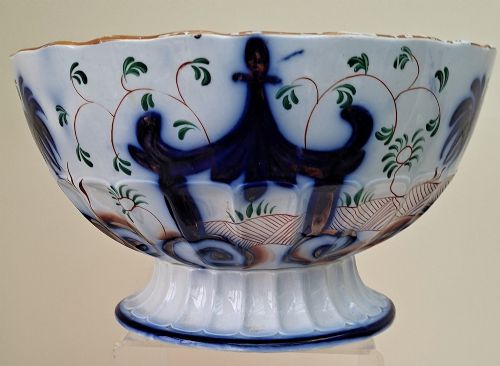
- A type of colourful pottery popular in the nineteenth century, featuring hand-painted patterns like Pagoda and Celyn on basins and footed bowls.
Copper Basin Bowl: Frequently Asked Questions
How do I clean an antique copper basin?
Gentle washing with warm soapy water and a soft cloth preserves the historic patination of old copper and brass surfaces. Avoid harsh chemical abrasive cleaners that strip away the aged character accumulated over centuries.
Dry the vessel thoroughly after washing to prevent water spotting. Specialist metal creams should only be utilised if a bright polished finish is specifically desired over an honest antique glow.
Were these copper pans meant for actual cooking?
Nineteenth century preserve pans and jam pots were engineered strictly for practical kitchen utility over open flames or stoves. Their thick copper walls ensured even heat distribution for boiling fruit and sugar mixtures.
Over decades of use, many developed distinctive interior wear patterns from stirring paddles. Today, collectors value this authentic working history just as much as decorative presentation.
What is the difference between a jardiniere and a wine cooler?
A jardiniere typically functions as a decorative plant holder, whilst a wine cooler is designed to hold bottles surrounded by ice or water. Despite their original purposes, many Italian and Regency copper vessels serve interchangeably in modern rooms.
Examine the interior depth and watertight integrity to understand how a specific basin was intended to perform. Heavierwalled pieces with sturdy handles usually point towards liquid containment or culinary tasks.
How can I tell a Georgian copper pan from a Victorian one?
Georgian copper pans from the early nineteenth or late eighteenth century often display simpler, heavier hand-beaten construction with distinct dovetail seams. Handle attachments tend to utilise robust iron rivets shaped by hand rather than machine stamping. Nineteeth century Victorian and later Arts and Crafts examples introduce stamped maker marks, lighter gauges, and diverse revival styles like Mamluk or Secessionist motifs. Examining the method of construction and handle fixing generally reveals the manufacturing era.