




Continental Wood Carving
Continental wood carving brings together centuries of European craftsmanship, offering expressive figures, rich architectural details, and solid walnut or oak furniture.
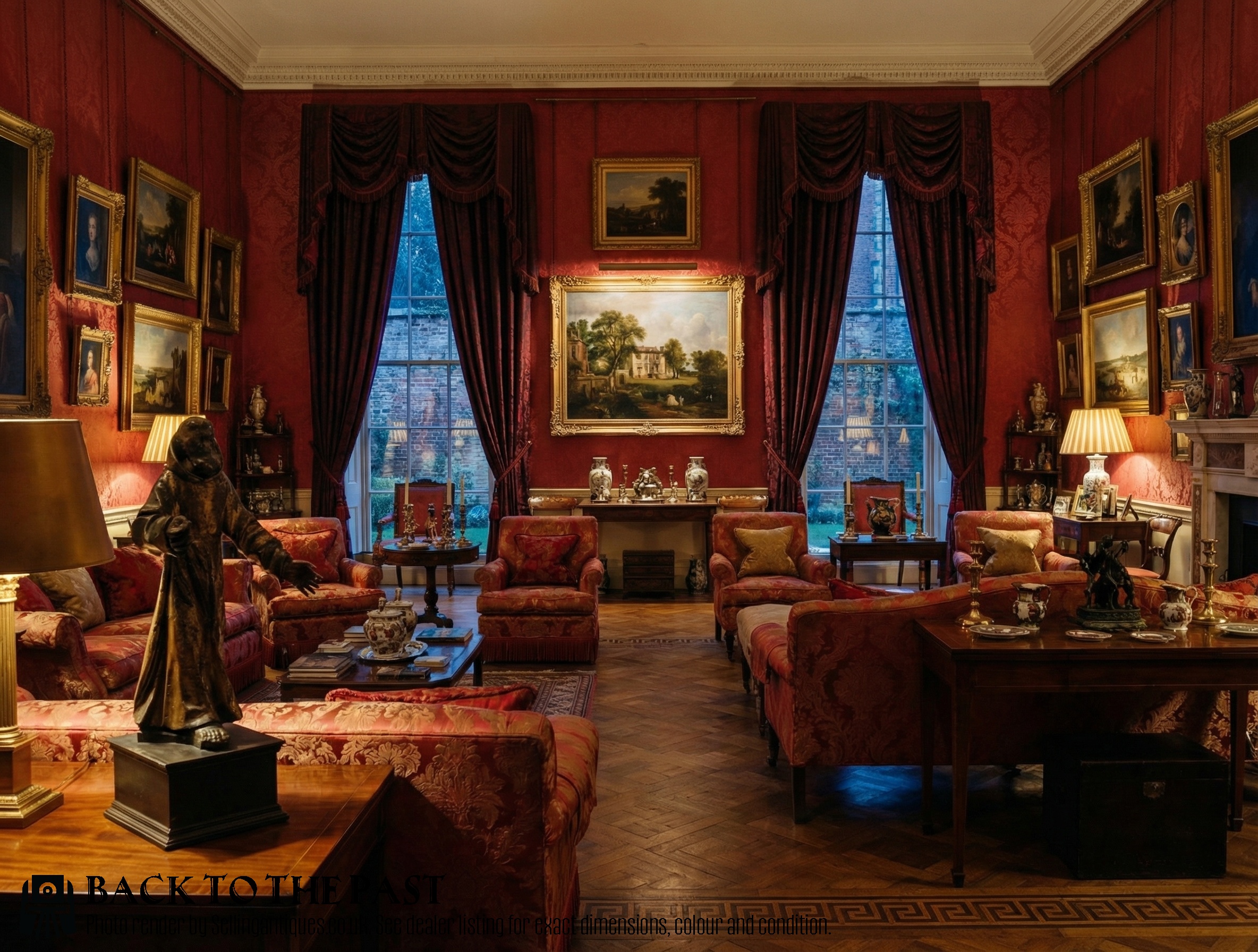
Continental Wood Carving
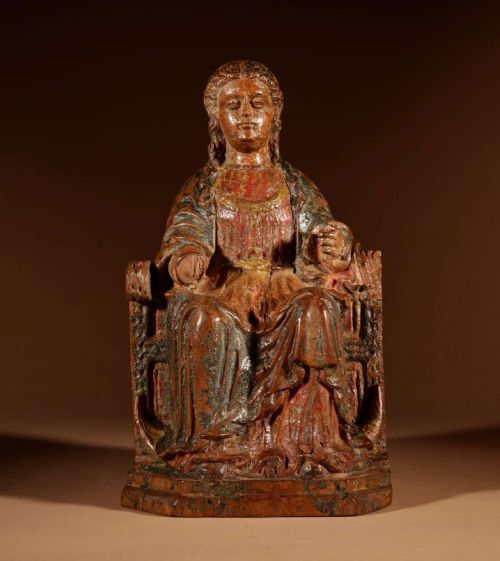
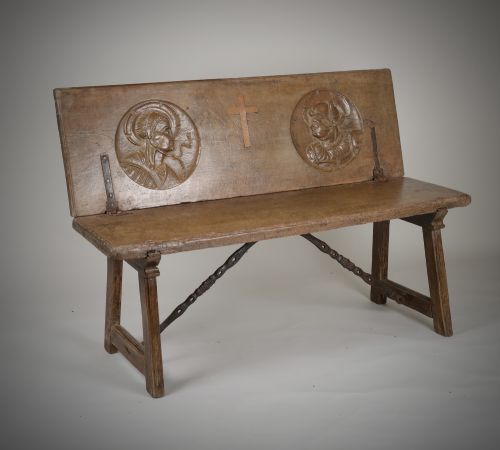
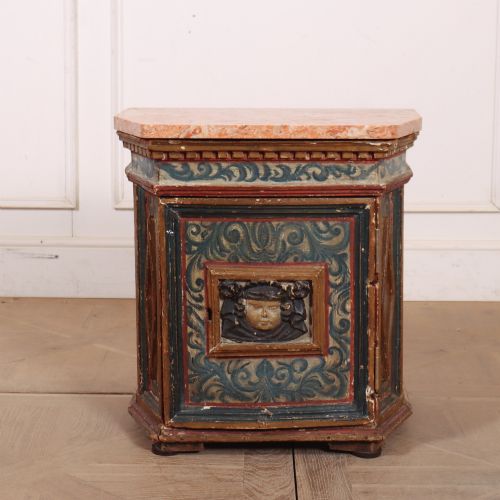
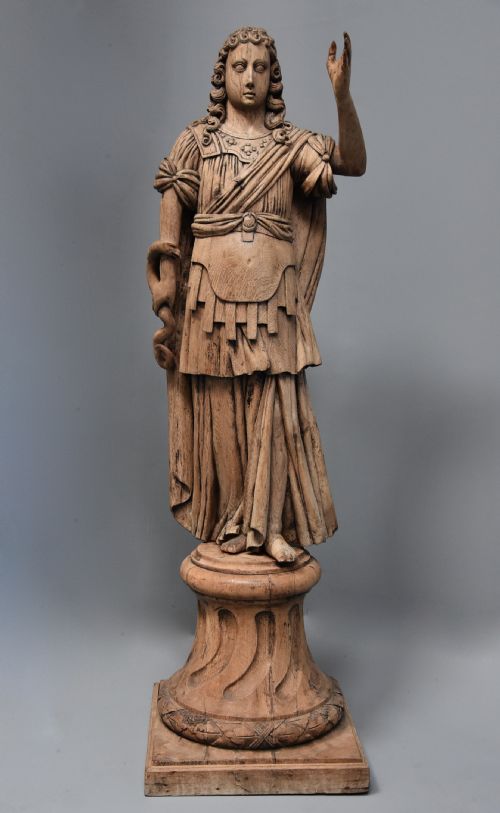
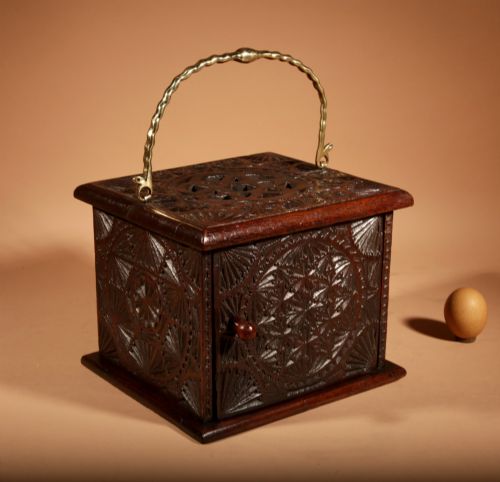
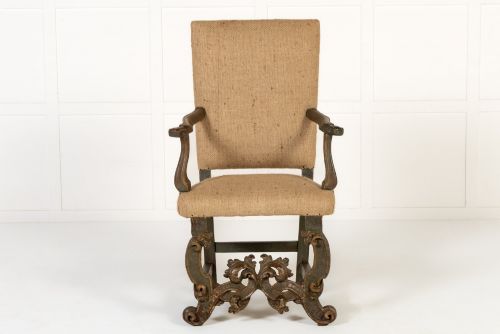
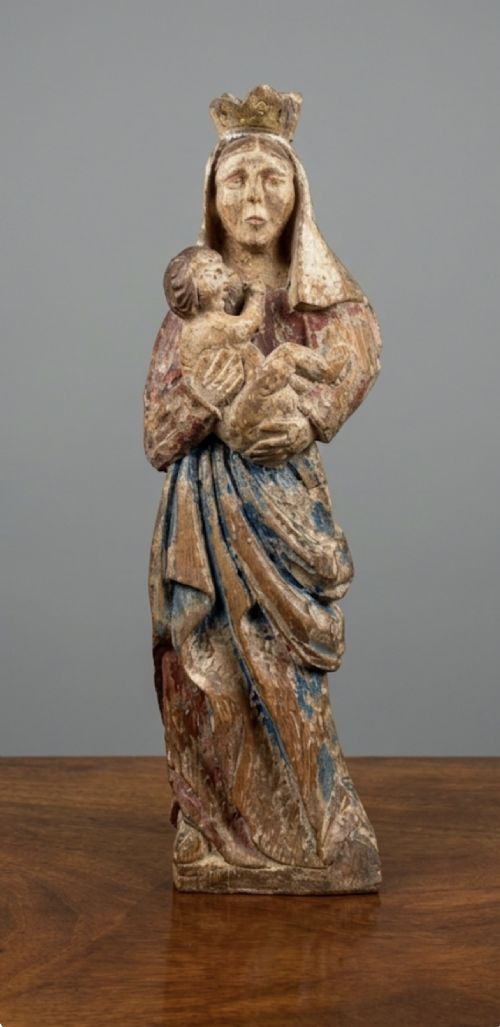
Continental wood carving encompasses a diverse range of items, from life-size religious figures and Santos statues to functional furniture such as armchairs, bookcases, and display cabinets. Buyers seeking continental wood carving often encounter seventeenth and eighteenth-century devotional sculptures alongside nineteenth-century revival pieces.
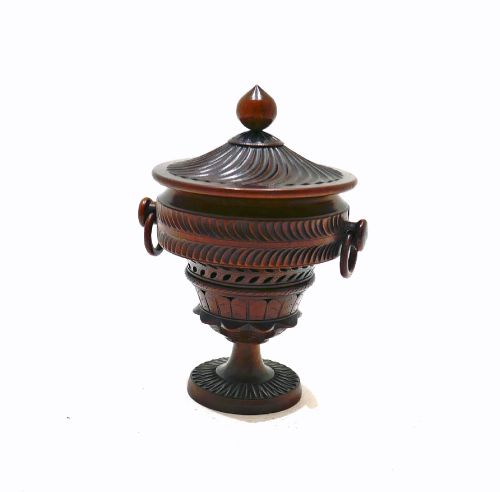
The selection frequently spans regional workshops across Italy, Germany, and France, utilising domestic hardwoods to create sculptural panels, decorative urns, and architectural elements. Figures of saints, madonnas, and cherubs dominate the earlier periods, while later centuries lean towards domestic seating and cabinetry.
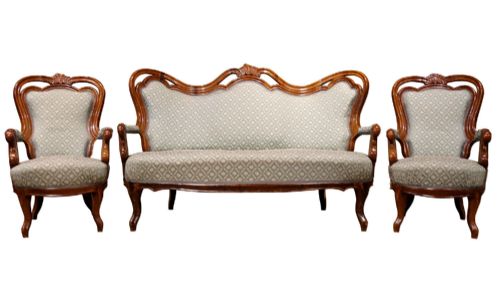
Objects range from small limewood devotional carvings to monumental oak figures and walnut salon suites. Each piece reflects the aesthetic priorities of its specific origin, whether that is the dramatic movement of the Baroque or the restrained balance of the Neoclassical period.
Materials and construction methods
Artisans relied primarily on solid hardwoods such as walnut, oak, limewood, and fruitwood, selecting each timber for its grain structure and suitability for intricate detail. Walnut and oak provided structural stability for large figures and furniture, while limewood and fruitwood allowed carvers to execute delicate undercutting and facial expressions.
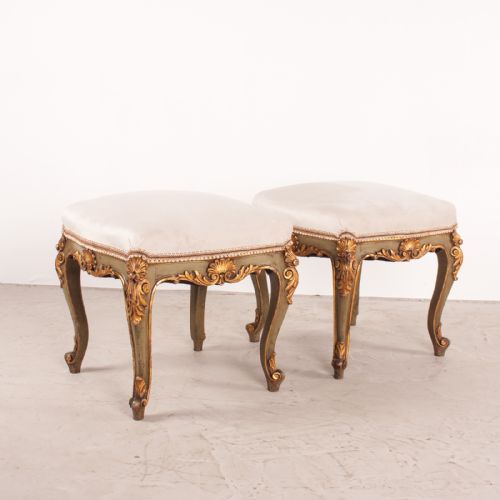
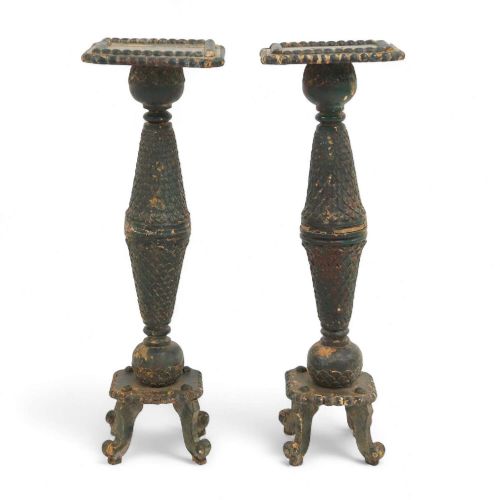
Many figurative pieces received layers of gesso, polychrome paint, or gold leaf to enhance their visual impact for church altars or domestic shrines. Surface finishes varied from original green paint and giltwood to waxed natural grain, preserving the tool marks left by gouges and chisels.
Continental Wood Carving Retail Price Guide 2026
Typical asking prices for continental wood carving among the pieces listed under this phrase on Sellingantiques today, from the lower quarter to the upper quarter. They describe what is for sale here now, not the wider market.
A seventeenth-century limewood cherub immortalizes a quiet moment surrounded by grapevines, caught forever in the act of keeping company with wine.
Distinctions in execution and design
The integrity of the original surface finish heavily influences a piece's standing, as untouched polychrome, early gilding, or patinated bare wood retain historical authenticity. Pieces that retain their original structural elements without excessive later replacement command greater appreciation among collectors.
The Continental Wood Carving Glossary
- Polychrome
- Painted in several colours, commonly found on religious figures from the seventeenth and eighteenth centuries to add lifelike detail.
- Limewood
- A fine-grained timber favoured by European carvers for its even texture, which permits intricate undercut details without splitting.
- Giltwood
- Wood that has been coated with gold leaf or gold paint, frequently used on mirrors, torchières, and decorative brackets.
- Santos
- A carved figure of a saint or holy person, often clothed in real textiles or mounted on a plinth for devotional use.
- Treen
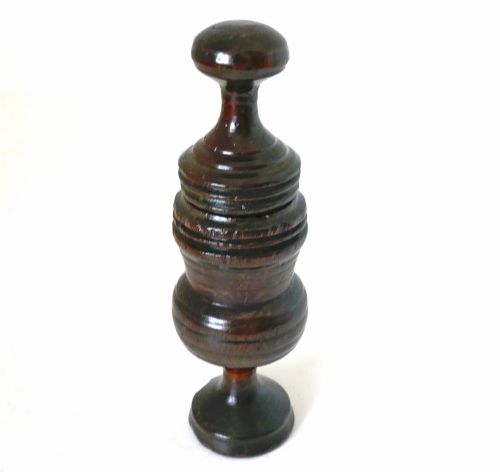
- Small handmade wooden household objects, encompassing items such as spice grinders, lidded cups, and pomanders.
Continental Wood Carving: Frequently Asked Questions
How do I care for antique carved wood?
Keep wooden sculptures and furniture away from direct heat sources and sudden humidity changes to prevent the timber from splitting. Dust gently with a dry, soft cloth and avoid applying modern liquid polishes that can damage original wax or painted surfaces.
Allow a natural patina to develop over time by maintaining stable room conditions. Professional conservation should be sought if structural movement or paint flaking occurs.
Were these carvings always painted?
Religious figures and decorative architectural elements from earlier periods frequently received polychrome or gilt finishes to emulate more costly materials. Many pieces were designed to be colourful focal points in dim church interiors.
By contrast, secular furniture and later decorative carvings often showcased the natural grain of walnut, oak, or fruitwood. The choice depended entirely on the intended setting and the prevailing style of the workshop.
How can I tell the period of a carving?
Stylistic indicators such as Baroque asymmetry or Neoclassical symmetry offer the first clues to a piece's date of origin. Examining the species of wood, tool marks left by hand chisels, and the composition of underlying gesso layers helps narrow down the century.
Comparing the wear patterns and construction joints against established historical examples confirms the timeline. Regional differences between Italian, German, and French workshops further clarify where and when an object was produced.
What is the difference between religious and secular carvings?
Religious carvings typically depict saints, madonnas, or biblical scenes intended for devotion in churches or private chapels. These often feature polychrome paint, gilding, or specialised iconography unique to Catholic and Protestant traditions.
Secular carvings focus on domestic utility and ornamentation, appearing on furniture, bookcases, mirrors, and architectural brackets. They emphasise everyday motifs, foliage, and classical ornamentation rather than devotional narratives.